
Firing up the grill is one of the best parts of warmer weather, right? And when you’re getting ready for a cookout, you’ve got to think about what you’re going to drink. Beer and BBQ just go together, but picking the right beer can make your food taste even better. It’s not as complicated as it sounds, and this guide will help you figure out some great bbq beer pairing guide options for whatever you’re grilling this season.
Key Takeaways
- Match the intensity of your beer to the intensity of your food. Big, bold BBQ flavors need a beer with some backbone, while lighter fare pairs well with lighter brews.
- Don’t be afraid to contrast flavors. The bitterness in hoppy beers can cut through rich, fatty meats, and the acidity in some beers can balance out sweet sauces.
- Smoked meats like ribs and brisket often do well with brown ales or pale ales, which have malty notes that complement the smoke.
- Poultry and seafood are usually good with lighter beers like hazy IPAs or crisp wheat beers, which won’t overpower their delicate flavors.
- Spicy dishes can be tamed by hoppy beers, where the bitterness helps balance out the heat.
Mastering The Art Of Bbq Beer Pairing
Alright, so you’ve got the grill fired up, the coals are glowing, and the smell of barbecue is starting to fill the air. Awesome. But what are you going to drink with all that deliciousness? Picking the right beer can seriously take your cookout from good to great. It’s not just about grabbing whatever’s cold; it’s about making the food taste even better. Think of it like this: the beer is a side dish for your food, and you want it to play nice.
Understanding The Fundamentals Of Flavor
When you’re trying to pair beer with BBQ, the first thing to think about is flavor. Everything has a flavor, right? Your ribs have a smoky, savory flavor. Your sauce might be sweet, tangy, or spicy. The beer you choose also has its own set of flavors – maybe it’s malty and a little sweet, or hoppy and bitter, or even fruity. The goal is to make these flavors work together.
- Match the intensity: Big, bold BBQ flavors usually need a beer that can keep up. A light, watery beer will just get lost. On the flip side, delicate grilled fish doesn’t need a beer that’s going to knock its flavor out of the park.
- Consider the main ingredients: Are you grilling beef, pork, chicken, or maybe some veggies? The type of food will guide your beer choice.
- Don’t forget the sauce: Sauces can change everything. A sweet sauce will behave differently with a beer than a spicy, vinegar-based one.
Complementing, Contrasting, And Cutting Through Flavors
This is where it gets fun. You can go a few different ways with your pairings. You can try to make flavors that are already there even stronger, or you can introduce flavors that are totally different to create a new experience. Sometimes, you just need something to clean your palate.
- Complementing: This is like finding two things that just naturally go together. Think of the caramel notes in a brown ale matching the slightly sweet, roasted flavors of smoked brisket. They just vibe.
- Contrasting: This is about opposites attracting. If you have something really rich and fatty, like a big burger, a beer with some bitterness from hops can cut through that richness and make it feel lighter. It’s like a palate reset button.
- Cutting Through: This is similar to contrasting, but it’s more about cleansing. A crisp, carbonated beer can wash away the heavy flavors of BBQ, leaving you ready for the next bite. Think of a clean lager with greasy ribs.
The Golden Rule: Balance Is Key
Seriously, if you remember one thing, let it be this: balance. You don’t want the beer to overpower the food, and you don’t want the food to make the beer taste like nothing. It’s a partnership. A really good pairing makes both the food and the beer taste better than they would on their own. So, when in doubt, aim for balance. It’s usually the safest and most satisfying bet for your cookout.
Pairing Beers With Smoked Meats
Smoked Ribs and Brisket with Brown Ale
When you’ve got something as rich and smoky as ribs or brisket on the grill, you need a beer that can stand up to it without getting lost. A brown ale is a solid choice here. Its malty backbone, often with notes of caramel and toast, does a great job of echoing those deep, smoky flavors from the meat. It’s not too heavy, so it won’t weigh you down, but it has enough character to keep things interesting.
Think about it: the slight sweetness in the malt of a brown ale can actually complement the savory, sometimes slightly charred, bits on your ribs. It’s a pairing that feels comforting and familiar, like a good old-fashioned barbecue.
Pulled Pork Sandwiches and Pale Ales
Pulled pork, especially when it’s got that tangy, vinegar-based sauce that’s popular in some regions, can be a bit tricky. You need a beer that can cut through the richness of the pork and the acidity of the sauce. That’s where a pale ale comes in.
The hop character in a pale ale provides a nice bit of bitterness that cleanses the palate after each bite of fatty pork. Plus, the fruity or citrusy notes often found in pale ales can offer a refreshing contrast to the savory meat and the tang of the sauce. It’s a pairing that balances things out, making sure neither the food nor the beer overpowers the other.
The Nuances of Regional BBQ Sauces
It’s easy to forget that BBQ isn’t just one thing. Different regions have their own takes, and that really changes how you should approach beer pairings. A sweet, tomato-based sauce from Kansas City, for example, calls for a different beer than a spicy, mustard-based sauce from South Carolina.
- Sweet Sauces: These often pair well with malt-forward beers. Think brown ales or even a mild stout. The beer’s sweetness can echo the sauce, and the malt notes can stand up to the richness.
- Vinegar-Based Sauces: These need something to cut through the tang. Pale ales or even a crisp lager work well here. The hops and carbonation help balance the acidity.
- Spicy Sauces: For a kick, you might want a beer with a bit of hop bitterness to complement the heat, or something malty to provide a sweet contrast. IPAs can work, but be careful not to pick one that’s too bitter, or it might clash.
When you’re picking a beer for smoked meats, don’t just grab the first thing you see. Consider the meat, how it’s cooked, and especially the sauce. A little thought can make a big difference in how enjoyable your meal is.
Elevating Poultry And Seafood Pairings
When you’re grilling up chicken, turkey, or some fresh seafood, you want a beer that complements, not overpowers. It’s all about finding that sweet spot where the drink makes the food taste even better.
Grilled Chicken Or Turkey With Hazy IPA
Chicken and turkey are pretty mild, right? They can take on a lot of different flavors, which is why a hazy IPA works so well. These beers are usually packed with fruity and citrusy notes, kind of like a tropical vacation in a glass. They add this bright, zesty kick that really wakes up the poultry. Think of it as a little flavor party happening in your mouth. The juiciness of the chicken just sings when it meets those fruity hops. It’s a pairing that feels both refreshing and satisfying, especially on a warm day. You can find some great options for craft beer delivery if you want to try a few different ones.
Seafood Delights And Crisp Apple Cider
Now, seafood is a different beast. It’s delicate, and you don’t want to drown its subtle flavors in something too heavy. That’s where a crisp apple cider comes in. Its acidity cuts through any richness, and the slight sweetness highlights the natural flavors of shrimp, fish, or scallops. Plus, the bubbles in cider are super refreshing, cleaning your palate between bites. It’s a lighter choice that lets the seafood shine.
Grilled Fish With Refreshing Wheat Beers
For grilled fish, especially something like salmon or a flaky white fish, a good wheat beer is a fantastic choice. Wheat beers, like a Hefeweizen or a Witbier, often have a soft, bready character with hints of citrus or spice. This makes them a great match for the often mild, sometimes slightly oily, nature of grilled fish. They don’t fight the fish’s flavor; they dance with it. The slight tartness you sometimes find in a wheat beer can also cut through any fattiness, leaving your palate feeling clean and ready for the next bite. It’s a simple, clean pairing that just works.
Handling The Heat: Spicy Bbq And Beer
Spicy BBQ Wings And Hoppy IPAs
When your BBQ wings are bringing the heat, you need a beer that can stand up to it. That’s where hoppy IPAs come in. The bitterness and strong hop flavors in an India Pale Ale can actually help cut through the spice, making each bite more enjoyable. It’s not about dousing the flames, but more about creating a dynamic interplay. Think of it like this: the hops are a cool, refreshing wave that washes over your palate after the initial spicy kick. It’s a pairing that works especially well if you love bold, in-your-face flavors. A great IPA doesn’t just hold its ground against spicy food; it makes every bite better. For a real treat, try pairing your spicy wings with a West Coast IPA, known for its assertive hop character. You can find some excellent craft beer pairings online.
Balancing Heat With Bitterness
It might sound counterintuitive, but the bitterness in certain beers, especially IPAs, can be your best friend when dealing with spicy foods. The hop compounds interact with the capsaicin (the stuff that makes peppers hot) in a way that can actually make the heat feel less intense, or at least more manageable. It’s a bit of a dance between the beer and the food. Too much bitterness can be overwhelming, but when it’s just right, it creates a really satisfying contrast. You want a beer that has enough backbone to not get lost, but not so much that it overpowers the flavor of the BBQ itself.
Intensifying Savory Notes
Beyond just managing the heat, the right beer can actually bring out the best in your spicy BBQ. The malty sweetness found in some beers can provide a nice counterpoint to the spice, creating a more complex flavor profile. Meanwhile, the carbonation in most beers helps to cleanse your palate, preparing it for the next delicious, spicy bite. It’s all about finding that sweet spot where the beer complements, rather than competes with, the food. Don’t be afraid to experiment a little; sometimes the most unexpected pairings are the most rewarding.
When the heat is on, the right beer can be a game-changer. It’s not just about cooling down; it’s about creating a more interesting and enjoyable eating experience. The goal is to find a beer that works with the spice, not against it, making your spicy BBQ even better.
Beyond Meat: Lighter Fare And Beer
Vegetarian Grills and Wheat Beers
Not every cookout is all about the meat, right? Sometimes you’ve got veggie skewers, grilled halloumi, or even some hearty portobello mushrooms sizzling on the grill. For these lighter, often more delicate flavors, you want a beer that won’t overpower them. That’s where wheat beers really shine. Think about a crisp Hefeweizen with its notes of banana and clove, or a Belgian Witbier with a hint of citrus and spice. These beers have a lighter body and a refreshing quality that complements the char of grilled vegetables without clashing. They’re also great if you’re serving up some grilled fish or even just a big, vibrant salad.
Cheese Boards and Saisons
If your idea of a cookout involves a more relaxed vibe with a spread of cheeses, fruits, and maybe some crusty bread, you’re in luck. Saisons are fantastic for this. These farmhouse ales are typically dry, highly carbonated, and can have a peppery or fruity character. They’re complex enough to stand up to a variety of cheeses, from sharp cheddars to creamy bries, and their effervescence cuts through the richness of the dairy. It’s a pairing that feels a bit sophisticated but is still totally laid-back.
Citrus-Based Sides and Playful Brews
Got a lot of zesty lemon-herb potato salad or a bright, citrusy coleslaw? You need a beer that can keep up. Lighter, more playful brews work best here. Consider a crisp Pilsner with its clean, slightly mineral finish, or even a Pale Ale with a good hop aroma that echoes those citrus notes. The key is to find a beer that has a bit of brightness and isn’t too heavy. A beer with a clean finish is your best bet for cutting through the acidity of citrus-heavy dishes.
When pairing beer with lighter fare, the goal is often to complement rather than compete. Think about the subtle flavors in your grilled vegetables or the tang of a salad dressing. A beer that’s too heavy or has too many strong flavors can easily overwhelm these. Instead, opt for brews that are refreshing and have a character that can either echo or gently contrast the food’s profile.
Sweet Endings: Desserts And Beer
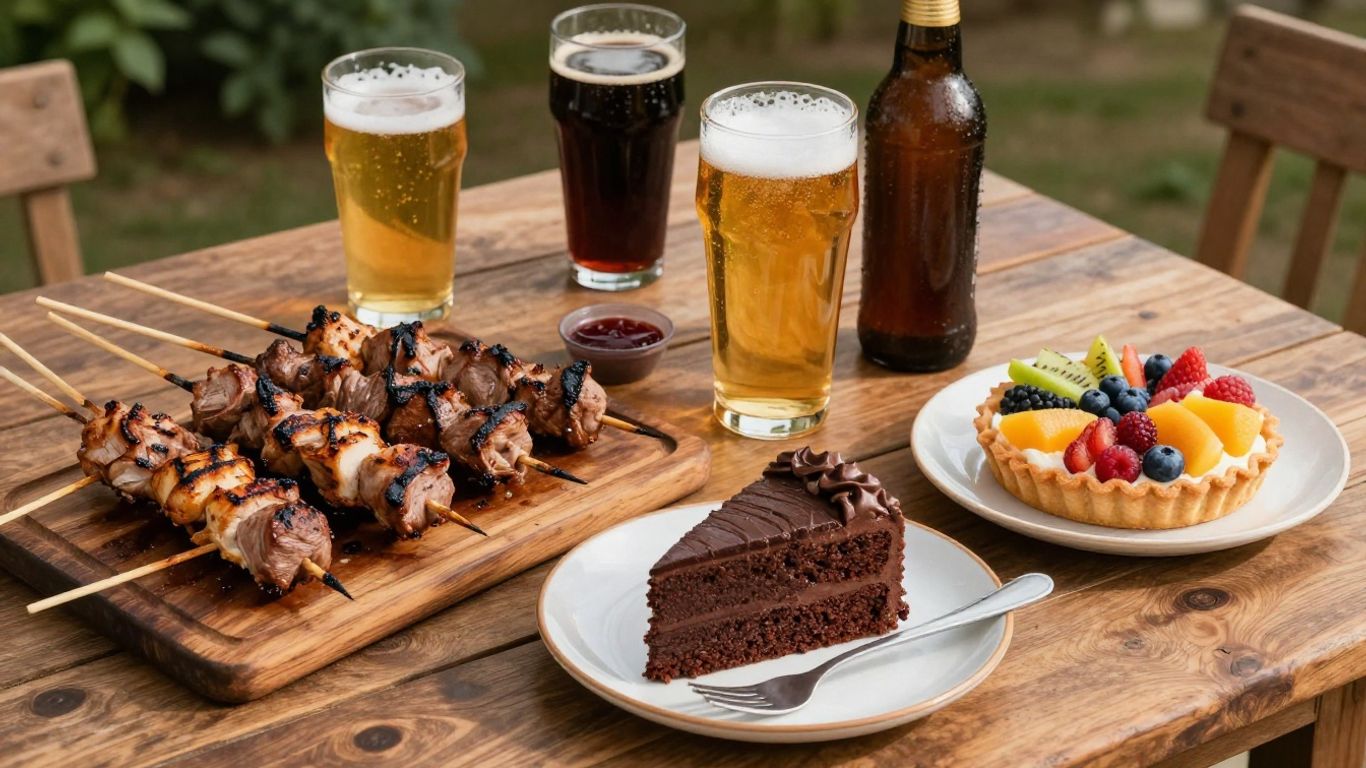
There’s this moment at a cookout—right as everyone’s plates are almost empty and the air smells like cooling coals—when dessert finally comes out. Pairing sweet treats with the right beer isn’t just a bonus, it’s how you finish strong. Let’s talk real combos that might just outshine the rest of your BBQ menu.
Banana Pudding With Peanut Butter Stout
If you haven’t tried rich banana pudding and stout together, you’re seriously missing out. The peanut butter stout’s chocolate and roasted notes match the pudding’s vanilla and banana, so every bite gets a little upgrade. The creamy dessert meets the depth of the dark beer, with the peanut butter flavor bridging everything perfectly.
- The dark malts echo the sweetness of ripe bananas.
- Stout’s hint of saltiness balances all that heavy cream.
- Both peanut butter and banana were made to go together—beer just drags it all into grown-up territory.
If you want to win people over after dinner—just hand them a cup of this pudding with a pour of chilled stout.
Peach Cobbler And Malt-Forward Ales
Peach cobbler is already a crowd-pleaser, especially if there’s a bit of cinnamon on top. But it can get even better. A malty beer like a nut brown ale or a doppelbock highlights the crust and caramelized peaches, with each sip bringing out hidden spices and richness. There’s just enough body in these beers to avoid getting lost under all the fruit.
| Dessert | Beer Style | Why It Works |
|---|---|---|
| Peach Cobbler | Brown Ale | Toasted malt, caramel notes |
| Peach Cobbler | Doppelbock | Deep, bread-like finishes |
Tips:
- Look for ales with a touch of spice or toasty flavor.
- Let the beer warm briefly to bring out its sweetness.
- Add a pinch of nutmeg to your cobbler for extra pairing magic.
Echoing Flavors For A Decadent Finish
Sometimes the smartest move is doubling down on flavor. Instead of clashing, choose beers that echo the main notes in your dessert:
- Serve coffee porter with chocolate cake for a smooth, mocha-like combo.
- Match berry pies with fruity lambics or wild ales for a one-two punch of tart and sweet.
- Pair caramel or butterscotch desserts with scotch ales—total crowd-pleaser.
Finishing a BBQ with the right beer and sweet is like taking a victory lap. Don’t rush it—pick something that lets folks linger just a little longer.
Classic Combinations For Your Cookout
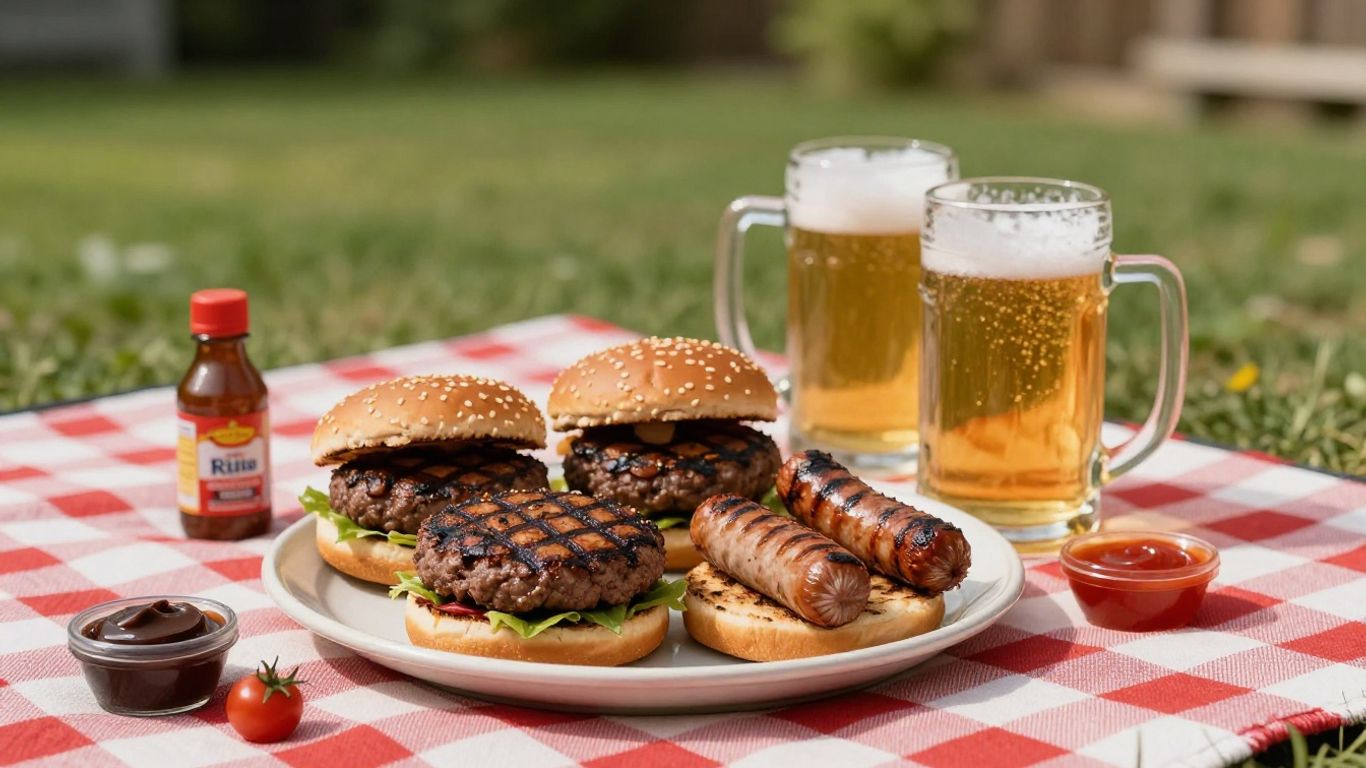
Sometimes, you just want to stick with what works, right? We all have those go-to dishes when we fire up the grill, and thankfully, there are some beer pairings that just make sense. These aren’t fancy, experimental pairings; they’re the solid, dependable combinations that have stood the test of time and countless cookouts. They’re the kind of pairings that make you nod and say, ‘Yep, that’s right.’
Smoked Wings and Clean Lagers
Smoked chicken wings, with their crispy skin and smoky flavor, are a backyard BBQ staple. They can be a little rich, a little greasy, and often coated in a tangy sauce. What you need is a beer that can cut through all that without getting lost. That’s where a clean, crisp lager comes in. Think of it like a palate reset button. The lager’s light body and refreshing carbonation slice through the richness of the wings, cleansing your mouth and making you ready for the next bite. It doesn’t try to compete with the wing’s flavor; it just makes everything taste better.
- Lager’s Role: Refreshment and palate cleansing.
- Flavor Profile: Crisp, clean, light-bodied.
- Why it Works: Its carbonation cuts through fat and richness, while its subtle malt notes don’t overpower the wings.
Burgers and Beer Cheese
Okay, this one is a bit of a cheat, but hear me out. A classic grilled burger is practically begging for a beer-infused companion. While you could pair a burger with a wide range of beers, the idea of a beer cheese sauce or dip alongside it just feels right. Imagine a juicy burger, maybe topped with some caramelized onions, and then a side of warm, gooey beer cheese. The beer in the cheese sauce echoes the beer you’re drinking, creating a harmonious flavor experience. A medium-bodied amber ale or a robust porter works wonderfully here, as their malty sweetness complements the savory burger and the cheesy goodness.
The magic happens when the beer in the sauce and the beer in your glass have a conversation. It’s like they’re old friends, making the whole meal feel more connected and satisfying.
Sausage and Amber Ales
Grilled sausages, whether they’re brats, Italian, or something more exotic, have a robust flavor that pairs beautifully with the caramel and toasted malt notes found in amber ales. These beers have enough body and flavor to stand up to the savory, often spiced, sausage without being too heavy. The malt sweetness in the amber ale can complement any char on the sausage, while its moderate hop bitterness provides a nice counterpoint to the meat’s richness. It’s a pairing that feels hearty and satisfying, perfect for a relaxed afternoon cookout.
Regional Flavors And Their Perfect Beer Companions
You know, BBQ isn’t just one thing. It changes a whole lot depending on where you are in the country. Texas is all about that beef brisket, right? Then you head over to Tennessee, and it’s all about the ribs, usually with a sauce that’s a bit on the sweeter side. South Carolina does its own thing with whole hog and a vinegar-based sauce that’s got a real tang to it. It’s pretty wild how much the flavors can shift.
But no matter the style, beer just seems to fit. It’s like they were made for each other. The smokiness of the meat, the spices in the sauce, and the hops and malt in a beer – they just work together in a way that makes everything taste better. It’s that refreshing quality, you know?
Texas Beef Brisket And Bold IPAs
When you’re talking about a thick, smoky Texas brisket, you need a beer that can stand up to it. That’s where a bold IPA comes in. The hops in an IPA have this bitterness that cuts through the richness of the beef. It’s not just about overpowering the meat; it’s about making each bite of brisket pop. The malt in the beer also adds a nice sweetness that plays well with the smoky char.
- Brisket Prep: Look for slow-smoked, tender brisket.
- Sauce Style: Often served with minimal sauce, or a simple tomato-based one.
- Beer Profile: Needs a strong hop presence and a good malt backbone.
South Carolina Pork And Tangy Pairings
South Carolina BBQ is famous for its whole hog and a vinegar-based sauce. This sauce is thin, tangy, and has a real kick. For this, you want a beer that can handle that acidity without getting lost. A crisp lager or even a pale ale works well here. The carbonation in these beers helps cleanse your palate from the tanginess, and their lighter profiles don’t compete with the pork.
The key here is to find a beer that complements the vinegar’s bite without being overwhelmed. Think refreshing and clean.
Tennessee Ribs And Sweet Sauces
Tennessee ribs, often coated in a sticky, sweet sauce, call for a beer that can echo those sweet and savory notes. A brown ale is a fantastic choice. Its caramel and nutty flavors match the sweetness of the sauce, and the maltiness provides a nice contrast to the smoky ribs. It’s a comforting combination that feels just right.
- Rib Style: Typically pork ribs, slow-cooked and glazed.
- Sauce Notes: Sweet, often with molasses or brown sugar.
- Beer Match: Malt-forward beers with caramel or nutty undertones.
Discovering New Pairings With A Beer Club
So, you’ve got the grill fired up, the coals are glowing, and you’ve got a killer recipe for ribs. But what about the beer? Sometimes, staring at the wall of options at the store can be a bit much, right? That’s where a beer club really shines. It’s like having a buddy who knows all the best brews and just sends them straight to your door.
Convenience Of Home Delivery
Honestly, the best part is not having to make a special trip. You get a box of carefully picked craft beers delivered right to your house. This means you’re always ready for that impromptu BBQ or just a chill evening. No more last-minute runs to the store hoping they have something decent left.
Exploring Unique Craft Beers
These clubs are fantastic for trying stuff you’d probably never pick out yourself. They often feature beers from smaller breweries you might not even know exist. Think about it: you could be sipping on a fantastic local craft beer that perfectly complements your smoked brisket, all without leaving your backyard. It’s a great way to expand your beer horizons beyond the usual suspects.
Curated Selections For Every Palate
What’s cool is that most clubs let you customize a bit. You can tell them if you prefer IPAs, stouts, lagers, or if you’re feeling adventurous and want a mix. They’ll send you a selection tailored to what you like, or sometimes, a surprise mix to challenge your taste buds. It takes the guesswork out of finding that perfect beer for your next cookout. You might even discover a new favorite style that becomes your go-to for burgers or grilled chicken.
The beauty of a beer club is that it simplifies the discovery process. Instead of feeling overwhelmed by choices, you receive a thoughtful selection that introduces you to new flavors and breweries. This curated approach makes it easier to find beers that genuinely match your BBQ dishes, turning a simple meal into a more enjoyable experience.
Keep the Grill Hot and the Beer Cold
So, we’ve gone over a few ideas for pairing your BBQ with the right beer. It’s not really about following strict rules, though. The main thing is to have fun with it. Whether you’re smoking ribs or just grilling up some burgers, finding a beer that tastes good with your food and makes you happy is the real goal. Don’t overthink it too much. Grab a cold one, enjoy the smoky flavors, and spend some good time with your people. That’s what cookouts are all about, right?
Frequently Asked Questions
What’s the main idea when pairing beer with BBQ?
The main idea is to find a beer that makes your BBQ taste even better! Think about matching the flavors. If your BBQ is rich and smoky, a beer with a bit of boldness can work well. If it’s lighter, a lighter beer is usually a good choice. It’s all about making both the food and the drink shine.
What kind of beer goes well with smoky ribs or brisket?
For those rich, smoky meats like ribs and brisket, a brown ale is a fantastic pick. Its nutty taste and malty sweetness really bring out the best in the smoky flavors of the meat. It’s like they were made for each other!
I’m grilling chicken or turkey. What beer should I have?
Grilled chicken or turkey can be a bit milder, so a hazy IPA is a great match. These beers often have fruity and citrusy notes that add a bright, refreshing twist to the poultry without overpowering it.
What if my BBQ is really spicy?
When you’ve got spicy BBQ wings or anything with a kick, a hoppy beer like an IPA is your best friend. The bitterness in the hops helps to cool down the heat from the spice, and it also makes the savory flavors of the BBQ pop even more.
What about lighter BBQ options like veggies or fish?
For lighter fare, like grilled vegetables, fish, or even a cheese board, lighter beers are ideal. Think about wheat beers, which are often crisp and refreshing, or saisons, which can be light and playful. They won’t weigh down the delicate flavors.
Can I pair beer with BBQ desserts?
Absolutely! For something sweet like peach cobbler, a malt-forward ale with caramel notes can echo the flavors of the crust. A rich stout, especially one with flavors like peanut butter, can be surprisingly good with desserts like banana pudding.
What are some simple, classic BBQ and beer pairings?
Some easy wins include a clean lager with smoked wings – the crispness cuts through the smoke. Burgers often go great with amber ales or even a beer cheese sauce made with a lager. And sausages can be fantastic with amber ales too, as the caramel notes complement the spices.
How can I discover new beer and BBQ pairings?
Trying new things is part of the fun! You can explore by looking at different regional BBQ styles and their traditional beer pairings. Another cool way is to join a craft beer club. They send you a variety of unique beers right to your door, making it easy to experiment and find your next favorite combo.