
Barbecue. It’s more than just cooking food over fire, right? It’s that smell wafting through the neighborhood, the sound of laughter, the clinking of plates. For so many of us, BBQ family traditions are woven into the fabric of our lives, marking holidays, birthdays, or just a lazy Sunday afternoon. It’s a way to connect, to share stories, and to pass down something special from one generation to the next. Let’s talk about how these gatherings around the grill become lasting memories.
Key Takeaways
- BBQ family traditions go way back, starting with our earliest ancestors cooking over fire for survival and evolving into a way to bring people together.
- From colonial times to today, barbecue has been a big part of American culture, used for celebrations, gatherings, and connecting communities.
- Passing down recipes and creating special backyard events are ways families build their own unique BBQ legacy.
- Barbecue isn’t just an American thing; different cultures around the world have their own ways of grilling, showing how food connects us all.
- More than just the food, the whole experience of BBQ – the smells, the sounds, the shared effort – strengthens bonds between people and across generations.
The Enduring Appeal Of Barbecue Family Traditions
A Timeless Gathering Around the Fire
There’s something primal and deeply satisfying about gathering around an open flame, isn’t there? Long before fancy grills and gas burners, our ancestors huddled around fires for warmth, safety, and, of course, food. This ancient practice of cooking over fire has evolved into what we now call barbecue, and it’s become a cornerstone of human connection. It’s more than just a way to cook meat; it’s a ritual that brings people together, sharing stories and creating memories. This tradition, passed down through generations, continues to be a powerful force in uniting families and communities.
From Survival to Social Cornerstone
Think about it: cooking meat over fire started as a necessity for survival. But over centuries, it transformed. It became a way to celebrate, to mark important occasions, and simply to enjoy each other’s company. In America, barbecue really took off as a social event by the mid-1800s. It wasn’t just about eating anymore; it was about community. People would gather for all sorts of reasons – picnics, parties, even political events. It offered a common ground, a reason to step away from daily life and connect. This shift from basic survival to a social cornerstone shows just how deeply ingrained barbecue is in our shared human experience. It’s a practice that feeds us, both literally and figuratively.
Barbecue’s Deep Roots in American Culture
Barbecue’s connection to American culture runs surprisingly deep, stretching back to the country’s very beginnings. Even George Washington himself was known to attend and host barbecues, showing it was a significant social activity even in colonial times. Later, during times of celebration and even hardship, like post-war periods, the backyard cookout became a symbol of unity and simple pleasure. It’s a tradition that has seen us through different eras, adapting but always retaining its core purpose: bringing people together. From small family get-togethers to larger community events, the smell of barbecue smoke still signals a time for connection and shared enjoyment. It’s a practice that has truly become part of the American fabric, a way to celebrate life’s simple pleasures.
- Early American Gatherings: Documented events show barbecues were popular social functions.
- Post-War Unity: Became a symbol of normalcy and community after conflicts.
- Modern Traditions: Continues to be a central part of family reunions and neighborhood events.
The act of cooking over an open fire, a practice as old as humanity, has evolved from a basic survival need into a rich cultural tradition. It’s a practice that transcends time and place, offering a universal language of connection and shared experience that continues to draw people together, generation after generation.
Crafting Your Own Barbecue Legacy
So, you’ve been bitten by the barbecue bug, huh? Maybe you’ve attended a few family reunions or neighborhood block parties and thought, ‘I want to do that.’ It’s more than just throwing some meat on a grill; it’s about building something that lasts, something your own family can look forward to year after year. It’s about creating those moments that stick with you, the ones you tell stories about later.
Passing Down Secret Family Recipes
Every family seems to have that recipe, right? The one for the sauce, the rub, or maybe even a specific way of prepping the meat that just makes everything taste better. These aren’t just ingredients; they’re little pieces of history. Think about your grandparents or even great-grandparents. What did they cook? How did they do it? Trying to recreate those flavors can be a real adventure. It’s not always about perfection; sometimes, it’s about the effort and the memories it brings back.
- Start with what you know: What dishes are already favorites in your family? Maybe it’s your mom’s potato salad or your uncle’s ribs.
- Document everything: Write down those recipes, even the ones that seem simple. Note down the measurements, the steps, and any little tricks you remember.
- Experiment and adapt: Don’t be afraid to tweak things. Maybe add a new spice or try a different cooking time. The goal is to make it your own while honoring the original.
Creating Memorable Backyard Celebrations
Barbecues are perfect for making everyday moments feel special. It doesn’t have to be a huge holiday. A random Saturday afternoon can become an event with the right setup. Think about the atmosphere: music playing, kids running around, and that unmistakable smell of smoke and grilling food filling the air. It’s about creating a space where everyone feels welcome and relaxed.
The simple act of gathering around a fire, sharing food, and enjoying each other’s company is a powerful way to build connections. It’s a tradition that spans generations and cultures, reminding us of our shared humanity.
The Joy of Shared Cooking Experiences
Barbecue isn’t usually a one-person show. It’s a team effort, and that’s part of the fun. One person might be tending the grill, another chopping veggies for sides, someone else setting up the drinks. It’s a chance for everyone to pitch in and feel like they’re contributing. Even the little ones can help with simple tasks, learning along the way. This shared activity builds a sense of teamwork and makes the final meal taste even better because everyone had a hand in it.
Here’s a quick rundown of how to get everyone involved:
- Assign roles: Give different family members specific tasks based on their age and interest.
- Make it interactive: Let people choose their own toppings or customize their plates.
- Celebrate the outcome: Take a moment to appreciate the food and the effort everyone put in before digging in.
The Evolution of Barbecue Traditions
From Prehistoric Fires to Modern Grills
Cooking over fire wasn’t always about a backyard party. Way back, like, millions of years ago, humans figured out that fire could cook meat. It was a survival thing, plain and simple. This basic act of cooking food over flames is where it all started. Over time, though, it changed from just staying alive to something more social. Think about it: gathering around a fire for warmth, safety, and to share a meal. It’s pretty much built into us.
Barbecue’s Role in American Social Life
By the mid-1800s, barbecue was more than just a way to cook. It became a big deal in American social life. People used it as a reason to get together, celebrate, and just connect. Even back in colonial times, folks were having barbecues. George Washington himself wrote about going to one. It wasn’t long before barbecues became a go-to for holidays, especially the Fourth of July. It was a way to celebrate independence and, you know, just be together.
The Influence of Media on Grilling Culture
It’s interesting how media has shaped what we think of as barbecue today. We see it on TV, in magazines, and all over the internet. This exposure has really spread different styles and techniques. It’s not just about one way of doing things anymore. You see all sorts of regional specialties and international influences popping up. This constant stream of information makes it easy to try new things and share your own grilling adventures. It’s a big part of why barbecue is still so popular and keeps changing.
Barbecue has a long history, starting as a basic survival need and evolving into a complex social ritual. It’s a tradition that spans cultures and generations, constantly adapting while holding onto its core purpose: bringing people together over food cooked with fire.
Global Flavors, Universal Connections
Diverse Grilling Techniques Worldwide
Barbecue isn’t just an American thing, not by a long shot. Think about it – cooking over fire is practically as old as humanity itself. Different cultures have taken this basic idea and run with it, creating their own unique styles. It’s pretty amazing how many ways there are to grill meat and veggies.
Here are just a few examples:
- Jamaica: Jerk chicken is famous for its spicy, smoky flavor, often cooked over pimento wood. It’s a technique born out of necessity and history.
- Korea: Korean barbecue is usually done indoors on tabletop grills. The thin slices of marinated meat, often beef or pork, are cooked quickly and dipped in savory sauces.
- Argentina: The ‘asado’ is a big deal here, a weekend social event centered around grilling large cuts of beef over an open fire. It’s a whole tradition.
- Middle East: Think of Bedouin ‘zarb,’ where meat is cooked in a pit dug into the desert sand, covered with hot coals. It’s a clever way to use the environment.
Barbecue’s Role in American Social Life
It’s fascinating how barbecue, no matter where you are, seems to bring people together. It’s more than just food; it’s a way to connect. Whether it’s a huge festival or just a backyard get-together, people share stories and keep traditions alive. This shared experience is something that crosses all sorts of lines – age, background, you name it. You’ll see young folks working alongside experienced pitmasters, all focused on the same goal: good food and good company.
Barbecue acts as a great equalizer. The spirit of it doesn’t care about your age, gender, race, or religion. It’s a common ground where everyone can feel welcome and enjoy the moment.
Embracing Everyone at the Cookout
What’s really cool about barbecue is how it can tell a story. The marinades, the cooking methods, even the drinks people enjoy – they all reflect unique histories and cultures. Sometimes these stories are about spirituality, like in the Peruvian Andes where cooking meat in an earthen oven is a ceremonial offering. Other times, they’re about resilience, like in Korean barbecue, where tough cuts of meat were made delicious through marination and bold flavors. Even the side dishes often hold a special place, carrying their own history and requiring extra hands to prepare, making barbecue a true community effort. Sharing food is a way of knowing someone, and barbecue is definitely a labor of love.
| Region/Culture | Common Technique | Key Ingredients/Flavors |
|---|---|---|
| Jamaica | Jerk | Pimento wood, scotch bonnet peppers, allspice |
| Korea | Indoor tabletop grill | Soy sauce, garlic, ginger, sesame oil |
| Argentina | Asado (open fire) | Large cuts of beef, salt |
| Peru | Pachamanca (earthen oven) | Meat, tubers, herbs, hot stones |
| Middle East (Bedouin) | Zarb (pit cooking) | Lamb, goat, desert sand, coals |
Building Bonds Through Barbecue
Barbecue as a Great Equalizer
Barbecue has this amazing way of bringing everyone to the same level, no matter who they are. Think about it – when you’re gathered around the grill, the fancy titles and the everyday worries seem to fade away. It’s just people, good food, and the shared experience of cooking and eating together. This simple act breaks down barriers and lets genuine connections form. It’s a space where everyone feels welcome and valued.
Nourishing Bodies and Souls
Beyond the delicious food, barbecue feeds something deeper. It’s about the effort, the time spent, and the care put into preparing a meal for loved ones. This act of service, of providing sustenance and comfort, nourishes the soul just as much as the food nourishes the body. It’s a tangible expression of love and belonging.
Strengthening Generational Ties
Barbecue traditions are fantastic for passing down knowledge and stories from one generation to the next. Whether it’s a secret rub recipe or a specific way of tending the fire, these skills and memories become part of the family’s shared history. It creates a sense of continuity and connection to those who came before.
- Passing Down Techniques: Grandparents teaching grandkids how to flip burgers just right.
- Sharing Stories: Old family anecdotes surfacing as the smoke drifts by.
- Creating New Memories: Kids helping set the table or gather ingredients, making their own contributions.
The simple act of gathering around a fire to cook and share a meal has been a human ritual for ages. It’s a primal connection that transcends modern complexities, reminding us of our shared humanity and the importance of community. This shared experience, built on the foundation of good food and good company, is what truly strengthens the bonds between us.
The Heart of the American Cookout
Patriotic Celebrations and Backyard Fun
When you think about the Fourth of July or Labor Day, what comes to mind? For a lot of us, it’s the smell of charcoal and the sound of sizzling burgers. Barbecuing has become a real American tradition, almost a patriotic custom. It’s more than just cooking food outdoors; it’s tied into the very story of how this country got started. Back during the Revolutionary War, militia groups even organized barbecues. While the very first Independence Day celebration didn’t have a cookout, it didn’t take long for barbecuing to become a holiday staple. It’s a way we mark our national holidays, gathering with friends and family, enjoying good food and good company. It’s that simple, really.
The Iconic Weber Grill’s Rise
It’s hard to talk about American cookouts without mentioning the Weber grill. This thing really changed the game for backyard chefs. Before Weber, grills were often just open pits or simple metal boxes. But in the 1950s, George Stephen Jr., a welder at Weber Brothers Metal Works, had this idea. He took a buoy, cut it in half, and added legs and a lid. The result? A kettle-shaped grill that controlled heat and smoke much better. This design made it easier for regular folks to achieve great results, whether they were grilling burgers or trying out more involved grilled recipes. Suddenly, everyone could be a backyard hero. The Weber kettle became a symbol of the suburban dream, a fixture in countless backyards across the country.
From War Efforts to Suburban Gatherings
Barbecue’s journey in America is pretty interesting. It wasn’t always about leisurely weekend cookouts. During tough times, like wars, barbecues played a role in bringing people together. Even after the Civil War, when the country was divided, veterans from both sides would meet at barbecues for peaceful reunions. Fast forward a bit, and the post-war era saw a boom in suburban living. Suddenly, having a backyard and a grill became the norm. Marketing campaigns and popular TV shows started pushing this image of the perfect family barbecue. It was presented as wholesome fun, a way for everyone, no matter their background, to relax and connect. This shift turned a historical cooking method into a beloved social cornerstone.
The act of cooking over fire has evolved from a basic survival need into a powerful social ritual. It’s a way to connect, share stories, and pass down traditions, binding generations together around a shared meal and the warmth of the flames.
Barbecue’s Rich Historical Tapestry
Indigenous American Foundations
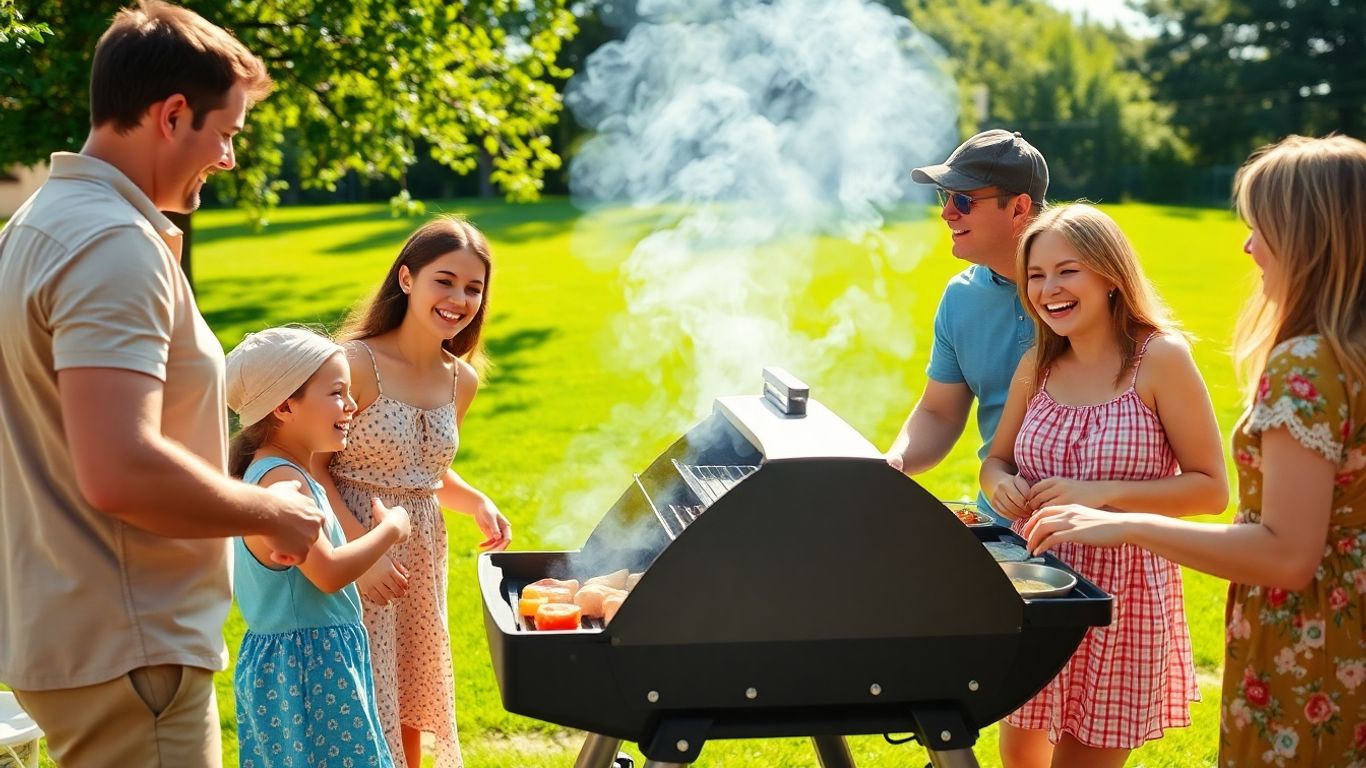
Long before anyone heard the word ‘barbecue,’ Indigenous peoples in the Americas were cooking food over fire. The Taino people of the Caribbean, for instance, used a wooden structure called a ‘barbacoa’ over a fire. This wasn’t just about cooking; it was a way to preserve and flavor food with smoke. This ancient method really set the stage for what barbecue would become.
The Role of Enslaved Africans
When we talk about barbecue in America, we absolutely have to talk about the massive role enslaved Africans played. They brought their own cooking traditions and techniques, and they were the ones doing the incredibly hard work of tending fires for hours on end. This wasn’t just cooking; it was a skill passed down, shaping the very flavors and methods we associate with Southern barbecue today. Their contributions are a huge part of barbecue’s story.
Barbecue in Times of Conflict and Reunion
Barbecue hasn’t just been about good times. It’s also been a way for people to come together, even after tough times. During the Civil War, for example, barbecues were held to help veterans from both sides reunite and find common ground after the fighting stopped. It shows how food, and especially communal cooking like barbecue, can be a powerful force for healing and bringing people back together.
More Than Just Meat: The Full Barbecue Experience
The Sensory Delights of Cooking Over Fire
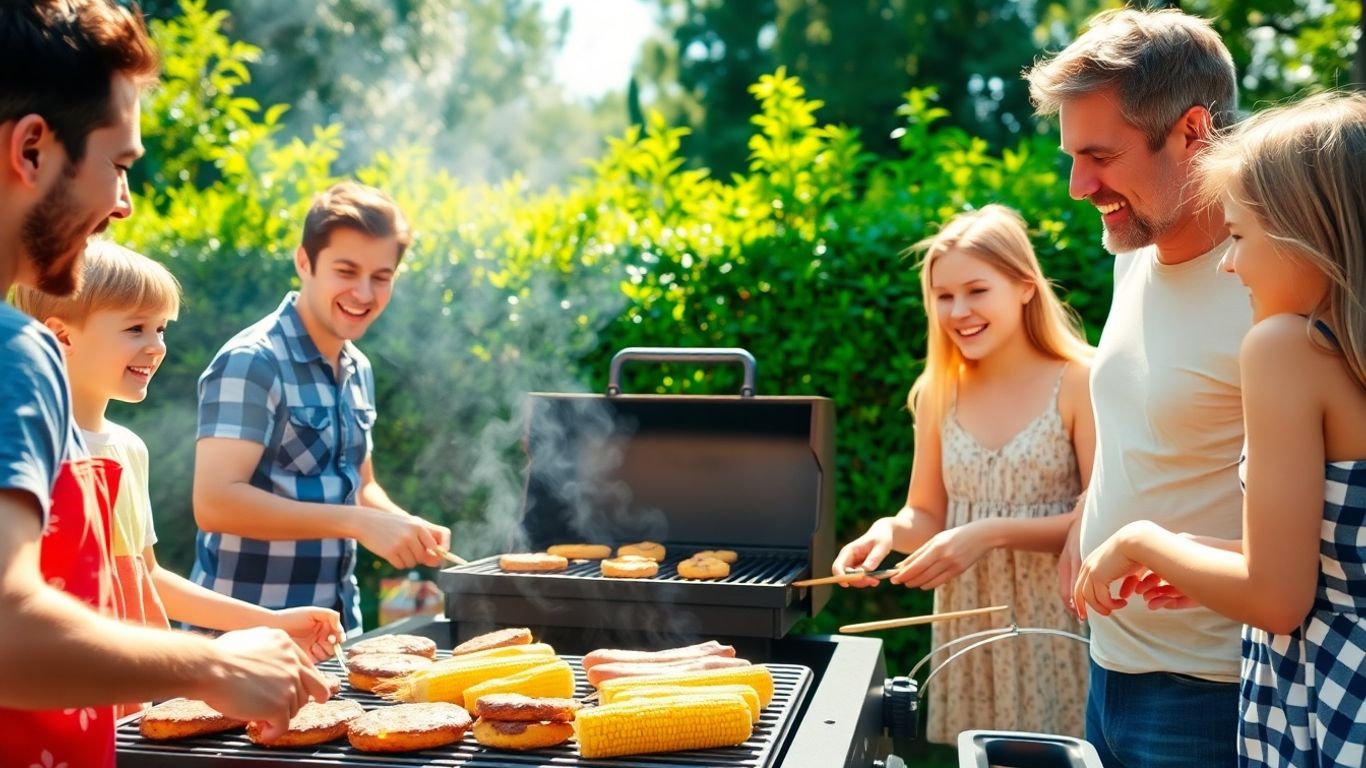
Barbecue is a full-on assault on the senses, isn’t it? It starts with that unmistakable smell – the smoky, savory aroma that drifts through the neighborhood and just pulls everyone in. Then there’s the sound: the sizzle of meat hitting the hot grates, the crackle of the coals, the happy chatter of people gathering. Visually, you’ve got the beautiful char marks developing on the food, the glowing embers, the vibrant colors of the sides laid out. And of course, the taste. That deep, smoky flavor, the tender texture of slow-cooked meat, the tang of a good sauce – it’s all part of the magic. It’s not just about feeding yourself; it’s about creating an atmosphere, a whole experience that engages everyone.
The Importance of Side Dishes
Let’s be honest, the sides at a barbecue are often just as important as the main event. They’re not just afterthoughts; they’re part of the tradition, the comfort, the whole meal. Think about it: a perfectly cooked brisket or a rack of ribs is amazing, but it’s the creamy potato salad, the tangy baked beans, the sweet corn on the cob, or even just some crusty bread to sop up the juices that really round out the plate. These dishes often carry their own family histories and secrets, passed down through generations. They require just as much love and attention as the meat itself.
Here are some classic barbecue side dishes:
- Creamy Coleslaw
- Macaroni and Cheese
- Cornbread
- Potato Salad (mayo-based or mustard-based)
- Baked Beans
- Grilled Corn on the Cob
Barbecue as a Community Effort
Barbecue has always been about more than just one person manning the grill. It’s a communal activity, a shared labor of love. From the prep work – chopping veggies, mixing sauces, marinating meats – to the actual cooking and serving, it often takes a village. This shared effort builds connections. When everyone pitches in, whether it’s Uncle Joe tending the fire or your cousin Sarah bringing her famous deviled eggs, it reinforces the idea that this gathering is for everyone, by everyone. It’s a way to show you care, to contribute to the collective enjoyment.
The act of sharing food prepared with care is a powerful way to build and maintain relationships. It’s a tangible expression of hospitality and connection, turning a simple meal into a memorable event that strengthens the bonds between people.
Celebrating Community Through Barbecue Festivals
Iconic Competitions and Regional Flavors
Barbecue festivals are more than just a place to grab a bite; they’re vibrant celebrations of culture, competition, and connection. Think of the "Super Bowl of Swine," the Memphis in May World Championship Barbecue Cooking Contest. It draws pitmasters from all over, all vying for bragging rights and some serious cash. Then there’s the American Royal World Series of Barbecue in Kansas City, a massive event that honors that city’s famous smoky, saucy style. These big events get a lot of attention, but don’t forget the smaller ones. The Lexington Barbecue Festival in North Carolina, for example, is all about that region’s special pork shoulder with a tangy vinegar sauce, pulling in huge crowds every fall. It really shows how barbecue is a big part of American identity.
Festivals Fueling Friendly Competition
These festivals are a fantastic way to see different regional styles up close. You get to taste everything from North Carolina’s vinegar-based sauces to Kansas City’s sweet and thick ones, and even Kentucky’s unique mutton barbecue paired with bourbon. It’s a friendly rivalry, sure, but it’s also about sharing what makes each region’s barbecue special. It’s a chance to learn about different cooking methods and the history behind them.
Barbecue’s Power to Unite Like-Minded Folks
In a world that often feels like it’s moving too fast, these festivals offer a pause. They bring people together around a shared love for good food cooked over fire. It doesn’t matter where you come from or what you do; at a barbecue festival, everyone’s welcome. It’s a reminder that simple things, like gathering to eat, can build strong bonds.
Here’s a look at some popular festivals:
- Memphis in May World Championship Barbecue Cooking Contest: Famous for pork ribs and pulled pork.
- American Royal World Series of Barbecue (Kansas City): Known for its wide variety of meats and sauces.
- Lexington Barbecue Festival (North Carolina): Celebrates Eastern-style pork shoulder.
- BBQ & Barrels (Owensboro, Kentucky): Features mutton barbecue and local bourbon.
- Jack Daniel’s World Championship Invitational Barbecue (Lynchburg, Tennessee): An exclusive event showcasing top teams.
The Future of Barbecue Family Traditions
Enduring Communal Gatherings
Even as life speeds up and our screens get brighter, the pull of gathering around a fire for a good meal isn’t going anywhere. Think about it – people have been doing this for ages, long before fancy gadgets or social media. It’s just in our nature to connect over food. This tradition of communal cooking and eating, especially barbecue, is likely to stick around because it taps into something really basic: our need to be together. It’s not just about the food, though that’s a big part of it. It’s about the shared effort, the stories told while waiting for the coals to get just right, and the simple joy of breaking bread, or in this case, ribs, together. It’s a way to slow down and really be present with the people who matter most.
Adapting Traditions for Modern Life
Of course, traditions don’t stay frozen in time. They change and grow, just like we do. For barbecue, this means finding new ways to keep the spirit alive. Maybe it’s a smaller, more intimate gathering on a weeknight instead of a huge weekend blowout. Or perhaps it’s trying out new recipes and techniques, blending old-school methods with modern flavors. We might see more people using pellet grills or experimenting with different wood chips to get unique tastes. The key is to keep the core elements – good food, good company, and a relaxed atmosphere – while making it fit into our busy schedules. It’s about making it work for your family, whatever that looks like.
- Tech Integration: Using smart grills that connect to your phone for temperature control.
- Dietary Inclusivity: Offering more plant-based options alongside traditional meats.
- Hybrid Events: Combining in-person gatherings with virtual elements for distant relatives.
- Skill Sharing: Online tutorials or local workshops to pass down grilling knowledge.
The Lasting Spirit of Shared Meals
Ultimately, what makes barbecue traditions so strong is their ability to bring people together. It’s a great equalizer, where everyone can pitch in and feel a part of something. Whether it’s a big family reunion or just a casual get-together with friends, the act of sharing a meal cooked over fire creates bonds that last. It’s a way to pass down not just recipes, but also memories and a sense of belonging. As we look ahead, this spirit of connection through shared food will continue to be the heart of our cookouts, adapting and evolving but always staying true to its roots. It’s a reminder that some things, like good food and good company, are timeless. It’s a practice that’s been around for ages, and it’s not going anywhere soon, especially with events like homegating becoming more popular.
The future of barbecue traditions isn’t about clinging to the past, but about carrying its essence forward. It’s about finding new rhythms and flavors that speak to our current lives while honoring the fundamental human need for connection and shared experience around the hearth, or in this case, the grill.
More Than Just a Meal
So, as the smoke clears and the last of the burgers are devoured, remember that firing up the grill is about so much more than just cooking. It’s about those shared moments, the stories told over sizzling coals, and the simple joy of bringing people together. Whether it’s a holiday cookout or a spontaneous Saturday afternoon gathering, these traditions around the barbecue are what really build lasting memories and strengthen family bonds. Keep that grill hot and those connections even hotter!
Frequently Asked Questions
What exactly is barbecue?
Barbecue is a way of cooking food, usually meat, over a fire or smoke for a long time at a low temperature. It’s not just about the cooking itself, but also about the gatherings and traditions that come with it, like family get-togethers and community celebrations.
Where did barbecue start?
Cooking food over fire is something humans have done for a very, very long time, even before recorded history! The word ‘barbecue’ actually comes from an old word, ‘barbacoa,’ used by Native Americans in the Caribbean to describe a wooden frame used to cook meat over smoke.
How did barbecue become popular in America?
Barbecue has been a part of American culture for a long time, even back to George Washington’s days. It became a big deal in the South and then spread across the country, especially after wars when people wanted to come together and celebrate. TV shows and cookbooks also helped make it a common backyard activity.
Is grilling the same as barbecuing?
Not exactly! Grilling is usually cooking food quickly right over heat, like burgers or hot dogs. Barbecuing is more about cooking slowly at a lower heat, often with smoke, which makes tougher cuts of meat really tender, like ribs or pork shoulder.
Why are side dishes important in barbecue?
Side dishes are a huge part of the barbecue experience! They’re not just an afterthought; things like pickles, coleslaw, or cornbread are often loved just as much as the main meat. Making them often involves extra hands, making barbecue a real team effort.
Are there different kinds of barbecue around the world?
Yes, definitely! Every place has its own special way of barbecuing. Think of Japanese yakitori, South African braai, or Jamaican jerk. These different styles show off unique flavors and cooking methods from different cultures.
What makes barbecue a ‘great equalizer’?
Barbecue is special because it brings all sorts of people together. It doesn’t matter how old you are, where you come from, or what you believe. At a barbecue, everyone can share food, stories, and good times, making it a way to connect with others.
What’s the future of barbecue traditions?
Even though life is faster now, barbecue traditions are likely to stick around. People still love getting together for cookouts. We might find new ways to do things, but the main idea of sharing meals and making memories with loved ones over a grill will stay strong.