
So, you’re ready to fire up the grill for some tasty eats. Awesome! But before you get that grill going, let’s chat about making sure everyone stays safe. Grilling is fun, but it can get a little dicey if you’re not careful. We’ve put together some simple, straightforward bbq safety tips when cooking so you can focus on the food and the good times, not on any mishaps. Think of this as your quick rundown to avoid any unnecessary drama.
Key Takeaways
- Always set up your grill outdoors on a flat, stable spot, far from anything that can catch fire. Keep kids and pets at least three feet away.
- Regularly clean your grill to get rid of grease buildup. This helps prevent fires. Also, check propane hoses for leaks with soapy water before you start.
- When lighting a gas grill, always open the lid first. For charcoal, only use starter fluid made for charcoal, and never add more liquids to a fire that’s going out.
- Never leave a lit grill alone. Wear clothes that fit well, and have a fire extinguisher or baking soda nearby, just in case. Don’t use water on grease fires.
- After you’re done cooking, turn off the burners and gas supply. Let the grill cool down completely before you cover it or put it away.
Choosing A Safe Grilling Location
Alright, let’s talk about where you actually put this thing. It might seem obvious, but picking the right spot for your grill is super important for keeping everyone safe. You don’t want to start a whole situation before the burgers are even cooked.
Outdoor Use Only
First things first: grills are for outside. Period. Whether it’s a fancy gas model or a simple charcoal kettle, they all need fresh air. This isn’t just about comfort; it’s about safety. Grills produce carbon monoxide, and in an enclosed space like a garage, shed, or even a screened-in porch, that stuff can build up fast. It’s odorless and colorless, and it can make you and your family really sick, or worse. So, always, always, always fire up your grill in an open, well-ventilated outdoor area.
Maintain A Safe Distance
Think of your grill like a little campfire, but with more grease. It needs its space. You’ve got to keep it a good distance away from anything that can catch fire. We’re talking about your house, obviously, but also decks, fences, sheds, overhanging branches, and even those cute little patio umbrellas. A general rule of thumb is at least 10 feet, but more is always better. You don’t want a stray spark to turn your backyard bash into a five-alarm emergency.
Here’s a quick rundown:
- Your House/Shed: Keep it at least 10 feet away.
- Wooden Fences/Decks: Give them plenty of breathing room, at least 10 feet.
- Trees/Bushes: Watch out for low-hanging branches and keep a safe distance.
- Porch Railings/Furniture: These can be flammable, so keep the grill clear.
Ensure A Stable Surface
Nobody wants a wobbly grill. It’s just asking for trouble. You need to set your grill up on a flat, solid surface. Think concrete patios, brick pavers, or even a sturdy, level patch of dirt. Avoid setting it up on uneven ground, grass that’s too long (fire hazard!), or anything that looks like it might tip. A stable base means a stable grill, which means less chance of it falling over and spilling hot coals or grease.
A grill that’s not level can also lead to uneven cooking, which is just annoying. Plus, a tipped grill is a major safety hazard, so take a minute to make sure it’s sitting just right before you even think about lighting it up.
Essential Grill Maintenance For Safety
Keeping your grill in good shape isn’t just about making your food taste better; it’s a big part of making sure no one gets hurt. A well-maintained grill is a safer grill. Think of it like taking care of your car – regular check-ups prevent bigger problems down the road.
Regular Cleaning Prevents Fires
After you’re done cooking, take a few minutes to scrape down those grates. Food bits and grease can build up pretty quickly, and that’s exactly what causes those sudden, scary flare-ups. It doesn’t take long, and it makes a real difference. Also, don’t forget to empty the grease trap regularly. A full grease trap is a fire waiting to happen.
- Scrape food debris from grates after each use.
- Empty the grease trap weekly or as needed.
- Wipe down the exterior to remove spills.
Deep Cleaning For Optimal Safety
Once a year, or maybe twice if you grill a lot, it’s time for a more thorough cleaning. This means taking apart some of the grill to get to those hard-to-reach spots. You’ll want to clean the burners, the inside of the lid, and the drip pan. This gets rid of grease and gunk that regular cleaning can’t touch. It might seem like a lot of work, but it really cuts down on fire risks and helps your grill work better.
A clean grill means less chance of grease fires and a more even cooking temperature. It’s worth the effort to get into all the nooks and crannies.
Seasoning After Cleaning
After you’ve given your grill a good deep clean, especially the grates, it’s a good idea to season them. This usually involves applying a thin layer of cooking oil and heating the grill. Seasoning helps create a non-stick surface, which makes cooking easier and also protects the grates from rust. It’s a simple step that adds to the longevity and safety of your grill.
- Apply a light coat of cooking oil (like vegetable or canola oil) to the grates.
- Heat the grill to a medium-high temperature for about 15-20 minutes.
- Allow the grill to cool completely before your next use.
Understanding Propane Grill Safety
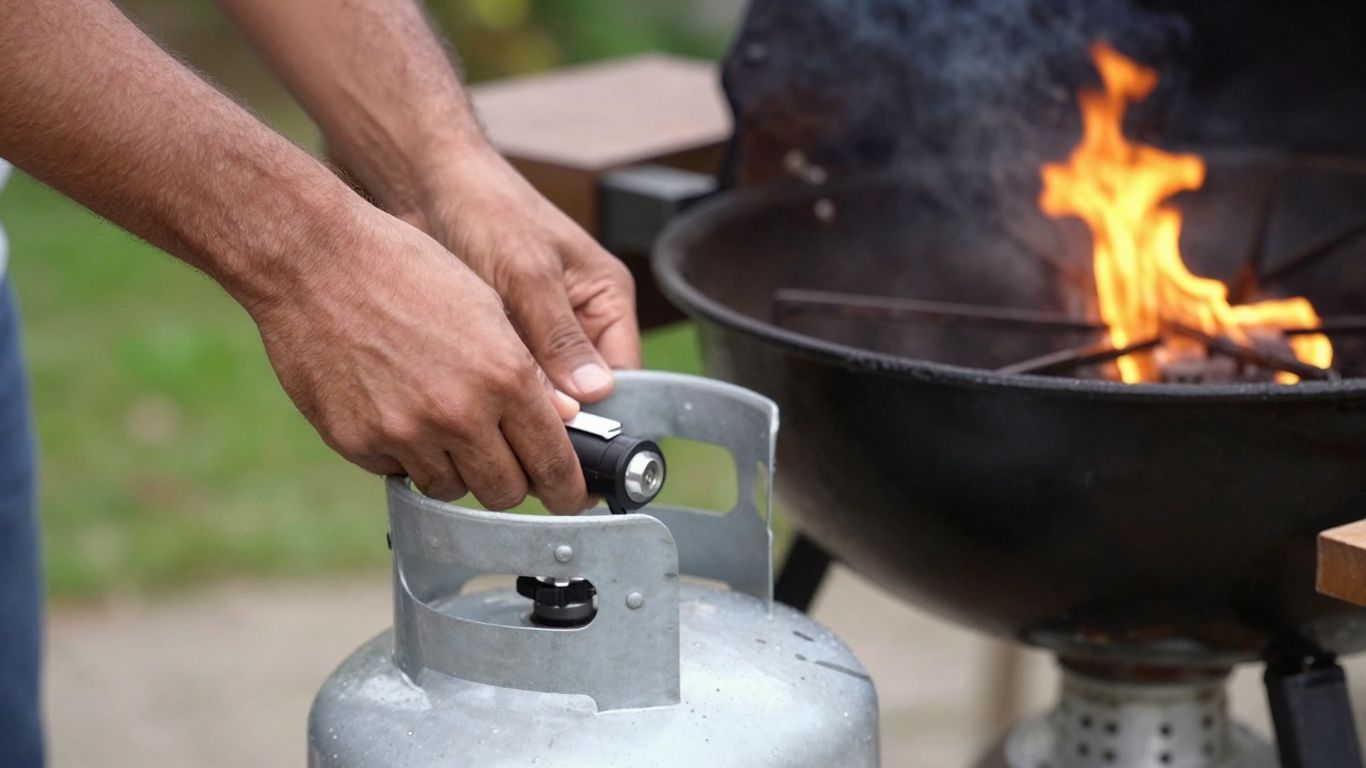
Propane grills are super popular for a reason – they heat up fast and give you good control. But, because they run on propane, a flammable gas, you’ve got to be smart about how you use and store them. It’s not super complicated, but paying attention to a few key things can stop accidents before they even start.
Checking For Gas Leaks
This is probably the most important step before you even think about firing up the grill. You don’t want any sneaky gas leaks causing trouble. Forget using matches or lighters to check; that’s a recipe for disaster. Instead, grab a spray bottle filled with a simple mix of soap and water. Connect your propane tank, turn on the gas valve, and then give the hose and connections a good spray. If you see any bubbles forming, that’s your sign there’s a leak. If you spot one, turn off the gas right away. If the leak stops, get your grill checked out by a pro before using it again. If it doesn’t stop, it’s time to call the fire department. Seriously, don’t mess around with gas leaks.
Proper Propane Tank Storage
Where you keep your propane tank when you’re not using it matters. Always store tanks upright, never on their side. They need a cool, well-ventilated spot – think outside, away from your house, sheds, or anything that could catch fire easily. Never, ever store propane tanks indoors or in enclosed spaces like garages or basements. Propane is heavier than air and can build up, creating a serious hazard. Also, make sure your tank has that triangular-shaped handwheel; that’s the overfill protection device (OPD) that all tanks need to be refilled.
Safe Lighting Procedures
Lighting a propane grill is pretty straightforward, but there are a couple of rules to follow. First off, always open the grill lid before you try to light it. This lets any gas that might have built up escape. Then, use the built-in igniter or a long lighter to get it going. Don’t lean directly over the grill when you’re lighting it. If the flame goes out while you’re cooking, turn off both the grill and the gas supply immediately. Wait at least five minutes for any gas to clear before you try to relight it. It might seem like a hassle, but these steps keep things safe and your food tasting great.
Charcoal Grill Specific Safety
When you’re firing up a charcoal grill, there are a few extra things to keep in mind to make sure things stay safe and fun. It’s a bit different from gas, and paying attention to these details can really make a difference.
Safe Use Of Starter Fluids
If you’re using charcoal, you’ll need a way to get those coals lit. The most common method involves starter fluid. Always use fluid specifically made for charcoal starters. Never, ever grab something like gasoline or lighter fluid meant for cigarettes – those are way too volatile and can cause dangerous flare-ups. Keep any starter fluid well away from kids and any heat sources when you’re not using it. A chimney starter, which uses newspaper to get the coals going, is another good option that avoids liquid starters altogether.
Cooling Coals Before Disposal
This is a big one that people sometimes forget. Once you’re done grilling and the party’s winding down, those coals are still incredibly hot, even if they don’t look like it. You can’t just toss them in the regular trash. You need to let them cool down completely. This can take several hours, so plan ahead. The best way to dispose of them is in a metal container, like a metal trash can with a lid. Make sure there’s nothing flammable nearby when you put them in there. Leaving hot coals in a plastic bin or near anything that can burn is a recipe for disaster. It’s better to be safe than sorry when it comes to those embers.
Preventing Burns And Injuries
Keeping Children And Pets Away
Grilling is a fun activity, but it’s also a hot one. Little ones and furry friends are naturally curious, and that curiosity can lead to trouble around a hot grill. It’s super important to set up a clear safety zone around your grilling area. Think of it like a no-go zone for anyone under a certain height or with four legs. A good rule of thumb is to keep them at least three feet away, but honestly, the further the better. This gives you plenty of room to work without worrying about little hands or paws getting too close to the heat, the flames, or even just the hot metal parts after the grill has been turned off. Remember, grills stay hot for a while, so that zone needs to be respected even after the cooking is done.
Appropriate Attire For Grilling
What you wear while grilling might seem like a minor detail, but it can actually make a big difference in staying safe. You don’t want anything loose or flowy getting too close to the open flames. Think about it: dangling sleeves, apron strings, or even wide-legged pants could easily catch fire. It’s best to stick with fitted clothing made from materials like cotton. Also, don’t forget your feet! You want sturdy, closed-toe shoes to protect you from any stray hot coals or grease that might spill. No flip-flops or sandals when you’re manning the grill, okay?
Handling Hot Grills With Care
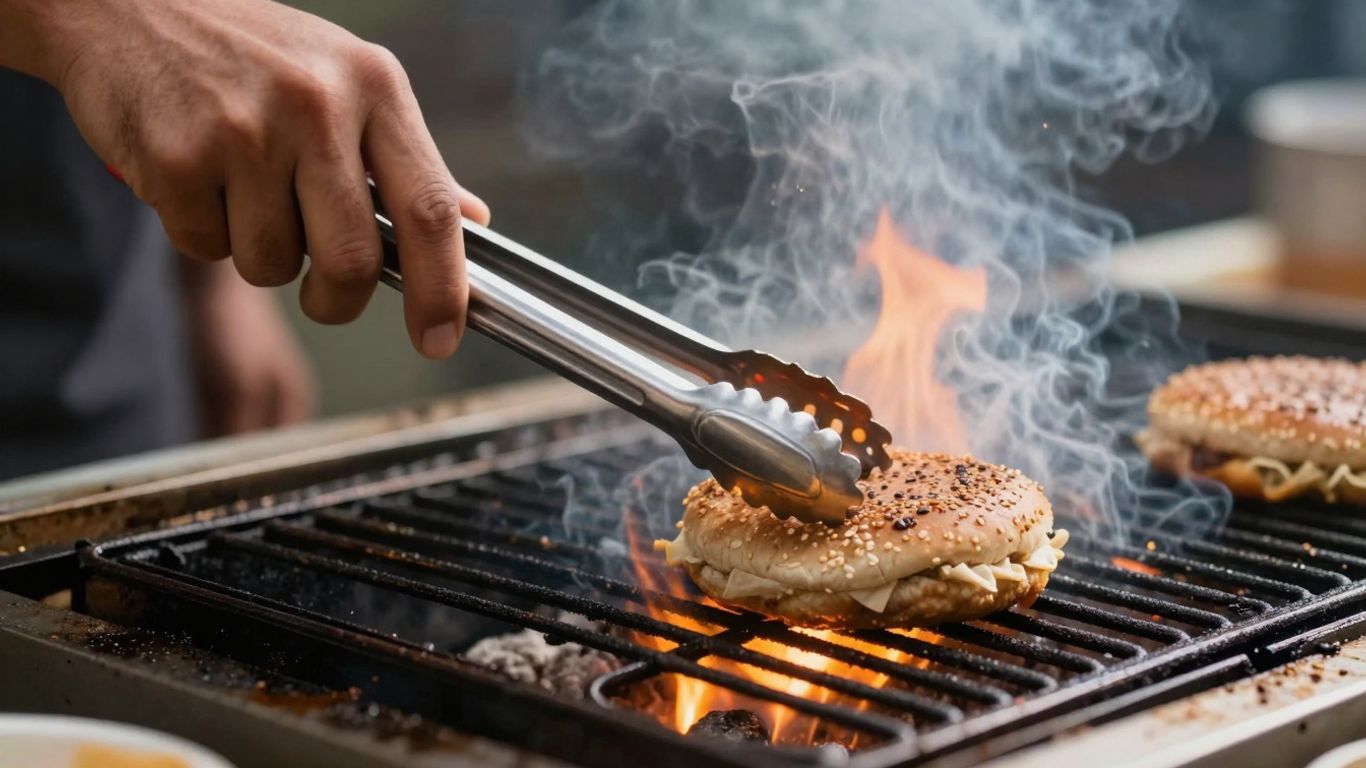
Grills get incredibly hot, and that heat doesn’t just disappear when you turn off the gas or remove the coals. In fact, a grill can stay dangerously hot for up to an hour or even longer after you’re finished cooking. This means you need to be mindful even when you think the danger has passed. Always use long-handled grilling tools to keep your hands and arms away from the heat. When moving the grill, always let it cool down completely first. And if you’re cleaning it, wear thick, heat-resistant gloves. It’s better to be a little cautious than to end up with a nasty burn.
Burns from grills are more common than you might think. Each year, thousands of people end up in emergency rooms because of grill-related injuries, and a big chunk of those are thermal burns. Most of these incidents happen during the warmer months, especially in July. So, being aware of the heat and taking simple precautions can really help you avoid becoming part of those statistics.
Here’s a quick rundown of what to wear:
- Fitted clothing (cotton is a good choice)
- Closed-toe shoes
- Heat-resistant gloves (especially for handling hot items or cleaning)
Fire Prevention And Emergency Preparedness
Keeping Fire Extinguishers Handy
Even with the best intentions and careful grilling, accidents can happen. Having a fire extinguisher nearby isn’t just a good idea; it could be a lifesaver. For grill fires, especially those involving grease or propane, a Class B or a multipurpose (ABC) extinguisher is your best bet. Remember, water can actually make grease fires worse, so don’t reach for the hose.
Knowing How To Handle Grease Fires
Grease fires are a common concern when grilling. If a fire flares up in your grill, the first step is to stay calm. If it’s safe to do so, turn off the burners and shut off the gas supply. Then, close the grill lid. This cuts off the oxygen supply and can help smother the flames. Keep baking soda on hand for smaller grease fires, or use your fire extinguisher. Never use water on a grease fire.
What To Do In Case Of A Fire
If a fire breaks out and you can’t control it quickly, don’t hesitate to call for professional help. Here’s a quick rundown:
- Assess the situation: If the fire is small and you have the right equipment (like a fire extinguisher), try to put it out.
- Turn off fuel: If safe, turn off the gas supply to the grill.
- Smother flames: Close the grill lid to cut off oxygen.
- Use the right agent: Use baking soda or a Class B/ABC extinguisher. Avoid water on grease fires.
- Evacuate and call: If the fire grows or you feel unsafe, get everyone away from the grill and call your local fire department immediately.
It’s important to remember that grills can remain hot for a significant time after use. Always maintain a safe distance from the grill even after you’ve finished cooking, and keep children and pets well clear until it has cooled completely.
Safe Grilling Practices
Never Leave A Lit Grill Unattended
This is probably the most basic rule, but it’s worth repeating. Grills get hot, and things can go wrong fast. A gust of wind can blow embers, a pet can knock something over, or a flare-up can get out of hand. Always stay with your grill when it’s on. If you need to step away, even for a minute, ask someone else to watch it or turn it off.
Opening The Lid Before Lighting
This one might seem a little backward, but it’s important, especially for gas grills. When you light a gas grill with the lid closed, the gas can build up inside. Then, when you open the lid to check, that built-up gas can ignite with a big WHOOSH, potentially burning you. So, before you even strike a match or push the igniter button, lift that lid. This lets any stray gas escape. Once you’ve lit it, you can close the lid to get the grill to temperature.
Avoiding Overloading The Grill
It’s tempting to cram as much food onto the grill as possible, especially when you’ve got a crowd. But overloading can actually cause problems. Too much food, especially fatty meats, can lead to excessive dripping. When all that fat hits the flames at once, you get huge flare-ups. These can burn your food and make a mess. Plus, it makes it harder for the heat to circulate properly, so your food might not cook evenly. Give your food some breathing room so it cooks right and you avoid those fiery surprises.
Here’s a quick rundown of what to keep in mind:
- Space is your friend: Don’t pack the grill too tightly.
- Fat management: Be aware of how much grease is dripping. You might need to move food around or temporarily remove some items.
- Even cooking: Proper spacing helps heat reach all parts of the food.
Grilling is about enjoying the process and the food. Rushing it by overloading the grill can lead to more problems than it solves. Take your time, cook in batches if needed, and focus on getting that perfect char without the charring.
Did you know?
- July is the busiest month for grill fires.
- About 9,500 people get burned by grill fires or hot grills each year.
- Most grill-related injuries are thermal burns.
Food Safety On The Grill
Preventing Cross-Contamination
Keeping your food safe starts before it even hits the grill. One of the biggest concerns is cross-contamination, which happens when harmful bacteria from raw foods spread to cooked foods or other surfaces. This can lead to some pretty unpleasant foodborne illnesses. To avoid this, it’s a good idea to use separate cutting boards, utensils, and plates for raw meat, poultry, and seafood compared to the ones you use for cooked food. If you’re marinating meat, don’t use that same marinade on your cooked food unless you boil it first to kill any bacteria. It might seem like a hassle, but it’s a simple step that makes a big difference.
Ensuring Food Is Cooked Thoroughly
Getting the temperature right is key to killing off any nasty bacteria. You don’t want to guess here; using a food thermometer is the best way to be sure. Different types of meat have different safe internal temperatures. For example, ground meats like burgers should reach 160°F (71°C), while whole cuts of poultry need to get to 165°F (74°C). Steaks, roasts, and chops of beef, pork, lamb, and veal are safe at 145°F (63°C) with a three-minute rest time. Remember, these temperatures are for the thickest part of the food, away from the bone.
Here’s a quick guide to safe internal temperatures:
- Ground Meats (Beef, Pork, Veal, Lamb): 160°F (71°C)
- Poultry (Chicken, Turkey – whole or ground): 165°F (74°C)
- Whole Cuts of Beef, Pork, Veal, Lamb (Steaks, Roasts, Chops): 145°F (63°C) followed by a 3-minute rest
- Fish: 145°F (63°C) or until flesh is opaque and flakes easily
Don’t rely on color alone to tell if food is cooked. A thermometer is your best friend for grilling safety. It takes the guesswork out of it and helps you serve delicious, safe food every time.
Overloading the grill can also be a problem. When you pack too much food on, it can lower the grill’s temperature, making it harder to cook everything evenly and thoroughly. This is especially true for fattier meats, where too much fat dripping at once can cause big flare-ups, potentially burning your food on the outside while leaving it undercooked inside.
Proper Grill Shutdown Procedures
Turning Off Burners And Gas Supply
So, you’ve finished grilling and everyone’s had their fill. That’s great! But don’t just walk away and leave the grill to its own devices. Properly shutting down your grill is just as important as lighting it safely. It’s easy to forget this step when you’re full and ready to relax, but accidents can happen even after the cooking is done. Think about it – leftover heat, lingering gas – it’s a recipe for trouble if not handled right.
Here’s what you need to do:
- Turn off all the burners. Make sure each knob is in the ‘off’ position. This stops the flow of gas to the burners themselves.
- Close the gas supply valve. This is usually on the propane tank itself or at the regulator. This is the most critical step to stop gas flow entirely.
- Check your owner’s manual. Different grills have slightly different shut-down sequences, so it’s always a good idea to know your specific model’s recommendations.
Leaving the gas valve open even slightly after turning off the burners can lead to gas leaks, which are a serious fire and explosion hazard. Always double-check that the valve is fully closed.
Allowing The Grill To Cool Completely
Once the gas is off, your job isn’t quite finished. That grill is still going to be incredibly hot, and you don’t want anyone, especially kids or pets, getting too close. Burns from hot grill surfaces are surprisingly common, and nobody wants that kind of souvenir from a cookout. Plus, trying to clean a scorching hot grill is just asking for trouble.
Give your grill plenty of time to cool down. This can take a while, sometimes an hour or more, depending on how hot it got and the ambient temperature. Don’t rush it. Once it’s cool to the touch, then you can think about covering it up or doing any quick cleaning like scraping the grates. Patience here really pays off in safety.
Wrapping Up: Grill Smart, Grill Safe
So, there you have it. Grilling is awesome, right? It brings people together and makes food taste amazing. But like anything fun, it’s got its own set of rules to keep everyone safe. We’ve gone over a bunch of stuff, from where to put your grill to how to shut it down properly. Just remember the basics: keep it clean, keep it stable, and never, ever leave it alone when it’s on. A little bit of attention goes a long way in preventing accidents. So go ahead, fire up that grill, and enjoy some delicious food, but do it smart. Happy grilling!
Frequently Asked Questions
Where is the safest place to set up my grill?
Always use your grill outside in a spot that’s open and has good airflow. Keep it a good distance, about 10 feet, away from your house, deck railings, tree branches, and anything else that could catch fire. Make sure the grill is on a flat, steady surface so it won’t tip over.
How often should I check my grill for gas leaks?
It’s a smart idea to check for leaks before you use your grill for the first time each year. Also, give it a quick check about once a month during the grilling season. You can do this by spraying a soapy water mix on the hoses and connections. If you see bubbles, that means there’s a leak, and you should fix it before using the grill.
What should I do if the flame on my gas grill goes out?
If the flame suddenly goes out while you’re cooking, turn off the grill and the gas right away. Wait for about 5 minutes to let any extra gas clear out before you try to light it again. This helps prevent a dangerous flare-up.
Why is it important to clean my grill regularly?
Cleaning your grill gets rid of grease and food bits that build up over time. This buildup can easily catch fire, causing flare-ups or even a grill fire. Scrubbing the grates after each use and cleaning out the grease tray regularly helps keep your grill safe and working well.
What’s the best way to put out a grease fire on the grill?
Never use water on a grease fire! Water can actually make the fire spread. Instead, turn off the gas if you can safely do so, and try to smother the flames by closing the grill lid. Having baking soda or a Class B fire extinguisher nearby is also a good idea.
Can I use my grill indoors or on a balcony?
Absolutely not. Grills are made for outdoor use only. They produce carbon monoxide, a dangerous gas that can build up in enclosed spaces and cause serious harm. Plus, using a grill indoors or too close to your home is a major fire hazard.
What kind of clothing should I wear when grilling?
It’s best to wear clothes that fit well and aren’t loose. Things like baggy sleeves, apron strings, or scarves can easily catch fire near the flames. Also, wear closed-toe shoes to protect your feet from any spills.
How do I safely dispose of charcoal ashes?
After you’re done grilling with charcoal, let the coals cool down completely. This can take several hours. Once they are cold, put them in a metal container with a lid. Never put hot ashes in a regular trash can or a plastic bucket, as they can start a fire.