
Grilling with beer isn’t just a fun way to add flavor to your BBQ; it’s a technique that can make your food more moist, tender, and interesting. You can use beer in marinades, as a basting liquid, or even in your BBQ sauce. Knowing a bit about different beer styles helps you pick the best one for what you’re cooking. And guess what? You don’t need fancy, expensive beers to get great results. Let’s explore how to make your next barbecue a hit with some beer-infused BBQ recipes.
Key Takeaways
- Understanding beer’s bitterness, maltiness, and carbonation helps you choose the right style for marinades, sauces, or brines.
- Beer tenderizes meat with its enzymes and adds moisture without making delicate proteins mushy.
- Spritzing meat with beer during grilling keeps it moist and helps develop a nice crust.
- Adding beer to BBQ sauces can give them an extra kick and balance sweet and savory notes.
- Budget-friendly beers work just as well as expensive ones for flavor concentration during cooking.
Understanding Beer For Your BBQ
Beer isn’t just for drinking while you grill; it’s a fantastic ingredient that can really change your BBQ game. When you use it right, beer can add moisture, make meats more tender, and bring in some really interesting flavors. It’s all about knowing what’s in your beer and how it’ll play with your food.
The Role Of Bitterness, Maltiness, And Carbonation
Think of beer’s flavor profile like a recipe. You’ve got a few main players: bitterness, maltiness, and carbonation. Bitterness usually comes from hops. Too much bitterness, especially when cooked for a long time, can make your food taste a bit harsh. Maltiness is what gives beer its body and sweetness, often bringing notes of caramel, toast, or even chocolate. This can add a nice depth to sauces and marinades. Carbonation, those bubbles, can actually help tenderize meat a little by breaking down proteins. It also adds a brightness that can cut through richer flavors.
Decoding The IBU Scale For Grilling
The International Bitterness Unit (IBU) scale is a way to measure how bitter a beer is, usually from 0 to 120+. While it’s a good starting point, it’s not the whole story. A beer with a high IBU might still taste balanced if it has a strong malt backbone to go with it. For grilling, especially with longer cooking times, you might want to be careful with beers that are super high on the IBU scale, as that bitterness can get concentrated and maybe a little too strong.
Here’s a general idea:
| Beer Style | Typical IBU Range | Notes for Grilling |
|---|---|---|
| Pale Lager | 10-25 | Light, crisp, good for marinades, won’t overpower. |
| Amber Ale | 20-40 | Balanced malt and hop, great for sauces and glazes. |
| IPA (India Pale Ale) | 40-70+ | High bitterness, use carefully or in shorter cooks. |
| Stout/Porter | 20-50 | Roasty, malty, good for red meats and rich sauces. |
Choosing Beer Styles To Complement Ingredients
Picking the right beer style is key to making your BBQ shine. It’s like picking the right spice for a dish.
- For lighter fare like chicken, fish, or pork chops, go for something crisp and refreshing. Think pale lagers, wheat beers, or even a light saison. They add a subtle flavor without being too heavy.
- For heartier meats such as beef brisket, ribs, or lamb, you can get away with bolder beers. Amber ales, brown ales, porters, and stouts work well here. Their malty sweetness and roasted notes can really stand up to strong meat flavors.
- When making sauces or glazes, consider the sweetness you want. Malt-forward beers like amber ales or brown ales can add a nice caramel-like sweetness. If you want something a bit more complex, a stout can bring in dark fruit or coffee notes.
Don’t feel like you need to use expensive craft beers. Often, a simple, budget-friendly lager or ale can do a fantastic job. The flavors concentrate as they cook, so even a basic beer can add a lot of character to your BBQ. The most important thing is to experiment and find what tastes good to you. Start simple and see where the beer takes your cooking.
Mastering Beer Marinades And Brines
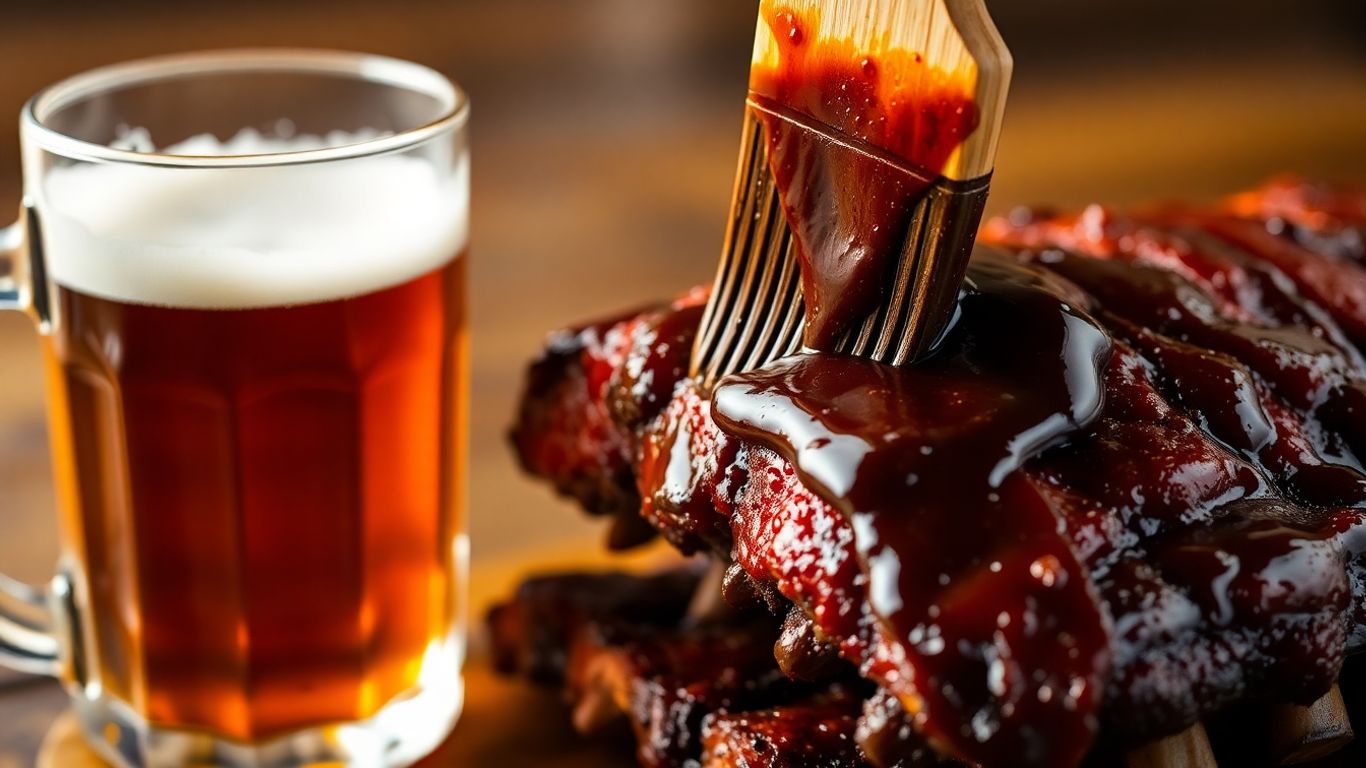
When you’re getting ready to fire up the grill, thinking about what to do with your meat is key. Beer can actually help out a lot here, not just for drinking, but for prepping the food itself. It’s a pretty neat trick that can make your BBQ way better.
Tenderizing Meats With Beer’s Enzymes
So, you know how some things can make meat softer? Beer has natural enzymes that do just that. They work on the tough bits in meat, breaking them down. This means your meat gets more tender and holds onto juices better. It’s not as harsh as using something super acidic like vinegar or wine, which can sometimes turn meat into mush if you’re not careful. Beer is gentler, so it’s good for all sorts of cuts, even the ones that are usually a bit chewy.
Adding Depth To Poultry And Pork
Using beer in your marinades or brines is a fantastic way to add flavor. For poultry and pork, it’s especially good. A simple brine made with salt, some spices, and a lighter beer like a lager or pilsner can keep these meats really moist. You’re basically swapping out the water in a regular brine for beer. This adds a subtle layer of flavor that you just don’t get with plain water. It’s a simple change that makes a noticeable difference.
Preventing Delicate Proteins From Becoming Mushy
This is where beer really shines. Because beer isn’t as acidic as other liquids people sometimes use for marinades, it’s much safer for delicate things like fish or seafood. You can soak them in a beer-based marinade for a good amount of time, and they’ll come out tender and flavorful, not rubbery or falling apart. It’s all about finding that sweet spot where the meat is tenderized but still holds its shape and texture. You want that nice bite, not a mushy mess.
Here’s a quick look at how beer can help:
- Tenderizing: Enzymes in beer break down connective tissues.
- Moisture: Helps meat retain juices, especially in brines.
- Flavor: Adds a subtle, complex taste without being overpowering.
- Gentle Acidity: Safer for delicate proteins compared to vinegar or citrus.
When you’re marinating or brining, remember that the alcohol in beer mostly cooks off. What’s left is the flavor and the tenderizing effect, which is exactly what you want for great BBQ. Don’t worry about the beer taste being too strong; it usually mellows out and blends in nicely with other seasonings.
Elevating Your BBQ With Beer Spritzes And Basting
Spritzing and basting your food on the grill with beer might sound a little extra, but trust me, it makes a difference. It’s not just about adding more beer flavor, though that’s part of it. It’s really about keeping things moist and building up a nice crust, especially on those longer cooks.
Maintaining Moisture During Grilling
When you’re grilling, especially over direct heat or for extended periods, food can dry out fast. A simple spray of beer every now and then can help. It adds a bit of liquid back to the surface without changing the flavor profile too much. Think of it like giving your food a refreshing drink while it’s working hard on the grill. This is particularly helpful for leaner cuts of meat that don’t have a lot of fat to begin with.
Creating A Flavorful Beer Basting Sauce
Beyond just spritzing, you can whip up a simple basting sauce using beer. This is where you can really layer in some flavor. A basic sauce might include beer, a little sweetener like honey or brown sugar, maybe some butter, and a few aromatics like garlic or onion powder. You brush this on during the last part of the cooking process. The sugars in the beer and sweetener will caramelize, creating a beautiful glaze.
Here’s a quick idea for a basting sauce:
- 1 cup of your chosen beer (a malty amber ale works well here)
- 1/2 cup honey or brown sugar
- 2 tablespoons melted butter
- 1 teaspoon garlic powder
Just whisk it all together and brush it on your meat during the last 30 minutes of grilling. Reapply a couple of times for a good coating.
Enhancing The Outer Crust Of Smoked Meats
For smoked meats, especially things like pork shoulder or brisket, that long cooking time can sometimes lead to a dry exterior. Spritzing with beer during the smoke can help keep that bark (the flavorful crust) from getting too hard or cracking excessively. It adds moisture that helps keep the surface pliable while still allowing smoke to penetrate and the crust to develop. It’s a delicate balance, but a light misting can really help achieve that perfect texture.
Using beer for spritzing or basting is a great way to add subtle complexity and moisture. It’s less about a strong beer taste and more about how the liquid interacts with the heat and the meat. Don’t be afraid to experiment with different beer styles to see what works best for your favorite cuts.
Crafting Delicious Beer-Infused BBQ Sauces
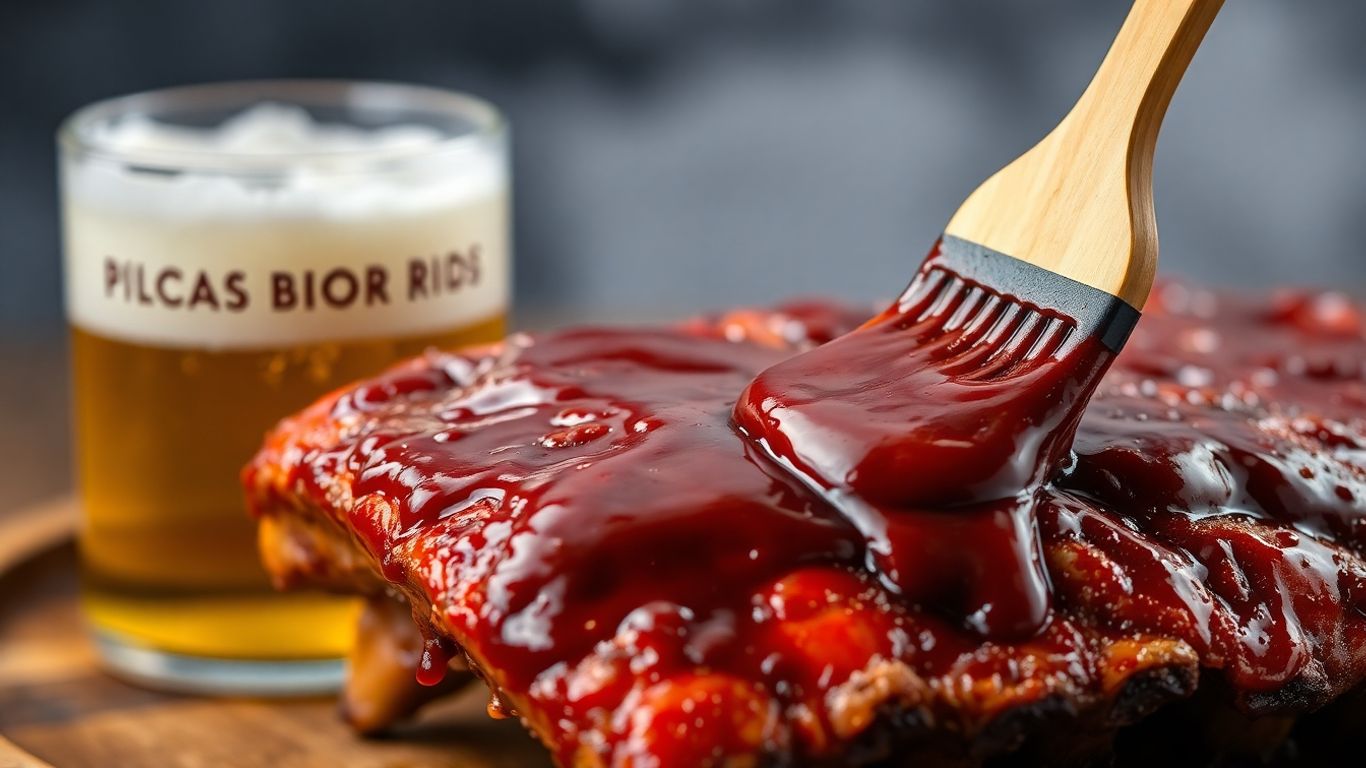
Making your own BBQ sauce with beer is a game-changer for any cookout. It’s not just about adding a liquid; it’s about building layers of flavor that you just can’t get from a bottle. The right beer can really make your sauce sing.
Adding An Extra Kick To Your Sauce
When you’re thinking about what beer to use, consider what you want the sauce to taste like. Hoppy beers, like IPAs, bring a nice bitterness and sometimes citrus notes that cut through the richness of BBQ. Fruity or citrus-forward IPAs often work best, so maybe avoid the super bitter ones unless that’s exactly what you’re going for. You can also play with spices. Adding things like smoked paprika, a pinch of cayenne for heat, or even some chili powder can give your sauce a real punch. It’s all about balancing those flavors.
Balancing Sweetness And Savory Notes
Most good BBQ sauces have a balance between sweet and savory, and beer can help with that. The maltiness in beers like amber ales or even some stouts can add a subtle sweetness and depth. You might need to adjust the sugar in your recipe depending on the beer you choose. For example, if you use a sweeter beer, you might need less brown sugar. Conversely, if you use a more bitter beer, you might want to add a bit more sweetness to even things out. Worcestershire sauce and molasses are also great for adding that savory, umami flavor that complements the beer.
Achieving The Perfect Sauce Consistency
Getting the sauce to the right thickness is key. When you simmer the sauce with the beer, it reduces and thickens up. You’ll want to let it bubble away gently, uncovered, for about 20 to 30 minutes. Stir it now and then so it doesn’t stick to the bottom. If you like a really smooth sauce, you can always use an immersion blender right in the pot, or carefully transfer it to a regular blender once it’s cooled a bit. Just remember, the sauce will thicken more as it cools down, so don’t overdo it on the stovetop. You can always add a splash more beer or water if it gets too thick. For a great recipe to get you started, check out these Heineken-infused recipes.
Making your own sauce means you control exactly what goes in. You can tweak the sweetness, the spice, and the beer flavor to match your personal taste. It takes a little time, but the result is so much better than anything store-bought.
Utilizing Beer In Your Smoker
So, you’ve got your smoker fired up and ready to go. Now, how can beer play a role beyond just being a beverage to sip while you wait? Turns out, it can do more than you might think. Adding beer to your smoker isn’t just about adding a little extra flavor; it’s a smart way to manage moisture and create some really interesting aromas. It’s a bit of a game-changer, honestly.
Enhancing Moisture In The Cooking Chamber
One of the simplest ways to use beer in your smoker is by adding it to your water pan or drip pan. When you’re doing those long, slow cooks, especially with tougher cuts of meat, keeping things moist is key. The steam that rises from the beer as it heats up helps keep the meat from drying out. It’s like giving your food a constant, gentle steam bath.
- Add beer to your water pan: This is the most common method. Replace some or all of the water with your chosen beer. Lighter beers like lagers or wheat beers work well here as they won’t overpower the meat.
- Use it in the drip pan: If you’re not using a water pan, you can add beer to the drip pan below the grates. This catches the drippings and infuses them with beer flavor, which can be used later.
- Consider the type of beer: While you can use almost any beer, very hoppy or bitter beers might impart an unwanted edge when steamed for hours. Stick to something balanced.
Creating Subtle Beer-Infused Aromas
As the beer heats up and evaporates in the smoker, it releases its aromas. This isn’t going to be an overpowering beer smell, but rather a subtle, complex scent that mingles with the smoke. It adds another layer to the overall experience of the barbecue. Think of it as a background note that complements the wood smoke, making the whole environment smell more inviting and, well, delicious.
The gentle evaporation of beer in the smoker adds a nuanced aroma that works in harmony with the wood smoke, creating a more complex and appealing scent profile for your barbecue. It’s a subtle but effective way to layer flavors and aromas.
Transforming Drippings Into Beer Gravy
This is where things get really interesting. Those drippings that fall into the pan, now mixed with beer? They’re gold. Once your meat is done, you can take that flavorful liquid and turn it into a fantastic gravy. It’s a great way to use up every bit of flavor you’ve built up during the smoking process. You’ll want to strain out any solid bits, maybe thicken it with a little flour or cornstarch, and you’ve got a rich, beer-infused gravy that’s perfect for serving alongside your smoked meats. It’s a simple step that really makes your BBQ feel complete.
Beer Pairings For Different BBQ Dishes
Figuring out what beer goes with what BBQ dish can feel like a puzzle, but it’s actually pretty straightforward once you get the hang of it. Think of it like matching socks – you want things that just fit together, you know? The general idea is to match the intensity of the food with the intensity of the beer. Big, bold flavors need a beer that can stand up to them, while lighter fare calls for something a bit more delicate.
Bold Flavors With Hoppy IPAs
When you’ve got something really hearty on the grill, like a thick-cut steak or some slow-cooked beef ribs, you need a beer that’s got some backbone. That’s where the India Pale Ale, or IPA, comes in. The hop bitterness in an IPA is fantastic for cutting through the richness and fat of red meats. It’s like a palate cleanser between bites, making each mouthful taste fresh. Plus, the citrusy or piney notes often found in IPAs can really complement the smoky char from the grill. Don’t shy away from a robust IPA when you’re serving up your most substantial meat dishes.
Lighter Fare With Wheat Beers And Saisons
Not every BBQ is about massive slabs of meat, right? Sometimes you’re grilling up chicken, fish, or a bunch of veggie skewers. For these lighter options, you want a beer that’s going to be refreshing and not overpower the food. Wheat beers, like Hefeweizens or Witbiers, are perfect. They’re usually a bit cloudy with a smooth, often fruity or spicy character. Saisons are another great choice; they’re typically dry, effervescent, and can have a peppery or citrusy kick that works wonders with grilled vegetables or lighter poultry. These beers are just easy to drink and won’t make your meal feel heavy.
Complementing Desserts With Malt-Forward Brews
Who says beer is just for the main course? It can be a fantastic partner for your BBQ desserts too. Think about a creamy banana pudding. A dark, malty beer, maybe a stout with some peanut butter notes, can echo the sweetness and add a layer of complexity that’s just delightful. Or if you’ve got a fruit cobbler, like peach, a brown ale or a doppelbock with their caramel and toasted malt flavors can really bring out the warm, baked notes of the dessert. It’s all about finding those complementary flavors, whether it’s a contrast or an echo, to make your sweet finish even better. You can find some great ideas for beer and food pairings online.
Choosing The Right Beer For Grilling Techniques
So, you’ve got your grill fired up and a hankering for some BBQ. Now, which beer is going to make your food sing? It’s not just about grabbing any old six-pack. Different grilling methods call for different brews, and picking the right one can seriously level up your game. Think of it like choosing the right tool for a job – you wouldn’t use a hammer to screw in a bolt, right? Same idea here.
Pale Lagers For Marinades And Brining
When you’re looking to tenderize meat or just add a subtle, refreshing flavor before it hits the heat, pale lagers are your go-to. Their clean, crisp profile doesn’t overpower delicate ingredients. They’re great for chicken, fish, or even pork chops. The carbonation in lagers can also help break down proteins a bit, making your meat more tender. Plus, they’re usually pretty light on the bitterness, so you don’t have to worry about it becoming harsh when cooked.
- Marinades: Use pale lagers as the base for marinades for lighter meats like chicken breast or fish. Add some garlic, herbs, and a touch of oil, and you’re golden.
- Brines: A pale lager brine can add a subtle malty note and keep poultry moist without making it taste strongly of beer.
- Spritzes: For a light spritz during grilling, a pale lager mixed with a little apple cider vinegar works wonders to keep things juicy.
Amber Ales For BBQ Sauces And Glazes
Amber ales are where things start to get interesting for sauces and glazes. They’ve got a bit more malt character than lagers, giving them a nice balance of sweetness and a slight hop bite. This makes them perfect for simmering down into a rich BBQ sauce or brushing onto ribs as a glaze. The caramel notes in amber ales really complement the char and smoke from the grill.
- BBQ Sauces: Simmer an amber ale with your favorite tomato base, spices, and a touch of brown sugar. The malt will add depth and a slight sweetness that balances the tang.
- Glazes: Reduce amber ale with honey or maple syrup and brush it onto pork ribs or chicken wings during the last 15-20 minutes of grilling.
- Marinades for Red Meats: While good for sauces, they can also work in marinades for heartier meats like pork shoulder, adding a bit more flavor complexity than a lager.
Stouts For Hearty Red Meats
Now, if you’re grilling up some serious red meat – think thick steaks, burgers, or lamb – a stout is your best friend. These dark, roasty beers have deep, complex flavors that stand up to and even enhance the richness of beef and lamb. The coffee and chocolate notes often found in stouts can create a fantastic flavor synergy with grilled meats, especially those with a good char.
When using dark beers like stouts, remember that their intense flavors can concentrate significantly when cooked. A little goes a long way, and they pair best with foods that can handle that robust profile.
- Marinades: A stout marinade can add incredible depth to steak. Mix it with Worcestershire sauce, garlic, and black pepper.
- Braising Liquid: For slow-cooked ribs or pulled pork, using a stout as part of your braising liquid adds a rich, savory foundation.
- Sauce Base: While often too intense for a standalone BBQ sauce, a stout can be a fantastic addition to a beef gravy or a rich pan sauce for grilled steaks.
Budget-Friendly Beer For Flavorful BBQ
You don’t need to break the bank to get some serious flavor into your barbecue using beer. Honestly, some of the best cooking happens with the everyday brews you can find at any grocery store. The idea that you need a fancy, expensive craft beer for cooking is just not true. When beer cooks down, its flavors get concentrated, so even a simple, inexpensive six-pack can add a surprising amount of depth to your dishes. It’s all about picking the right style for what you’re trying to achieve.
Inexpensive Options For Great Results
When you’re grabbing beer for your BBQ projects, think about what you’re making. For marinades and brines, a crisp, clean lager or a pale ale works wonders. They add a subtle tang and help tenderize without adding too much of their own strong personality. These are usually the most affordable options on the shelf. For sauces and glazes, you might want something with a bit more malt character, like an amber ale or even a brown ale. These often have a slight sweetness that caramelizes nicely when cooked. You can usually find these without spending a lot of cash.
Flavor Concentration During Cooking
Here’s the cool part: heat changes beer. As your beer simmers in a sauce or steams in a smoker, the alcohol cooks off, and the other flavors become more intense. This means that mild lager you used in your marinade can contribute a noticeable brightness to the finished product. That slightly sweet amber ale in your BBQ sauce? It’ll become richer and more complex. It’s like a flavor multiplier. So, don’t shy away from beers that seem a little plain on their own; they often shine when they’re part of a cooked dish.
Experimenting Without Breaking The Bank
Because you’re not spending a fortune on the beer, you have more freedom to play around. Try using a different inexpensive beer in your go-to marinade recipe next time. See how a simple lager compares to a pale ale. Or, if you’re making a sauce, try swapping out an amber ale for a porter and see what happens. Keep a little notebook or just jot down some notes on your phone about what you tried and what you liked best with your favorite meats. This way, you can figure out your own favorite budget-friendly beer pairings without feeling like you’re wasting money on fancy brews that might not turn out how you hoped.
Innovative Beer-Infused Condiments
Beyond just marinades and sauces, beer can really shake up your side game. Think about those classic BBQ accompaniments – mustard, ketchup, relish. We can give them a serious upgrade with a splash of your favorite brew.
Elevating Grilled Bratwurst with Mustard
Mustard is a natural partner for grilled sausages, and adding beer just makes sense. A good quality mustard, especially a grainy or Dijon style, can take on a whole new character when simmered with a malty beer. The beer adds a subtle sweetness and depth that cuts through the mustard’s sharpness. For a real kick, try using a hoppy IPA. The citrusy or floral notes in the hops can add a bright, zesty layer that’s fantastic on a juicy bratwurst.
Here’s a simple way to get started:
- Start with a good base mustard (about 1 cup).
- Slowly whisk in about 1/4 cup of your chosen beer. A lager or pale ale works well for a balanced flavor.
- Add a touch of sweetness with a teaspoon of honey or maple syrup if you like.
- Simmer gently for about 10-15 minutes to let the flavors meld and the sauce thicken slightly. Don’t boil it hard, or you’ll lose the beer’s character.
Exploring Beer-Based Sauces
We’re not just talking about BBQ sauce here. Think about other sauces that go with grilled meats. A beer-based aioli, for instance, can be amazing. Mix a bit of reduced dark beer into your favorite mayonnaise recipe, add some garlic, and maybe a pinch of smoked paprika. It’s great on burgers or pulled pork sandwiches.
Beer’s natural carbonation and malt sugars can add a unique complexity to sauces that water or other liquids just can’t replicate. It’s about adding another layer of flavor that complements, rather than overpowers, the main dish.
Adding Zesty Hop Flavors to Sides
Even simple sides can get a beer boost. Consider a beer-infused vinaigrette for your potato salad or coleslaw. A light, crisp beer like a pilsner or a wheat beer can add a refreshing tang. For a bolder flavor, a splash of a Belgian-style ale can bring interesting fruity or spicy notes. You can even use beer to deglaze the pan after cooking some vegetables, creating a quick, flavorful sauce to toss them in.
The Art Of Beer-Infused BBQ Recipes
So, you’ve got your beer picked out, maybe you’ve even experimented with marinades and sauces. Now it’s time to really bring it all together and create some killer BBQ dishes that sing with beer flavor. This isn’t just about throwing a can of lager on the grill; it’s about thoughtfully combining the character of different brews with the smoky goodness of barbecue.
Combining Craft Brews And Smoked Meats
Think of beer as another spice in your BBQ arsenal. Different beers bring different notes to the table. A rich stout can add a deep, almost chocolatey undertone to slow-cooked brisket, while a crisp saison might brighten up grilled chicken or pork.
- Stouts & Porters: Great for beef, lamb, and pork. Their roasted malt flavors complement dark, hearty meats. Try braising short ribs in a stout or using a porter in your beef rub.
- IPAs & Pale Ales: The hop character can cut through rich, fatty meats like pork belly or ribs. Use them in marinades or glazes where their bitterness can be balanced by sweetness.
- Wheat Beers & Saisons: These lighter, often fruity or spicy beers are fantastic with poultry, fish, and lighter pork cuts. They add a refreshing complexity without being overpowering.
- Lagers & Pilsners: Simple, clean, and crisp. They’re excellent for brining or as a spritz during grilling, adding moisture and a subtle malt note without dominating other flavors.
Unlocking Depth Of Flavor With Beer
When you cook with beer, especially over longer periods, some of the alcohol cooks off, but the malt sugars and hop compounds remain, concentrating their flavors. This is where the magic happens. The sugars caramelize, adding a beautiful crust and a touch of sweetness, while the malt and hop notes weave themselves into the meat.
The key is to match the beer’s intensity to the food. You don’t want a delicate piece of fish to be drowned out by a super-hoppy IPA, nor do you want a massive beef brisket to be lost in a light pilsner. It’s all about balance and letting the beer play a supporting role, or sometimes, the star.
Creating A Perfect Union Of Flavors
Putting it all together means looking at the whole dish. Are you making a pulled pork sandwich? Maybe a smoky porter works well in the rub and the sauce. Serving grilled salmon? A Belgian witbier could be fantastic in a marinade or a light glaze.
Here’s a quick guide for some common pairings:
| BBQ Item | Recommended Beer Style(s) | Why it Works |
|---|---|---|
| Brisket | Stout, Porter, Amber Ale | Deep malt, roasted notes complement rich beef. |
| Pork Ribs | IPA, Pale Ale, Brown Ale | Hop bitterness cuts fat; malt adds sweetness. |
| Chicken | Wheat Beer, Saison, Lager | Light, refreshing, adds subtle fruit or spice. |
| Burgers | Lager, Amber Ale, Stout | Versatile; complements beef without overpowering. |
| Grilled Veggies | Pilsner, Wheat Beer | Adds a clean, crisp malt note. |
Don’t be afraid to experiment. Grab a few different beers and try them out in small batches. You might just discover your new favorite BBQ combination.
Wrapping It Up: Your Beer-Infused BBQ Journey
So, there you have it. Cooking with beer isn’t some fancy trick reserved for chefs; it’s a simple way to add a little something extra to your barbecue. We’ve talked about how different beers can change up marinades, sauces, and even how you baste your food. Don’t feel like you need to buy the most expensive brews either – the everyday stuff works just fine. The real secret is just to have fun with it. Try a lager in your marinade one weekend, maybe a stout in your sauce the next. Keep notes, see what you like, and before you know it, you’ll be the neighborhood expert on beer-infused BBQ. Now go grab a cold one, fire up the grill, and get cooking!
Frequently Asked Questions
What’s the main reason to use beer when grilling?
Beer adds awesome flavor and keeps your food super moist! It’s like a secret ingredient that makes your BBQ taste way better and more juicy.
Can any beer be used for grilling?
You can use most beers, but some work better than others. Lighter beers like lagers are good for marinades because they don’t overpower the food. Darker beers like stouts can add a richer taste to sauces.
Does beer make meat more tender?
Yes! Beer has natural stuff in it that helps break down tough meat fibers. This makes the meat softer and easier to chew, especially for cuts like brisket or pork.
How does beer help keep food moist?
When you spray beer on food while it’s cooking (called spritzing) or use it in a sauce, it adds moisture. This stops the food from drying out on the grill.
Is it better to use expensive craft beer for grilling?
Nope! You don’t need fancy or expensive beer. Even regular, cheaper beers taste great when cooked. The flavors get stronger as they cook, so a regular beer works just fine.
Can I put beer in my smoker?
You sure can! Adding beer to the water pan in your smoker adds extra moisture and a hint of beer flavor to the smoke. It can also make a tasty gravy from the drippings.
What’s an IBU?
IBU stands for International Bitterness Units. It’s a way to measure how bitter a beer is. Beers with really high IBUs can sometimes taste too bitter when cooked for a long time.
What kind of beer goes best with different BBQ foods?
It depends! Hoppy beers like IPAs go well with strong flavors like steak. Lighter wheat beers are good for chicken or fish. Darker beers like stouts can be great with desserts or rich meats.