
So, you’re trying to figure out what makes Carolina BBQ, well, Carolina BBQ? It’s a whole thing, and honestly, it’s pretty delicious. Forget what you think you know about barbecue sauce because the Carolinas have their own distinct styles. We’re talking vinegar, mustard, and even a little ketchup sweetness, all depending on which side of the state you’re on. This is your guide to understanding carolina style bbq explained, from the sauces to the cooking methods. Let’s dig in!
Key Takeaways
- Eastern North Carolina barbecue is known for its thin, tangy vinegar-based sauce with red pepper flakes, often used on whole hog.
- Piedmont or Lexington-style barbecue, found in Western North Carolina, features a vinegar sauce that includes ketchup, giving it a bit of sweetness and color.
- South Carolina is famous for its ‘Carolina Gold’ mustard-based sauce, a legacy from German settlers, which is tangy and rich.
- The cooking method, whether whole hog (Eastern NC) or pork shoulder (Western NC), plays a big role in how the sauce is used and what flavors are preferred.
- Sauce is not just an afterthought in Carolina BBQ; it’s integral, either soaked in, layered on during cooking, or mixed into the pulled pork, defining the regional taste.
Eastern North Carolina Vinegar Sauce
This is where it all began, folks. The Eastern North Carolina vinegar sauce is often called the mother of all barbecue sauces, and for good reason. It’s been around for centuries, a testament to its simple yet powerful flavor profile. This sauce is deeply tied to the tradition of cooking whole hogs over wood fires, a practice that’s been a cornerstone of barbecue in this part of the Carolinas.
The Mother Of All Barbecue Sauces
Seriously, this sauce is old school. Its roots go way back, likely influenced by early settlers and indigenous cooking methods. It’s a sauce that doesn’t mess around with a lot of fancy ingredients. The focus is on a clean, sharp taste that cuts through the richness of slow-cooked pork. It’s a foundational flavor that many other barbecue sauces have evolved from.
A Tangy Combination Of Vinegar And Spices
So, what’s in this legendary sauce? At its heart, it’s a blend of vinegar – usually apple cider vinegar – and a kick of spices. Think black pepper, red pepper flakes, and salt. Some recipes might throw in a dash of hot sauce, like Texas Pete, for an extra layer of heat. It’s thin, it’s tangy, and it’s meant to be used liberally.
Here’s a basic breakdown of what you’ll find:
- Vinegar: The star of the show, providing that signature tang.
- Spices: Black pepper and red pepper flakes for a bit of warmth.
- Salt: To balance the flavors.
- Optional: A splash of hot sauce for more kick.
This sauce is traditionally used as a ‘mop sauce,’ meaning it’s brushed onto the pork as it cooks. It helps keep the meat moist and infuses it with flavor throughout the long cooking process. It’s also served on the side for dipping.
No Tomato, Ever
And here’s the big rule: no tomatoes. You won’t find any ketchup or tomato paste in an authentic Eastern North Carolina vinegar sauce. This is a key distinction that sets it apart from many other regional barbecue sauces. The absence of tomato keeps the sauce light and bright, allowing the pork’s natural flavor to shine through. It’s a bold choice, and one that defines this classic style.
Piedmont Or Lexington-Style Dip
A Schism Over Tomatoes
When Heinz ketchup hit the market in 1876, it didn’t just change how people dressed their fries; it caused a bit of a stir in North Carolina barbecue circles. Suddenly, there was a divide. Eastern North Carolina stuck to its pure vinegar and spice roots, but out west, things started to change. This is where the Piedmont style, often called the Lexington Dip, comes into play. It’s a sauce that acknowledges the tangy base but adds a touch of sweetness and color from ketchup.
Western Carolinians’ Tangy, Ketchup-Sweetened Sauce
This sauce is a bit of a compromise, if you ask me. It keeps the vinegar and pepper kick that’s so characteristic of Carolina barbecue, but it smooths out the edges with a bit of ketchup. It’s not a thick, gloopy sauce, though. The goal is still a thin, penetrating liquid that can soak into the meat or be used as a dip. It’s typically paired with pork shoulder, which is a tougher cut that benefits from the moisture and flavor.
- Vinegar: The backbone of the sauce, providing that signature tang.
- Red Pepper: Adds a gentle warmth, not overwhelming heat.
- Ketchup: Introduces a subtle sweetness and a reddish hue.
- Salt: Balances the flavors.
German Immigrant Influence
Some folks trace this sauce’s origins back to German immigrants who settled in the Piedmont region. They apparently had a tradition of serving pork with sauces that had both sweet and vinegary notes. It makes sense, right? Combining their culinary background with the local ingredients and cooking methods led to this unique variation. It’s a good example of how different cultures can blend together to create something new and delicious.
The Lexington Dip is a testament to how barbecue traditions evolve. It’s a sauce that respects the old ways while embracing new ingredients, creating a flavor profile that’s distinctly its own.
South Carolina-Style Mustard Sauce
Carolina Gold: Tangy and Rich
When you venture into South Carolina’s barbecue scene, you’re likely to encounter a sauce that stands out from its vinegar-heavy neighbors. This is the realm of the mustard-based sauce, often called "Carolina Gold." It’s a flavor profile that’s both bright and deep, offering a different kind of tang that really complements pork. It’s not just a splash of yellow; it’s a whole tradition.
A Legacy of German Settlers
The story of this sauce traces back to German immigrants who settled in South Carolina centuries ago. They brought their culinary traditions with them, and it turns out they had a fondness for pairing mustard with their smoked meats. This preference eventually found its way into the local barbecue culture, creating a unique sauce that’s distinct to the region. You can still see hints of this heritage in some of the older establishments around.
Mustard, Vinegar, and Spices
So, what exactly goes into this golden concoction? At its heart, it’s mustard, but it’s not just a simple condiment straight from the jar. It’s usually thinned out with vinegar, which gives it that signature tang, and then a blend of spices is added to give it depth and a little kick. Sugar, often cane sugar, is also a common ingredient, balancing the acidity and adding a touch of sweetness without making it cloying. The result is a sauce that’s complex, zesty, and incredibly satisfying, especially when slathered over slow-cooked pork.
This sauce is a testament to how different cultures can blend and create something entirely new and delicious. It’s a perfect example of how ingredients and traditions travel and evolve.
Here’s a general idea of what you might find in a classic South Carolina mustard sauce:
- Mustard: The base, providing color and a distinct flavor.
- Vinegar: Usually apple cider vinegar, for that essential tang.
- Sugar: Often cane sugar, to round out the flavors.
- Spices: A mix that can include black pepper, red pepper flakes, and other seasonings.
- Water or other liquids: To achieve the right consistency.
Whole Hog Versus Pork Shoulder
Eastern Carolina’s Whole Hog Tradition
In the eastern part of North Carolina, the tradition is to cook the entire hog. This means everything from the snout to the tail gets slow-cooked over wood coals. It’s a method that requires a lot of attention and a deep understanding of how different parts of the pig cook. The whole hog approach allows for a variety of textures and flavors to come together in one magnificent meal. This method is deeply tied to the region’s history and community gatherings. It’s not just about the meat; it’s about the event.
Western Carolina’s Pork Shoulder Focus
Heading west, you’ll find a different focus: the pork shoulder. This cut is favored for its fat content, which makes it incredibly forgiving during the long smoking process. The shoulder breaks down beautifully, resulting in tender, pull-apart meat. This style is often associated with Lexington style barbecue, where the pork shoulder is the star. It’s a more targeted approach, concentrating on a specific part of the pig that yields fantastic results.
Cooking Methods Define The Style
The choice between whole hog and pork shoulder isn’t just about preference; it really shapes the final barbecue. Whole hog cooking means you’re dealing with a wider range of meat, from leaner parts to fattier sections, all cooked together. This often pairs well with the thin, vinegar-based sauces common in the east, which cut through the richness. Pork shoulder, on the other hand, has a consistent fat distribution that stands up well to slightly thicker, sometimes ketchup-sweetened sauces found in the west. It’s a subtle difference that makes a big impact on the plate.
Here’s a quick look at the differences:
- Whole Hog:
- Uses the entire pig.
- Offers varied textures and flavors.
- Often paired with vinegar-based sauces.
- Pork Shoulder:
- Focuses on a specific cut.
- Known for tender, fatty meat.
- Pairs well with ketchup-sweetened sauces.
The way the pig is cooked fundamentally influences the sauce that best complements it. It’s a culinary conversation between the meat and its dressing.
The Role Of Sauce In Carolina BBQ
When people talk about Carolina BBQ, you’ll hear them go back and forth about which sauce rules—vinegar, tomato, mustard—but one thing’s for sure: the sauce isn’t just thrown on at the table; it shapes the BBQ from the first moment it hits the pit. If you ask locals, they might even say the sauce is what ‘makes’ Carolina BBQ truly Carolina.
Soaked In, Layered On, Or Mixed In
You won’t find just one way to use sauce in Carolina barbecue. Instead, here are a few classic methods:
- Mopped on during cooking: Those big, brushed swipes you see at the pit? That’s sauce getting basted right into the meat as it cooks low and slow, helping keep everything juicy and adding layers of flavor.
- Mixed in after pulling: When pork is shredded, folks often toss it with sauce—this way every bite gets a hit of tang or heat, not just the outside.
- Drizzled tableside: A little cup or bottle of sauce is close at hand on every table, whether you want to pile it on or just dab a bit for balance.
Many pitmasters say the secret is in how the sauce sinks in, becoming part of the meat itself instead of just a topping.
A Condiment Or An Integral Part
Carolina’s not like places that slather on thick, sticky sauces at the end. Here, sauce pulls double duty:
- It keeps the meat moist during the smoky, all-day cook.
- It’s a flavor booster—not meant to hide mistakes, but to bring out the best in good pork.
- It acts as a table condiment but also as a finishing touch.
Some BBQ fans argue if sauce should be optional or always on the meat, but most agree it’s a lot more than a dip on the side.
Sauce As A Defining Feature
There’s practically a regional identity crisis in the Carolinas about sauce—the sauce you love probably says something about where you call home. Here’s a quick breakdown:
| Region | Main Sauce Flavor | Typical Use |
|---|---|---|
| Eastern North Carolina | Sharp vinegar, pepper | Mopped & mixed |
| Piedmont/Lexington | Vinegar with ketchup | Pulled pork, dip |
| South Carolina | Tangy mustard | Smoked pork, mixed |
So, whether it’s keeping the meat juicy, punching up bundles of pulled pork, or sparking a friendly debate, sauce is not just an add-on in Carolina BBQ—it’s an element you can’t leave out.
Traditional Carolina Sides
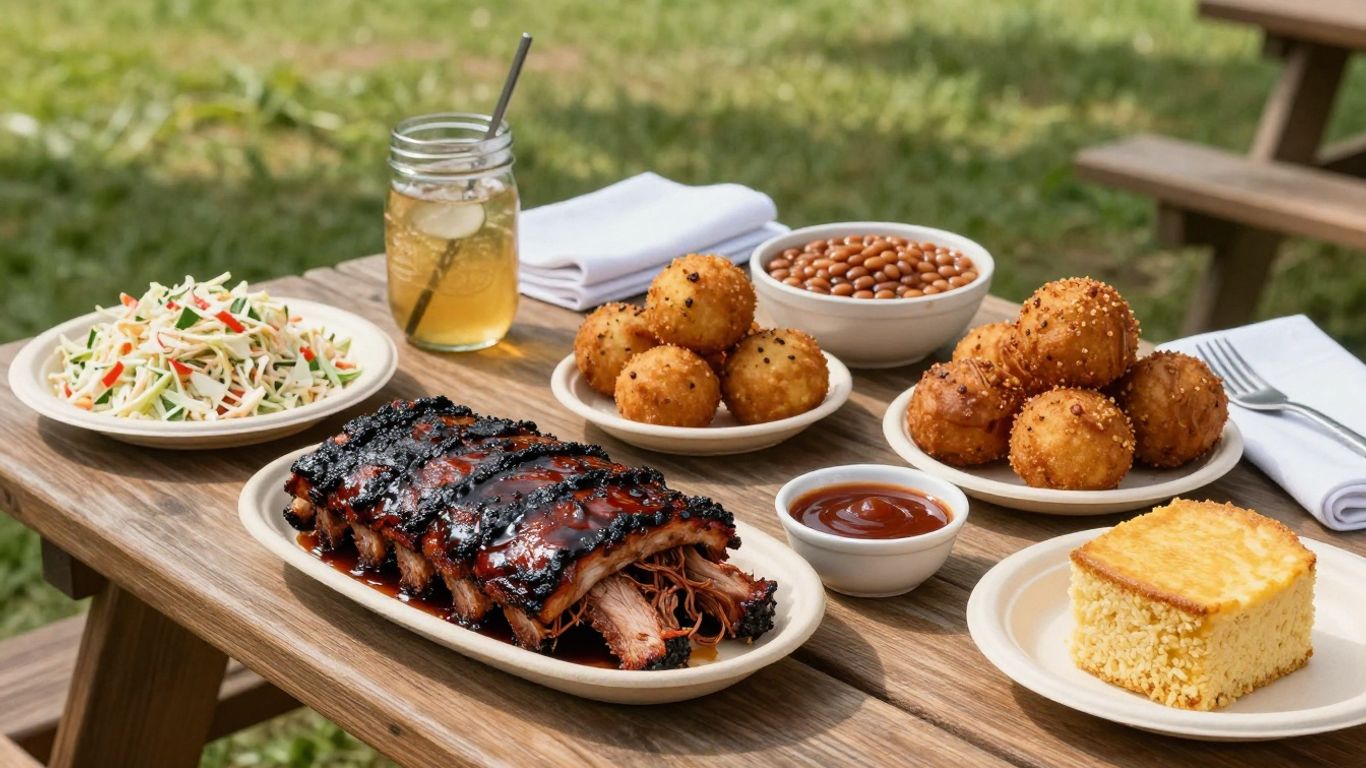
Beyond the pork and the sauce, Carolina BBQ wouldn’t be complete without its classic side dishes. These aren’t just afterthoughts; they’re integral to the whole experience, offering a balance to the rich, smoky meat.
Coleslaw On The Sandwich
This is where things get interesting. In Eastern North Carolina, you’ll often find coleslaw piled right on top of the pulled pork sandwich. It’s not a creamy, mayo-heavy slaw like you might see elsewhere. Instead, it’s typically a vinegar-based slaw, sometimes called ‘red slaw’ if it has a bit of ketchup or pepper mixed in. This adds a bright, tangy crunch that cuts through the richness of the pork. It’s a textural and flavor contrast that just works.
Cornbread And Hush Puppies
No Southern meal is complete without some sort of bread, and Carolina BBQ is no exception. Cornbread is a staple, often served as a crumbly, slightly sweet wedge. Then there are hush puppies. These are little deep-fried balls of cornmeal batter, seasoned with onion and sometimes a bit of spice. They’re crispy on the outside, soft on the inside, and perfect for soaking up any extra sauce or just enjoying on their own. They’re a bit addictive, honestly.
Complementing The Pork
These sides aren’t just there to fill you up. They’re chosen to work with the barbecue. The tang of the slaw, the slight sweetness and texture of the cornbread, and the savory crunch of the hush puppies all play off the smoky, vinegary, or mustardy flavors of the pork and its sauce. It’s a carefully balanced meal, designed to hit all the right notes.
The beauty of Carolina BBQ sides is their simplicity and their ability to enhance, not overpower, the star of the show: the pork. They’re down-to-earth, honest, and just plain good.
The History Of Carolina Barbecue
Origins On The Eastern Coastline
Barbecue in America, at least as we know it, really got its start along the eastern coast, stretching down from North Carolina. It wasn’t an American invention, though. The idea of slow-cooking meat over a fire? That seems to come from indigenous people in the Caribbean, folks like the Arawak. The Spanish called their cooking method ‘barbacoa,’ and eventually, that word morphed into ‘barbecue.’ It was enslaved people who really took these techniques and started making their own sauces, often using simple things like citrus juice and hot peppers. This is where the whole Carolina BBQ tradition truly began.
Borrowed From Indigenous Traditions
So, the roots of Carolina barbecue go way back, even before the colonies were fully established. Think about the Arawak people in the Caribbean. They had this way of cooking meat called ‘babacots,’ which involved slow cooking over wood. When the Spanish arrived, they picked up on this and called it ‘barbacoa.’ The English eventually turned that into ‘barbecue.’ But it was the enslaved Africans who really ran with these methods in the American South, adapting them and creating the first barbecue sauces. These early sauces were often pretty basic, maybe just lime or lemon juice mixed with hot peppers. It’s fascinating to think how these ancient cooking styles and simple ingredients laid the groundwork for what we love today.
Evolving Flavors Over Centuries
Over time, these basic ideas evolved. By the 1700s, people were experimenting more. We have records from travelers noting how peppers were being used to make sauces for meat. And as different groups of people settled in the Carolinas, they brought their own ideas. German immigrants, for instance, had a big impact, especially in the Piedmont region and South Carolina, bringing their love for pork and influencing the sauces with things like mustard and vinegar. The introduction of ketchup later on really shook things up, leading to different regional styles. It’s a story of adaptation and blending flavors that’s been going on for centuries.
Regional Variations Within The Carolinas
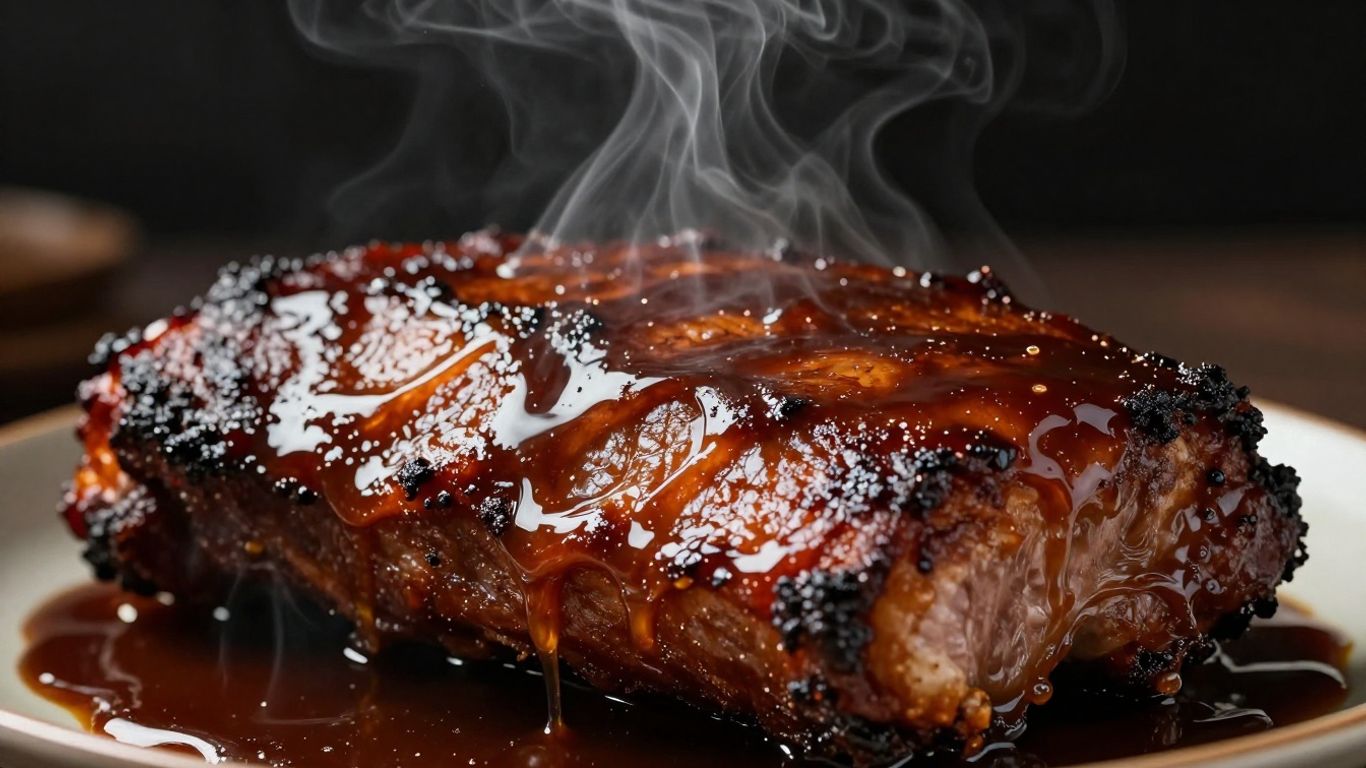
When you talk about barbecue in the Carolinas, it’s not just one thing. Nope, not even close. The state is basically split into barbecue camps, and folks get pretty passionate about their preferred style. It’s a culinary divide that’s as old as the hills, and it all comes down to a few key differences in how the pork is cooked and, most importantly, how it’s sauced.
East Versus West: A Culinary Divide
This is the big one. Head east, and you’re looking at the classic Eastern North Carolina style. Think whole hog, cooked low and slow, and dressed with a thin, vinegar-based sauce. It’s sharp, it’s tangy, and it really lets the pork shine. Now, travel west, and you’ll find the Piedmont or Lexington style. Here, the focus shifts to pork shoulder, and the sauce gets a little something extra – usually a touch of ketchup, giving it a bit of sweetness and a reddish hue. It’s still got that vinegar kick, but it’s a different kind of flavor profile altogether.
The Influence of Geography on Flavor
It’s funny how where you grow up can shape what you eat. The eastern part of the state, with its coastal roots, leans into that simple, pure vinegar sauce. It’s a flavor that cuts through the richness of the whole hog. As you move inland, towards the Piedmont region, things start to change. The introduction of ketchup into the sauce might seem small, but it makes a noticeable difference. Some folks say this shift is tied to historical trade routes or even the influence of different immigrant groups settling in various parts of the state over the centuries. It’s a subtle evolution, but it’s definitely there.
Pork Is King Across The Board
One thing you can count on, no matter which side of the Carolinas you’re on, is that pork is the undisputed king of barbecue. Whether it’s the whole hog in the east or the pork shoulder in the west, the pig is central to the tradition. The cooking methods might differ, and the sauces are certainly distinct, but the dedication to slow-cooked pork is a unifying force. It’s the common ground that brings all these regional variations together under the broad umbrella of Carolina barbecue.
Sweet Heat: Balancing Flavors
The Sweetness Of Ketchup And Sugar
Carolina BBQ sauces, while often celebrated for their tang, also play with sweetness. This isn’t about making a candy sauce, though. It’s about adding a layer that complements the smoky, rich pork. Think about the subtle sweetness that comes from a touch of sugar or even ketchup, especially in the Piedmont style. It’s not overpowering; it’s more like a gentle nudge that rounds out the sharper notes. This sweetness helps to balance the acidity of the vinegar and the heat from the peppers, creating a more complex flavor profile that keeps you coming back for more.
The Heat Of Red Pepper Flakes
Heat is another key player. In Eastern North Carolina, it’s often as simple as red pepper flakes. They’re not there to scorch your tongue, but to provide a pleasant warmth that cuts through the richness of the pork. It’s a clean heat, a slow burn that builds just enough to make things interesting. The amount can vary, of course. Some folks like it mild, others prefer a bit more of a kick. It’s all about finding that sweet spot, that perfect level of spice that makes the barbecue sing.
A Delicate Balance In Sauces
Getting the balance right is what separates a good Carolina sauce from a great one. It’s a careful dance between the sharp vinegar, the mellow sweetness, and the building heat. Too much vinegar, and it’s just sour. Too much sugar, and it’s cloying. Not enough heat, and it’s flat. The best sauces have a harmony to them. They’re vibrant and exciting, but also comforting. It’s this thoughtful combination that makes Carolina BBQ sauce so distinctive and so beloved.
Here’s a quick look at how the heat and sweet elements often play out:
- Eastern Style: Primarily vinegar and spice, with minimal sweetness. Heat comes from red pepper flakes.
- Piedmont/Lexington Style: A blend of vinegar and ketchup. Offers more sweetness and a milder heat.
- South Carolina Mustard Style: Tangy from mustard and vinegar, with sweetness often coming from sugar or honey, and heat from peppers.
The magic of Carolina BBQ sauce lies in its ability to be both bold and subtle. It’s a testament to how simple ingredients, when combined with care, can create something truly memorable. The interplay of tang, smoke, and a touch of heat is what defines this regional favorite.
More Than Just Sauce
So there you have it – Carolina BBQ is a whole thing, and it’s way more than just slathering some sauce on meat. It’s about the vinegar tang, the slow smoke, and that little kick of heat that just makes everything taste right. Whether you’re team Eastern-style with its pure vinegar punch or leaning towards the ketchup-kissed Western version, or even digging the mustard-based gold down in South Carolina, there’s a whole lot to love. It’s a tradition that’s been around forever, and honestly, it’s pretty cool how something so simple can bring people together. Next time you’re craving some serious flavor, give Carolina BBQ a try – you won’t regret it.
Frequently Asked Questions
What makes Eastern North Carolina BBQ sauce special?
Eastern North Carolina’s BBQ sauce is famous for being super simple and sharp. It’s mostly vinegar with red pepper flakes and sometimes a bit of sugar. What’s really important is that it never has tomatoes in it!
How is Piedmont or Lexington-style BBQ sauce different?
This style, often called Lexington Dip, is a bit different because it adds ketchup to the vinegar-based sauce. This gives it a slightly sweeter taste and a reddish color. Some people think German immigrants influenced this style.
What’s the deal with South Carolina’s mustard sauce?
South Carolina is known for its unique mustard-based sauce, often called ‘Carolina Gold.’ It’s tangy, rich, and has a bright yellow color. This sauce also has roots in German traditions, using mustard, vinegar, and spices.
Does Carolina BBQ always use the whole hog?
Not always! In Eastern North Carolina, cooking the whole hog is a big tradition. However, in Western Carolina, they often focus more on cooking just the pork shoulder. The way the meat is cooked really changes the taste.
Is sauce a big deal in Carolina BBQ?
Yes, sauce is super important! It’s not just something you pour on at the end. In Carolina BBQ, the sauce is often soaked into the meat while it cooks, layered on during the cooking process, or mixed right into the pulled pork.
What are common side dishes with Carolina BBQ?
You’ll often find classic sides like coleslaw, which sometimes even goes right on the pulled pork sandwich. Cornbread and hush puppies are also very popular choices that go great with the smoky pork.
Where did Carolina BBQ start?
Carolina BBQ has a long history, starting on the East Coast. Many believe the idea of slow-cooking meat over fire came from Native American traditions. Over many years, the flavors and styles have changed and grown.
What’s the main difference between Eastern and Western Carolina BBQ?
The biggest difference is the sauce and the cut of meat. Eastern style uses a thin, vinegar-based sauce and often the whole hog. Western style (Lexington) uses a ketchup-sweetened vinegar sauce and focuses on pork shoulder. But no matter where you go, pork is the star!