
You know, sometimes store-bought rubs just don’t hit the spot. They can be a bit bland, or maybe they’ve got some weird ingredient you can’t pronounce. That’s why I’ve been messing around with making my own homemade rub for BBQ meat. It’s actually way easier than you’d think, and you can really tailor it to what you like. Whether you’re a fan of super spicy or something a little sweeter, getting the flavor just right is pretty satisfying. Plus, it saves a bit of cash, and honestly, it’s kind of fun to have your own signature blend.
Key Takeaways
- Salt and pepper are the base of most rubs, so don’t skimp on them. Coarse grinds are usually best for sticking and flavor.
- Aromatics like garlic and onion powder, plus herbs, add depth. Smoked paprika is great for color and a hint of smoke.
- Sugar can add a nice caramelization, especially on pork or chicken, but be careful it doesn’t burn on direct heat.
- Start with a basic ratio, like 4 parts salt, 4 parts pepper, 2 parts aromatics, 1 part herbs, and a bit of spice and sugar, then adjust to your taste.
- Store your homemade rub for BBQ meat in airtight containers and keep notes on what you liked so you can recreate your favorite blends.
Understanding The Core Components Of A Homemade Rub For BBQ Meat
When you’re getting into making your own BBQ rubs, it’s good to know what makes them tick. Think of a rub like a recipe for flavor, and like any good recipe, it’s got its main players. These aren’t just random spices thrown together; they each have a job to do.
The Essential Role Of Salt In Flavor Enhancement
Salt is the MVP, no question. It doesn’t just make things taste salty; it actually makes everything else taste more like itself. Chicken tastes more like chicken, beef tastes more like beef. It’s like turning up the volume on the meat’s natural flavor. For rubs, you want to use something like coarse sea salt or kosher salt. Avoid the fine table salt; it’s easy to overdo it and can make your rub clump up.
Pepper: The Foundation Of A Great Rub
After salt, pepper is usually the next big thing. Black pepper is the classic choice, and for good reason. It brings a bit of warmth and a nice bite. When you’re making your own rub, go for a medium to coarse grind. This stuff sticks better to the meat and gives you those little bursts of flavor. Fine pepper just disappears. You can play around with white pepper too, but black pepper is your solid base.
Aromatics And Herbs For Depth And Complexity
This is where things get interesting and you start building layers. Aromatics like garlic and onion granules bring that savory, umami flavor that just makes everything taste better. Smoked paprika is great for color and a hint of smokiness, even if you’re not actually smoking the meat. Mustard powder adds a little tang. Herbs like oregano and thyme bring their own unique notes. You can mix and match these to create different flavor profiles.
The Sweetness Factor: Balancing Heat And Caramelization
Sugar isn’t always in every rub, but it’s a really useful addition. It helps to balance out any heat from chilies and, especially when cooking low and slow, it helps create that beautiful caramelized crust on the outside of the meat. Brown sugar is a popular choice because it has molasses notes, but you can also use things like demerara for a bit of crunch. Just be careful if you’re grilling over direct heat, as sugar can burn pretty quickly.
Building a rub is all about understanding how these different elements work together. You’re not just dumping spices in a bowl; you’re creating a flavor profile that complements the meat you’re cooking. It’s a bit of an art, but once you get the hang of it, you’ll wonder why you ever bought pre-made rubs.
Building Your First BBQ Rub: A Simple Starting Ratio
Alright, so you’re ready to ditch the store-bought stuff and make your own BBQ rub. That’s awesome! It’s not as complicated as you might think, and honestly, it’s way more rewarding. The key is to start with a good balance of flavors. Think of it like building blocks for taste.
Balancing Flavors With A Loose Guide
To get you started, here’s a basic ratio that works for a lot of different meats. It’s not set in stone, but it’s a solid foundation. You can always tweak it later based on what you like.
| Ingredient Type | Parts |
|---|---|
| Salt | 4 |
| Pepper | 4 |
| Aromatics (Garlic/Onion) | 2 |
| Herbs | 1 |
| Spices | ½–1 |
| Sugar | 2–3 |
This gives you a good starting point. The salt and pepper are your base, bringing out the meat’s natural flavor. Aromatics like garlic and onion powder add that savory depth we all love. Herbs bring in some freshness, and spices add a little kick or complexity. Sugar, well, that’s for a touch of sweetness and helps with caramelization, especially if you’re grilling.
Adjusting To Taste: The Importance Of Sampling
This is where the magic really happens. Before you slather your rub all over a big cut of meat, you gotta taste it. Seriously, just take a tiny pinch and taste it. Does it need more salt? More heat? Maybe a bit more sweetness? Don’t be afraid to experiment and adjust until it tastes just right to you. Remember, you can always add more, but you can’t take it away. If you’re making a batch for the first time, maybe start with a smaller amount of salt and chili powder. You can always add more to the rest of the batch if it’s not punchy enough. It’s a good idea to keep notes on what you liked and what you changed for your next batch, too. This way, you’ll nail your perfect blend every time.
Embracing Creativity With Spice Combinations
Once you’ve got the hang of the basic ratio, the world of spices opens up. Think about the flavors you enjoy. Do you like things smoky? Add more smoked paprika. Want a bit more heat? Throw in some cayenne or chili flakes. Maybe you’re feeling a little adventurous and want to try some cumin or coriander. The possibilities are pretty much endless. You can even look at existing BBQ spice rub recipes for inspiration, but don’t be afraid to go off-book. That’s how you find your signature flavor!
Making your own rub is also way cheaper than buying pre-made ones. You’re basically just mixing spices you probably already have, and you get a much better quality product. Plus, it’s a fun project for a lazy afternoon.
Mastering The Texas-Style Brisket Rub
When you think of Texas barbecue, brisket is king. And for good reason. It’s a cut of meat that demands respect, and the rub you use should do the same. The beauty of a classic Texas rub lies in its simplicity. It’s not about overwhelming the beef with a million spices; it’s about complementing the rich, beefy flavor and creating a fantastic crust. This rub lets the meat be the star.
Key Ingredients For A Peppery, Savory Profile
The foundation of a great Texas brisket rub is pretty straightforward. You’re looking for a balance of savory, peppery, and a touch of salt. Forget the sugar and fancy herbs for this one; we’re keeping it pure and beef-focused.
Here’s what you’ll typically find in a classic blend:
- Coarse Black Pepper: This is non-negotiable. You want a coarse grind, not the fine powder. It adds a bold bite and creates those desirable dark flecks on the bark. Think of it as the backbone of the flavor.
- Kosher Salt or Flaky Sea Salt: Salt is your flavor enhancer, plain and simple. It draws out moisture, helps form that delicious crust, and makes all the other flavors pop. Use a coarser salt that you can really feel when you rub it on.
- Garlic Granules/Powder: Adds a savory depth without burning too quickly like fresh garlic might.
- Onion Granules/Powder: Similar to garlic, it brings a mellow, savory sweetness.
- Optional: Smoked Paprika: While not strictly traditional in every single Texas rub, a little smoked paprika can add a beautiful color and a subtle smoky undertone that plays well with the beef.
Preparation And Application For Brisket Perfection
Making the rub is the easy part. It’s all about combining your ingredients thoroughly. A good ratio to start with is roughly equal parts salt and pepper, with smaller amounts of garlic and onion. For example, you might use 3 tablespoons of coarse black pepper and 2 tablespoons of kosher salt, then add 1 tablespoon each of garlic and onion granules. If you’re adding smoked paprika, start with about 1 tablespoon too. Mix it all up well in a bowl.
When it comes to applying it to your brisket, don’t be shy. Generously coat the entire surface of the brisket. You want a good, even layer. Many pitmasters like to apply the rub the night before cooking. This allows the salt to work its magic, drawing out some moisture and then reabsorbing the seasoned juices, which really helps to tenderize the meat and build a deeper flavor. This process is sometimes called dry brining.
Why This Classic Rub Lets The Beef Shine
So, why does this minimalist approach work so well for brisket? It’s all about letting the quality of the beef come through. Brisket is a flavorful cut on its own, especially when cooked low and slow until it’s incredibly tender. A complex, heavily spiced rub can sometimes mask that natural beefiness. The Texas-style rub, with its focus on salt and pepper, acts as a perfect partner. It creates a savory, slightly spicy crust that contrasts beautifully with the tender, juicy meat inside. It’s a testament to the idea that sometimes, less is truly more when it comes to barbecue. You can find a great starting point for a brisket rub recipe here.
This rub is all about building a robust, savory crust that complements, rather than competes with, the rich flavor of slow-cooked beef. The coarse texture of the pepper and salt creates pockets of flavor and a satisfying textural contrast to the tender meat.
Crafting A Carolina-Influenced Pork Rub
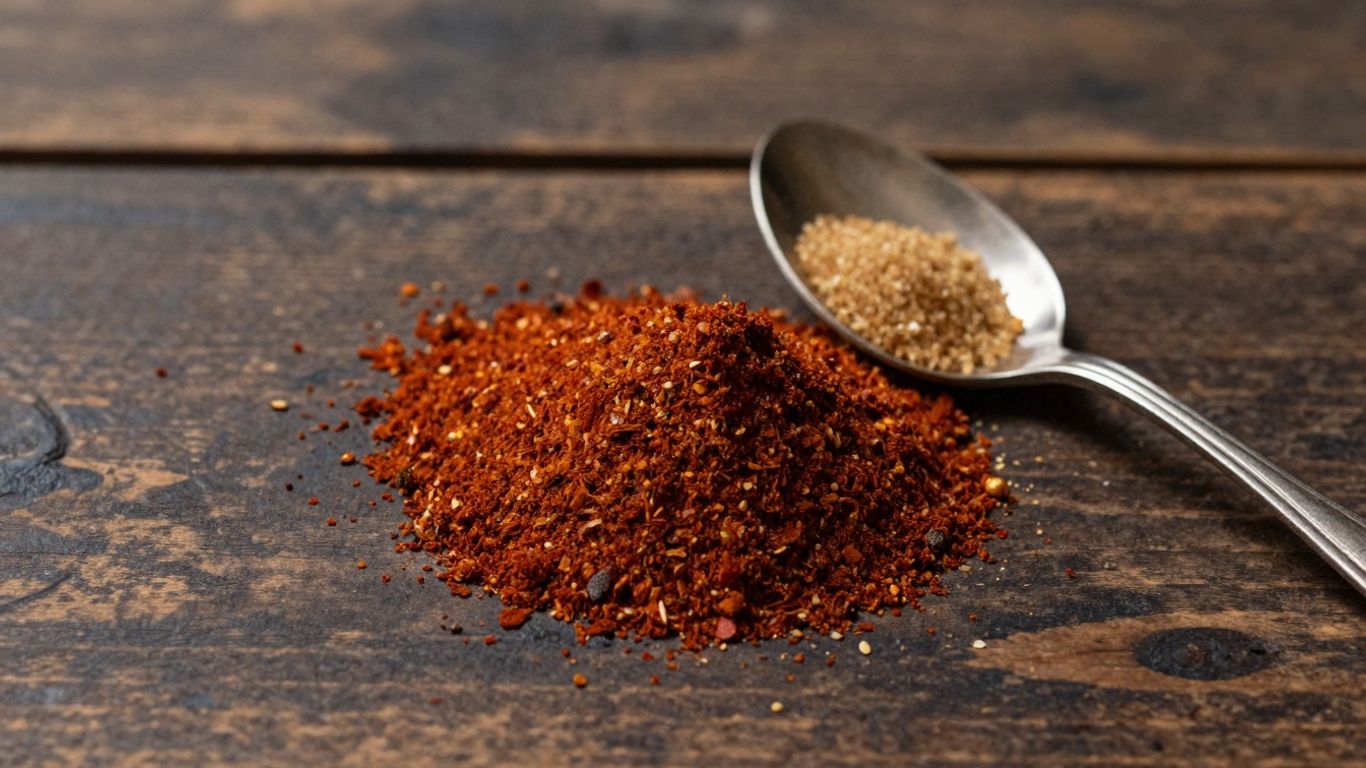
When you think of Carolina barbecue, a few things probably come to mind: vinegar, pork, and that signature tangy-sweet flavor. This rub aims to capture that essence, making it a fantastic choice for pork shoulder, ribs, or even pork chops. It’s got just enough sweetness to help things caramelize beautifully on the grill or in the smoker, without being overly sugary.
Achieving A Tangy-Sweet Profile
The magic in this rub comes from a simple combination of ingredients that balance sweetness with a bit of savory depth. Brown sugar is key here, providing that caramelization we’re after. Smoked paprika adds a lovely color and a hint of smokiness, even if you’re not smoking the meat low and slow. Garlic and onion powders are the backbone, offering that savory foundation that just makes everything taste better. A touch of black pepper and salt rounds it all out.
Ideal Meats For This Caramelizing Rub
This rub really shines on pork, especially cuts that benefit from a longer cooking time and can handle a bit of sweetness. Think pork shoulder for pulled pork, pork ribs (baby back or spare ribs), and even pork loin or tenderloin if you’re looking for a quicker meal. The sugar content helps create a gorgeous crust on these cuts.
Essential Ingredients For Pork Perfection
Here’s what you’ll need to whip up a batch of this Carolina-inspired rub:
- 3 tablespoons soft brown sugar: Light or dark, either works. Dark will give a deeper molasses flavor.
- 2 tablespoons smoked paprika: For color and that subtle smoky note.
- 2 teaspoons sea salt: Don’t skimp on the salt; it’s a flavor enhancer.
- 1 teaspoon ground black pepper: Freshly ground is always best.
- 1 teaspoon garlic powder: A must-have for savory depth.
- 1 teaspoon onion powder: Complements the garlic nicely.
- ½ teaspoon mustard powder: Adds a little tang and complexity.
- ¼ teaspoon ground cinnamon: This is the secret weapon! It adds warmth and works wonders with pork.
- ½ teaspoon chili powder (mild or hot): Adjust this based on how much kick you like.
Just mix all these ingredients together in a bowl until well combined. You can store any extra rub in an airtight container for future use. This rub is particularly good because it balances sweetness with savory notes, making it super versatile for pork.
When applying the rub, be generous! Pat it all over the pork, making sure to get into all the nooks and crannies. For best results, let the seasoned pork rest for at least an hour, or even overnight in the fridge, before cooking. This gives the flavors time to really meld into the meat.
The All-Purpose BBQ Rub: Versatility In A Blend
Sometimes you just need a go-to seasoning that works on pretty much anything. That’s where the all-purpose BBQ rub comes in. It’s the workhorse of your spice cabinet, ready to add a layer of deliciousness to everything from chicken and pork to veggies and even tofu. Making your own isn’t just about saving a few bucks compared to store-bought versions; it’s about controlling the quality and flavor profile.
Cost-Effectiveness Of Homemade Blends
Let’s be real, pre-made spice rubs can get pricey. You’re often paying for fancy packaging and a brand name more than the actual spices. When you mix your own, you buy the ingredients in larger quantities, which almost always works out cheaper per serving. Plus, you can whip up a big batch that’ll last you for months, saving you trips to the store.
Fresh Spices For Superior Quality
This is a big one. Those commercial rubs? They might have been sitting on a shelf for who knows how long. Spices lose their punch over time. Using fresh, good-quality spices you just bought makes a noticeable difference. You get brighter flavors, more intense aromas, and a rub that truly sings on your food. It’s like the difference between fresh herbs from the garden and dried ones that have been in the cupboard forever.
A Balanced Blend For Various Meats And Vegetables
The beauty of an all-purpose rub is its balance. It’s not too heavy on any one flavor, so it complements rather than overpowers. Think of it as a solid foundation you can build upon. A good starting point often includes a mix of savory, sweet, and a little bit of tang. This kind of blend works wonders because it hits multiple flavor notes that most people enjoy.
Here’s a basic idea of what goes into a versatile rub:
- Savory Base: Paprika (often smoked for depth), garlic powder, onion powder.
- A Little Kick: Black pepper is a must. You can add a pinch of cayenne if you like a little heat.
- Sweetness & Balance: Brown sugar or turbinado sugar helps with caramelization and balances out the salt and spice.
- The Binder: Salt is key for bringing all the flavors together and seasoning the food properly.
This kind of rub is fantastic because it’s forgiving. You can sprinkle it on chicken breasts before grilling, toss it with potato wedges before roasting, or even mix a little into your burger patties. It’s the kind of thing you’ll find yourself reaching for again and again because it just works.
Exploring Regional American BBQ Rub Variations
Barbecue rubs are like little flavor passports, each one telling a story about where it comes from. You see, America’s vast barbecue landscape isn’t just about different cuts of meat or cooking methods; it’s also about the spices pitmasters and home cooks alike have settled on over the years. It’s pretty fascinating how these blends can change so much from one state to the next.
Southern and Midwest Rub Archetypes
Down in the South and across the Midwest, you’ll often find rubs that are variations on a theme. They tend to be pretty balanced, usually featuring a mix of salt, pepper, and paprika. Then, they add things like onion or garlic powder, maybe some celery seed or mustard seed to give it a little something extra. It’s a comforting, familiar flavor profile that works on just about anything.
Texas Style: Salt, Pepper, and Heat
Texas barbecue, especially when it comes to brisket, is famously straightforward. The classic Texas rub is basically a no-nonsense combination of coarse salt and coarsely ground black pepper. Sometimes, they’ll throw in a pinch of hot pepper flakes to give it a little kick. The beauty of this rub is how it lets the rich flavor of the beef really take center stage. It’s all about simplicity and letting the quality of the meat shine through. You can find some great examples of this style in iconic American barbecue dishes.
Western Accents: Chili, Cumin, and Oregano
As you travel westward, the rubs start picking up some south-of-the-border influences. Think chili powder, cumin, and oregano. These ingredients bring a warmer, earthier, and sometimes slightly smoky flavor that pairs wonderfully with grilled meats. It’s a bit more complex than the Texas style, adding layers of flavor that are really satisfying.
Maverick Rubs with Unexpected Ingredients
Then you have the rule-breakers, the "maverick" rubs. These are the ones that use ingredients you might not expect in a barbecue rub. We’re talking about things like cocoa powder or ground coffee. These might sound a little wild, but they can add incredible depth and a unique twist to your barbecue. It just goes to show that when it comes to rubs, there are no limits to creativity.
Don’t be afraid to experiment. While regional styles offer a great starting point, the best rub is often the one you create yourself, tailored exactly to your taste and the food you’re cooking. Start with the basics and then let your imagination run wild.
Adding Spice And Heat To Your Homemade Rub
Alright, let’s talk about turning up the heat! If you’re someone who likes a little kick in your BBQ, this is where the fun really begins. Adding spice isn’t just about making things hot; it’s about adding another layer of flavor that can really make your dish sing. You don’t need to be a chili head to appreciate a bit of warmth, though. It’s all about finding that sweet spot that complements the meat, not overpowers it.
Essential Spicy Ingredients to Consider
When you’re looking to add some fire, there are a few go-to ingredients that work wonders in BBQ rubs. These aren’t just about heat; they bring their own unique flavor profiles too.
- Cayenne Pepper: This is your classic heat-bringer. It’s got a clean, sharp heat that kicks in pretty quickly. A little goes a long way, so start small.
- Chili Powders: This is a broad category, and you’ve got options! You can find mild, medium, or hot chili powders. Many are blends of different dried chilies, sometimes with other spices mixed in. They offer a more complex flavor than just pure cayenne.
- Crushed Red Pepper Flakes: These add not only heat but also a bit of texture. They look great sprinkled on the meat and give you little bursts of spice as you bite into your BBQ.
- Chipotle Powder: If you want heat with a smoky, earthy flavor, chipotle powder is your friend. It’s made from smoked jalapeños, so you get that double dose of flavor and fire.
Adjusting Heat Levels for Your Preference
This is probably the most important part: don’t just dump in a ton of hot stuff and hope for the best. You need to be smart about it. Think about who you’re cooking for. Are there kids? Are there folks who can’t handle a lot of spice? It’s always better to err on the side of caution. You can always add more heat later, maybe with a spicy sauce, but you can’t take it away once it’s in the rub.
Here’s a simple way to think about it:
- Start Low: For a standard rub, maybe start with just half a teaspoon of cayenne or chili powder per cup of rub. You can always taste and add more.
- Taste Test: Before you slather it on your meat, take a tiny pinch of the dry rub and taste it. Does it have a pleasant warmth? Or is it already making your eyes water?
- Consider the Cooking Method: If you’re grilling over direct heat, spices can sometimes intensify. If you’re smoking low and slow, the flavors have more time to meld and mellow.
The Role of Cayenne and Chili Powders
So, why are cayenne and chili powders so popular in BBQ rubs? It’s their versatility and the way they interact with other flavors. Cayenne offers a straightforward heat that doesn’t really compete with other spices. It just adds that pleasant burn.
Chili powders, on the other hand, can bring a whole spectrum of flavors. A good ancho chili powder, for example, has a mild heat with notes of chocolate and fruit. A New Mexico chili powder might be a bit brighter and fruitier. By choosing different types of chili powders, you can add both heat and a complex flavor profile to your rub without just making it painfully spicy. It’s about building layers, and these powders are fantastic tools for that.
When you’re adding heat, remember that it’s not just about the burn. Different peppers have different flavor notes. Some are fruity, some are earthy, and some are smoky. Think about what kind of flavor you want to pair with your meat. A smoky chipotle might be great for pork, while a brighter chili powder could work well with chicken.
| Spice Type | Typical Heat Level | Flavor Notes |
|---|---|---|
| Cayenne Pepper | Medium-Hot | Clean, sharp heat |
| Ancho Chili Powder | Mild | Fruity, chocolate, mild raisin |
| Chipotle Powder | Medium-Hot | Smoky, earthy, moderate heat |
| Standard Chili Pwdr | Mild to Hot | Varies; often earthy, sometimes slightly sweet |
The Magic Of Smoked Paprika And Other Aromatics
Alright, let’s talk about the flavor builders, the guys that really make a rub sing. We’re diving into aromatics and spices that add layers and depth, moving beyond just salt and pepper. Think of these as the supporting cast that makes your main actors shine even brighter.
Smoked Paprika For Color And Subtle Smoke
Smoked paprika is a game-changer. It’s not just about adding a pretty reddish-brown hue to your meat, though it does that beautifully. The real magic is in that subtle, smoky flavor it imparts, even without any actual smoke involved in the rub itself. It gives you a hint of that slow-cooked, wood-fired taste. It’s a fantastic way to add complexity, especially if you’re not smoking your meat for hours on end. A good quality smoked paprika can really make a difference in the final product. It’s one of those ingredients that makes people ask, "What did you put in that?"
Garlic And Onion Granules For Savory Notes
Garlic and onion granules are like the bedrock of savory flavor in many rubs. They’re not as sharp as fresh garlic or onion, which can sometimes burn or turn bitter when cooked. Granules, on the other hand, offer a mellow, consistent savory punch that blends really well. They provide that umami depth that makes meat taste more like itself, just… better. You can find these in most grocery stores, and they’re super easy to work with. Just toss them in with your other spices.
Mustard Powder For A Tangy Edge
Don’t sleep on mustard powder! It brings a little zing, a subtle tang that cuts through richness and balances out sweetness. It’s not about making your rub taste like mustard; it’s about adding a background note that brightens everything up. It works particularly well with pork and chicken. A little bit goes a long way, so start with a smaller amount and see how you like it. It’s a simple addition that can really round out your flavor profile. You can even find championship-winning BBQ rubs that include it.
Here’s a quick look at how these aromatics can play a role:
- Smoked Paprika: Adds color and a gentle smoky essence.
- Garlic Granules: Provides a mellow, savory foundation.
- Onion Granules: Complements garlic with another layer of savory depth.
- Mustard Powder: Introduces a bright, tangy counterpoint.
When you’re building your own blends, think about how these flavors interact. They’re not just individual ingredients; they’re pieces of a puzzle that create a more complete taste experience. It’s about layering those savory, smoky, and tangy notes to create something truly special for your barbecue.
Incorporating Sugar For Caramelization And Balance
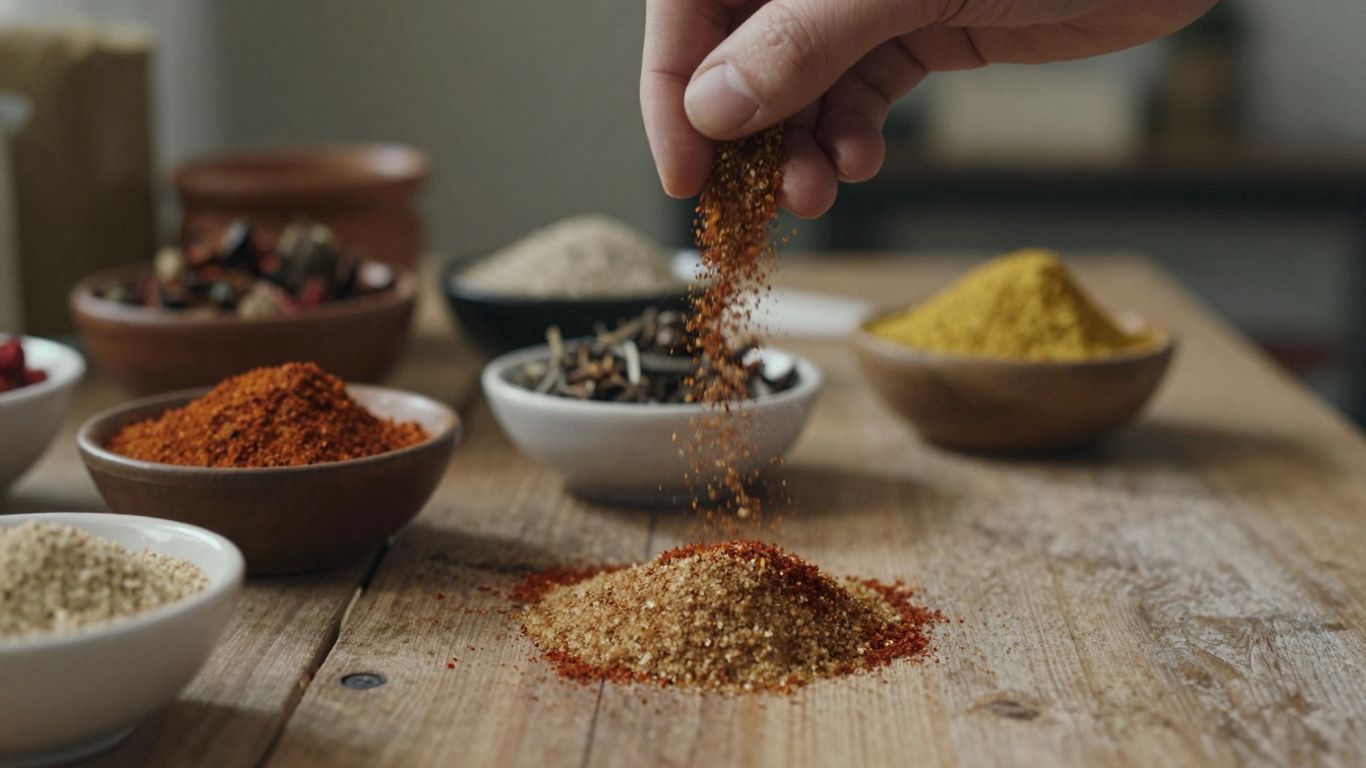
Alright, let’s talk sugar. Now, I know what some of you might be thinking – sugar in a BBQ rub? Isn’t that just going to make things burn? And yeah, you’re not entirely wrong, but hear me out. Sugar is like the secret handshake in a rub, the thing that can take your BBQ from good to seriously craveable. It’s not just about making things sweet; it’s about what happens when that sugar hits the heat.
Types Of Sugars To Use In Your Rub
When we talk sugar, we’re not just talking about the white stuff from the sugar bowl. There are a few different kinds that bring their own special something to the party:
- Brown Sugar (Light or Dark): This is your go-to. Dark brown sugar has more molasses, giving a deeper, richer flavor. Light brown sugar is a bit milder. Both work great for that classic caramelization.
- Demerara Sugar: This has larger crystals and a bit of a molasses flavor too. It can add a nice little crunch and helps with browning.
- Maple Sugar: If you want a different kind of sweetness, maple sugar is fantastic, especially with pork or chicken.
- Honey/Molasses (as a binder): While not strictly a dry rub ingredient, sometimes a little honey or molasses mixed into a paste can help the rub adhere and contribute to that sticky, caramelized finish.
Balancing Heat With Sweetness
This is where the magic really happens. Think about a spicy dish – sometimes a little sweetness cuts through the heat and makes it more pleasant, right? Sugar does the same thing in a rub. It doesn’t just add sweetness; it rounds out the sharper edges of spices like cayenne or chili powder. It creates a more complex flavor profile where you get a little bit of everything – savory, spicy, and sweet – all working together.
The interplay between sweet and heat is what makes a rub truly memorable. It’s a delicate dance, and sugar is often the partner that helps the heat feel more approachable and less aggressive.
Caution With Direct Heat Grilling
Now, about that burning thing. If you’re grilling over direct, high heat, you’ve got to be a little careful with sugar. Sugars, especially simple sugars, will caramelize and then burn pretty quickly. This means you might end up with a bitter, burnt crust instead of a delicious one. So, if you’re doing high-heat grilling, use sugar more sparingly in your rub, or consider adding it towards the end of the cooking process, or even basting with a sauce that has sugar in it.
For lower and slower cooking methods, like smoking or indirect grilling, you have a lot more leeway. The sugar has time to melt, caramelize, and form that beautiful, glossy bark without turning into charcoal. It’s all about matching your rub to your cooking method.
Practical Tips For Storing And Using Your Rubs
So you’ve gone and made your own amazing BBQ rub. That’s awesome! Now, how do you keep it tasting great and use it right? It’s not rocket science, but a few little things can make a big difference.
Airtight Storage For Maximum Freshness
First off, get yourself some jars. Old jam jars work perfectly, just make sure they’re clean and dry. You want something that seals up tight. This stops air from getting in, which is the enemy of fresh spices. If air gets in, your rub can lose its punch and start to taste a bit flat. A good seal is your best friend for keeping that flavor locked in.
Keeping Notes For Future Rub Creations
This is a big one, trust me. When you make a rub you really love, write down exactly what you did. What spices did you use? How much of each? Did you tweak anything from a recipe? Jot it all down in a notebook or on your phone. This way, when you want to make it again, or maybe make a slightly different version, you’ll know exactly where to start. It saves so much guesswork later on.
Versatile Uses Beyond BBQ Meat
Don’t think your homemade rub is just for ribs and brisket. Nope! This stuff is way more flexible than you might think. Sprinkle it on roasted vegetables before they go in the oven. Toss some on your french fries for an instant flavor boost. Even popcorn can get a serious upgrade with a dusting of your favorite blend. It’s all about experimenting and seeing where else you can add that delicious homemade flavor.
Here are a few ideas to get you started:
- Roasted Veggies: Toss broccoli, potatoes, or carrots with a little oil and your rub before roasting.
- Fries & Chips: A light sprinkle after they come out of the fryer or oven is fantastic.
- Popcorn: Shake it on while the popcorn is still warm.
- Eggs: Try a pinch on scrambled or fried eggs for a savory kick.
- Marinades: Mix with oil and vinegar to create a quick marinade for chicken or fish.
Wrap It Up
So there you have it. Making your own BBQ rubs isn’t some big secret, and honestly, it’s way more fun than just grabbing a pre-made jar off the shelf. You get to play around with flavors, figure out what you really like, and save a bit of cash too. Plus, you know exactly what’s going into your food. Keep your favorite mixes in airtight jars, jot down any changes you make, and don’t be afraid to try them on more than just meat – roasted veggies and even popcorn can get a flavor boost. Now go forth and get rubbing!
Frequently Asked Questions
What are the main parts of a BBQ rub?
The main things you’ll find in a BBQ rub are salt, pepper, and aromatics like garlic and onion powder. Some rubs also include herbs for extra flavor and sugar to help with caramelization. You can also add spices for heat.
Why is salt important in a BBQ rub?
Salt is super important because it makes everything taste better! It doesn’t just make food salty; it brings out the natural flavors of the meat, making it taste more like itself, but tastier.
What kind of pepper should I use?
For rubs, it’s best to use cracked black pepper with a medium to coarse grind. This kind sticks better to the meat and gives a bolder flavor than fine pepper.
Can I add sugar to my BBQ rub?
Yes, you can! Sugar is often added to help the meat caramelize and get a nice crust, especially on things like pork or chicken. Just be careful if you’re grilling over direct heat, as sugar can burn easily.
How do I store homemade BBQ rubs?
Keep your homemade rubs fresh by storing them in airtight containers, like clean jars with tight lids. This keeps the flavors from fading.
What’s a good starting ratio for a basic BBQ rub?
A good starting point is about 4 parts salt, 4 parts pepper, 2 parts garlic or onion powder, 1 part herbs, and then a smaller amount of sugar (2-3 parts) and spices for heat. You can adjust this based on what you like!
How can I make my rub spicier?
To add heat, you can include ingredients like cayenne pepper, chili powder, or crushed chili flakes. Start with a small amount and taste it, then add more if you want it hotter.
Are there different regional BBQ rub styles?
Yes, there are! For example, Texas-style rubs are often just salt and pepper. Carolina rubs tend to be more tangy and sweet, great for pork. Other regions might add spices like cumin or chili powder.