
Summer’s here, and you know what that means – firing up the grill! While burgers and hot dogs get all the glory, don’t forget about the veggies. Grilling vegetables brings out their natural sweetness and adds a smoky char that’s just irresistible. Forget boring steamed broccoli; we’re talking about seriously flavorful grilled vegetable recipes for BBQ season that even meat-eaters will be asking for seconds of. It’s a fantastic way to add color, flavor, and healthy goodness to any cookout without needing any meat.
Key Takeaways
- Grilling vegetables brings out their natural sweetness and adds a delicious smoky flavor, making them a fantastic meat-free option for BBQs.
- Many vegetables, like zucchini, bell peppers, corn, and mushrooms, are perfect for grilling and hold up well to the heat.
- Marinating vegetables, especially after grilling, helps them absorb more flavor and stay moist.
- Proper preparation, like cutting vegetables into uniform sizes and managing grill temperature, is key to achieving a good char and even cooking.
- Grilled vegetables are incredibly versatile, serving as a main course, a satisfying side dish, or an addition to salads and bowls.
Why You’ll Love Grilled Vegetable Recipes for BBQ Season
Summer’s here, and that means it’s time to fire up the grill! While burgers and steaks often steal the show, grilled vegetables are the unsung heroes of any barbecue. They bring a fantastic freshness and a smoky char that meat just can’t replicate. Plus, they’re surprisingly simple to prepare, making them a go-to for busy hosts and home cooks alike.
Naturally Delicious and Packed With Flavor
Grilling does something magical to vegetables. It caramelizes their natural sugars, bringing out a sweetness you wouldn’t expect. Think about corn on the cob getting those lovely black grill marks, or zucchini softening and becoming wonderfully tender. The heat also imparts a smoky flavor that’s just perfect for outdoor cooking. It’s a way to make even simple veggies taste incredibly special. They’re also a great source of fiber and antioxidants, making them a healthy choice too. You can find out more about the health benefits of grilling vegetables.
Effortless Preparation and Quick Cooking
Forget complicated recipes. Most grilled vegetable dishes involve just a bit of chopping, a quick toss with oil and seasonings, and then onto the grill they go. They cook up fast, usually in under 20 minutes, which means less time slaving away and more time enjoying the party. This speed makes them ideal for weeknight dinners or when you’re entertaining a crowd.
Versatile and Customizable for Any Palate
One of the best things about grilled vegetables is how adaptable they are. Don’t like bell peppers? Swap them for mushrooms or asparagus. Want a little spice? Add some chili flakes to your marinade. You can create endless combinations based on what’s in season or what you have on hand. They work as a side dish, a main course, or even chopped up and added to salads later.
Here are some popular choices:
- Bell Peppers (all colors)
- Zucchini and Yellow Squash
- Asparagus
- Corn on the Cob
- Portobello Mushrooms
- Red Onions
Grilling vegetables transforms them from everyday produce into something truly special. The smoky char and caramelized sweetness are hard to beat, and the minimal effort required makes them a BBQ season favorite for good reason.
Choosing the Best Vegetables for Grilling
When it comes to firing up the grill, the produce aisle is your oyster. You might be surprised at just how many vegetables transform beautifully over an open flame. The key is picking the right ones and giving them a little attention before they hit the heat. Some veggies are practically born for the grill, needing little more than a quick wash and a spot on the grates. Others benefit from a little pre-treatment to ensure they cook through without turning into charcoal briquettes on the outside.
Hearty Vegetables That Hold Up Well
These are the workhorses of the grilled vegetable world. They have a solid structure that can withstand the heat and often develop a wonderful sweetness and tender texture. Think of vegetables that have a bit of density to them. Potatoes, for instance, are fantastic grilled, but they usually need a head start. Parboiling or steaming them for a bit before they hit the grill ensures they get perfectly tender all the way through. Sweet potatoes, carrots, and beets also fall into this category. You can grill them whole if they’re small, or cut them into chunks or wedges. Just remember, the thicker the piece, the longer it might take to cook, so cutting them to a similar size is always a good idea for even results.
- Potatoes & Sweet Potatoes: Cut into wedges or thick slices. Parboil first for faster cooking.
- Carrots & Beets: Can be grilled whole (if small) or cut into halves or thick rounds. Roasting them in foil packets is also an option.
- Winter Squash: Varieties like butternut or acorn squash do well cut into thick wedges. The skin is often edible, adding a nice texture.
Some vegetables, like whole heads of cauliflower or broccoli, can be tricky. They might look great on the outside but be raw inside. A quick steam or parboil beforehand makes a world of difference.
Sweet and Savory Options for Skewers
Skewers are a fun way to grill vegetables, and they’re perfect for parties. You want vegetables that can be cut into bite-sized pieces and hold their shape. This is where you can really play with color and flavor combinations. Bell peppers, onions, zucchini, and cherry tomatoes are classic choices. They cook relatively quickly and get those lovely grill marks. For a touch of sweetness, chunks of pineapple or corn cut into rounds work wonders. Just make sure your pieces aren’t too small, or they’ll fall through the grates. Threading them onto skewers, whether metal or soaked wooden ones, makes them easy to manage.
- Bell Peppers: Cut into 1-inch squares.
- Onions: Red or yellow onions, cut into wedges or thick squares.
- Zucchini & Summer Squash: Cut into 1-inch thick rounds or half-moons.
- Cherry Tomatoes: Leave whole.
- Mushrooms: Button or cremini mushrooms, left whole or halved if large.
Beyond the Usual: Unique Veggies to Grill
Don’t be afraid to step outside the box! There are plenty of less common vegetables that grill up surprisingly well. Fennel, for example, becomes wonderfully tender and slightly sweet when grilled, especially when cut into wedges. Asparagus is a no-brainer, needing just a few minutes on the grill. Leeks, when grilled whole or cut lengthwise, develop a mild, sweet flavor. Even snap peas or snow peas can be tossed on the grill for a quick char and tender-crisp texture. The key is to understand their density and adjust your cooking time accordingly. Some might need a quick blanch, while others are perfect as is.
Mastering the Art of Marinating Grilled Vegetables
When it comes to grilling vegetables, marinating can really make them sing. But there’s a bit of a trick to it, and honestly, it’s not always about doing what seems obvious. You might think slathering veggies in a tasty marinade before they hit the heat is the way to go, but for grilled vegetables, that’s often not the case.
The Debate: Marinate Before or After Grilling?
This is where things get interesting. For meats, marinating beforehand is pretty standard. It helps tenderize and infuse flavor. But vegetables? They’re different. Hot vegetables soak up marinades like sponges, so applying your flavor after grilling often yields a much more intense taste. Marinating raw veggies can sometimes lead to them sweating on the grill, making them a bit limp and less appealing. Plus, the char you get from grilling adds its own layer of flavor that can be masked if the veggies are already saturated.
Flavorful Marinades to Elevate Your Veggies
Even though we’re leaning towards marinating after grilling, the marinade itself is still key. Think of it less as a pre-grill tenderizer and more as a post-grill flavor bath. Here are some ideas for what to mix up:
- Citrus-Herb: Olive oil, lemon juice, minced garlic, fresh parsley, oregano, salt, and pepper. Simple, bright, and works with almost anything.
- Balsamic Glaze: Balsamic vinegar reduced down with a touch of honey or maple syrup, maybe some Dijon mustard. It gets wonderfully sticky and sweet.
- Spicy Soy-Ginger: Soy sauce (or tamari for gluten-free), grated fresh ginger, a splash of sesame oil, and a pinch of red pepper flakes. Great for heartier veggies.
- Creamy Tahini: Tahini, water to thin, lemon juice, garlic powder, and a pinch of salt. This one is rich and nutty.
Achieving Moisture and Preventing Dryness
Dry grilled vegetables are a sad sight. To keep them juicy and delicious:
- Don’t Overcook: Keep an eye on them. You want char, but not charcoal.
- Use a Little Oil Before Grilling: Even if you’re marinating after, a light coating of oil before they hit the grill helps prevent sticking and promotes even cooking and charring.
- Marinate While Hot: As mentioned, toss those freshly grilled veggies in your chosen marinade right off the heat. The residual heat helps the flavors meld.
- Consider Pre-Cooking: For denser vegetables like potatoes or thick carrots, a quick steam or boil before grilling can ensure they’re tender all the way through without burning on the outside.
The goal with marinating grilled vegetables is to add a final layer of flavor and moisture, rather than trying to fundamentally change their texture before cooking. Think of it as dressing a salad, but with the smoky goodness of the grill already built-in.
Essential Techniques for Perfect Grilled Vegetables
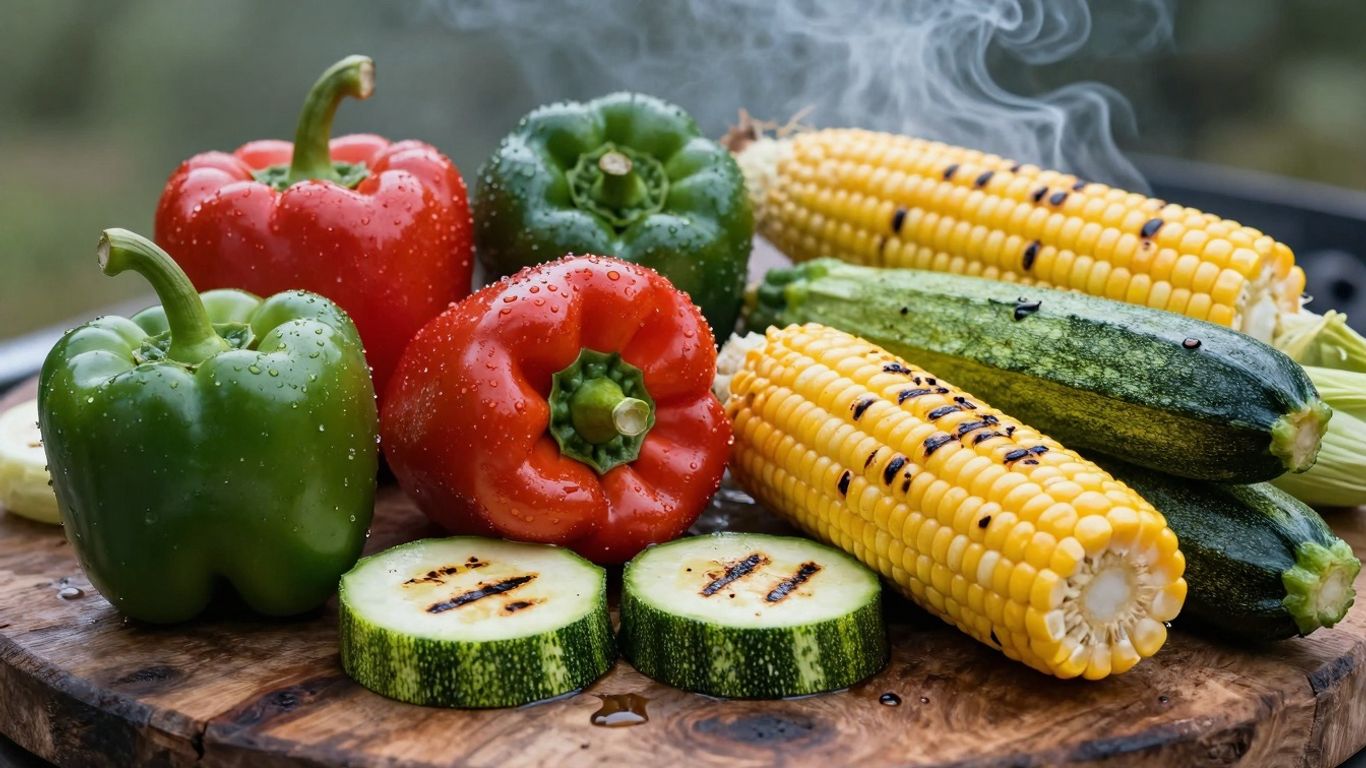
Getting your vegetables just right on the grill is all about a few key steps. It’s not complicated, but paying attention to the details makes a big difference between a mushy mess and perfectly tender, slightly charred goodness.
Cutting Vegetables for Even Cooking
This is probably the most important part. If you have pieces of zucchini that are super thin and pieces that are thick chunks, they’re going to cook at totally different rates. You’ll end up with some burnt bits and some raw bits, and nobody wants that. The goal is to cut everything into similar-sized pieces. Think about how long each vegetable typically takes to cook. Root vegetables like carrots or potatoes will need to be smaller than something like a bell pepper or onion if you want them to finish at the same time.
- Uniformity is key: Aim for pieces that are roughly the same thickness and surface area.
- Consider density: Harder vegetables might need to be cut smaller or pre-cooked.
- Skewers: If you’re using skewers, cut pieces so they fit snugly together without too much empty space.
Grill Temperature and Cooking Times
Grill temperature is your best friend here. You want enough heat to get a nice sear and char, but not so much that everything burns before it cooks through. A good range to aim for is usually between 400°F and 450°F for direct grilling. This temperature allows for quick cooking and good caramelization.
| Vegetable Type | Approximate Grill Time (per side) | Notes |
|---|---|---|
| Zucchini/Squash | 4-6 minutes | Slice about ½ inch thick |
| Bell Peppers/Onions | 5-7 minutes | Cut into large chunks or wedges |
| Corn on the Cob | 10-15 minutes total | Rotate frequently |
| Portobello Mushrooms | 5-8 minutes | Grill cap-side down first |
Remember, these are just guidelines. Your grill might run hotter or cooler, and the thickness of your cuts will affect cooking time. Keep an eye on things!
Achieving the Perfect Char
That smoky, slightly bitter char is what makes grilled vegetables so appealing. To get it, you need direct heat. Place your vegetables directly over the hottest part of the grill. Don’t be afraid to let them sit for a few minutes without moving them to develop those nice grill marks. Flipping them halfway through the cooking process helps ensure even charring on all sides. If you’re using a grill basket, make sure it’s hot before you add the vegetables, and give it a good shake occasionally to help them move and get good contact with the heat.
Don’t overthink the char. A little bit of blackening is good; a lot of blackening means you might have had the heat too high or left them on too long. It’s a balance, and you’ll get a feel for it the more you grill.
Delicious Grilled Vegetable Recipes to Try
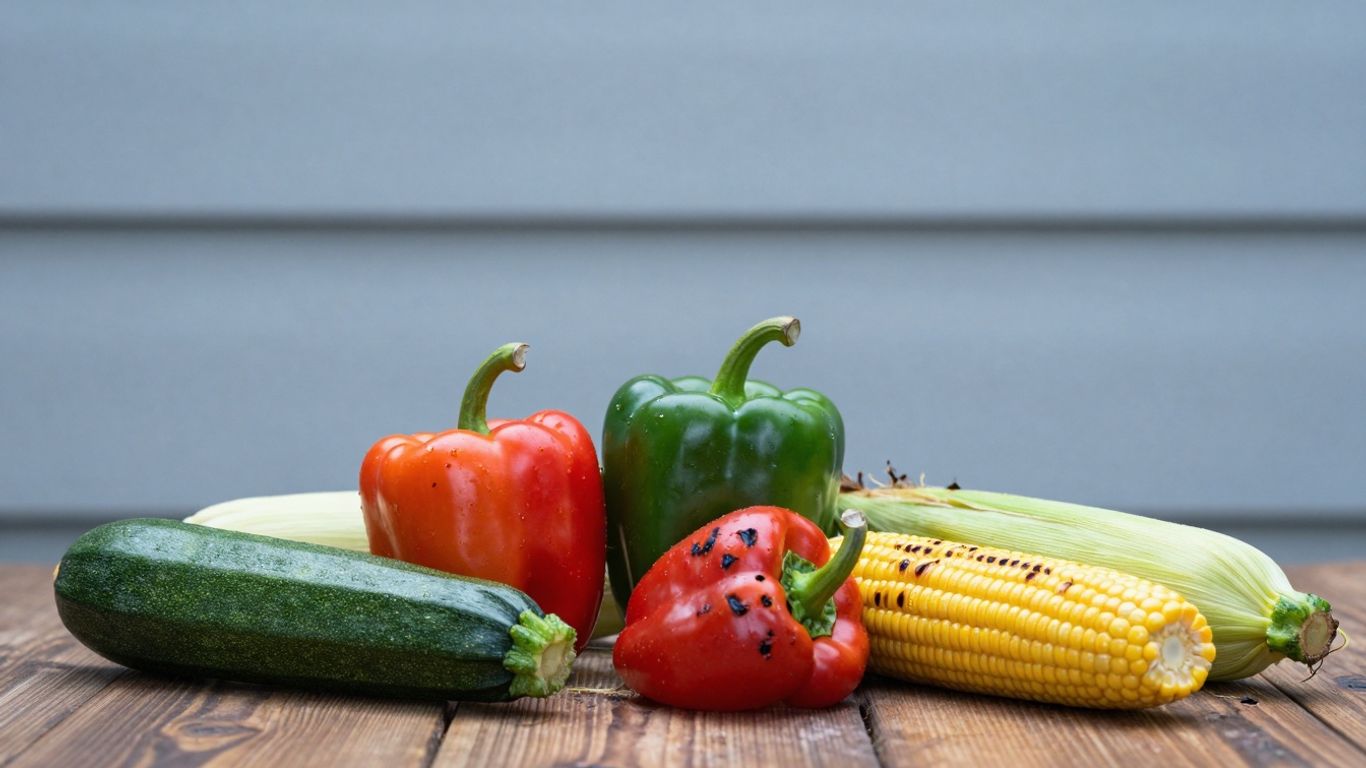
When the weather heats up, there’s nothing quite like the smoky char you get from grilling vegetables. It transforms them from everyday produce into something special. Forget boring steamed broccoli; we’re talking about bringing out the natural sweetness and adding a whole new layer of flavor. These recipes are simple enough for a weeknight but impressive enough for a backyard party.
Smoky Grilled Corn on the Cob
Corn on the cob is a summer classic for a reason. Grilling it gives it those lovely charred bits and a smoky sweetness that’s hard to beat. You can go simple with just butter and salt, or get fancy with some chili powder and lime. It’s a crowd-pleaser that’s always a hit.
- Prep: Husk the corn, leaving the silk on or removing it, your choice. A little olive oil or melted butter helps the seasonings stick.
- Grill: Medium-high heat for about 10-15 minutes, turning often, until tender and nicely charred.
- Serve: With your favorite toppings – think cotija cheese, cilantro, or a squeeze of lime.
Lemony Grilled Zucchini and Squash
Zucchini and yellow squash are perfect candidates for the grill. When sliced lengthwise or into planks, they cook up tender with slightly crispy edges. The key here is a bright, zesty marinade. A simple mix of olive oil, lemon juice, garlic, and some dried herbs works wonders. This combination is light and refreshing, making it a great side dish that won’t weigh you down. You can even find some great vegetable grilling ideas online to mix things up.
Don’t be afraid to let the vegetables get a good char. Those dark, almost black spots are where the real flavor is. They add a wonderful depth that you just can’t get from other cooking methods.
Hearty Grilled Portobello Mushrooms
Portobello mushrooms are practically begging to be grilled. Their meaty texture makes them a fantastic vegetarian main course or a substantial side. Marinate them in something savory – balsamic vinegar, soy sauce, garlic, and a touch of olive oil is a winning combo. They soak up flavor like a sponge and get wonderfully tender on the grill. They’re so satisfying, you might forget you’re not eating meat.
Creative Ways to Serve Your Grilled Vegetables
So, you’ve mastered the art of grilling vegetables, and now you’ve got a beautiful platter of smoky, tender goodness. What next? Don’t just let them sit there! These vibrant veggies are incredibly versatile and can be the star of your meal or a fantastic supporting act. Let’s explore some fun ways to present your grilled creations.
As a Standalone Main Course
Who says you need meat to make a meal feel substantial? Grilled vegetables can absolutely take center stage. Think about hearty options like thick slices of grilled portobello mushrooms, substantial zucchini planks, or even whole grilled cauliflower heads. These can be drizzled with a flavorful sauce – maybe a zesty cilantro lime dressing or a robust chimichurri – and served over a bed of fluffy quinoa, farro, or couscous. Add a dollop of creamy tzatziki or a sprinkle of feta cheese, and you’ve got a complete, satisfying dish that even the most dedicated carnivore might eye with envy.
Perfect Side Dish for BBQs
Of course, grilled vegetables are a natural fit as a side for any barbecue. They add color, texture, and a healthy balance to heavier grilled meats or burgers. Imagine a colorful medley of grilled bell peppers, onions, and corn alongside your burgers or ribs. They pair wonderfully with classic BBQ fare, offering a fresh counterpoint to richer flavors. You can even arrange them artfully on a platter, perhaps with a sprinkle of fresh herbs, to make them look as good as they taste.
Incorporating into Salads and Bowls
Grilled vegetables bring a whole new dimension to salads and grain bowls. The smoky char adds a depth of flavor that raw or steamed veggies just can’t match. Chop up your grilled zucchini, eggplant, and asparagus and toss them into a pasta salad for an instant upgrade. Or, layer them into a grain bowl with your favorite grains, a protein source like chickpeas or grilled tofu, and a delicious dressing. They also work wonders in wraps or tucked into pita pockets for a quick lunch.
The beauty of grilled vegetables lies in their adaptability. They can absorb marinades and sauces beautifully, and their texture transforms from crisp to tender with just a few minutes over the heat. Don’t be afraid to experiment with different combinations and serving styles to find your personal favorites.
Flavorful Sauces and Dressings for Grilled Veggies
So, you’ve got your perfectly charred, tender grilled vegetables. Awesome! But what takes them from good to absolutely amazing? The sauce, my friends. It’s like the cherry on top, or in this case, the drizzle on your zucchini.
Tangy Cilantro Lime Dressing
This one is bright, zesty, and just screams summer. It’s super simple to whip up. Just blend fresh cilantro, lime juice, a bit of garlic, maybe a tiny splash of olive oil if you’re using it, and a pinch of salt. It’s fantastic on corn, bell peppers, and especially zucchini. It adds a fresh kick that cuts through any smokiness from the grill.
Herbaceous Chimichurri Sauce
Chimichurri is a classic for a reason. It’s a vibrant green sauce, usually made with parsley, oregano, garlic, olive oil, and red wine vinegar. It’s got a bit of a bite and a lot of herbaceous flavor. This sauce is amazing on almost anything, but it really shines with heartier vegetables like eggplant, portobello mushrooms, and even asparagus. It’s one of those sauces that makes you want to eat more vegetables than you thought possible.
Creamy Tzatziki and Pesto Options
If you’re looking for something a little richer, consider a creamy tzatziki. Made with Greek yogurt, cucumber, garlic, and dill, it’s cool, refreshing, and pairs wonderfully with grilled zucchini, squash, and peppers. It’s like a spa treatment for your veggies. And then there’s pesto! Whether it’s a traditional basil pesto or a variation with sun-dried tomatoes or arugula, pesto brings a rich, nutty, and savory depth. It’s great for tossing with grilled mushrooms or even as a spread on grilled portobello mushroom caps. You can find some great pesto recipes online to try making your own.
Don’t be afraid to experiment! Sometimes the best sauces are the ones you create yourself by mixing and matching flavors you love. A simple Dijon dipping sauce can also be a great addition for dunking various grilled vegetables. Dijon dipping sauce
Here are a few ideas to get you started:
- Cilantro Lime: Fresh cilantro, lime juice, garlic, salt, a touch of honey (optional).
- Chimichurri: Parsley, oregano, garlic, red wine vinegar, olive oil, red pepper flakes, salt.
- Tzatziki: Greek yogurt, grated cucumber, garlic, dill, lemon juice, salt.
- Pesto: Basil, pine nuts, Parmesan cheese, garlic, olive oil.
These sauces are what really make grilled vegetables shine, turning a simple side into a star of the show. They add moisture and a burst of flavor that complements the smoky char from the grill.
Grilling Vegetables Without Oil
Oil-Free Marinade Ingredients
So, you want to grill up some veggies but skip the oil? Totally doable! The key is to use marinades that pack a punch in the flavor department and also help keep things from sticking and drying out. Think about ingredients that are naturally moist or acidic. Lemon juice, lime juice, and various vinegars like balsamic or apple cider work wonders. Soy sauce or tamari adds saltiness and umami. For a bit of sweetness, a touch of maple syrup or agave nectar can be nice. Don’t forget the aromatics – garlic, ginger, and fresh herbs like rosemary or thyme add a lot without any oil. Spices are your best friend here too; paprika, cumin, or chili powder can give a great kick.
Alternative Cooking Sprays
If you’re worried about sticking, especially with more delicate veggies, there are a few tricks. Instead of oil, you can use things like vegetable broth or even aquafaba (the liquid from a can of chickpeas). Just a light spray or brush of these before they hit the grill can make a difference. Some people also find that a quick spritz of water can help, especially if you’re cooking over direct heat and things start to look a little too dry. It’s all about finding what works for your grill and the veggies you’re using.
Basting for Moisture Retention
This is where you can really get creative and keep those vegetables juicy. While they’re grilling, you can brush them with extra marinade, a bit of vegetable broth, or even a light, oil-free vinaigrette. This not only adds more flavor as they cook but also helps create a barrier that keeps moisture locked inside. It’s like giving your veggies a little spa treatment on the grill. You can do this a couple of times during cooking, especially if you notice them starting to look a bit dry. The goal is to get that nice char without turning your vegetables into sad, shriveled-up disappointments.
Here’s a quick rundown of what to consider:
- Marinade Time: For best results, let your veggies soak in the oil-free marinade for at least 3 hours, or even better, overnight in the fridge.
- Grill Heat: Medium heat is usually your friend here. Too high, and they’ll burn before they cook through. Too low, and they might just steam.
- Turning: Don’t be afraid to turn them regularly to get even cooking and char marks on all sides.
When you’re grilling without oil, the marinade is doing double duty – adding flavor and preventing sticking. So, make sure your marinade has enough liquid and acidity to really work its magic. Don’t skimp on the herbs and spices either; they’re what will make your veggies sing.
Alternative Cooking Methods for Grilled Vegetable Flavor
Using a Grill Pan on the Stove
Don’t have an outdoor grill or maybe the weather just isn’t cooperating? No worries! A grill pan is your best friend for getting those signature grill marks and smoky notes right in your kitchen. These heavy pans, usually cast iron, have raised ridges that mimic a grill grate. When you heat them up, they get nice and hot, searing the vegetables and leaving those attractive char lines. Plus, the ridges allow the vegetable’s moisture to drain away, preventing them from steaming.
- Preheat the pan: Get it smoking hot over medium-high heat before adding any vegetables. This is key for good searing.
- Don’t overcrowd: Give your veggies some space. Overcrowding lowers the pan’s temperature and leads to steaming instead of searing.
- Use a high-heat oil: A little bit of oil helps prevent sticking and promotes browning. Think avocado or grapeseed oil.
Roasting for Smoky Undertones
Roasting in the oven can actually give you a surprisingly similar flavor profile to grilling, especially if you crank up the heat. The dry, intense heat of the oven caramelizes the natural sugars in vegetables, giving them a deep, sweet flavor and those desirable browned edges. For an extra smoky kick, you can even add a pinch of smoked paprika to your seasoning mix. It’s a fantastic way to get that grilled flavor without needing a grill at all.
Roasting vegetables at high temperatures, around 400-450°F (200-230°C), really brings out their natural sweetness and creates those lovely caramelized bits that we associate with grilling.
Countertop Electric Grill Options
These compact electric grills are super convenient for small spaces or when you just want to grill a quick batch of veggies. They heat up fast and offer a controlled cooking environment. While they might not give you the exact same intense char as a charcoal grill, they do a great job of cooking vegetables evenly and can impart a pleasant grilled flavor. Many models come with interchangeable plates, so you can switch from grill plates to griddle plates depending on what you’re making. They’re easy to clean, too, which is always a bonus.
Making Grilled Vegetables a Meal Prep Staple
Grilling up a big batch of vegetables is a smart move, not just for your immediate BBQ needs, but for the whole week ahead. It’s a fantastic way to get a head start on healthy eating without a lot of fuss. Think of it as setting yourself up for success.
Storing Leftovers for Future Meals
Once your grilled veggies have cooled down, proper storage is key to keeping them tasty. You can pop them into airtight containers and keep them in the fridge for about 3 to 4 days. They hold up pretty well, and the smoky flavor actually gets even better as it melds. This makes them super convenient for grabbing when you need a quick addition to a meal.
Transforming Grilled Veggies into Sandwiches
Leftover grilled vegetables are absolute gold for sandwiches. Imagine slicing up some grilled zucchini, bell peppers, and onions, then piling them onto some crusty bread with a smear of hummus or pesto. It’s a whole different meal, and way more interesting than a plain old ham and cheese. You can even chop them up and mix them with a little dressing to make a hearty filling.
Quick and Easy Weekday Additions
Having pre-grilled vegetables ready to go means you can seriously speed up weeknight dinners. Toss them into a pasta dish, add them to a grain bowl, or throw them on top of a salad. They’re also great alongside eggs for breakfast or brunch. It really cuts down on cooking time when you’re tired after a long day. For more ideas on using prepped veggies, check out how to roast vegetables.
The beauty of grilling vegetables for meal prep is their adaptability. They don’t just sit there; they transform. What was a side dish at the barbecue becomes the star of a quick lunch or a component of a balanced dinner, all with minimal extra effort.
Ready to Grill!
So there you have it. Grilling vegetables is a super simple way to add some serious flavor to your BBQ spread, and it’s way healthier than just loading up on burgers. You can mix and match your favorites, toss them in a tasty marinade after they’re cooked, and serve them up as a side or even a main dish. It’s a great way to get more veggies in without feeling like you’re missing out on any of the fun. Give it a try this weekend – your taste buds (and your body) will thank you.
Frequently Asked Questions
What vegetables are best for grilling?
Lots of veggies taste amazing on the grill! Think about things like zucchini, bell peppers, onions, mushrooms, corn on the cob, and asparagus. Heartier veggies like eggplant and potatoes also do really well. Basically, most vegetables that aren’t leafy greens can handle the heat and get a delicious smoky flavor.
Should I put oil on vegetables before grilling?
It’s a good idea to use a little oil or a marinade with oil before grilling. This helps prevent the veggies from sticking to the grill and keeps them from drying out. You can also use cooking spray or brush them with a bit of broth.
How do I keep vegetables from drying out on the grill?
To keep your veggies juicy, try marinating them for a bit before grilling. Cooking them over medium heat and turning them often also helps. You can even brush them with a little extra marinade or broth while they’re cooking to lock in moisture.
Can I grill vegetables without a grill?
Absolutely! If you don’t have an outdoor grill, you can get a similar smoky flavor using a grill pan on your stovetop. Roasting vegetables in a hot oven also works well, or you can use a countertop electric grill.
How should I cut vegetables for grilling?
It’s best to cut your vegetables into similar-sized pieces. This helps them cook evenly. For things like zucchini or peppers, cutting them into larger chunks or slices works well so they don’t fall through the grill grates. You can also use skewers for smaller pieces.
Should I marinate vegetables before or after grilling?
Many people find that marinating vegetables *after* grilling gives them the best flavor. Hot vegetables soak up marinades really well, tasting almost like they’ve been pickled. However, marinating before can add flavor and help keep them moist during cooking.
What are some good marinades for grilled vegetables?
You can get creative with marinades! Simple mixtures of olive oil, lemon juice, garlic, and herbs like rosemary or thyme work great. Balsamic vinegar, soy sauce, or even a bit of honey can add different flavor profiles. Just make sure your marinade has some acidity to help tenderize the veggies.
How long should I grill vegetables?
Cooking times can change depending on the vegetable and how hot your grill is. Generally, softer veggies like mushrooms and peppers might take about 5-10 minutes, while harder ones like potatoes might need longer, maybe 15-20 minutes, or even a quick pre-cook before grilling.