
Making your own BBQ sauce at home might sound like a lot of work, but honestly, it’s pretty simple. You’ll probably wonder why you didn’t start sooner. Sure, there are good store-bought options out there, but making your own means you get the flavor exactly how you like it. Plus, a good homemade sauce can really make your grilled chicken, ribs, or even burgers way better. So, let’s get into some awesome bbq sauce recipes that will make your next cookout a hit.
Key Takeaways
- Homemade BBQ sauce lets you control the exact flavors, making it better than store-bought.
- Classic BBQ sauces often balance sweet and tangy notes, using ingredients like ketchup, vinegar, and sugar.
- Spicy variations can be made by adding cayenne, chili powder, or hot sauce to your base recipe.
- Regional styles like Kansas City (thick, sweet), Carolina (tangy vinegar), and Texas (smoky) offer diverse flavor profiles.
- Proper storage in an airtight container in the fridge keeps your homemade sauce fresh for up to two weeks.
Mastering The Art Of Homemade BBQ Sauce Recipes
Why Homemade BBQ Sauce Reigns Supreme
Look, I get it. Grabbing a bottle off the shelf is easy. But honestly, the stuff you make yourself? It’s a whole different ballgame. You get to control exactly what goes in it, from the sweetness to the heat. Plus, it’s way simpler than you might think. Forget those complicated recipes; most homemade sauces come together with just a few common pantry staples. You can tweak it to your exact liking, making it perfect for whatever you’re grilling that day. It’s about taking your food from good to seriously memorable.
Understanding The Core Components Of BBQ Sauce
So, what actually makes up a BBQ sauce? It’s not just random stuff thrown in a pot. Most sauces have a base, something for sweetness, something for tang, and then the flavor boosters. Think of it like building blocks.
- Base: Usually tomato-based like ketchup or tomato paste, but not always. Some sauces skip the tomato entirely.
- Sweetener: This could be brown sugar, honey, molasses, or even simple syrup. It balances out the other flavors.
- Tang/Acidity: Vinegar (apple cider, white, red wine) or citrus juice brings that necessary bite.
- Flavor & Spice: This is where things get fun – think Worcestershire sauce, mustard, spices like paprika and garlic powder, and of course, heat from things like cayenne or hot sauce.
The beauty of BBQ sauce is its flexibility. You can play with these components endlessly.
The Foundation: Simple Syrup For Sweetness
Before you get into the fancy stuff, let’s talk about the simplest sweetener: simple syrup. It’s literally just sugar and water cooked down until the sugar dissolves. This liquid gold is super versatile. It mixes into sauces smoothly without leaving grainy sugar bits, and it’s the base for many sweet glazes. Making it is a breeze:
- Combine equal parts sugar and water in a saucepan.
- Heat gently, stirring until the sugar is completely dissolved. Don’t boil it for too long, or it gets thick.
- Let it cool. That’s it.
This basic syrup is a great starting point for many homemade barbecue sauce recipes, giving you a clean sweetness that lets other flavors shine.
Exploring Classic BBQ Sauce Recipes
When you’re just starting out with homemade BBQ sauces, the classics are the way to go. They’re usually pretty straightforward to whip up and give you that familiar sweet and tangy taste that most people love. Think of these as your BBQ sauce training wheels – easy to handle and super rewarding.
The Quintessential Sweet And Tangy BBQ Sauce
This is the kind of sauce that probably comes to mind when you think "BBQ." It’s got that perfect balance that works with just about anything, from ribs to burgers. The base is usually ketchup, and then you build on that with sweetness from brown sugar or honey, a good dose of tang from apple cider vinegar, and a little something extra from Worcestershire sauce and spices.
Here’s a solid starting point:
- 1 cup ketchup
- 1/2 cup brown sugar
- 1/4 cup apple cider vinegar
- 2 tablespoons Worcestershire sauce
- 1 tablespoon Dijon mustard
- 1 teaspoon garlic powder
- 1 teaspoon onion powder
- 1/2 teaspoon smoked paprika
- Salt and pepper to taste
Just toss it all in a saucepan, bring it to a simmer over medium heat for about 10 minutes, and let it cool. Easy peasy.
A Balanced Approach To Classic BBQ Flavor
Beyond the basic sweet and tangy, classic sauces often play with a bit more depth. You might see molasses added for a richer, darker sweetness, or a touch more vinegar for a sharper bite. The goal here is a sauce that’s complex enough to stand on its own but still complements the meat it’s coating.
Consider adding ingredients like:
- Molasses: For a deeper, more robust sweetness.
- Dijon Mustard: Adds a subtle sharpness that cuts through the sweetness.
- Smoked Paprika: Brings in a hint of smokiness without needing liquid smoke.
These additions can take a simple sauce and make it feel much more sophisticated.
Tips For Perfecting Your Classic Sauce
Making a great classic BBQ sauce isn’t rocket science, but a few tricks can make a big difference. The key is tasting and adjusting as you go. Don’t be afraid to tweak the ratios of sweet to tangy until it’s just right for you.
- Simmering is key: Let the sauce bubble gently for at least 10-15 minutes. This melds the flavors and thickens it up nicely.
- Cool it down: Sauces often taste sweeter and thicker once they’ve cooled. So, let it rest before you decide if it needs more sugar or vinegar.
- Spice it up (or down): Start with the suggested spices, but feel free to add a pinch more cayenne for heat or a bit more paprika for smokiness.
Making your own classic BBQ sauce is a fantastic way to get a handle on the basics. You learn how the different ingredients interact and how to adjust them to your personal preference. It’s a rewarding process that leads to seriously delicious results on the grill.
Igniting Flavor With Spicy BBQ Sauce Recipes
Ready to turn up the heat on your grilling? Spicy BBQ sauces are where it’s at. They add a whole new dimension to your food, going beyond just sweet and smoky. We’re talking about sauces that make you sit up and take notice, but in the best way possible. Adding a bit of spice can really make your grilled meats sing. It’s not just about burning your mouth; it’s about a complex flavor that builds and lingers.
Crafting A Fiery Kick With Cayenne And Chili
So, how do you get that heat? It’s usually a combination of things. Cayenne pepper is a go-to for a straightforward, clean heat. Chili powder, on the other hand, brings a bit more depth and often a slight earthiness, depending on the type of chili used. You can also play with different hot sauces – think chipotle for a smoky heat, or a habanero for something truly intense. Don’t be afraid to experiment with red pepper flakes too; they give you little bursts of heat.
Here’s a basic idea of how to build a spicy sauce:
- Base: Start with a good ketchup or tomato paste base.
- Heat: Add your chosen peppers – cayenne, chili powder, or hot sauce.
- Tang: Apple cider vinegar or lime juice cuts through the heat.
- Sweetness: Brown sugar, molasses, or honey balances the spice.
- Savory: Worcestershire sauce, garlic powder, and onion powder add depth.
Smoky Spicy BBQ Sauce For Brisket And Pork
For heartier cuts like brisket and pork shoulder, you want a sauce that can stand up to the richness of the meat. A smoky, spicy sauce is perfect here. Think about using smoked paprika for that deep, smoky flavor without adding liquid smoke, which can sometimes be overpowering. Chipotle peppers, either dried or in adobo sauce, are fantastic for adding both smoke and a good amount of heat. Molasses works well as a sweetener here, giving the sauce a dark, robust character that complements slow-cooked meats.
Smoky Spicy Sauce Base Idea:
| Ingredient | Amount (approx.) | Notes |
|---|---|---|
| Ketchup | 1 cup | The foundation |
| Apple Cider Vinegar | 1/2 cup | For tang |
| Molasses | 1/4 cup | Deep sweetness and color |
| Worcestershire | 2 tbsp | Umami boost |
| Smoked Paprika | 1 tsp | Smoky flavor |
| Chili Powder | 1 tsp | Earthy heat |
| Cayenne Pepper | 1/2 tsp | Direct heat |
| Garlic Powder | 1 tsp | Savory |
| Onion Powder | 1 tsp | Savory |
Simmer this for about 15-20 minutes to let the flavors meld. This sauce is great for brushing on brisket during the last hour of smoking or for pulled pork sandwiches.
Sweet And Spicy BBQ Sauce For Chicken And Ribs
Chicken and ribs often benefit from a sauce that has a bit of sweetness to help with caramelization on the grill, alongside that spicy kick. Honey or brown sugar are great choices for sweetness. You can use milder chili powders or a dash of hot sauce here, as you don’t want to overwhelm the more delicate flavors of chicken or the sweet notes of ribs. A touch of fruitiness, like from a bit of pineapple juice or even a fruit-based hot sauce, can also be a nice addition.
When making a sweet and spicy sauce, it’s all about balance. You want the heat to be present and exciting, but not so much that it masks the sweetness or the natural flavor of the meat. Taste as you go, and don’t be afraid to add a little more of one element or the other until it tastes just right to you.
This type of sauce is fantastic for glazing chicken pieces during the last few minutes of grilling or for slathering on a rack of ribs. The sugar in the sauce will help create a beautiful, sticky glaze.
Regional BBQ Sauce Styles To Explore
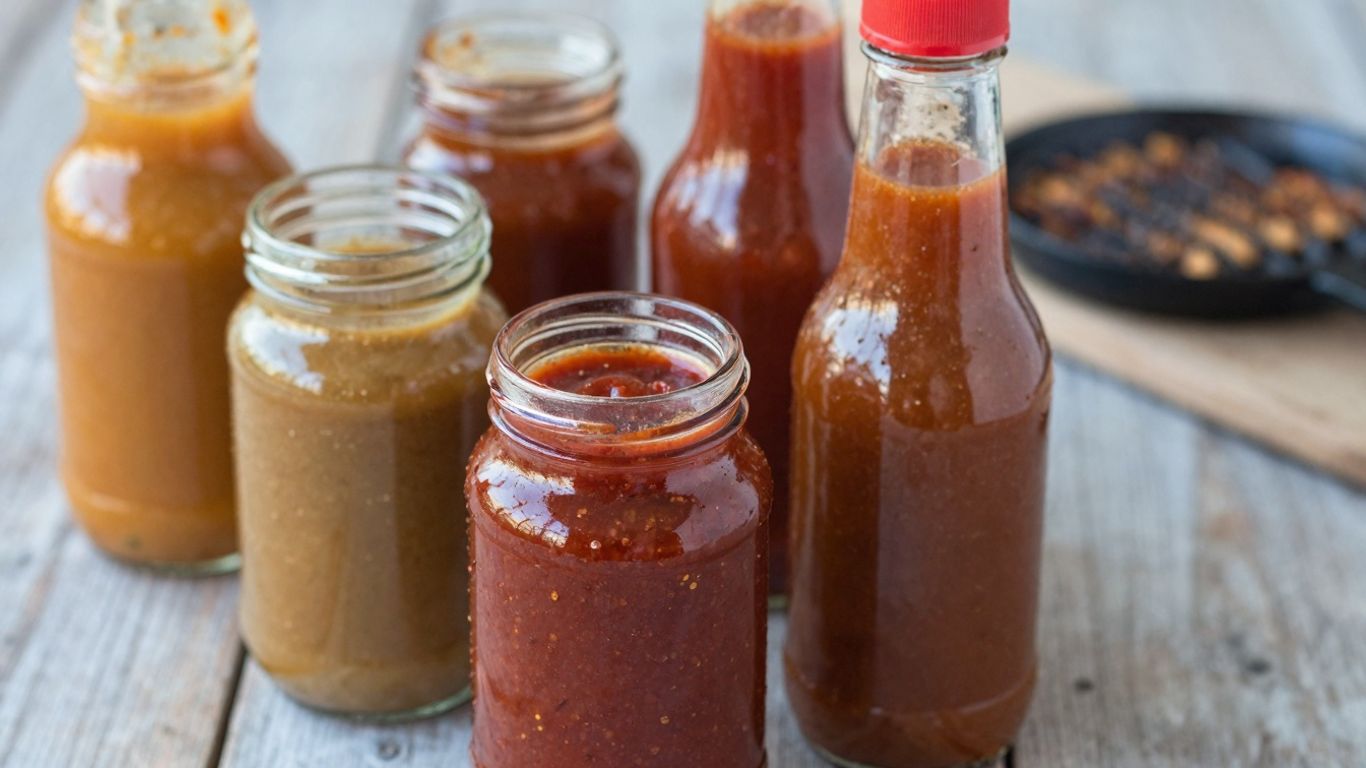
When you start looking at BBQ across the country, you quickly see that everyone has their own way of doing things. It’s not just about the meat; the sauce is a huge part of the identity. Understanding these regional differences can really help you figure out what flavors you like best and how to make them yourself.
Kansas City Style: Thick, Sweet, And Tomato-Based
Kansas City is famous for its thick, sweet, and tomato-heavy sauces. Think of a sauce that’s almost like a glaze, sticky and rich. They usually start with a ketchup base and then get loaded up with molasses and brown sugar. This makes them super sweet and a little bit decadent. They’re great for slathering on ribs or pulled pork right at the end of cooking, giving everything a nice, caramelized finish.
Carolina Style: Tangy Vinegar Or Tomato Twists
Carolina BBQ is a whole different ballgame, and it really splits into two main camps.
- Eastern Carolina: This style is all about vinegar. It’s thin, sharp, and tangy, with a good kick from hot peppers. It’s perfect for cutting through the richness of pork, which is king in this region.
- Western Carolina (Lexington Dip): This one adds a bit of tomato to the vinegar base. It’s still tangy, but with a touch more sweetness and body than the eastern style. It’s also a fantastic partner for pork.
Texas Style: Bold, Smoky, And Meat-Focused
Texas BBQ is all about letting the meat shine, and the sauces reflect that. They tend to be thinner than Kansas City style and don’t rely as much on sweetness. You’ll often find a tomato base, but the real stars are the spices like black pepper, garlic powder, and chili powder. These sauces are often used as a mop during cooking to add layers of smoky flavor, especially to brisket.
The beauty of regional BBQ sauces is how they highlight local traditions and ingredients. They’re not just condiments; they’re a taste of history and culture.
Here’s a quick look at some key ingredients you might find:
| Style | Base Ingredient(s) | Key Flavor Notes |
|---|---|---|
| Kansas City | Ketchup, Molasses | Thick, Sweet, Rich |
| Carolina (East) | Vinegar, Peppers | Thin, Tangy, Spicy |
| Carolina (West) | Vinegar, Tomato | Tangy, Slightly Sweet |
| Texas | Tomato, Spices | Bold, Smoky, Peppery |
| Alabama | Mayonnaise, Vinegar | Creamy, Tangy |
| South Carolina | Mustard, Vinegar | Tangy, Sweet, Bold |
Unique BBQ Sauce Variations
The Creamy Tang Of Alabama White Sauce
Forget everything you thought you knew about BBQ sauce. Alabama white sauce is a total game-changer, and honestly, it’s one of those things you just have to try to believe. It’s not red, it’s not tomato-based, and it’s definitely not what most people picture when they hear "BBQ sauce." Instead, it’s a creamy, tangy concoction that’s surprisingly light and incredibly versatile. Think mayonnaise, vinegar, a little horseradish for a kick, and some spices. It sounds a bit wild, I know, but trust me on this one. This sauce is absolutely fantastic on smoked chicken and pulled pork. It also works wonders as a dip for fries or even as a dressing for a hearty salad.
Here’s a basic rundown of what goes into it:
- Mayonnaise (the creamy base)
- Apple Cider Vinegar (for that essential tang)
- Horseradish (just a touch for a little bite)
- Garlic powder and black pepper (for flavor)
- A pinch of cayenne (optional, for a little warmth)
This sauce really shines when it’s allowed to chill for a bit. The flavors meld together, and it gets even better. Don’t rush it; let it sit in the fridge for at least an hour before you use it.
Golden Mustard BBQ Sauce From South Carolina
If you’re a mustard fan, get ready to be happy. South Carolina is known for its golden mustard BBQ sauce, and it’s a departure from the usual suspects. This sauce takes mustard, which is already a strong flavor, and balances it with sweetness and tang. It’s got a beautiful golden hue and a flavor profile that’s both bold and bright. It’s particularly good with pork, especially pulled pork, but don’t be afraid to try it on chicken or even as a glaze for ham.
Key ingredients usually include:
- Yellow Mustard
- Apple Cider Vinegar
- Brown Sugar or Honey
- Worcestershire Sauce
- Spices like black pepper and paprika
Sweet Maple BBQ Sauce For Pork And Chicken
Maple syrup isn’t just for pancakes anymore! This sweet maple BBQ sauce brings a different kind of sweetness to your grilling. It’s rich, a little decadent, and pairs wonderfully with pork and chicken. The natural sweetness of maple syrup gives it a unique depth that you just don’t get from plain sugar or molasses. It caramelizes beautifully on the grill, creating a sticky, delicious glaze that everyone will love. It’s a bit more of a dessert-like sweetness, so it’s perfect for dishes where you want that extra touch of indulgence.
Consider these pairings:
- Pork: Ribs, pork chops, pulled pork
- Chicken: Wings, grilled chicken breasts, roasted chicken
- Other: Glazed ham, even as a dip for appetizers
Elevating Your Grill Game With BBQ Sauce
Alright, let’s talk about the real game-changer for your backyard cookouts: the sauce. Forget those bottles from the grocery store; we’re talking about homemade magic here. A killer homemade BBQ sauce can turn a good meal into an unforgettable one. It’s not just about slathering something on at the end; it’s about building layers of flavor that make your ribs, chicken, and even burgers sing.
Pairing Sauces With Ribs and Pork
Ribs and pork are practically made for BBQ sauce. The richness of the pork just soaks up all those sweet, tangy, and smoky notes. For fall-off-the-bone ribs, a thick, sweet, and slightly tangy sauce works wonders. Think Kansas City style. It caramelizes beautifully on the grill, giving you that perfect sticky bark. For pulled pork, a vinegar-based Carolina sauce can cut through the richness, adding a bright counterpoint. And don’t forget pork chops or sausages – a maple-infused sauce can add a delightful sweetness that complements the savory meat.
Here’s a quick guide:
- Ribs: Sweet & Tangy, Smoky Sweet, or a classic Kansas City style.
- Pulled Pork: Carolina Vinegar, Sweet & Smoky, or a bold Texas style.
- Pork Chops/Sausages: Honey Mustard, Maple BBQ, or a spicy variation.
Enhancing Chicken Dishes With BBQ Glazes
Chicken can sometimes be a bit… plain. That’s where BBQ sauce, especially in glaze form, comes in. A good glaze will give your chicken a beautiful sheen and a burst of flavor. For grilled chicken breasts or thighs, a slightly thinner, sweeter sauce works well. It coats the meat without being too heavy. Think about a sweet and spicy sauce for a kick, or a honey-based one for a touch of sweetness. You can even use a simple syrup base to create a glaze that really sticks. Check out this quick and easy homemade BBQ sauce recipe if you’re short on time.
Transforming Burgers and Sandwiches
Don’t stop at the main meats! BBQ sauce is a fantastic way to jazz up burgers and sandwiches. A smoky chipotle sauce can give your burger a real kick. Or, try a classic sweet and tangy sauce for a familiar, comforting flavor. For pulled pork sandwiches, the sauce is arguably the star. It needs to be robust enough to stand up to the tender meat and the bun. Even a simple grilled cheese can get a flavor boost with a thin layer of your favorite BBQ sauce.
Making your own sauce means you control exactly what goes in. No weird preservatives or high-fructose corn syrup if you don’t want it. You can adjust the heat, the sweetness, the tang – it’s all up to you. It’s a simple way to make your food taste so much better.
Experimenting with different sauces on different proteins is half the fun of grilling. Don’t be afraid to try something new!
The Secrets To Simmering The Perfect Sauce
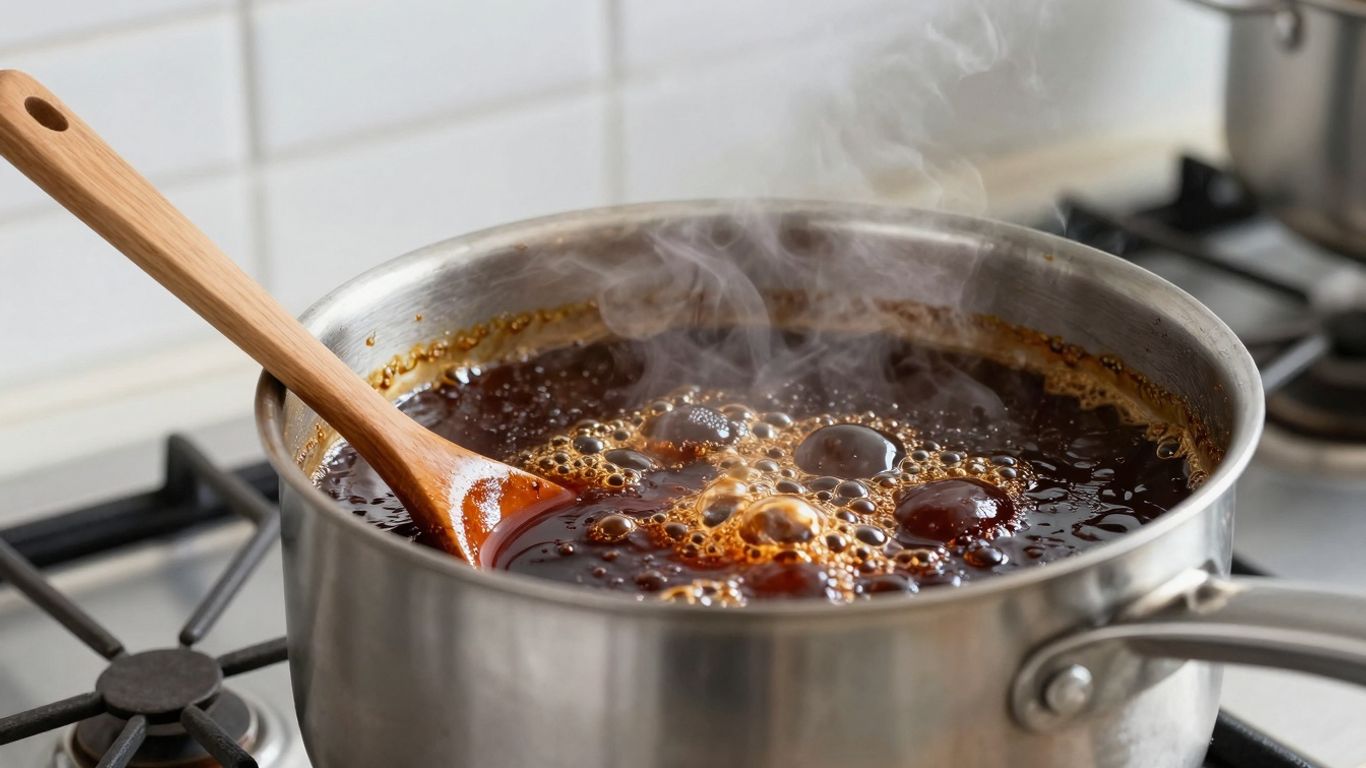
Getting that homemade BBQ sauce just right isn’t just about throwing ingredients in a pot. It’s about patience and paying attention. You want a sauce that coats your ribs beautifully, not one that runs off like water or is thick as mud. The simmering process is where all those flavors really get to know each other and deepen.
Achieving The Ideal Consistency
The thickness of your sauce is a big deal. Too thin, and it won’t stick. Too thick, and it’s hard to spread and can burn easily. You’re aiming for something that flows smoothly off a spoon but still has some body to it. Think of it like a good gravy – it should coat the back of a spoon without dripping off immediately.
- Start with a good base: A thicker base like tomato paste or a reduced ketchup will help.
- Simmering is key: The longer you simmer, the more liquid evaporates, thickening the sauce.
- Cornstarch slurry: For a quick fix or to get that perfect final thickness, mix a tablespoon of cornstarch with a couple of tablespoons of cold water and stir it into the simmering sauce. Let it bubble for a minute or two until it thickens up.
Balancing Sweetness, Tanginess, And Spice
This is where you really make the sauce your own. It’s a dance between sweet, sour, and heat. You need all three to make it interesting.
- Sweetness: Brown sugar, honey, or maple syrup are your go-to’s. They also help with caramelization on the grill.
- Tanginess: Apple cider vinegar is classic, but you can also use white vinegar or even a splash of lemon juice.
- Spice: This can come from cayenne pepper, chili powder, hot sauce like sriracha, or even fresh chilies if you’re feeling brave.
Don’t be afraid to taste as you go. A little more vinegar can cut through richness, a touch more sugar can round out the spice, and a pinch of salt makes everything pop.
Simmering Time And Temperature Guide
Temperature and time are your best friends here. You don’t want a rolling boil that scorches the bottom, but you need enough heat for the flavors to meld and the sauce to reduce.
| Component | Temperature Setting | Time |
|---|---|---|
| Initial Heating | Medium | 5-10 minutes |
| Simmering | Medium-Low to Low | 20-60 minutes |
| Final Reduction | Low | 10-20 minutes |
Keep an eye on it, stir often, and adjust the heat as needed. The goal is a gentle simmer, not a frantic boil. This slow cooking allows the ingredients to break down and the flavors to become complex and harmonious.
Storing Your Homemade BBQ Sauce
Proper Storage For Freshness
So you’ve whipped up a batch of your own BBQ sauce, and it tastes amazing. Now, how do you keep it that way? The key is to get it into the right container and into the fridge pretty quickly. For the best flavor and safety, always store your homemade BBQ sauce in an airtight container. Glass jars with tight-fitting lids, like mason jars, work really well. You can also use plastic containers designed for food storage. Just make sure whatever you use is clean and seals up tight. This stops air from getting in, which can make the sauce go bad faster and can also affect the taste. Don’t leave it sitting out on the counter for too long after it’s cooled down; get it chilled.
Shelf Life Of Homemade Sauces
Homemade sauces don’t have the same preservatives as store-bought ones, so they won’t last forever. Generally, you can expect your homemade BBQ sauce to be good in the refrigerator for about two weeks. Some recipes, especially those that are very acidic with lots of vinegar, might last a little longer, but it’s always better to be safe. If you notice any weird smells, changes in color, or mold, toss it out immediately. It’s not worth the risk.
Here’s a quick rundown:
- Most Sauces: 1-2 weeks in the refrigerator.
- Very Acidic Sauces (high vinegar content): Potentially up to 3 weeks.
- Sauces with Fresh Ingredients (like fruit): Use within 1 week.
If you want to keep a big batch for longer, freezing is an option. Most BBQ sauces freeze well for up to 6 months. Just make sure to use a freezer-safe container and leave a little headspace at the top for expansion.
Reviving Leftover BBQ Sauce
Sometimes you’ll have a little bit of sauce left, or maybe it’s been in the fridge for a week or so and you’re not sure if it’s still up to par. Before you toss it, try giving it a little revival. First, give it a good stir. Sometimes things just separate a bit. If it seems a little thick, you can thin it out with a tiny splash of water, vinegar, or even a bit of broth. Taste it – if it needs a little something, maybe add a pinch more spice, a touch more sweetness, or a dash of Worcestershire sauce. If it smells off or looks really strange, though, it’s best to let it go.
When you’re ready to use your stored sauce, take it out of the fridge about 20-30 minutes before you plan to use it. This lets it come closer to room temperature, which makes it easier to brush onto your food and helps it caramelize better on the grill. A quick stir before you apply it is always a good idea, too.
Ready to Grill!
So there you have it. Making your own BBQ sauce isn’t some big, complicated thing. It’s actually pretty simple, and way more rewarding than just grabbing a bottle off the shelf. You can tweak these recipes to make them exactly how you like them – more sweet, more spicy, whatever floats your boat. Give one of these a try next time you fire up the grill. Your taste buds will thank you, and your friends will definitely be asking for the recipe. Happy grilling!
Frequently Asked Questions
Why should I make my own BBQ sauce instead of buying it?
Making your own BBQ sauce means you get to control exactly what goes into it. You can make it sweeter, tangier, spicier, or smokier exactly how you like it! Plus, it’s often easier than you think and tastes way better than most store-bought kinds.
What are the basic parts of a BBQ sauce?
Most BBQ sauces have a few key parts. There’s usually a base like ketchup or vinegar, something for sweetness (like sugar or honey), something for tang (like vinegar), and then spices for flavor. Some add smoky tastes too.
How do I make a simple syrup for my BBQ sauce?
To make simple syrup, just mix equal parts sugar and water in a pot. Heat it up while stirring until the sugar dissolves. Let it cool down before you use it. It’s a great way to add sweetness without making your sauce grainy.
Can I make my BBQ sauce spicier?
Absolutely! You can easily add more heat by mixing in things like cayenne pepper, chili powder, hot sauce, or red pepper flakes. Start with a little and add more until it’s just right for you.
What’s the difference between regional BBQ sauces?
Different areas have their own styles! Kansas City is known for thick, sweet, tomato-based sauces. Carolina sauces are often tangy with vinegar, sometimes with a tomato twist. Texas sauces are usually bold, smoky, and focus on the meat’s flavor.
What are some unique BBQ sauce ideas?
Beyond the classics, you can try things like Alabama White Sauce, which is creamy and tangy with mayo and vinegar. Or a Golden Mustard sauce from South Carolina, which is tangy and sweet. Maple syrup also makes a delicious sweet sauce for pork or chicken.
How long can I keep homemade BBQ sauce?
If you store your homemade BBQ sauce in an airtight container in the fridge, it should last for about two weeks. Make sure no food has touched the sauce before you store it.
How do I get my BBQ sauce to the right thickness?
The thickness depends on how long you simmer it. A longer simmer with the lid off will make it thicker as the liquid evaporates. You can also add a little cornstarch slurry (cornstarch mixed with water) to thicken it up if needed.