
So, you want that awesome pink ring around your smoked meat? It’s like the barbecue equivalent of a gold star, and honestly, it just looks cool. Getting that perfect smoke ring isn’t just about tossing meat on the smoker and hoping for the best. It’s a bit of a science project, really. We’re talking chemistry, wood types, and a whole lot of tinkering with your smoker. Don’t worry, though, it’s not rocket science, and with a few pointers, you’ll be impressing your friends with those beautiful rings in no time.
Key Takeaways
- The smoke ring is formed by a chemical reaction between carbon monoxide in the smoke and myoglobin in the meat, creating a pink or red band.
- Using wood with higher nitrogen content, like bark, and minimizing sawdust can help produce a better smoke ring.
- Maintaining a consistent, lower smoker temperature (around 225-250°F) for a longer period, especially in the initial hours, is key.
- Keeping the meat surface moist or tacky helps the smoke particles adhere and penetrate, leading to a more defined ring.
- While a smoke ring looks great and is a sign of proper smoking technique, it doesn’t automatically guarantee superior flavor and can sometimes be faked with curing salts.
Understanding The Science Behind The Smoke Ring
So, you’ve seen those gorgeous, pinkish-red rings on perfectly smoked brisket or ribs and wondered, ‘How do they do that?’ It’s not just about throwing some wood in a smoker; there’s some actual science happening. It all comes down to a chemical reaction, and understanding it is pretty key to getting that look yourself.
The Chemical Reaction That Creates The Ring
Basically, the smoke from your fire contains gases, and one of them is carbon monoxide (CO). Now, meat has this protein called myoglobin, which is what gives fresh meat its red color. When the meat is still cool and moist, the carbon monoxide from the smoke can get into the outer layers of the meat. It then reacts with the myoglobin, forming a compound called carboxymyoglobin. This stuff is stable and stays pink even when it’s cooked. So, that pink ring you see? That’s the carboxymyoglobin.
How Smoke Penetrates The Meat
For that smoke to get in and do its thing, the meat needs to be receptive. Think of it like a sponge. When the meat is cool and damp on the surface, it’s more likely to absorb the smoke gases. As the temperature of the meat rises, the pores start to close up, and the myoglobin changes. This is why the ring is usually only on the outside layers. The longer the meat is exposed to smoke at the right temperature, the deeper that ring can potentially get.
The Role Of Carbon Monoxide And Nitrogen
We talked about carbon monoxide, which is the main player for the pink color. But there’s another gas involved, nitric oxide (NO), which also comes from the burning wood. Nitric oxide is actually even more effective at creating that pink color than carbon monoxide. It reacts with myoglobin to form nitrosomyoglobin, which also stays pink when heated. So, you want a fire that produces a good amount of both CO and NO, but in a way that doesn’t create too much bitter, acrid smoke. It’s a balancing act, really.
The magic happens when the meat is cool and moist, allowing smoke gases to penetrate and react with myoglobin. As the meat heats up, these reactions stabilize, creating the signature smoke ring.
Choosing The Right Wood For Your Smoke Ring
So, you want that perfect pink ring around your smoked meat? It’s not just about looks, though it does look pretty darn good. The wood you choose is a big deal in getting that ring to show up. Different woods give off different kinds of smoke, and some are better at creating the chemical reaction that makes the ring happen. It’s all about the nitrogen in the smoke, and some woods just have more of it.
Impact Of Different Wood Types
Different hardwoods have varying amounts of nitrogen. Woods like oak and hickory are pretty standard for a reason – they produce a good amount of smoke with decent nitrogen levels. Mesquite can be strong, and while it makes a lot of smoke, it might not always give you the deepest ring compared to milder woods. Fruit woods, like apple or cherry, are often used for their sweet flavor, and they can also contribute to a nice smoke ring, though sometimes a bit lighter than oak.
| Wood Type | Smoke Flavor | Smoke Ring Potential |
|---|---|---|
| Oak | Medium, classic | High |
| Hickory | Strong, bacon-like | High |
| Cherry | Mild, sweet | Medium |
| Apple | Mild, sweet | Medium |
| Mesquite | Strong, earthy | Medium |
The Benefits Of Using Bark
Here’s a little secret: the bark of the tree actually has more nitrogen than the inner wood. So, if you’re using logs or larger chunks, don’t strip all the bark off. Letting some of that bark burn can actually help boost your smoke ring. It’s a small detail, but it can make a difference. Just make sure the bark isn’t too wet or rotten, as that can create bitter smoke.
The bark holds more nitrogen, which is a key ingredient for that beautiful smoke ring. Don’t be too quick to remove it all when preparing your smoking wood.
Minimizing Sawdust For Maximum Ring
Sawdust is often used to create a lot of smoke quickly, especially in charcoal smokers. The problem is, sawdust burns up fast and doesn’t produce as much of the good stuff – the nitrogen compounds – for a long-lasting ring. It’s better to use wood chunks or splits for a more consistent smoke. If you do use sawdust, use it sparingly, maybe just for the first hour, and focus on larger wood pieces for the bulk of your smoke.
- Use wood chunks or splits for consistent smoke.
- Sawdust burns fast and offers less nitrogen.
- Limit sawdust use to the initial smoking phase if needed.
Fueling Your Smoker For The Perfect Ring
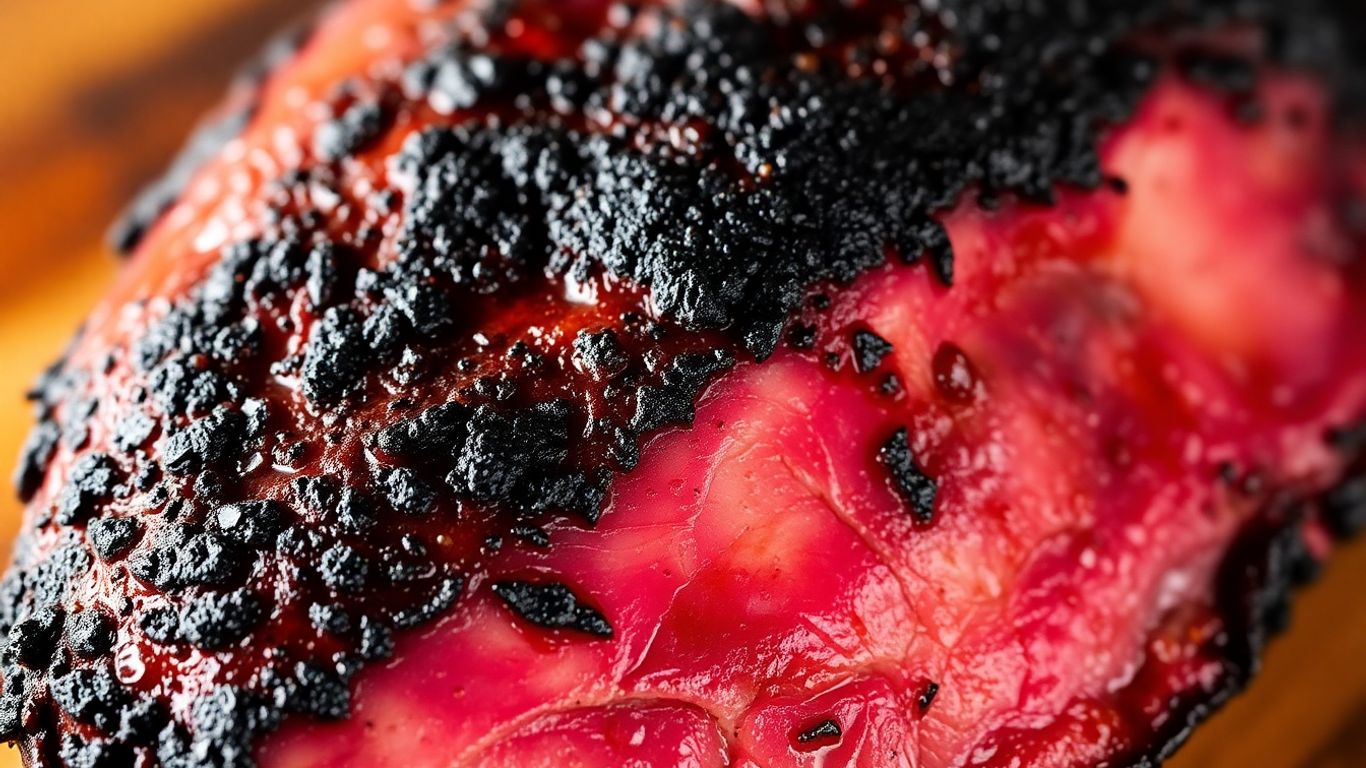
Alright, let’s talk about what you’re putting into your smoker to get that awesome smoke ring. It’s not just about throwing any old wood in there; the fuel you choose really matters for that pinkish-red ring. Think of it like this: the fire is what makes the smoke, and the smoke is what makes the ring. So, a better fire means a better ring, usually.
The Nitrogen Content In Briquettes
Now, this might surprise some of you purists, but briquettes actually have a good amount of nitrogen. Nitrogen is a key ingredient for that smoke ring to form. When it mixes with the myoglobin in the meat, it creates that color. So, if you’re really chasing a smoke ring, tossing some briquettes into your fire can help. It’s not the
Meat Preparation For Optimal Smoke Adhesion
Getting that perfect pink ring around your smoked meat isn’t just about the smoke itself; it’s also about how well the meat is ready to receive it. Think of it like prepping a canvas before painting – you want the surface just right for the colors to stick and show up vibrantly. For a smoke ring, this means making sure the meat’s surface is receptive to the gases in the smoke that create that signature color.
The Importance Of Patting Meat Dry
It might seem counterintuitive when we talk about moisture later, but starting with a dry surface is key. When you take your meat out of the packaging, it’s often wet. This surface moisture can actually dilute the smoke gases as they try to penetrate. Patting the meat thoroughly dry with paper towels helps create a surface that’s more receptive to smoke adhesion. It’s a simple step, but it makes a difference in how well those smoke compounds can bond with the meat’s proteins.
Trimming Excess Fat
Fat is delicious, no doubt about it, but a thick fat cap can be a barrier to smoke penetration. The compounds in smoke that create the ring, like nitric oxide, need to reach the myoglobin in the muscle. If they have to travel through a dense layer of fat, their journey is hindered. So, trimming away some of that excess fat, especially on thicker cuts, can open up a clearer path for the smoke. You don’t need to go crazy and remove all the fat – a good amount should remain for flavor and moisture – but exposing more of the meat surface is beneficial for that smoke ring.
Applying Dry Rubs And Seasonings
When you apply your dry rub, think about how thick you’re making that layer. A really thick, dense crust of rub can also act as a barrier, preventing smoke from getting to the meat. While you want good coverage for flavor, consider spreading it a bit thinner than you might normally. The goal is to have the rub adhere to the meat, but not create an impenetrable shield. Some pitmasters even suggest a very light application of rub for the first hour or so, then adding more later, to give the smoke a better chance to work its magic early on.
The science behind the smoke ring involves a chemical reaction between nitric oxide in the smoke and myoglobin, a protein found in muscle tissue. This reaction happens best at lower temperatures, typically below 140°F (60°C). If the meat heats up too quickly, the myoglobin will denature and turn brown before the nitric oxide can penetrate and create the pink ring.
Here’s a quick rundown of what to focus on:
- Dry Surface: Start by patting your meat completely dry. This helps the smoke adhere better.
- Fat Management: Trim excess fat caps to allow smoke easier access to the muscle.
- Rub Thickness: Apply your dry rub evenly, but avoid overly thick layers that can block smoke penetration.
Moisture’s Role In Smoke Ring Formation
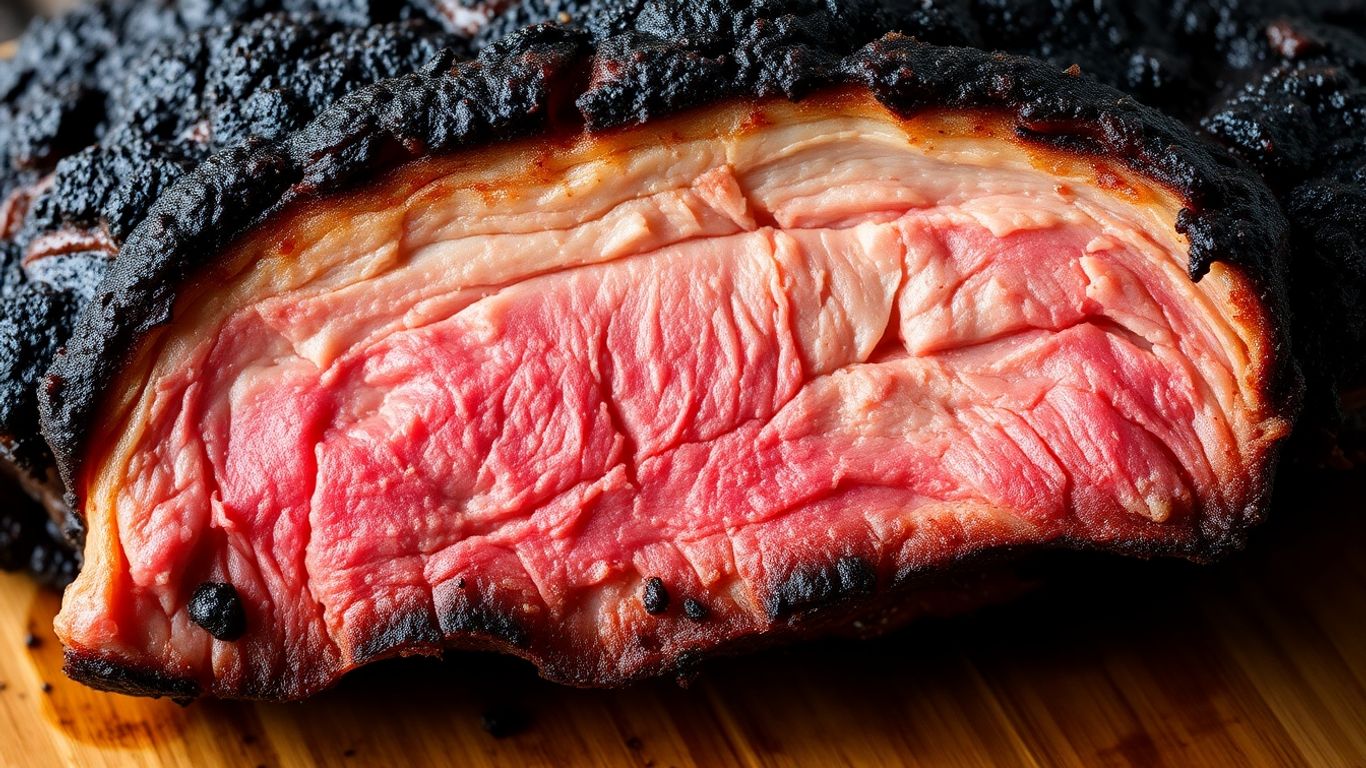
So, you want that perfect pink ring around your smoked meat? It’s not just about the smoke itself; how wet or dry your meat is plays a surprisingly big part. Think of it like this: smoke has these special compounds, like nitric oxide, that need something to stick to. If your meat’s surface is just right, these compounds can grab on and soak in, creating that signature color.
How A Tacky Surface Helps NO Adhere
Nitric oxide (NO), one of the key players in making that smoke ring, really likes to stick to a moist, slightly tacky surface. When the meat is dry, the NO just kind of bounces off. But if you’ve got a bit of moisture, maybe from a rub or just the meat’s natural juices, the NO can latch on. This is why patting your meat dry before applying a rub is important, but then you want to maintain some surface moisture during the smoke. It’s a bit of a balancing act.
Spritzing And Mopping Techniques
This is where spritzing and mopping come in handy. Spritzing your meat with liquids like water, apple cider vinegar, or even a light broth during the smoking process helps keep that surface tacky. It gives the smoke compounds more opportunities to bind to the meat. Mopping with a sauce can do the same, though you have to be careful not to add too much sugar too early, as it can burn. The goal is to keep the surface receptive to smoke without creating a thick, impenetrable layer.
Using Water Pans For Humidity
Another trick is to use a water pan in your smoker. This adds humidity to the cooking environment. Higher humidity means the meat’s surface stays moist longer, which, as we’ve discussed, helps the smoke adhere better. It also helps keep the meat from drying out too quickly. Some folks even use pans with apple juice or other liquids for added flavor, but plain water works great just for moisture control. It’s a simple addition that can make a noticeable difference in your smoke ring’s depth and consistency.
Mastering Smoker Temperature For A Deeper Ring
Getting the temperature right in your smoker is a big deal if you want that pretty pink ring. It’s not just about cooking the meat; it’s about letting the smoke do its thing. Too hot, too fast, and that ring just won’t form properly. You want the meat to hang out in that sweet spot where the smoke can really soak in.
Ideal Temperature Ranges For Smoking
Most folks aim for a smoker temperature between 225°F and 250°F. This range is pretty solid for a few reasons. It’s low enough to let the smoke particles, especially the nitrogen monoxide (NO), bind with the myoglobin in the meat. Myoglobin is that protein that gives meat its red color, and when it reacts with NO, it turns into nitric oxide, which is what creates the pink ring. Keeping your smoker in this zone gives the chemical reaction the time it needs to happen.
The Impact Of High Temperatures
Now, if you crank your smoker up too high, say over 275°F or 300°F, things change fast. The heat causes the myoglobin to break down and change its structure really quickly. This means it can’t bind with the NO as effectively, or at all. So, you end up with a much thinner, or sometimes no, smoke ring at all. It’s like trying to paint a picture when the canvas is already dry – the paint just won’t stick right.
Maintaining Consistent Heat
Consistency is king here. You don’t want your smoker temperature bouncing all over the place. Big swings in heat can mess with the smoke production and how the meat absorbs it. A stable temperature means a stable environment for that smoke ring to develop. Think of it like a slow, steady simmer versus a rolling boil – one allows for delicate changes, the other is just chaos.
Here’s a quick look at what happens at different temps:
| Smoker Temperature | Smoke Ring Potential | Notes |
|---|---|---|
| Below 200°F | Low | Very slow reaction, may not get enough NO |
| 225°F – 250°F | High | Ideal for myoglobin-NO reaction |
| 250°F – 275°F | Medium | Ring may be thinner, reaction speeds up |
| Above 275°F | Very Low | Myoglobin denatures too quickly |
You’re aiming for a slow, steady burn that produces clean, blue smoke. This type of smoke carries the compounds needed for the ring, and a consistent temperature helps keep that smoke clean and the meat in the prime zone for absorption. Don’t be afraid to manage your vents and fuel source to keep that temperature dialed in.
Essential Smoking Techniques For A Vibrant Ring
Getting that perfect smoke ring isn’t just about luck; it’s about knowing a few key techniques. Think of it as setting the stage for the smoke to do its magic. The first hour of smoking is really where the foundation for a good ring is laid. During this initial period, the meat is at the ideal temperature for the chemical reactions that create the ring to happen. It’s all about getting that nitric oxide from the smoke to bind with the myoglobin in the meat.
To really nail it, you want to make sure your fire is burning clean. A clean fire produces thin, blue smoke, which is packed with the compounds you need. If you see thick, white smoke, that’s usually a sign of incomplete combustion, and it won’t give you the best results for your smoke ring. It can also impart a bitter flavor, which nobody wants.
Keep your smoker running with a steady stream of clean, blue smoke. This means managing your fuel source and airflow correctly. Avoid smothering the fire, which leads to dirty smoke.
Here are a few things to focus on:
- Manage your initial smoke: Aim for that thin, blue smoke right from the start. This often means getting your wood or charcoal to the right temperature before adding the meat.
- Don’t smother the fire: Give your fire enough air to burn efficiently. Too little air creates creosote and acrid smoke.
- Consider your wood: While we’ve talked about wood types, how you use them matters. Using smaller splits or chunks that catch quickly can help produce that initial clean smoke.
Some folks like to add acidic ingredients like vinegar or citrus to their spritzes or sauces. While these can add flavor, they can sometimes interfere with the smoke’s ability to penetrate the meat and form a good ring. It’s a bit of a balancing act, but if a vibrant ring is your main goal, you might want to hold off on the heavy acids during that critical early stage of smoking. You can always add them later if you like. Getting a good smoke ring is a bit like learning to blow perfect cigar smoke rings; it takes a little practice and attention to detail how to blow perfect smoke rings.
Tips For Enhancing Your Smoke Ring
So, you’ve got the basics down, but you’re still chasing that perfect pink ring around your smoked meats? Don’t worry, we’ve all been there. Sometimes, it’s the little things that make a big difference. Let’s talk about a few tricks you can use to really make that smoke ring pop.
Adding Baking Soda To Your Rub
This one might sound a little odd, but hear me out. Baking soda, or sodium bicarbonate, can actually help raise the pH on the surface of the meat. Why does that matter? Well, a higher pH surface is more receptive to the nitric oxide (NO) in the smoke. Think of it like making the meat’s surface more welcoming to the smoke particles. You don’t need a lot – just a tablespoon or two per pound of rub is usually plenty. Too much, and you might get a metallic taste, so start small and see how it goes. It’s a simple addition that can really boost your ring’s intensity.
Keeping Meat Cold Before Smoking
This is another simple step that has a surprising impact. Starting with meat that’s as cold as possible, right out of the fridge, gives the smoke more time to work its magic before the meat’s surface starts to cook and change. The longer that NO can interact with the myoglobin (that’s the protein that gives meat its red color), the deeper and more defined your smoke ring will be. So, resist the urge to let your meat sit out on the counter for too long before it hits the smoker. Cold meat equals more time for smoke penetration.
Soaking Wood Chips For Steam
While many pitmasters prefer dry wood for a cleaner burn, soaking your wood chips can actually help in certain situations, especially if you’re looking for a more pronounced smoke ring. Soaking the wood for about 30 minutes to an hour before adding it to your smoker can create more steam as it burns. This steam can help keep the surface of the meat moist and tacky for longer. Remember how we talked about a moist surface helping smoke adhere? The steam from soaked wood chips can help create that ideal environment, allowing the NO to bind more effectively and create that beautiful ring. It’s a bit of a balancing act, though; too much steam can cool your smoker down, so use this technique wisely.
Sometimes, the pursuit of the perfect smoke ring feels like a quest for the Holy Grail. But with a few smart adjustments to your process, you can significantly improve your chances of achieving that coveted visual cue of a well-smoked piece of meat. It’s all about understanding how the smoke interacts with the meat and giving it the best possible conditions to do so.
Achieving A Smoke Ring With Electric Smokers
So, you’ve got an electric smoker and you’re wondering if you can still get that coveted smoke ring. The short answer is yes, but it takes a little extra effort compared to charcoal or offset smokers. Electric smokers are great for convenience, but they don’t naturally produce the same kind of smoke density that helps form a deep ring.
Using Wood Chunks in Electric Smokers
This is your primary method for getting smoke flavor and a ring in an electric smoker. You’ll need a dedicated spot for wood, usually a tray or a small compartment. The key is to use wood chunks, not chips, because they burn longer and produce more consistent smoke. You want enough smoke to build up in the chamber, especially during the initial stages of the cook. Don’t overload the wood tray, but make sure there’s enough to get a good smoke going.
- Start with a clean fire: Make sure your smoker is clean before you begin. Any old residue can create off-flavors.
- Use hardwood chunks: Oak, hickory, and pecan are good choices. Avoid anything too soft or resinous.
- Placement matters: Follow your smoker’s manual for the best place to put the wood chunks. Usually, it’s near the heat source but not directly on it.
The Limitations of Small Electric Smokers
If you have a smaller electric smoker, you might run into space limitations. There might not be enough room to fit a decent amount of wood chunks, which means less smoke production. This can make achieving a noticeable smoke ring quite challenging. In these cases, some folks resort to alternative methods to get that visual cue.
Some people find that smaller electric smokers just don’t have the capacity for robust smoke production needed for a deep ring. It’s a common frustration for owners of these units.
Alternative Methods for Electric Smokers
If you’re struggling with your electric smoker, or if you have a smaller unit, there are a couple of tricks. One common method is to use a smoke tube or a pellet tube filled with wood pellets. You light these separately and place them inside the smoker. They can provide a good amount of smoke for a longer period. Another approach, though some purists frown upon it, is using a curing salt like Prague Powder #1 (which contains sodium nitrite) in your rub. This salt reacts with the meat to create a pinkish-red color that mimics a smoke ring. It’s a way to get the look without the complex smoke chemistry, though it doesn’t add the same depth of flavor as actual smoke. For a good overview of smoking basics, check out essential tips for smoking.
The Best Smokers For Creating Smoke Rings
When you’re aiming for that perfect pink ring around your smoked meats, the smoker you use really makes a difference. Some smokers are just built better for producing the conditions needed for a good smoke ring. It’s not just about the heat; it’s about how the smoke is generated and how it interacts with the meat.
Advantages Of Offset Charcoal Smokers
Offset charcoal smokers are often considered the gold standard for smoke rings. This is because they allow for a more direct control over the fire and smoke production. You can maintain a consistent, clean burn that produces the right kind of smoke, rich in nitric oxide, which is key for that ring. The design lets you manage the temperature in the cooking chamber separately from the firebox, giving you that low-and-slow environment without the meat cooking too fast. Many competition pitmasters swear by these for a reason.
Pellet Smokers And Flavor Profiles
Pellet smokers have become really popular, and they can definitely produce a smoke ring, though sometimes it’s a bit lighter than what you’d get from a well-managed offset smoker. The beauty of pellet smokers is the consistency and the wide range of flavors you can achieve by mixing different wood pellets. For instance, using a blend of hickory and cherry pellets can give you a nice color and a complex flavor. To help with the smoke ring, keeping the meat surface moist and using a water pan can really boost the results. You can find a good overview of different smoker types in this guide.
How Smoker Design Affects The Ring
Ultimately, the design of your smoker plays a big role. Smokers that allow for a clean burn and good airflow are generally better. A smoker that smolders or produces thick, white smoke won’t give you the best ring. You want a thin, blue smoke. This means your fire needs enough oxygen to burn efficiently. Some smokers, especially smaller electric ones, can struggle to produce enough smoke or the right kind of smoke to get a deep ring. It’s all about creating that perfect environment where the nitric oxide from the burning wood can bind with the myoglobin in the meat.
- Clean Burn: A smoker that burns wood or charcoal cleanly is paramount.
- Airflow: Good airflow helps the fire burn efficiently, producing the right smoke.
- Temperature Control: The ability to maintain a consistent, lower temperature is key.
The first hour of smoking is often the most important for developing a smoke ring. During this time, the meat’s surface is cool and moist, making it more receptive to the smoke’s compounds. Ensuring a clean fire and adequate humidity during this initial phase can significantly impact the final result.
Understanding Smoke Ring Misconceptions
So, you’ve heard that a perfect smoke ring means your barbecue is top-notch, right? It’s a common idea, but like a lot of things in the barbecue world, it’s not quite that simple. Let’s clear up some of the confusion about this pretty pink layer.
Does A Smoke Ring Guarantee Flavor?
This is a big one. People often think that if you don’t see a smoke ring, your meat must be lacking in flavor. That’s just not true. The smoke ring is a result of a chemical reaction between compounds in the smoke (like nitric oxide) and the proteins in the meat. It’s a visual indicator of smoke penetration, but it doesn’t directly add a significant amount of flavor itself. You can have incredibly flavorful smoked meat with no visible ring, and you can have a beautiful ring on meat that’s otherwise bland or even overcooked. The ring is a sign of the process, not necessarily the final taste.
The Illusion Of A Perfect Ring
Sometimes, what looks like a perfect smoke ring is just that – an illusion. Factors like the type of wood you use, the temperature of your smoker, and even how moist the meat is can all influence how prominent the ring appears. For instance, higher cooking temperatures can cause the myoglobin in the meat to set faster, making the ring less defined. It’s easy to get caught up in the visual appeal, but remember that a deep, vibrant ring isn’t the only measure of good barbecue. A lot of pitmasters focus on getting that ring just right, but sometimes that focus can take away from other important aspects of the cook.
Smoke Rings In Competitive Barbecue
In the competitive barbecue circuit, a smoke ring is often seen as a mark of a skilled pitmaster. Judges are trained to look for it, and its absence can sometimes lead to deductions, even if the meat tastes fantastic. This has led some competitors to use methods to ensure a ring, which brings us to the next point. It’s a bit of a visual cue that signals to the judges that the meat was smoked properly, at least in theory. However, many experienced judges know that flavor and tenderness are far more important than a perfect ring. It’s a bit of a double-edged sword in the competition world; it looks good, but it doesn’t tell the whole story.
| Factor | Impact on Smoke Ring |
|---|---|
| Wood Type | Different woods produce varying levels of nitric oxide. |
| Meat Moisture | Drier meat may absorb more smoke, leading to a clearer ring. |
| Smoker Temperature | Higher temps can set proteins faster, thinning the ring. |
| Time | Longer smoking times allow for more smoke penetration. |
| Rub/Marinade | Certain ingredients can inhibit smoke adhesion. |
It’s important to remember that while a smoke ring is a visually appealing aspect of smoked meat, it’s not the ultimate indicator of quality. Focusing too much on achieving a perfect ring can sometimes distract from the more critical elements of flavor, tenderness, and moisture. The true test of great barbecue lies in the overall eating experience, not just a pretty pink line.
Some folks even use curing salts, like those found in commercial curing mixes, to create a more pronounced or consistent smoke ring. While this can achieve the desired visual effect, it’s often considered a shortcut by purists. It’s like using food coloring to make a cake look better – it might fool the eye, but it doesn’t change the fundamental taste or texture. If you’re aiming for a natural smoke ring, it’s best to stick to the traditional methods and let the smoke do its work. You can find more about the science behind the smoke ring at the chemical reaction. Trying to force a smoke ring can sometimes lead to unintended consequences for the meat’s flavor and texture, so proceed with caution if you decide to experiment with such methods.
The Art Of The Smoke Ring Cheat
So, you’ve been trying to get that perfect pink ring around your smoked meats, and maybe it’s just not happening. It’s a bummer, I get it. Sometimes, you just want that visual appeal, you know? And hey, there are ways to get it, even if it’s not the ‘natural’ way. It’s like a little shortcut for your barbecue presentation.
Using Curing Salts For A Fake Ring
This is probably the most common way people ‘cheat’ the smoke ring. You can use a small amount of curing salt, the kind that has sodium nitrite in it. Just a tiny bit mixed into your dry rub or applied directly to the meat before smoking can do the trick. It’s pretty much the same stuff that gives hot dogs and corned beef their pink color. The key here is moderation; too much can be harmful, so be careful. You can find these curing salts at most grocery stores, often in the canning or spice aisle. It’s a simple addition that can make a big visual difference.
The Satisfaction Of Natural Methods
Now, while the curing salt method works for looks, there’s a different kind of satisfaction that comes from achieving that ring the old-fashioned way. It means you’ve dialed in your smoker temperature, picked the right wood, and managed your fire correctly. It’s a sign that you’ve really mastered the process. Some pitmasters feel that the real reward is in the effort and skill it takes to get that ring naturally. It’s a badge of honor, really. For those who are serious about their smoking, understanding the science behind it, like how smoke penetrates the meat, is part of the fun. You can find some great tips from professional pitmasters to help you along the way.
Spotting A ‘Fake’ Smoke Ring
People who are really into barbecue, kind of like art critics, can often tell if a smoke ring is the real deal or if it’s been helped along. A fake ring might be too uniform, or it might be a bit too bright pink. It’s subtle, but if you’re looking closely, you might notice it. Also, if you’re cooking a brisket and it has a perfect, deep pink ring all the way around, but the bark is really soft and pale, that’s a bit of a giveaway. The natural smoking process usually creates a darker, more textured bark alongside that ring. So, while a fake ring might look good at first glance, it doesn’t necessarily mean the meat was smoked perfectly. It’s more about the appearance than the actual cooking process.
Wrapping It Up
So, there you have it. Getting that perfect smoke ring isn’t some big mystery, but it does take a little know-how. We’ve talked about why it happens, what woods work best, and even a few tricks to help you out. Remember, it’s all about the science, but also about paying attention to the details. Don’t get too hung up on it if it doesn’t happen every single time, though. The most important thing is that the meat tastes great. But if you want that visual appeal, try out these tips. Let us know in the comments if you’ve got any secrets of your own or if you have questions. Happy smoking!
Frequently Asked Questions
What exactly is a smoke ring and why is it important?
A smoke ring is that cool, reddish-pink circle you see on the outside edge of smoked meat. It’s not just for looks; it shows that the smoke has nicely soaked into the meat, giving it that classic smoky flavor and tender texture.
What makes the smoke ring form?
It’s a science thing! Smoke has gases like nitric oxide. When this gas meets a certain protein in the meat (myoglobin) at the right temperature, it creates a colorful ring. Keeping the meat’s surface moist helps the gas stick and sink in.
Does the type of wood I use matter for the smoke ring?
Yes, it really does! Different woods have different amounts of gases that help make the ring. Woods like oak and hickory are often good choices because they produce the right kind of smoke. Using the bark from wood can also help because it has more of the special gases.
Can I get a smoke ring using an electric smoker?
It can be a bit trickier with electric smokers, but it’s definitely possible. You can add wood chunks or pellets to a special box or tube inside the smoker to create smoke. Some people also use a little bit of curing salt on the meat to help get that pink ring.
Is a smoke ring a guarantee that the meat tastes good?
Not necessarily. While a smoke ring looks awesome and shows good smoking technique, it doesn’t automatically mean the meat tastes amazing. You can have a perfect ring but still overcook the meat, or have no ring at all and still have incredibly delicious smoked food.
What’s the best temperature for getting a good smoke ring?
Generally, keeping your smoker at a lower temperature, around 225°F to 250°F (107°C to 121°C), is best. This allows the smoke gases more time to soak into the meat before the proteins change too much from the heat.
Are there any quick tricks to help create a smoke ring?
Sure! Patting your meat completely dry before smoking helps the smoke stick. Some people also add a tiny bit of baking soda to their dry rub, as it can help the color-forming reaction. Keeping the meat cold right before you put it in the smoker can also help.
Can I ‘cheat’ to get a smoke ring?
Some people use curing salts, like those found in products like Morton’s Tender Quick, mixed into their rub. These salts contain ingredients that create a pink color similar to a smoke ring, even without the actual smoking process. However, experienced barbecue fans can often tell the difference.