
Thinking about setting up a spot in your backyard for grilling but worried about the cost? You’re in luck! Building a great budget backyard BBQ setup doesn’t mean you have to spend a fortune. It’s all about smart choices, a little planning, and knowing where to save. We’ll walk through how to pick the right spot, choose a grill that fits your wallet, and put together a space that’s both functional and looks good, all without breaking the bank. Get ready to become the neighborhood grill master!
Key Takeaways
- Finding the right spot for your budget backyard BBQ setup means looking at wind, sun, and making sure the ground is steady. Don’t put it too close to the house or in a spot that floods.
- When picking a grill, think about what you like. Gas grills are easy to use, charcoal grills give that classic smoky taste, and pellet grills can do a bit of everything.
- For a durable setup, use materials like concrete pavers or brick for the floor and heat-resistant surfaces for counters. Simple shelters like umbrellas or pergolas can keep you covered.
- Design your space with enough room to move around, cook, and sit. Think about how you’ll use the area to make sure it works well.
- Smart storage for things like propane tanks and grilling tools keeps your area tidy and safe. Good lighting, like string lights or solar path lights, adds atmosphere and improves safety.
Choosing Your Budget Backyard BBQ Setup Location
Picking the right spot for your backyard BBQ setup is more important than you might think. It’s not just about where it looks pretty; it’s about making sure you can actually cook and enjoy your food without a ton of hassle. Think of it as finding the sweet spot – not too close to the house where smoke might drift inside, but not so far that you’re doing laps with plates of food. A good rule of thumb is to aim for about 10 to 15 feet from your back door. This distance usually keeps the smoke out of your living space while still being convenient.
Finding The Ideal Grill Placement
When you’re figuring out where the grill itself will sit, consider how you’ll be using the space. You want enough room to move around it comfortably, especially when it’s hot and you’re flipping burgers. The goal is to create a functional zone where cooking, prepping, and serving can happen without feeling cramped. If you’re planning on having a prep counter nearby, make sure there’s enough space between the grill and the counter for easy access. It’s also a good idea to think about how you’ll get to and from the grill from your kitchen or serving area. A clear path is always a good idea.
Considering Wind and Sun Exposure
Wind can be a real pain when you’re grilling. It can blow ash onto your food or make it harder to control the heat. Try to position your grill so that it’s not directly in the path of the prevailing wind. Facing it perpendicular to the common wind direction often works well. You don’t want the wind blowing smoke right into where your guests are sitting, either. As for the sun, nobody likes standing in direct, blazing heat while they’re trying to cook. If possible, find a spot that gets some natural shade, or plan to add some kind of shade structure later. This makes grilling much more pleasant, especially on hot summer days. You can find some great backyard party ideas that include shade solutions.
Ensuring Proper Ground Stability
This might sound a bit technical, but it’s really important for safety and for making sure your grill works right. You need a level surface for your grill. If the ground is uneven, the grill can tilt, and that could lead to a messy situation, like all your burgers sliding off at once – not ideal! Use a spirit level to check if the ground is flat. If it’s not, you might need to do a little prep work, like adding some gravel or leveling out the dirt, before you set up your grill. A stable, level spot is key for a safe and successful BBQ experience.
Don’t overlook the basics when setting up your BBQ area. A well-chosen location that accounts for wind, sun, and stable ground will make a huge difference in how much you enjoy cooking and entertaining outdoors.
Selecting The Right Grill For Your Budget
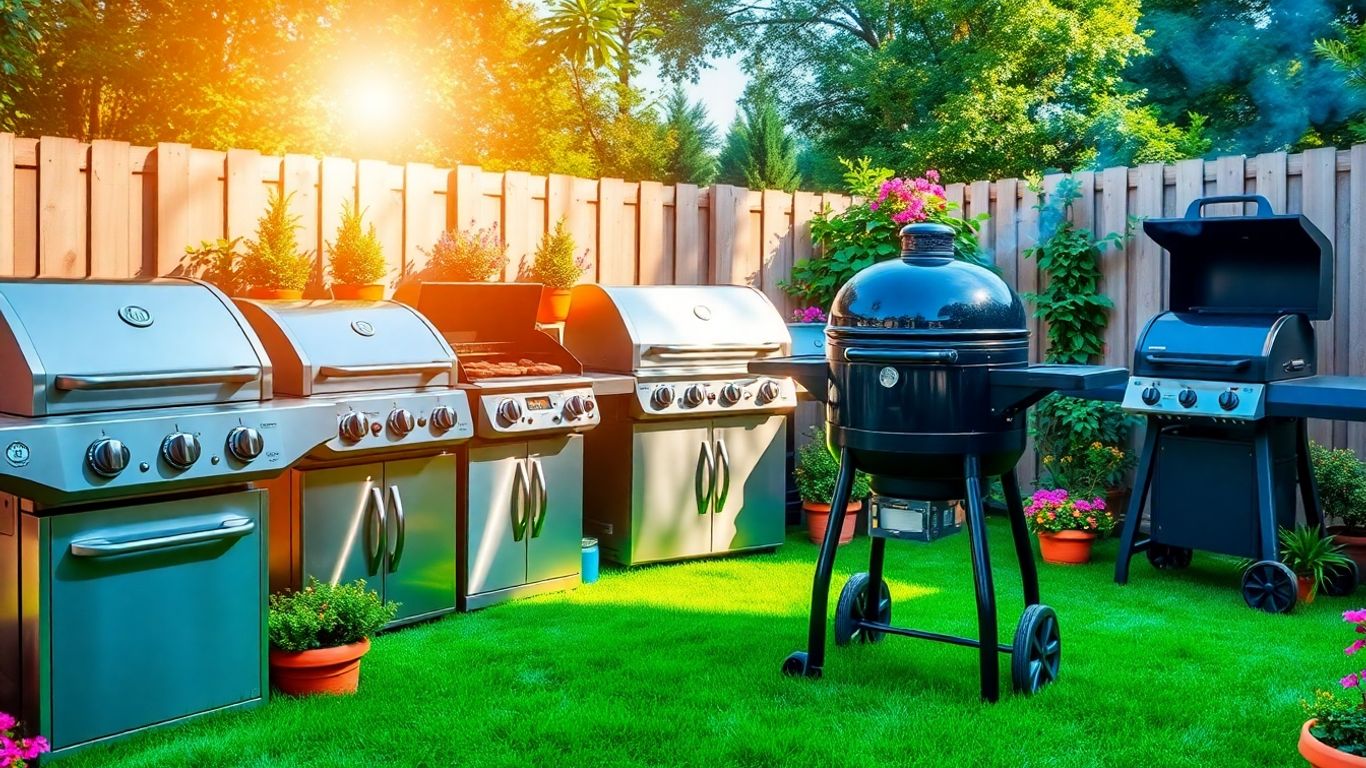
Choosing a grill is a big decision, and it doesn’t have to break the bank. You’ve got a few main types to consider, each with its own vibe and price point. Think about what’s most important to you: speed, flavor, or flexibility.
Gas Grills: Convenience and Control
Gas grills are super popular for a reason. They light up fast with the push of a button, and you can adjust the heat pretty easily. This makes them great for when you’re in a hurry or want to cook a variety of things without a lot of fuss. They’re usually pretty straightforward to clean up too, which is a bonus after a long cookout. On the flip side, they don’t give you that deep, smoky flavor that charcoal can, and the initial cost can be a bit higher than a basic charcoal setup.
- Quick start-up: Perfect for spontaneous grilling sessions.
- Temperature control: Easy to dial in the heat for different foods.
- Cleaner operation: Less ash and mess compared to charcoal.
- Convenience: Often have side burners for extra cooking space.
Charcoal Grills: Flavor and Tradition
If you’re all about that classic smoky taste, charcoal is your friend. There’s something satisfying about building a fire and watching those coals get just right. It takes a bit more time to get going and to clean up afterward, but many folks swear the flavor is worth the effort. You can find simple, affordable charcoal grills that are perfect for smaller budgets. They’re also pretty portable, so you can take them camping or to a friend’s house.
- Superior flavor: The smoky taste is hard to beat.
- Budget-friendly options: Many basic models are very inexpensive.
- Portability: Easy to move around your yard or take elsewhere.
- Simplicity: Fewer parts mean less can go wrong.
Pellet Grills: Versatility on a Budget
Pellet grills have really gained traction because they can do so much. They can grill, smoke, and even bake. You load them up with wood pellets, and they automatically feed them to maintain a set temperature. This makes them super versatile. While some high-end models can be pricey, you can find more budget-friendly pellet grills now that offer a lot of bang for your buck. The main things to remember are that they need electricity to run and the flavor profile is different from traditional charcoal smoking.
- Multi-functional: Grill, smoke, bake, and roast all in one unit.
- Set-and-forget: Easy temperature control once it’s going.
- Consistent results: Great for low-and-slow cooking.
- Variety of wood flavors: Pellets come in different wood types for different tastes.
When picking a grill, think about how often you’ll use it and what kind of food you like to make. A simple charcoal grill might be all you need to start, or maybe the convenience of gas fits your lifestyle better. Don’t feel pressured to buy the most expensive option; a good meal can be made on any type of grill with a little practice. The best grill for your budget is the one that gets used the most and brings you joy.
Here’s a quick look at how they stack up:
| Grill Type | Pros | Cons |
|---|---|---|
| Gas | Fast start, easy temp control, clean | Less smoky flavor, higher initial cost |
| Charcoal | Rich smoky flavor, affordable models, portable | Longer setup/cleanup, less precise temp control |
| Pellet | Versatile (grill, smoke, bake), easy temp control | Needs electricity, can be more expensive, different flavor profile |
Essential Materials For A Durable Setup
Building a backyard BBQ setup that lasts means picking the right stuff from the start. You don’t need to break the bank, but some materials just hold up better outdoors. Think about what you’ll be walking on, prepping food on, and how you’ll keep things from getting soaked or sun-baked.
Your grill area needs a solid base. You want something that won’t turn into a mud pit when it rains or crack under the heat. Forget about just laying down grass right where the grill will sit; that’s a fire hazard waiting to happen. Instead, consider these options:
- Concrete Pavers: These are pretty common and come in tons of shapes and colors. They’re easy to lay down, especially if you get a good base of gravel and sand underneath. Plus, if one gets damaged, you can just swap it out.
- Brick: Classic and sturdy. Brick patios look great and can handle a lot of foot traffic and heat. Like pavers, they need a solid foundation to prevent shifting.
- Gravel: A more budget-friendly option, especially if you’re going for a more rustic look. Make sure to use a good weed barrier underneath and consider larger, more stable gravel so it doesn’t get tracked everywhere.
The key is to create a stable, non-combustible surface for your grill.
When you’re prepping food, chopping veggies, or just setting down platters, you need a surface that can handle a bit of heat and won’t stain easily. You don’t need fancy granite if you’re on a tight budget. Think about:
- Repurposed Slate: Old slate tiles can often be found at salvage yards or online. They’re tough, look really cool, and can be cleaned up to make a unique countertop.
- Concrete: You can actually pour concrete countertops yourself, or find pre-cast ones. They’re super durable and can be sealed to resist stains. Just make sure they’re properly supported.
- Stainless Steel: While sometimes pricier, you can sometimes find used stainless steel tables or prep surfaces that are perfect for outdoor kitchens. They’re easy to clean and very hygienic.
Whatever you choose, make sure it’s sealed well if it’s porous, and that it can withstand temperature changes without cracking or warping.
Protecting your setup from the elements is important for its longevity. You don’t need a full-blown roof, but some shade and rain cover can make a big difference. Here are a few ideas:
- Large Patio Umbrella: This is probably the most flexible and cheapest option. You can move it around, and it provides good shade and some rain protection. Just make sure it’s anchored well.
- Pergola with a Retractable Canopy: A simple pergola frame can add structure, and then you can add a fabric canopy that you can pull back when you want sun or extend for shade and rain.
- DIY Awning: If you’re a bit handy, you could build a simple awning structure using treated lumber and some corrugated plastic or metal roofing panels. This offers more permanent protection.
Designing Your Space For Functionality
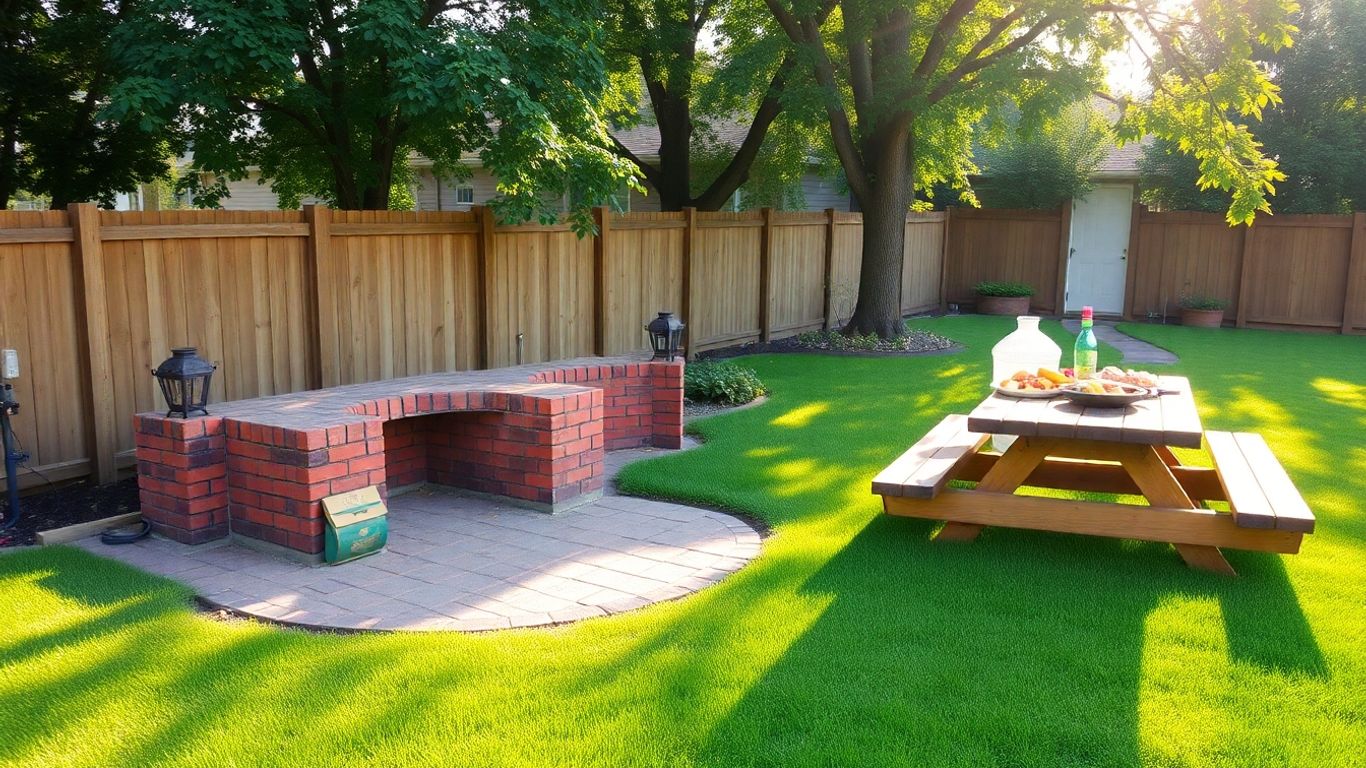
When you’re setting up your backyard BBQ spot, it’s not just about where the grill goes. You want a space that actually works for you, whether you’re cooking up a storm or just hanging out with friends. Think about how you’ll move around, where you’ll prep food, and where everyone will sit. Making a smart layout means less stress and more fun.
Determining The Necessary Square Footage
Figuring out how much room you need depends on what you want to do. A simple setup with just a grill and a small prep area might only need about 4×6 feet. But if you plan on having a place for people to sit and maybe a bit of extra counter space, you’ll want to aim for at least 12×16 feet. It’s better to have a little extra room than to feel cramped.
| Feature | Minimum Space |
|---|---|
| Grill + Prep Counter | 4×6 ft |
| Seating for 4 | 8×8 ft |
| Walkway | 3 ft wide |
Creating Efficient Work and Seating Zones
Think about the flow of your space. You’ll want your grill, prep area, and serving spot to be close together so you’re not running back and forth. Designate a comfortable seating area where people can chat without being too close to the heat or smoke. A good layout makes cooking and entertaining feel natural.
- Prep Zone: Keep this near the grill, with enough counter space for chopping and plating.
- Cooking Zone: This is where the grill lives. Make sure there’s clearance around it.
- Serving Zone: A small table or counter space for finished dishes.
- Seating Zone: Comfortable spots for guests, away from direct heat.
Planning For Ample Walkway Space
Don’t forget to leave enough room to walk around! You don’t want people bumping into each other or the grill. Aim for walkways that are at least 3 feet wide. This makes it easy to get to and from the grill, carry food, and generally move around without feeling like you’re in a maze. It’s a small detail that makes a big difference in how usable your space feels.
Good flow is key. Think about how you’ll move from the house to the grill, to the seating area, and back. Clear paths prevent accidents and make the whole experience more enjoyable for everyone involved.
Smart Storage Solutions For Your Setup
When you’re setting up your backyard BBQ area, don’t forget about where all your stuff is going to go. It’s easy to get caught up in the grill and seating, but without good storage, your space can quickly become cluttered and less enjoyable. Smart storage keeps your grilling essentials organized and protected from the elements.
Weatherproof Cabinets For Essentials
Think about what you’ll need to keep handy. Things like grilling tools, cleaning supplies, and maybe even some extra charcoal or propane can get messy or ruined if left out. Look for outdoor-rated cabinets. These are built to withstand rain, sun, and temperature changes. You don’t need anything fancy; even a sturdy plastic storage bin with a lid can work wonders for smaller items. If you’re on a tight budget, consider repurposing an old dresser or cabinet. Just make sure to seal it well to protect it from moisture.
- Grill Tools: Tongs, spatulas, brushes, and thermometers.
- Cleaning Supplies: Grill brush, degreaser, and rags.
- Fuel: Extra propane tank or charcoal bags.
- Accessories: Oven mitts, grill covers, and foil.
Creative Solutions For Propane Tanks
Propane tanks can be an eyesore, and they need to be stored safely. If your grill has a built-in spot for the tank, that’s the easiest solution. If not, you have a few options. You could build a simple wooden enclosure that matches your setup. Make sure it has good ventilation. Another idea is to use a decorative planter box to hide the tank. Just ensure there’s enough space for airflow and easy access for connecting and disconnecting the tank. Never store propane tanks indoors.
Keeping Grilling Tools Organized
Loose tools are a recipe for frustration. A magnetic strip mounted on a wall or cabinet can hold metal utensils securely. Pegboards are also great for hanging tools and keeping them visible. For smaller items like skewers or thermometers, consider using a tool caddy or a repurposed toolbox. Even a simple bucket or bin can keep things tidy. The goal is to have everything in its place so you can grab what you need without digging through a pile.
Keeping your grilling tools and supplies organized not only makes cooking easier but also helps maintain the longevity of your equipment by keeping it protected and readily accessible when you need it most.
Budget-Friendly Lighting For Ambiance
Lighting up your backyard BBQ area doesn’t have to cost a fortune. With a few smart choices, you can create a warm and inviting atmosphere that’s perfect for evening gatherings. The right lighting can transform your space from functional to festive.
String Lights For Festive Evenings
Nothing says ‘party’ quite like a canopy of twinkling string lights. These are super easy to hang, whether you’ve got posts, a fence, or even just some sturdy trees. You can find them in various bulb styles, from classic Edison bulbs to fun, colorful globes. They cast a soft, warm glow that makes everyone feel relaxed and happy.
- Placement: Drape them overhead across your seating area or grill station.
- Style: Consider solar-powered options to save on electricity and avoid messy cords.
- Durability: Look for outdoor-rated lights that can withstand the elements.
Solar Path Lights For Safety
While string lights add the ambiance, solar path lights are great for practical safety. You can line your walkways, the edges of your patio, or even place them around garden beds. They automatically turn on at dusk, providing just enough light to see where you’re going without being too bright. Plus, since they’re solar, there’s no wiring involved, making them incredibly easy to install.
Under-Counter LED Strips
For a more modern and subtle lighting effect, consider LED strip lights. These are perfect for mounting underneath countertops or shelves. They provide task lighting for food prep while also adding a cool, sophisticated glow to your setup. Many LED strips come with remote controls, allowing you to change colors or dim the lights to suit the mood.
When choosing lighting, think about layering. Combine the general ambiance of string lights with the functional safety of path lights and the accent glow of under-counter LEDs. This approach creates a well-lit space that feels both inviting and safe for everyone.
Prioritizing Safety In Your BBQ Area
Look, nobody wants to think about things going wrong when they’re just trying to enjoy some burgers. But a little bit of foresight goes a long way in keeping your backyard bash from turning into a bad story. It’s not about being a worrywart; it’s about being smart so everyone stays safe and sound.
Maintaining Safe Distances From Flammables
This is a big one. You need to give your grill some breathing room. Think of it like this: your grill gets hot, really hot. So, you don’t want it too close to anything that can catch fire easily. That means keeping it a good distance away from your house, fences, trees, bushes, and any outdoor furniture that might be made of flammable stuff like wicker or certain plastics. A general rule of thumb is to keep your grill at least three feet away from anything that could go up in smoke.
| Item to Clear | Recommended Distance |
|—|—|—|
| Structures (House, Shed) | 10+ feet |
| Fences | 3+ feet |
| Trees & Bushes | 3+ feet |
| Flammable Furniture | 3+ feet |
Keeping A Fire Extinguisher Accessible
Accidents happen, and when it comes to grease fires, a garden hose isn’t your friend. Water can actually make a grease fire worse. That’s why having a proper fire extinguisher nearby is a really good idea. Make sure it’s rated for Class B fires (flammable liquids) and Class K fires (kitchen fires), which covers most BBQ scenarios. Keep it somewhere easy to grab, like mounted on a wall near your setup, but not so close that it’s in the direct heat zone. Give it a quick check every now and then to make sure it’s still charged and ready to go.
- Type: ABC or K-rated fire extinguisher.
- Location: Easily accessible, visible, and not in the direct heat path.
- Maintenance: Check pressure gauge monthly and get it serviced as recommended by the manufacturer.
Establishing A Kid-Friendly Zone
Kids are naturally curious, and hot grills are a magnet for that curiosity. It’s a recipe for disaster. The best way to handle this is to set up a clear
DIY Touches For A Personal Touch
Making your backyard BBQ setup feel like yours doesn’t have to cost a fortune. It’s all about getting a little creative and using what you might already have or can find affordably. Think of it as adding your own flavor to the space, just like you do with your grilling.
Repurposing Materials For Countertops
Who says you need fancy granite or quartz for your prep surfaces? You can totally make do with some clever repurposing. Old doors, salvaged wood, or even large ceramic tiles can be transformed into unique and functional countertops. Just make sure whatever you choose is sealed properly to handle outdoor conditions and food prep.
- Old Doors: A solid wood door, cut to size and sealed, can make a surprisingly sturdy and spacious countertop. Look for ones at salvage yards or even ask friends if they have an old one lying around.
- Wood Pallets: With a bit of sanding and sealing, pallet wood can be arranged to create a rustic countertop. You might want to add a layer of epoxy resin for a smooth, food-safe finish.
- Ceramic Tiles: Leftover tiles from a home project? You can adhere them to a sturdy base, like plywood, to create a colorful and easy-to-clean surface.
Remember, the key here is durability and safety. Whatever you repurpose needs to be able to withstand heat, moisture, and be easy to sanitize. Don’t be afraid to experiment, but always prioritize function alongside form.
Creative Seating Arrangements
Forget expensive patio sets. You can create comfortable and stylish seating areas without breaking the bank. Think outside the box with seating that’s not only practical but also adds character.
- Cinder Block Benches: Stack cinder blocks and top them with sturdy wooden planks. Add some outdoor cushions for comfort. This is super cheap and can be reconfigured easily.
- Repurposed Furniture: Keep an eye out for old chairs or benches at thrift stores or garage sales. A fresh coat of outdoor paint can completely transform them.
- Hay Bales (Temporary): For a rustic, temporary setup for a big party, hay bales covered with blankets or tarps can make for fun, casual seating.
Adding Decorative Elements
This is where you really get to inject your personality. Little touches can make a big difference in making your BBQ area feel welcoming and special.
- String Lights: Nothing beats the ambiance of string lights. Hang them overhead, along fences, or even wrap them around posts for a magical glow.
- Outdoor Rugs: A colorful outdoor rug can define your space and add a cozy feel. Look for sales or consider durable, washable options.
- DIY Planters: Use old tires, buckets, or even painted tin cans to create unique planters for herbs or flowers. This adds a pop of color and life to the area.
Maintaining Your BBQ Area Year-Round
Keeping your backyard BBQ setup looking good and working right doesn’t have to be a huge chore. A little bit of regular attention can go a long way in protecting your setup and making sure it’s ready to go whenever the mood strikes for some grilling. Think of it like keeping your car tuned up – it just runs better and lasts longer.
Routine Grill Cleaning Practices
After every time you cook, give those grill grates a good scrub with a wire brush. This stops food bits from sticking and burning on next time. It’s also a good idea to swap out your grease tray about once a month. If you have a gas grill, check the burner tubes now and then and clear out any gunk that might be blocking the holes. This helps keep the flames even and prevents flare-ups. For a clean grill, regularly clean the burner tubes and inner surfaces with a cloth or soft brush. Ensure the burner holes are clear to prevent clogging.
Surface Care For Longevity
Your flooring and countertops need some love too. If you have stone or concrete pavers, giving them a good pressure wash maybe twice a year can really make them look new again. For any wooden parts, like a pergola, a fresh coat of sealant annually will stop the wood from drying out and cracking. This keeps everything looking sharp and prevents bigger repair jobs down the line.
Winterizing Your Outdoor Space
When the cold weather starts to roll in, it’s time to prep your BBQ area for winter. It’s smart to cover up your grill and any outdoor furniture. You’ll also want to bring cushions and other soft items inside to keep them from getting damp and moldy. This simple step helps everything last much longer and saves you from having to replace things too soon.
Taking care of your outdoor cooking space isn’t just about looks; it’s about making sure it’s safe and functional for years to come. A little effort now means more enjoyable cookouts later.
Accessorizing Your Budget Backyard BBQ Setup
Alright, so you’ve got your grill, your space is prepped, and you’re ready to cook. But what about the little things that make a backyard BBQ feel complete? Don’t worry, you don’t need to spend a fortune to get that perfect setup. It’s all about picking the right accessories that add both function and a bit of flair.
Essential Grilling Utensils
First off, you need the tools to actually cook. Forget those flimsy plastic things; invest in a decent set of metal utensils. You’ll want a good pair of tongs – long ones are best so you don’t get too close to the heat. A sturdy spatula is a must for flipping burgers and steaks. Don’t forget a grill brush for cleaning those grates after you’re done; nobody likes food sticking to old gunk. A meat thermometer is also a lifesaver, especially if you’re trying to nail that perfect internal temperature for chicken or pork. You can find pretty affordable sets online or at your local hardware store. Having these ready means you can focus on the food, not fumbling around for a tool.
Serving Dishes and Condiment Stations
Once the food is cooked, you need something to put it on and serve it with. You don’t need fancy china for this. Think about durable, easy-to-clean options. Recycled bamboo plates or even sturdy melamine ones work great for outdoor use. For serving sides like potato salad or coleslaw, simple bowls are fine. A really smart move is setting up a dedicated condiment station. Get a few small bowls for ketchup, mustard, relish, and pickles. Add some tongs or spoons for serving. This keeps everything organized and prevents a mess when people are building their plates. Even a few colorful, inexpensive napkins can make a difference.
Entertainment Options For Guests
Now, let’s talk about keeping your guests happy while you’re busy grilling. Music is a big one. Create a playlist with some crowd-pleasing tunes – maybe some classic rock or upbeat pop. If you’ve got the space, some simple backyard games can be a huge hit. Think about a cornhole set or even just a deck of cards for a table game. If you have kids running around, a simple bubble machine or some sidewalk chalk can keep them occupied. The goal is to create a relaxed atmosphere where everyone can enjoy themselves. It doesn’t have to be elaborate; just a few thoughtful touches can make your BBQ feel like a real party. For a more advanced setup, you might consider a grill like the Traeger Ironwood 650, which offers a lot of versatility for different cooking styles Traeger Ironwood 650.
Don’t underestimate the power of good lighting. String lights hung overhead can create a magical ambiance as the sun sets, making your backyard feel cozy and inviting. Solar path lights are also a budget-friendly way to illuminate walkways, adding a touch of safety and style without any wiring hassle.
Wrapping Up Your Backyard BBQ Project
So there you have it! Building a great backyard BBQ setup doesn’t have to cost a fortune. Whether you’re going for a simple grill station or a more elaborate outdoor kitchen, the key is planning smart and focusing on what matters most: good food and good company. Remember those little mistakes, like my neighbor’s pecan tree incident, can turn into funny stories later. With a little effort and these tips, you can create a space that’s perfect for your budget and your lifestyle. Now go ahead, fire up that grill, and enjoy some delicious food with friends and family!
Frequently Asked Questions
Where is the best spot to set up my BBQ area?
Find a spot that’s about 10 to 15 feet away from your house. Make sure it’s not in a windy area, on bumpy ground, or under low tree branches. It should also be a place that doesn’t get too muddy when it rains. Facing the grill away from the usual wind direction is a good idea, and having some shade is nice too.
How much space do I really need for a BBQ setup?
You can make a small setup work in about 10×10 feet, which might even fit on some balconies if it’s safe. But if you want space for seating, a counter to prep food, and room to move around, aim for at least 12×16 feet. Think about needing about 4×6 feet for the grill and prep, 8×8 feet for seating four people, and 3-foot wide paths.
What are some tough, budget-friendly materials for my BBQ area?
For the ground, concrete pavers, bricks, or stones are good choices because they last long and are easy to clean. Avoid wood because it can warp and get stained. For countertops, granite or stainless steel are great because they handle heat well. A cool trick for a cheaper option is using old slate pieces.
Should I get a gas, charcoal, or pellet grill?
Gas grills are super easy to start and control the heat. Charcoal grills give food a classic smoky flavor but take more time to set up and clean. Pellet grills are really versatile – they can smoke, grill, and even bake – but they’re usually more expensive and need electricity. For easy hosting, gas is often the simplest choice.
What kind of shelter is best for my BBQ setup?
A pergola with a roof made of clear plastic (polycarbonate) is a good option because it provides shade without making the area too dark. If you’re on a tighter budget, a big patio umbrella can also offer much-needed shade from the sun and light rain.
How can I add lighting without spending a lot?
You can create a nice atmosphere with string lights for a festive feel. Solar-powered path lights are great for lighting up walkways safely. For a modern touch, consider adding LED strip lights underneath your countertops.
What are the most important safety tips for my BBQ area?
Always keep your grill at least 3 feet away from anything that can catch fire, like fences, trees, or outdoor furniture. Have a fire extinguisher nearby – a garden hose won’t work on grease fires. It’s also smart to create a clear zone around the grill where kids and pets can’t go.
How do I keep my BBQ area looking good all year?
Clean your grill grates after every use and change the grease tray regularly. Clean hard surfaces like stone or concrete a couple of times a year. Before winter, cover your grill and outdoor furniture, and store cushions inside to protect them from the weather.