
Hey everyone! So, you’re probably wondering about the whole low and slow versus hot and fast BBQ thing. It’s a big topic in the grilling world. Both ways can make some seriously tasty food, but they get there differently. We’re going to break down what makes each method tick, what kind of results you can expect, and ultimately, help you figure out which approach is best for your next barbecue adventure. It’s all about making your meat taste amazing, right?
Key Takeaways
- Low and slow BBQ cooks meat at lower temperatures for longer periods, breaking down tough tissues for maximum tenderness and moisture.
- Hot and fast BBQ uses higher temperatures for shorter cooking times, ideal for naturally tender cuts and creating a good sear.
- Temperature control is vital for both methods, but low and slow requires consistent heat over many hours, while hot and fast focuses on quick, intense heat.
- The cut of meat heavily influences the best cooking method; thicker, tougher cuts benefit from low and slow, while thinner, tender cuts do well with hot and fast.
- Ultimately, the choice between low and slow vs hot and fast BBQ depends on personal preference, the specific meat you’re cooking, and the desired texture and flavor profile.
Understanding the Core Concepts: Low and Slow vs. Hot and Fast
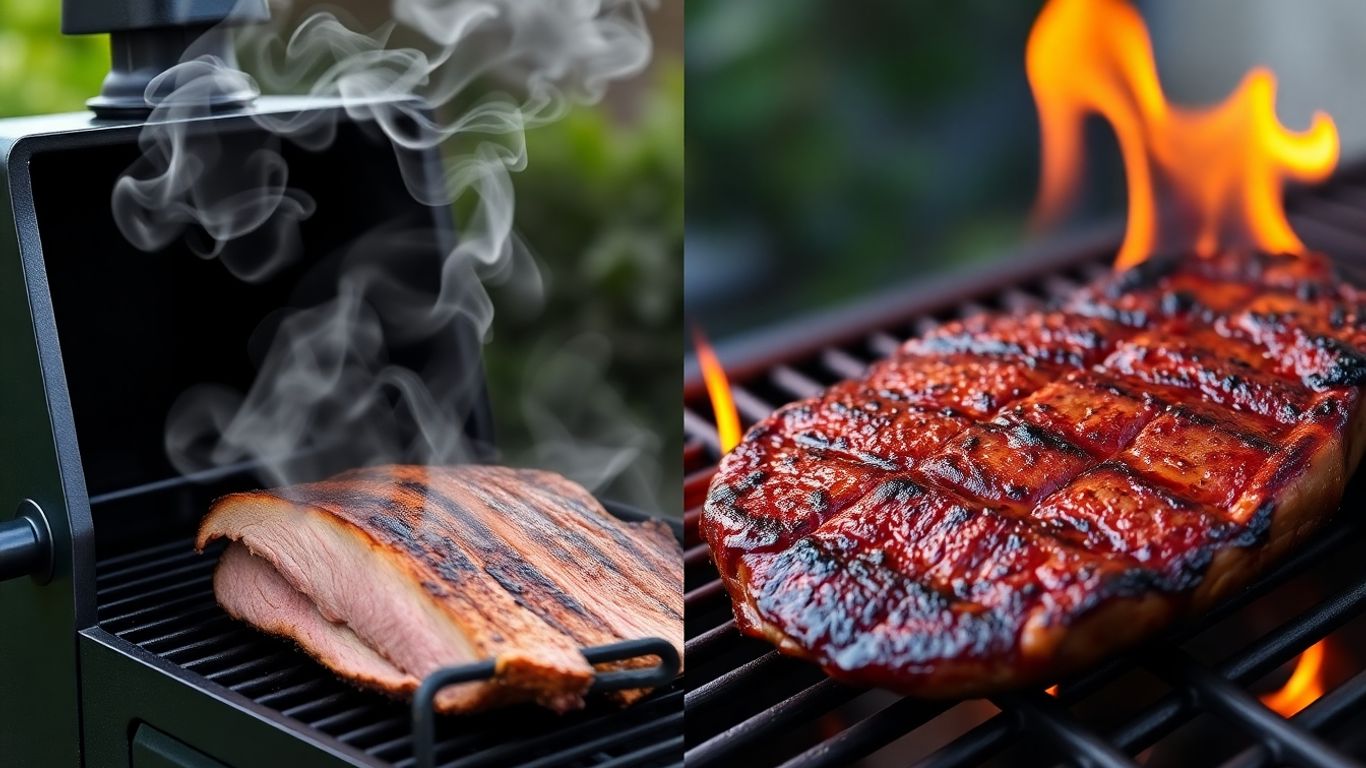
When you get down to it, barbecue is really about two main ways of cooking meat: low and slow, or hot and fast. Both have their place, and knowing which one to use can make a big difference in how your food turns out. It’s not just about throwing meat on the grill; it’s about understanding how heat and time work together.
The Art of Low and Slow BBQ
This is the classic approach, the one that often comes to mind when you think of traditional barbecue. The idea here is to cook tougher cuts of meat, like brisket or pork shoulder, at lower temperatures for a really long time. We’re talking temperatures usually between 225°F and 275°F, and cooking times that can stretch for hours, sometimes even a whole day. This slow, gentle heat breaks down the tough connective tissues in the meat, turning them into gelatin. That’s what gives you that super tender, melt-in-your-mouth texture that everyone loves.
- Ideal for: Cuts with more connective tissue and fat, like pork butts, beef brisket, and ribs.
- Goal: To tenderize tough cuts and allow smoke to deeply penetrate the meat.
- Key: Patience and consistent, low temperatures.
This method is all about letting time do the heavy lifting, transforming less desirable cuts into something truly special. It requires a bit of planning ahead, but the results are usually worth the wait.
The Science of Hot and Fast BBQ
On the flip side, we have the hot and fast method. As the name suggests, this is about cooking things at higher temperatures, typically from 350°F up to 450°F, for a much shorter period. This approach is great for naturally tender cuts of meat, or thinner cuts that would just dry out if cooked for too long. Think chicken breasts, steaks, or even burgers. The high heat sears the outside quickly, creating a nice crust while cooking the inside through.
- Ideal for: Naturally tender cuts, thinner steaks, chicken pieces, burgers, and fish.
- Goal: To cook quickly, achieve a good sear, and avoid drying out leaner meats.
- Key: Close monitoring and managing high heat to prevent burning.
The biggest challenge with hot and fast is avoiding burning the outside before the inside is cooked, or ending up with dry, tough meat. It’s easy to get distracted when the heat is high, and a few extra minutes can make a big difference. Sometimes, a spray bottle with water can be handy to manage flare-ups from dripping fat.
Key Differences: Temperature, Time, and Technique
Temperature Control: The Foundation of Each Method
When you’re talking BBQ, temperature is pretty much everything. It’s the main thing that separates ‘low and slow’ from ‘hot and fast’. Low and slow is all about keeping things chill, usually somewhere between 225°F and 275°F. This gentle heat lets tougher cuts of meat slowly break down, getting super tender without drying out. Hot and fast, on the other hand, cranks it up, often between 350°F and 450°F. This higher heat is great for searing and cooking things quickly, especially thinner cuts or things like chicken pieces.
It’s not just about the number, though. How you manage that temperature matters. For low and slow, you’re aiming for a steady, consistent heat over many hours. This often means learning how to manage your vents and fuel source to avoid big temperature swings. Hot and fast requires a different kind of control – getting that heat up quickly and keeping it there, often using direct heat for searing.
Think of it like this: low and slow is like a long, relaxing soak in a hot tub, letting everything loosen up. Hot and fast is more like a quick, invigorating shower – gets the job done fast and leaves you feeling energized.
Time Commitment: Patience vs. Speed
This one’s pretty obvious from the names, right? Low and slow means you’re in it for the long haul. We’re talking hours, sometimes even a whole day, depending on what you’re cooking. A pork shoulder, for example, can easily take 8 to 12 hours, or even longer, at those lower temperatures. It’s a commitment, for sure, but that time is what allows the magic to happen with connective tissues and fat.
Hot and fast is the opposite. You can get a great meal on the table in a fraction of the time. A steak that might take hours low and slow (if you even did that) can be perfectly cooked in under 30 minutes with the hot and fast approach. This makes it a good option when you’re short on time or just want a quicker BBQ fix.
Here’s a quick look:
- Low and Slow: Typically 4-12+ hours.
- Hot and Fast: Typically 30 minutes to 3 hours.
Meat Cut Considerations
The type of meat you’re cooking really guides which method you should lean towards. Tougher cuts, like brisket, pork shoulders, or ribs with a lot of connective tissue, benefit hugely from the low and slow treatment. That long cooking time breaks down all that tough stuff, turning it into something tender and delicious. If you tried to cook these cuts hot and fast, you’d end up with something dry and chewy.
On the flip side, naturally tender cuts like steaks, chicken breasts, pork chops, or even thinner ribs like baby backs, do really well with hot and fast. The high heat sears the outside beautifully, creating a nice crust, and cooks the inside quickly before it has a chance to dry out. Trying to cook a steak low and slow would likely result in a grey, unappealing piece of meat that lacks that desirable sear.
The Impact on Flavor and Texture
When you’re deciding between cooking low and slow or hot and fast, the biggest differences you’ll notice are in how the meat turns out. It’s not just about how long it takes; it’s about what happens to the meat itself.
Achieving Tenderness and Moisture
Low and slow cooking is all about breaking down tough connective tissues in the meat. Think of cuts like brisket or pork shoulder. These have a lot of collagen, which is like the glue holding muscle fibers together. Cooking at lower temperatures for a long time, say 225°F to 275°F, gives that collagen enough time to turn into gelatin. This gelatin then lubricates the meat, making it super tender and moist. The secret to perfect smoked BBQ lies in low and slow cooking. It prevents the meat from drying out, ensuring it stays juicy from the inside out.
Hot and fast, on the other hand, cooks meat much quicker, often between 350°F and 450°F. This method is better for naturally tender cuts like chicken breasts or steaks. The high heat sears the outside, creating a nice crust and locking in juices. However, for tougher cuts, this method doesn’t give the collagen enough time to break down, which can lead to a chewier, less tender result.
Here’s a quick look at how the methods generally affect tenderness:
- Low and Slow: Excellent for tough cuts, results in very tender,
When to Choose Which Method
Deciding between low and slow and hot and fast really boils down to what you’re cooking and what you’re aiming for. Think about the cut of meat first. Tougher, thicker cuts with plenty of connective tissue, like a pork shoulder or a beef brisket, really benefit from the long, gentle cooking of the low and slow approach. This gives all that tough stuff time to break down, making the meat super tender and juicy.
On the other hand, if you’ve got something leaner or thinner, like chicken breasts, steaks, or even some types of ribs such as baby backs, the hot and fast method is usually your best bet. It sears the outside nicely, keeping the inside moist, and it’s just quicker. You don’t want to cook a thin steak for hours, right?
Here’s a quick rundown:
- Low and Slow is best for:
- Pork shoulder (pulled pork)
- Beef brisket
- Beef ribs (short ribs, plate ribs)
- Whole chickens or turkeys (for a more traditional smoked flavor)
- Hot and Fast is best for:
- Steaks
- Chicken pieces (breasts, thighs, wings)
- Pork chops
- Baby back ribs or spareribs
- Burgers and ground meat
Ultimately, the cut of meat is the biggest factor in deciding which method to use.
Don’t be afraid to experiment. Sometimes, even a cut that’s typically done low and slow can be managed with a hot and fast technique if you’re careful. It’s all about learning what works for you and the specific piece of meat you have.
Conclusion: Finding Your BBQ Sweet Spot
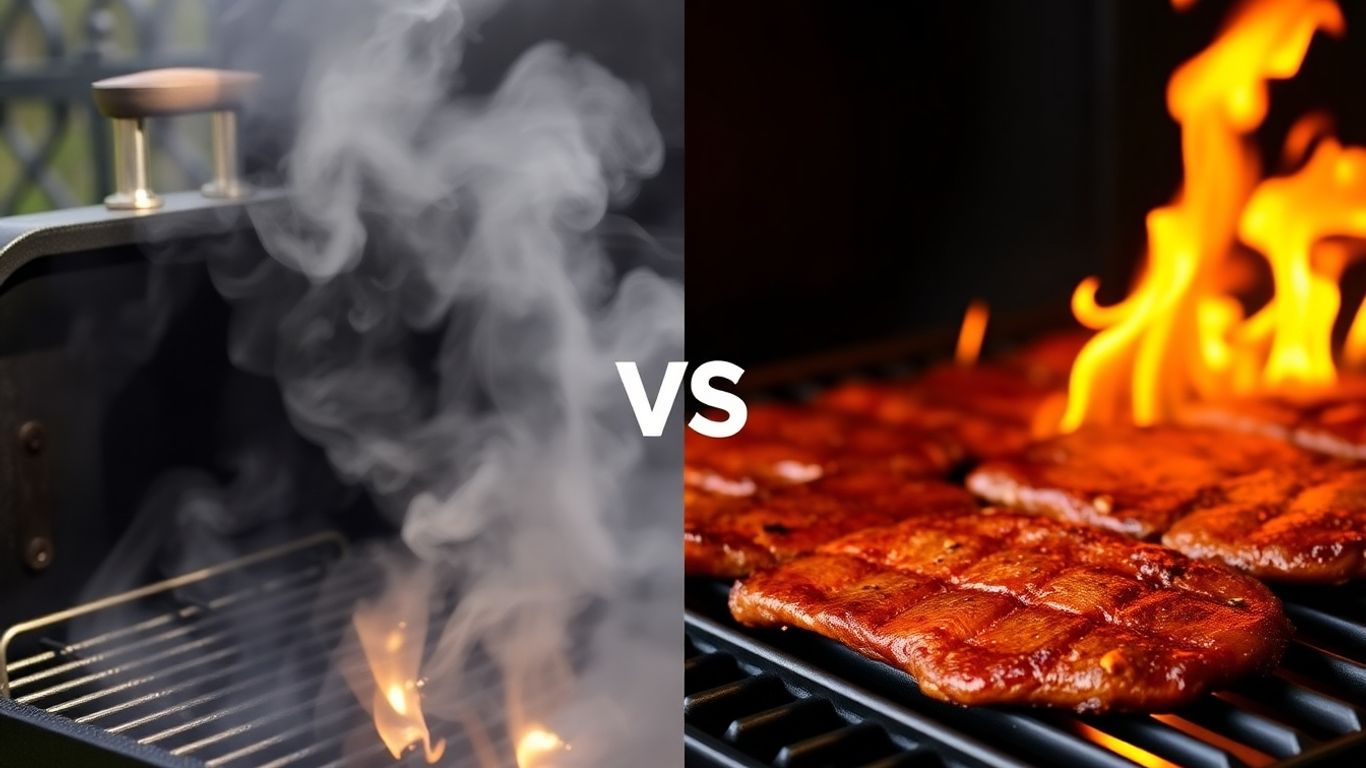
So, we’ve talked about cooking low and slow for that super tender, smoky goodness, and then there’s the hot and fast way, which is great for getting a quick sear on things. Honestly, there’s no single ‘best’ way to do BBQ. It really depends on what you’re cooking and what you’re going for.
Think about it like this:
- Tougher cuts like brisket or pork shoulder? Low and slow is usually your friend here. It gives the meat time to break down and become really tender.
- Thinner cuts or things like burgers and chicken pieces? Hot and fast works well. You get that nice crust without drying out the inside.
- Flavor profile is a big deal too. Low and slow lets smoke really soak in, giving you that classic BBQ taste. Hot and fast is more about the sear and the natural flavor of the meat, maybe with a quick hit of smoke from a pellet tube.
The real secret is practice and knowing your equipment. Don’t be afraid to mess around with your grill, try different temperatures, and see what happens. You might find that a hybrid approach works best for certain things.
Ultimately, the goal is to make food you and your friends or family enjoy. Whether it takes four hours or forty-five minutes, the satisfaction comes from a delicious result. Keep experimenting, and you’ll find your own perfect BBQ rhythm.
So, Which Method Reigns Supreme?
Ultimately, there’s no single winner in the low and slow versus hot and fast BBQ showdown. It really boils down to what you’re cooking and what you like. If you’re after that super tender, melt-in-your-mouth texture, especially with tougher cuts like brisket or pork shoulder, taking your time with low and slow is probably your best bet. But if you’re short on time or cooking something like a steak or chicken, the hot and fast approach can give you a great sear and juicy results without the long wait. Don’t be afraid to experiment with both methods, see what works best for your taste buds and your grill, and happy cooking!
Frequently Asked Questions
What’s the main difference between low and slow and hot and fast BBQ?
Low and slow means cooking meat at a gentle temperature (around 225-275°F) for a long time, usually many hours. Hot and fast is the opposite, using higher heat (350-450°F) for a shorter cooking period. Think of it like a slow simmer versus a quick sear.
What kind of meat is best for low and slow cooking?
Tougher cuts with more fat and connective tissue, like pork shoulder (for pulled pork) or brisket, do really well with low and slow. The long cooking time breaks down these tough parts, making the meat super tender and juicy.
When should I use the hot and fast method?
Hot and fast is great for naturally tender meats or thinner cuts that cook quickly. Things like steaks, chicken breasts, fish, or ribs benefit from the high heat, which gives them a nice crust and locks in juices without drying them out.
Does the cooking method affect the flavor?
Yes! Low and slow allows meat to soak up more smoke flavor, giving it a deep, smoky taste. Hot and fast creates a great sear and caramelization on the outside, which adds a different kind of delicious flavor, but might have less smoke penetration.
Which method is easier to master?
Many beginners find low and slow a bit more forgiving because you have more time to make adjustments. Hot and fast requires more attention because you can easily overcook the meat if you’re not watching closely.
What about the texture of the meat?
Low and slow usually results in meat that’s incredibly tender, almost falling apart. Hot and fast can give you a meat with a bit more bite or chew, along with that desirable crispy, seared exterior.
Can I use any grill for both methods?
Most grills can be adapted for both, but some are better suited. Pellet grills are great at holding steady low temperatures for low and slow. Charcoal grills offer more flexibility for managing heat for either method, depending on how you set up your coals.
Is one method ‘better’ than the other?
Neither method is strictly ‘better’; it all depends on what you’re cooking and what you like! Both can produce amazing results. It’s all about picking the right technique for the cut of meat and your personal taste preferences.