
So, you’ve got some killer BBQ going, maybe slow-smoked ribs or some juicy burgers on the grill. Now comes the fun part: picking the perfect drink to go with it. Forget just grabbing whatever’s in the fridge. We’re talking about making your meal even better, whether you’re leaning towards wine or whiskey. It’s all about finding that sweet spot where the flavors of your food and your drink just click. This isn’t some super fancy, complicated thing; it’s just about making your BBQ taste even more awesome. We’ll look at how smoke, sweetness, and spice play into things, and what drinks can really bring out the best in your smoked food pairings.
Key Takeaways
- When pairing wine with BBQ, think about the sauce and rubs more than just the type of meat. Sweet and spicy sauces often need wines with a bit of sweetness or acidity to balance them out.
- For really smoky meats like brisket, bold red wines with dark fruit and good tannins, or even certain peaty Scotches, can stand up to the intense flavors.
- Lighter grilled items or dishes with tangy sauces might do better with crisp white wines or even sparkling options that cut through richness.
- Whiskey can be a fantastic partner for BBQ. Bourbon’s sweetness works well with ribs, while rye’s spice can complement pulled pork.
- Don’t forget the sides! Creamy coleslaw or spicy beans can influence your drink choice, so consider the whole plate when making your selection.
Understanding The Nuances Of Barbecue And Wine Pairings
Grilling Versus True Barbecue
First off, let’s clear something up. Grilling isn’t quite the same as barbecue. Grilling usually means cooking food quickly over direct heat, like those burgers you throw on the grill at a backyard cookout. Barbecue, on the other hand, is a whole different ballgame. We’re talking about cooking meat low and slow, over indirect heat, often for many hours, letting smoke work its magic. This slow cooking process changes the meat’s texture and flavor profile significantly, and that’s what we’re focusing on when we talk about pairing with wine.
The Impact Of Smoke And Sweetness
Smoke and sweetness are the big players here. That smoky flavor from the barbecue pit can really change how a wine tastes. And if you’re using a sweet barbecue sauce or glaze? That’s another layer to consider. Sweetness in food can make dry wines taste bitter or flat. Spicy elements in sauces can make wines taste hotter and more alcoholic. It’s a delicate balance, and you need to think about these flavors when picking your bottle.
The key to a great pairing isn’t just about the meat itself, but about the whole package – the rubs, the sauces, the smoke. These elements are what really dictate the best wine choices.
Balancing Flavors For A Superior Experience
So, how do we get it right? It’s all about balance. You want the wine to complement the food, not overpower it, and vice versa. Think about matching the intensity of the flavors. A light-bodied wine might get lost with a rich, smoky brisket. Conversely, a super heavy wine might crush a more delicate grilled chicken. Sometimes, contrasting flavors work too – like a sweet wine with something a little spicy. The goal is to make both the food and the wine taste even better when enjoyed together.
Here are a few things to keep in mind:
- Consider the sauce: It often has more influence on the wine pairing than the meat itself.
- Match intensity: Pair light-bodied wines with lighter fare and full-bodied wines with richer, heartier dishes.
- Acidity is your friend: Wines with good acidity can cut through richness and stand up to tangy sauces.
- Sweetness needs sweetness: If your BBQ has a sweet sauce, opt for a wine with a touch of sweetness to avoid a bitter taste.
Red Wine Selections For Hearty BBQ
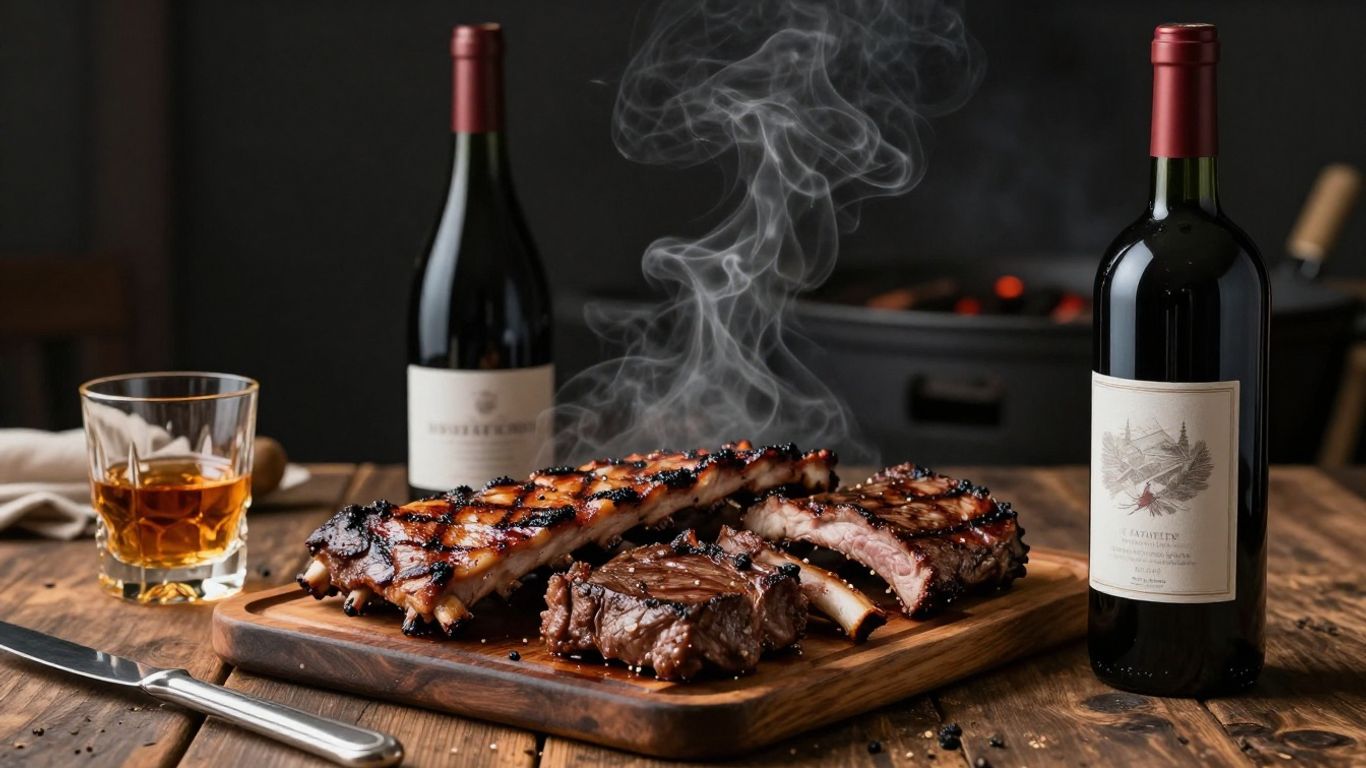
When you’ve got some serious meat on the grill – think thick steaks, smoky ribs, or even just a really good burger – you need a wine that can keep up. That’s where red wines come in. They’ve got the backbone to stand up to rich, fatty, and intensely flavored barbecue.
Bold Reds For Brisket And Ribs
For those slow-cooked, fall-off-the-bone ribs or a perfectly smoked brisket, you want a red wine with some serious character. We’re talking about wines that have enough tannin and body to cut through the richness of the meat. Think about wines like a Cabernet Sauvignon or a Malbec. These aren’t shy wines; they’ve got dark fruit flavors and a structure that can handle the bold, smoky notes of barbecue. A good Barolo or Brunello can also be a fantastic choice, especially for brisket, thanks to their acidity and tannins that really complement fatty cuts.
Fruity Reds For Hamburgers
Hamburgers are a bit more flexible. While a big, bold red can work, sometimes a slightly fruitier red is just the ticket. A Zinfandel from California, with its jammy fruit and peppery notes, is a classic pairing for burgers. It’s got enough fruit to be enjoyable on its own but also the structure to handle the savory beef. Another great option is a Valpolicella Ripasso. It offers a nice balance of fruit and a bit of spice, making it a versatile choice for all sorts of burger toppings.
Tempranillo And Syrah For Smoky Flavors
If your barbecue has a distinct smoky profile, you might want to reach for wines that have a bit of earthiness or spice to them. Tempranillo, especially from Spain’s Rioja region, often has notes of leather and tobacco that play really well with smoke. It’s not overly fruity, which is good when you don’t want the wine to clash with the smoky essence of the meat. Similarly, Syrah (or Shiraz) can be a winner. Some Syrahs have a peppery quality and a hint of smokiness themselves, making them a natural fit for smoked meats like brisket or pork shoulder. These wines have enough weight and complexity to stand up to the intense flavors without being overpowering.
Versatile White Wines For Grilled Delights
Sparkling Wines For All Occasions
When you’re not sure what to bring to a backyard cookout, or just want something that works with pretty much anything, sparkling wine is your friend. Seriously, it’s like the Swiss Army knife of wine pairings. Whether you’re grilling up some shrimp, chicken skewers, or even some veggie burgers, a good bubbly can handle it. Think Cava from Spain or Prosecco from Italy for a casual get-together. If you want to go a bit fancier, Champagne is always a solid choice. The bubbles and acidity cut through richness and cleanse your palate, making every bite taste fresh.
Crisp Whites For Lighter Fare
For those lighter grilled dishes, like fish, chicken, or even some grilled vegetables, you want a white wine that’s bright and refreshing. A crisp white wine with good acidity is perfect here. It won’t overpower the delicate flavors of the food. Consider something like a Sauvignon Blanc, especially if you’ve got anything with a bit of lemon or herb marinade. Albariño is another great pick, particularly for grilled seafood; it has this lovely peachy, salty quality that just works. Pinot Gris (or Grigio, depending on where it’s from) is also a good choice, especially if you’re grilling some fruit alongside your main course.
Riesling’s Acidity For Tangy Sauces
Riesling might not be the first white wine that comes to mind for BBQ, but it’s a real contender, especially when tangy sauces are involved. The key here is Riesling’s fantastic acidity. It’s like a superhero that can stand up to sweet and sour flavors without getting lost. If you’ve got grilled chicken with a sweet glaze or pork ribs with a zesty sauce, a dry or off-dry Riesling can be surprisingly good. It balances the sweetness and the tang, making both the food and the wine taste better. Don’t shy away from it; give it a try with those saucier grilled items.
White wines often get overlooked for BBQ, but they can be incredibly versatile. The key is to match the wine’s intensity and acidity to the food. Don’t be afraid to experiment beyond the usual suspects; sometimes the best pairings are the unexpected ones.
The Charm Of Rosé With Smoked Foods
Dry Rosé’s Adaptability
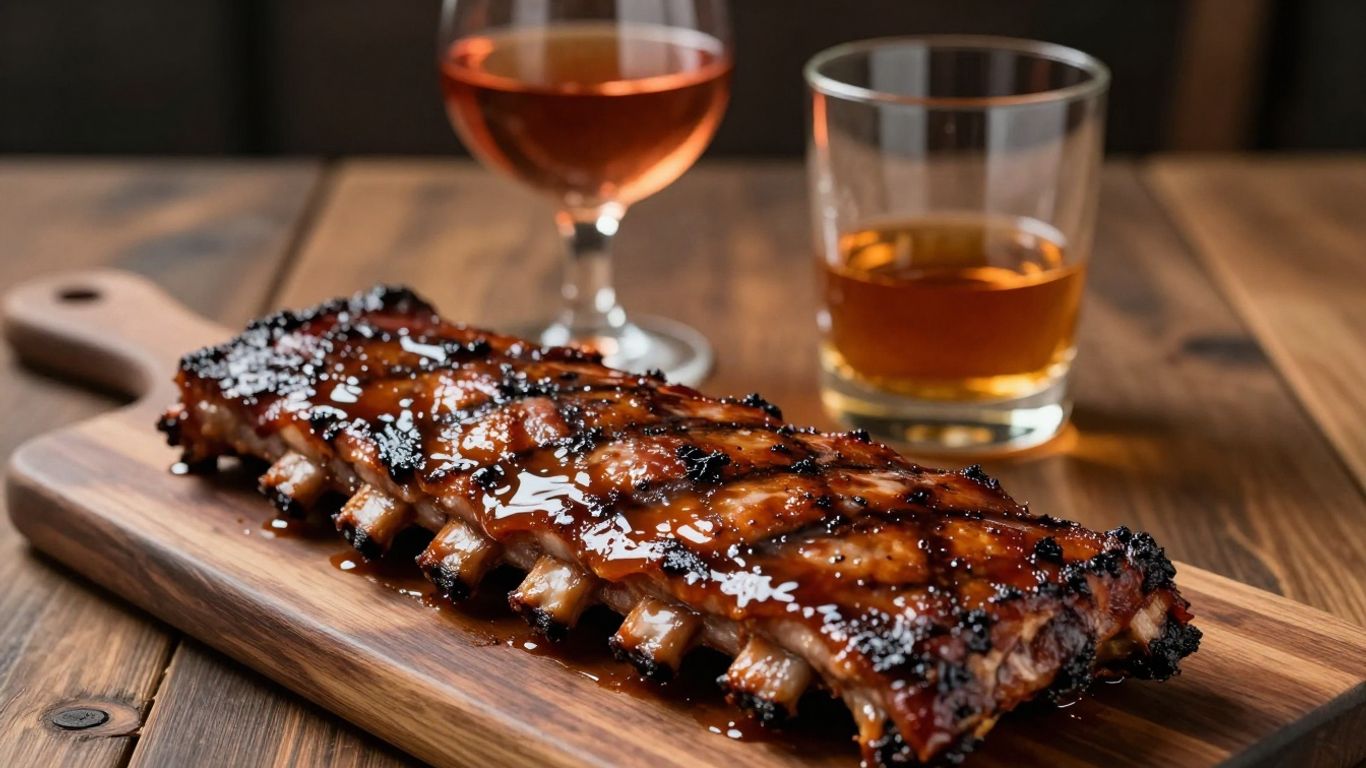
Rosé, especially the dry kind, is surprisingly good with all sorts of BBQ. It’s not just for salads or light chicken dishes anymore. Think about it: rosé has that nice acidity, which is great for cutting through richer, fattier meats. It’s like a little palate cleanser between bites. This versatility makes it a go-to for many BBQ enthusiasts. It can handle smoky flavors without getting lost, and it doesn’t clash with the often sweet or tangy sauces we love.
Rosé Bubbles For Celebration
Who says you can’t have bubbles with BBQ? A sparkling rosé is a fantastic choice. The bubbles add a festive feel, and the wine’s structure can stand up to grilled and smoked items. It’s a bit more exciting than still rosé, and it works with a wide range of foods, from grilled shrimp to pulled pork. It’s a great way to make a casual cookout feel a little more special.
Pairing Rosé With Brisket
Brisket, with its deep smoky flavor and rich texture, might seem like a challenge for wine. But a bolder, fuller-bodied rosé can actually be a great match. Look for rosés made from grapes like Grenache or Syrah, which often have darker fruit notes and a bit more weight. These wines have enough character to hold their own against the robust flavors of brisket. It’s a pairing that might surprise you, but it really works.
When you’re picking a rosé for BBQ, don’t just grab the lightest pink one you see. Consider the style of the rosé and how it matches the intensity of your food. A darker, more robust rosé will do much better with heavily smoked or sauced meats than a super light, delicate one.
Whiskey’s Bold Embrace Of BBQ Flavors
Alright, let’s talk about whiskey and barbecue. This isn’t about a delicate dance; it’s more like a full-on, flavor-packed wrestling match, and honestly, it’s pretty awesome. When you’ve got those slow-cooked, smoky meats, a good whiskey can really hold its own. It’s not just about the meat, though; it’s about how the spirit’s character plays with the char, the smoke, and any sauces you might be slathering on.
Bourbon’s Sweetness With Ribs
Bourbon, with its inherent sweetness often coming from corn in the mash bill, is a natural partner for ribs. Think about those sticky, caramelized ribs, maybe with a brown sugar rub. The vanilla and caramel notes in bourbon just sing alongside that. It’s a classic for a reason. The sweetness in the bourbon doesn’t just match the sweetness in the sauce; it actually balances out the richness of the pork. It’s a pairing that feels comforting and satisfying, like a warm hug on a plate.
Rye Whiskey’s Spice With Pulled Pork
Now, pulled pork is a different beast. It’s often a bit more vinegary, maybe a little tangier, and definitely shredded. This is where rye whiskey steps in. Rye brings a spicier kick, a peppery note that cuts through the richness of the pork and stands up to any sharper elements in the sauce. If you’ve got a pulled pork sandwich with a tangy slaw, a spicy rye can be just the ticket. It adds another layer of complexity without being overpowering. The spice in rye whiskey is key to cutting through the fattiness of the pork.
Scotch’s Peat With Smoked Meats
For the serious smoke lovers out there, we have to talk about Scotch. Specifically, peated Scotch. If you’re going for something like a smoked brisket or a deeply smoked sausage, that smoky, sometimes medicinal, peat character in Scotch can be incredible. It’s not for everyone, and it’s definitely a bolder choice, but when it works, it really works. The smoke in the whisky echoes the smoke from the pit, creating a really cohesive flavor profile. It’s a pairing that demands attention and rewards the adventurous palate. You might find that a Crown Royal whisky also offers a nice smoky note that works well here.
When pairing whiskey with BBQ, consider the dominant flavors of both the meat and any accompanying sauce. A sweet bourbon might get lost with a heavily spiced sauce, while a spicy rye could overwhelm a very mild dish. It’s about finding that balance where neither the food nor the drink is trying to shout over the other.
Regional BBQ Styles And Their Wine Companions
Carolina’s Vinegar-Based Sauces
Carolina barbecue is all about the hog, and the sauce is typically a thin, tangy vinegar concoction with a kick from black and red peppers. It’s super acidic, so you need a wine that can keep up. Think of pork shoulder or whole hog – it’s got a lot of flavor.
- For Reds: Look for wines with good acidity, like Barbera or Sangiovese from Italy. Spanish Monastrell also works. These have enough backbone to stand up to that sharp sauce.
- For Whites: Riesling is a great choice here. Its acidity cuts through the richness of the pork and complements the tangy sauce without getting lost.
The key with Carolina-style BBQ is matching the wine’s acidity to the sauce’s punch. If the wine is too soft, it’ll just taste flat against the vinegar.
South Carolina’s Mustard Twist
This style often features whole hog or shoulders, but the real star is the mustard-based sauce. While it might have a little ketchup or sugar, the mustard is what makes it distinct. It’s a sweet and spicy combo that can be tricky for wine.
- Intense Reds: Syrah or Zinfandel can handle the bold flavors. Look for ones that are rich but still have decent acidity.
- Off-Dry Whites: A Riesling with a touch of sweetness (around 1-2% residual sugar) but good acidity is fantastic. It balances the spice and sweetness of the sauce.
Texas BBQ’s Smoky Profile
When you think Texas BBQ, you’re probably picturing beef, especially brisket. The focus here is on dry rubs and a lot of smoke, with sauces often served on the side or not at all. Brisket is fatty, but much of that renders out during the long smoking process.
- Medium to Full-Bodied Reds: Wines with dark berry fruit and firm tannins work well. Tempranillo, especially from Rioja, is a solid pick. Rhone Valley Syrahs or GSM blends are also great because of their smoky notes.
- Rosé: Don’t count out a full-bodied rosé, especially on a warm day. It offers a refreshing contrast to the rich, smoky meat.
Key Principles For Successful BBQ Wine Pairings
Consider The Sauce, Not Just The Meat
When you’re figuring out what wine to pour with your barbecue, it’s easy to get fixated on the meat itself. Brisket, ribs, pulled pork – they all have their own character, sure. But honestly, the sauce or rub is often the real star of the show when it comes to flavor. Think about it: a smoky, sweet Kansas City sauce is going to demand a different wine than a tangy, vinegar-based Carolina sauce. The sauce is usually the dominant flavor, so let it guide your wine choice. It’s like picking an outfit – you wouldn’t just pick a shirt without considering the pants, right? They have to work together.
Match Intensity With Intensity
This is a big one. You’ve got a big, bold plate of barbecue in front of you, right? It’s probably got some serious flavor going on, maybe smoky, maybe spicy, maybe a little sweet. You can’t just bring a shy, delicate wine to that party. It’ll get completely overwhelmed, like a whisper in a rock concert. You need a wine that can stand up to the food. That means looking for wines with enough body and flavor to keep pace. Think full-bodied reds for rich meats, or even a robust rosé if you’re feeling adventurous. It’s all about balance; you want the wine and the food to be like dance partners, not one person dragging the other around the floor.
Acidity Is Your Ally
Don’t underestimate the power of acidity in wine, especially with barbecue. Acidity in wine is like a squeeze of lemon on your food – it brightens things up and cuts through richness. This is super helpful when you’re dealing with fatty meats or rich sauces. A wine with good acidity can make that fatty brisket feel less heavy on your palate, cleansing it for the next bite. It also helps balance out sweetness and spice. So, when you’re looking at labels, don’t just focus on the fruit flavors; check for wines known for their zesty character. Wines from cooler climates or certain grape varietals, like Sangiovese or Riesling, often have that bright acidity you’re looking for. It’s a simple trick, but it makes a huge difference in how the whole meal tastes.
Exploring Whiskey Pairings For BBQ
Whiskey And Smoked Meats
Whiskey and barbecue just feel right together, don’t they? It’s like they were made for each other. The deep, complex flavors of whiskey can really stand up to the bold, smoky taste of slow-cooked meats. It’s not just about drowning out the food; it’s about finding a spirit that complements and even highlights the barbecue’s character. Think about it – that rich, charred brisket or those tender, pulled pork shoulders. They have a certain gravitas, and a good whiskey can match that. The key is finding a whiskey whose own flavor profile doesn’t get lost, but instead dances with the smoke and spice.
Sweet Versus Spicy Whiskey
When you’re picking a whiskey to go with your BBQ, you’ve got a couple of main paths to consider: sweet or spicy. Bourbon, with its corn base, often brings a natural sweetness. This works wonders with ribs that have a sweet, sticky glaze or pulled pork that’s been tossed in a tangy, sugary sauce. The sweetness in the bourbon doesn’t compete; it harmonizes. On the other hand, rye whiskey tends to have a spicier kick. This can be fantastic with pulled pork that has a bit more heat or even a vinegar-based sauce where that peppery note can cut through the tang. It’s all about balancing those elements.
Here’s a quick rundown:
- Bourbon: Great for sweet and sticky sauces, ribs, and anything with a caramelized finish.
- Rye Whiskey: Excellent with spicier rubs, vinegar-based sauces, and pulled pork.
- Irish Whiskey: Often smoother and lighter, can work with less intensely flavored smoked meats or grilled chicken.
The Role Of Oak And Smoke In Whiskey
Whiskey doesn’t just taste like alcohol and grain; the aging process plays a huge role, especially the barrels it sits in. Most whiskeys are aged in oak barrels, and this is where a lot of those complex flavors come from. Oak can impart notes of vanilla, caramel, and even a bit of toastiness. If the whiskey was aged in a barrel that was previously used for sherry or port, you might get even more fruity or nutty undertones. Then there’s the smoke. While not all whiskeys are smoky (like Scotch often is), the char on the inside of the barrel can contribute a subtle smokiness that pairs beautifully with barbecue. It’s like a double dose of smoky goodness, one from the cooking and one from the spirit.
When you’re choosing a whiskey for your BBQ, think about the journey the spirit has taken. Was it aged in new oak? Used oak? Was it finished in a wine cask? These details can add layers of flavor that might just be the perfect match for your smoked brisket or pulled chicken. Don’t be afraid to experiment; sometimes the most unexpected pairings are the best.
Beyond The Meat: Pairing With BBQ Sides
Okay, so we’ve talked a lot about the main event – the smoky, slow-cooked meats. But let’s be real, a BBQ spread isn’t complete without those classic sides. They’re not just afterthoughts; they play a big role in the whole meal experience, and yes, they need a drink that plays nice with them too.
Coleslaw and Cornbread Pairings
Coleslaw, with its creamy dressing and often a bit of tang from vinegar or mustard, can be tricky. A super heavy red might just get lost. For creamy coleslaw, think about wines with a bit of acidity to cut through the richness. A crisp Sauvignon Blanc or even a dry Riesling can work wonders. If your coleslaw leans more towards a vinegar-based dressing, you’ve got a bit more flexibility. Cornbread is usually a bit sweet and crumbly. It pairs nicely with wines that have a touch of sweetness themselves, or something with enough body to stand up to its texture. A fruity Zinfandel or even a Beaujolais can be a good match here.
Beans and Macaroni Salad Wines
Baked beans, especially those with a sweet and smoky sauce, can be a challenge. You want a wine that can handle that sweetness without tasting sour. A fruity, off-dry red like a Gamay or a lighter-bodied Syrah often does the trick. For macaroni salad, it really depends on the dressing. A classic mayo-based version might do well with a crisp white, like a Pinot Grigio, to keep things light. If there’s a vinaigrette involved, you might lean towards something with a bit more character.
Spicy Sides and Wine Choices
Now, if you’ve got sides that pack a punch – think spicy potato salad or jalapeño cornbread – you need to be careful. The heat from spicy food can make dry wines taste even hotter and more alcoholic. Your best bet here is often a wine with a touch of sweetness to cool things down. An off-dry Riesling is a classic for a reason, its slight sweetness and good acidity are perfect for taming spice. Fruity rosés can also be a great choice, offering refreshment without amplifying the heat. If you’re feeling adventurous, a low-alcohol, slightly sweet sparkling wine can also be a surprisingly good counterpoint to spicy dishes.
So, What’s the Takeaway?
Alright, so we’ve talked about how wine and whiskey can really make your BBQ sing. It’s not just about throwing some meat on the fire and grabbing whatever’s in the fridge. Thinking a little about what you’re drinking can seriously level up your whole meal. Whether you’re going for a smoky brisket and a bold red, or some grilled chicken with a crisp white, there’s a perfect match out there. And hey, if whiskey’s more your jam, a smooth bourbon can be just as good. Don’t overthink it too much, though. The best pairing is always the one you enjoy the most. So go ahead, experiment, and find your own favorite combos. Happy grilling and sipping!
Frequently Asked Questions
What’s the main difference between grilling and true barbecue?
Grilling is like cooking food fast over direct heat, think burgers or steaks. Barbecue, on the other hand, is a slow and low cooking process where meat is smoked for hours. It’s all about that tender, smoky flavor that takes time to develop.
Why is smoke important when pairing wine with BBQ?
Smoke from barbecue can be really strong and might overpower delicate wines. So, if your BBQ has a lot of smoky flavor, you’ll want a wine that’s just as bold and can hold its own, like a rich red wine.
Does the sauce matter more than the meat when picking a wine?
Yes, often the sauce is the star! Sweet or spicy sauces can change how a wine tastes. It’s usually better to pick a wine that goes well with the sauce, rather than just the type of meat.
What kind of red wines work best with rich BBQ like brisket or ribs?
For hearty meats like brisket and ribs, you want strong red wines. Think about wines with dark fruit flavors and a good amount of tannins, like a Cabernet Sauvignon or a Malbec. They have the power to match the rich meat.
Can white wine really go with BBQ?
Absolutely! Lighter grilled foods like chicken or fish can be great with crisp white wines. Even sparkling wines are super versatile and can be a fun choice for almost any BBQ dish. They add a nice brightness.
What makes whiskey a good partner for BBQ?
Whiskey, especially types like bourbon with its sweet notes or rye with its spice, can be a fantastic match for BBQ. The bold flavors of whiskey can stand up to smoky and rich meats, creating a really satisfying combination.
Are there specific wine pairings for different regional BBQ styles?
Yes! For example, Carolina BBQ with its tangy vinegar sauce might need a wine with good acidity. Texas BBQ, known for its smoky beef, often pairs well with bold reds or even a robust rosé. Each style has its own perfect drink.
What about pairing wine with BBQ sides like coleslaw or beans?
Don’t forget the sides! Creamy coleslaw might like a wine with a bit of fruitiness, while spicy baked beans could benefit from a slightly sweet wine to balance the heat. It’s all about finding that harmony.