
Hey everyone! So, I’ve been thinking a lot about food lately, specifically barbecue. It’s one of those things that just screams America, right? But what I realized is that ‘BBQ’ isn’t just one thing. Nope, it’s a whole world of different styles depending on where you are in the country. We’re talking regional BBQ styles USA, and it’s pretty wild how much it changes from place to place. I figured, why not take a little trip through some of these awesome flavors? Get ready to explore some seriously good eats.
Key Takeaways
- Kansas City offers a mix of meats with a sweet, tomato-based sauce, making it a diverse BBQ hub.
- The Carolinas are split: Eastern NC is all about vinegar-based sauce on whole hog, while South Carolina leans towards a tangy mustard sauce.
- Texas BBQ is practically synonymous with slow-smoked brisket, often seasoned with a simple, peppery rub.
- Memphis is famous for its pork ribs, available either ‘dry’ with a spice rub or ‘wet’ with a tangy sauce.
- Beyond the main four, places like Alabama (white sauce) and Hawaii (imu-cooked kalua pig) bring unique island and regional twists to the BBQ table.
Exploring Regional BBQ Styles USA
Kansas City: A Melting Pot of Flavors
Kansas City, smack dab in the middle of the country, is a true BBQ crossroads. It’s a place where you can find just about every kind of smoked meat imaginable – beef, pork, chicken, you name it. What really sets KC apart is its sauce. Think thick, rich, and usually tomato-based, with a good dose of sweetness and a hint of spice. It’s the kind of sauce that coats everything beautifully. They’re also famous for their burnt ends, which are basically the crispy, flavorful crust bits that come off the end of a brisket or pork belly. Seriously, if you like variety and a sauce that’s got some personality, KC is your spot.
The Heart of America’s BBQ Scene
When you think about American BBQ, a few places immediately come to mind, and Kansas City is definitely one of them. It’s not just about the food; it’s about the whole experience. The pitmasters here have been perfecting their craft for generations, taking tough cuts of meat and transforming them into something truly special through hours of slow smoking. It’s a tradition deeply rooted in the region’s history, especially its connection to the livestock industry. This history has shaped a style that celebrates a wide array of meats, all brought together by that signature sweet and smoky sauce. It’s a place where BBQ is more than just a meal; it’s a cultural cornerstone.
The low and slow cooking method is key to achieving that tender, fall-off-the-bone texture that makes American BBQ so beloved. It’s a patient process, but the results are always worth the wait.
Here’s a quick look at what makes Kansas City BBQ stand out:
- Meat Variety: A wide selection, including beef brisket, pork ribs, chicken, and turkey.
- Signature Sauce: Typically tomato-based, sweet, tangy, and often molasses-infused.
- Burnt Ends: The highly prized, crispy, flavorful ends of smoked brisket or pork belly.
- Side Dishes: Often includes classic comfort foods like baked beans, coleslaw, and potato salad.
The Carolinas: A Tale of Two Sauces
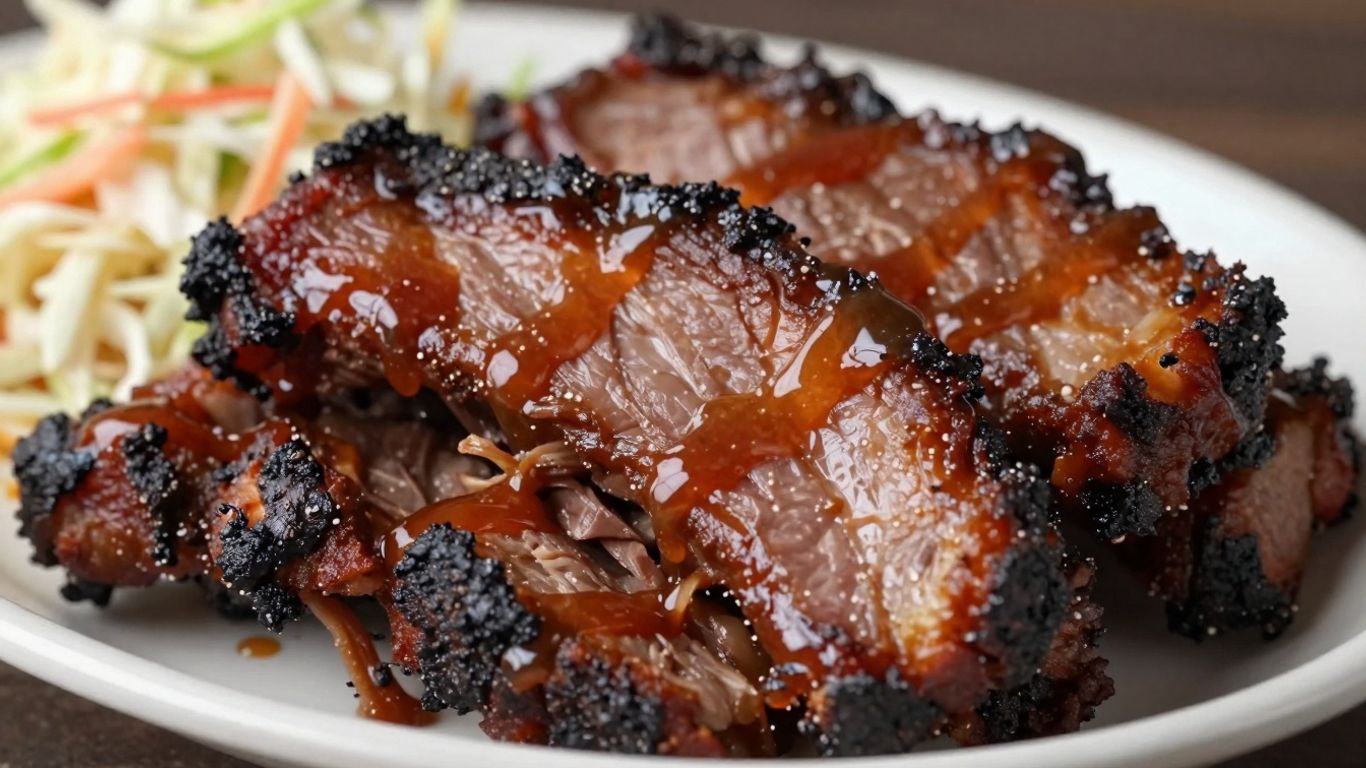
When you talk about barbecue in the Carolinas, you’re really talking about a deep-rooted tradition, especially when it comes to pork. It’s not just one style, though. North and South Carolina, and even different parts of North Carolina, have their own takes on how to do it right. It’s a whole thing.
Eastern North Carolina’s Vinegar Tradition
Down in Eastern North Carolina, they’re all about the whole hog. We’re talking about cooking an entire pig low and slow, sometimes for a whole day. The meat gets chopped up, and the sauce is usually a thin, tangy mix of vinegar and spices. It’s meant to cut through the richness of the pork, not overpower it. This style is pretty old-school, going back to when barbecue first showed up in the South. They often use hickory wood for that classic smoky flavor. It’s a simple approach, but man, does it work.
South Carolina’s Mustard Gold
South Carolina does things a little differently, and their "Carolina Gold" sauce is famous for a reason. It’s a mustard-based sauce, which gives it a sweet and zesty kick. While they also do whole hog, you’ll find a few different sauce styles across the state. Some are more peppery and vinegary, while others lean into that signature mustard flavor. It’s a really unique taste that you won’t find anywhere else. They have a bunch of BBQ competitions down there, showing just how serious they are about their ‘cue.
Lexington’s Piedmont Style
Now, over in the western part of North Carolina, around Lexington, they have their own spin. They tend to focus on pork shoulders instead of the whole hog. The sauce here is also vinegar-based, but it usually has a bit of tomato and pepper in it, making it a bit different from the Eastern style. It’s sometimes called "Piedmont style" or "Western style" sauce. This whole East vs. West debate in North Carolina is pretty legendary, with people taking sides over which pork preparation is the true state BBQ. It’s a friendly rivalry, I guess, but they’re serious about their pork shoulders and that distinct sauce. You can find some great examples of Texas BBQ sauce that share some similarities in their tomato-vinegar base, though the Carolina versions are typically thinner.
The beauty of Carolina BBQ lies in its regional variations, each offering a distinct flavor profile rooted in tradition and local ingredients. Whether it’s the sharp vinegar tang of the east, the mustardy sweetness of South Carolina, or the tomato-tinged vinegar of Lexington, there’s a sauce for every palate.
Texas: Brisket is King
The Art of Texas Brisket
When you talk Texas BBQ, brisket is the undisputed champion. It’s not just a cut of meat; it’s a culinary obsession. Texans take their brisket seriously, and for good reason. This cut, from the lower chest of the cow, is naturally tough with a lot of connective tissue. It requires patience and skill to transform it into something truly special. Pitmasters often smoke briskets for many hours, sometimes up to 18, over hardwoods like oak. The goal is to break down those tough tissues, rendering the meat incredibly tender and juicy, with a dark, flavorful crust, often called the bark.
Mesquite and Oak Flavors
Wood choice is a big deal in Texas BBQ. While oak is a favorite, especially in Central Texas, mesquite is another popular choice, particularly in West Texas. Oak provides a steady, clean smoke that complements the beef without overpowering it. Mesquite, on the other hand, brings a bolder, more intense smoky flavor. Some pitmasters use a combination, or switch woods depending on the cut of meat. It’s all about finding that perfect balance to highlight the beef.
Tex-Mex BBQ Fusion
Texas BBQ isn’t just about tradition; it’s also about innovation. Tex-Mex BBQ is a delicious blend that brings together the smoky goodness of Texas barbecue with the vibrant flavors of Mexican cuisine. Think smoked meats like brisket or sausage infused with ingredients like jalapeños, cilantro, and cumin. It’s a flavorful mashup that’s become a beloved part of the Texas food landscape. You might find smoked brisket tacos or sausages with a spicy kick that’ll make you sit up and take notice.
Here’s a look at some common Texas BBQ elements:
- Brisket: The star of the show, slow-smoked until tender.
- Beef Ribs: Large, meaty ribs that are a close second to brisket in popularity.
- Sausages (Hot Links): Often made with a blend of beef and pork, seasoned with pepper and stuffed into casings.
- Wood: Primarily oak and mesquite for smoking.
- Rub: Simple, often just salt and pepper, letting the meat and smoke shine.
In Texas, the pitmaster’s skill is measured by their ability to coax maximum flavor and tenderness from a tough cut of beef, often with just a few simple seasonings and a lot of smoke.
Memphis: Ribs Take Center Stage
Dry Rub vs. Wet Ribs
Memphis is practically synonymous with pork ribs. Seriously, if you’re going to try barbecue anywhere, make sure ribs are on your list here. The big question you’ll face is "dry" or "wet." It’s not about how moist the meat is, though both are usually pretty tender. It’s all about the sauce. Dry ribs get a generous coating of a spice rub before they hit the smoker. This rub, often a mix of paprika, garlic, salt, pepper, and a touch of sugar, creates a flavorful crust. The idea is to let the pure smoky flavor of the pork shine through. Wet ribs, on the other hand, are brushed with a sweet and tangy tomato-based sauce during and after smoking. This sauce caramelizes on the ribs, giving them a sticky, finger-licking finish. Both styles have their devoted fans, and honestly, you can’t go wrong with either.
The Pulled Pork Staple
While ribs might get the spotlight, Memphis isn’t messing around when it comes to pulled pork either. Pork shoulders are slow-smoked until they’re incredibly tender, then pulled apart. It’s often served with a thin, tangy sauce on the side, giving you control over how much you add. A classic Memphis pulled pork sandwich is a thing of beauty. It’s usually piled high on a bun and topped with a generous scoop of creamy coleslaw. It’s a simple combination, but the textures and flavors just work so well together.
Memphis Barbeque Spaghetti
This one might sound a little wild, but trust me, it’s a Memphis original that’s worth trying. Memphis Barbeque Spaghetti is exactly what it sounds like: spaghetti noodles tossed in a sauce that’s a mix of marinara and barbecue sauce. It’s usually loaded up with pulled pork and simmered with peppers and onions. It’s been a local favorite since the 1970s, and it’s a unique dish you won’t find just anywhere. It’s a bit of a culinary mashup, but it really captures that Memphis spirit of doing things a little differently.
Memphis BBQ is all about pork, and ribs are the undisputed champions. Whether you prefer them coated in a flavorful dry rub or slathered in a sweet, sticky sauce, the smoky, tender meat is the star. Don’t forget to try the pulled pork sandwiches, often topped with coleslaw, and definitely sample the unique BBQ spaghetti for a true taste of the city.
Beyond the Big Four: Unique Regional BBQ
While Kansas City, the Carolinas, Texas, and Memphis often get all the BBQ glory, the American BBQ scene is way bigger than just those famous four. Plenty of other places have their own special ways of smoking meat that are totally worth checking out. It’s like finding hidden gems in a treasure chest of smoky goodness.
Alabama’s White Sauce Wonder
Alabama has a secret weapon, and it’s not what you’d expect. Forget the usual red or vinegar-based sauces for a second. Alabama is famous for its white BBQ sauce. This creamy, tangy concoction, usually made with mayonnaise, vinegar, and a bit of pepper, is a game-changer, especially for smoked chicken. It’s a lighter, brighter flavor that really lets the smoke shine through. It’s a bit of a surprise if you’ve never had it before, but trust me, it’s good.
St. Louis Style Spare Ribs
When you talk about ribs, St. Louis has its own distinct style. These aren’t your baby backs. St. Louis style spare ribs are trimmed down from a full spare rib rack, giving them a more uniform shape and a good amount of meat. They’re often cooked with a dry rub and have a nice, smoky flavor. The meat is tender, but there’s still a bit of a chew to it, which many people love. It’s a different experience than the fall-off-the-bone ribs you might find elsewhere.
Kentucky’s Mutton and Burgoo
Kentucky might surprise you with its focus on mutton. Yep, mutton – meat from older sheep. It’s slow-cooked until it’s incredibly tender, and the flavor is richer than lamb. The sauces here tend to be thinner and vinegary, letting that mutton flavor really come forward. But Kentucky also has something called Burgoo. It’s a hearty, thick stew that can have all sorts of smoked meats and vegetables in it. It’s the kind of dish that’s perfect for a cold day and really shows off the state’s cooking traditions. It’s a taste of history, really.
BBQ traditions are always changing and mixing. What starts in one place can end up influencing cooking styles all over the country. It’s a constant evolution, with pitmasters adding their own touches and adapting to what’s available. This makes exploring different regional styles so interesting – you never know what unique flavors you might discover.
Maryland’s BBQ scene is another example of this evolution. It doesn’t really fit neatly into one of the big categories. Instead, it tends to pull from different traditions, creating a unique blend that’s all its own. It’s a testament to how adaptable and creative American barbecue can be. You can find a bit of everything, reflecting the diverse influences that have shaped American barbecue over the years.
Island Flavors: Hawaiian BBQ
Kalua Pig from the Imu
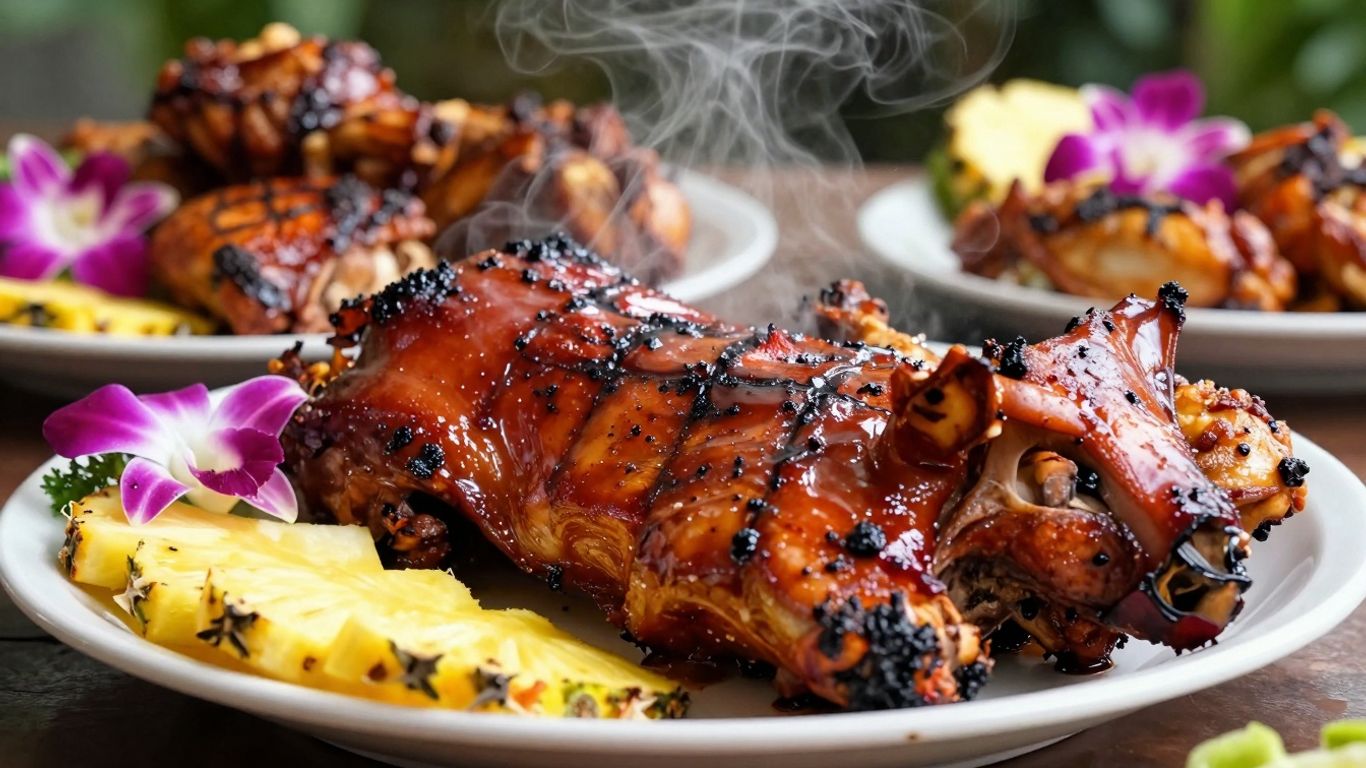
When you think of Hawaiian BBQ, the first thing that probably comes to mind is Kalua pig. This isn’t your backyard smoker situation; it’s a whole event. Traditionally, a whole pig is seasoned with sea salt and wrapped in ti leaves, then slow-cooked for hours in an underground oven called an ‘imu’. It’s a method that’s been around for ages, passed down through generations. The result? Incredibly tender, smoky, and moist pork that practically melts in your mouth. It’s a true taste of the islands, a communal feast that’s as much about the experience as it is about the food.
Tropical Plate Lunch Pairings
The Hawaiian plate lunch is a whole other ballgame. It’s a hearty meal, usually featuring a main protein like Kalua pig or other BBQ meats, served with two scoops of white rice and a side of macaroni salad. Sometimes you’ll see other local favorites like teriyaki chicken or loco moco on there too. It’s a simple, satisfying combination that really showcases the local flavors. You might also find sides like poi, a traditional staple made from taro root, or a refreshing lomi-lomi salmon. It’s a delicious way to get a full picture of Hawaiian cuisine, all on one plate.
Here’s a look at what you might find on a typical Hawaiian BBQ plate:
- Main Protein: Kalua Pig, Teriyaki Chicken, Lau Lau (pork and fish wrapped in taro leaves)
- Starch: Two scoops of white rice
- Side: Macaroni salad, Poi, Lomi-lomi salmon
Hawaiian BBQ isn’t just about the smoky meat; it’s about the whole spread. The balance of savory, sweet, and sometimes tangy flavors, combined with the comforting rice and creamy mac salad, makes it a unique culinary experience that’s hard to beat. It’s comfort food with a tropical twist.
The Evolution of BBQ: Maryland’s Blend
A Unique Eclectic Approach
Maryland’s BBQ scene doesn’t really fit neatly into the usual boxes we talk about when discussing regional barbecue. It’s not strictly about vinegar, or mustard, or a specific cut of beef. Instead, Maryland’s approach is more of a culinary mashup, pulling inspiration from various traditions it has encountered. Think of it as a barbecue melting pot, where different influences come together to create something distinct.
Local Adaptations and Influences
What makes Maryland’s BBQ so interesting is how it takes elements from other styles and makes them its own. You might find a sauce that hints at Carolina vinegar but has a bit more sweetness, or a preparation that borrows from Texas brisket techniques but uses local woods for smoking. It’s a style that’s constantly evolving, shaped by the people who cook it and the ingredients available nearby. It really shows how barbecue traditions aren’t static; they change and adapt.
- Pork is a common star, often slow-smoked until it’s tender.
- Sauces can vary widely, sometimes featuring a tomato base, other times a tangier, vinegar-forward profile, or even a creamy, mayonnaise-based sauce reminiscent of Alabama’s style.
- Beef and chicken also make appearances, prepared with a variety of rubs and cooking methods.
Maryland’s barbecue is a testament to the adaptability of this beloved cooking style. It’s less about adhering to strict rules and more about creating delicious food that appeals to local tastes, blending the best of what’s come before with a fresh, regional perspective.
So, What’s Your Pick?
Alright, so we’ve taken a little trip through some of the awesome BBQ spots in the U.S. From the tangy sauces of the Carolinas to the brisket masters in Texas, and the rib royalty of Memphis to the saucy goodness of Kansas City, there’s a whole lot of flavor out there. Honestly, it’s hard to pick just one favorite, right? Each region has its own thing going on, and that’s pretty cool. So next time you’re looking for some good eats, maybe try a style you haven’t had before. You might just find your new go-to. Happy eating, folks!
Frequently Asked Questions
What exactly is barbecue?
Barbecue is a way of cooking food slowly over a fire or in a smoker. It’s different from grilling because it uses indirect heat and smoke, which makes the meat super tender and flavorful. Think of it as cooking meat for a long, long time until it falls apart.
Why are there so many different BBQ styles in the U.S.?
America is like a big melting pot of different cultures and traditions. Each region picked up different ways of cooking, used local woods for smoke, and created their own special sauces and spice mixes. This mix of influences led to all the unique BBQ styles we see today.
What are the main BBQ regions everyone talks about?
The four most famous BBQ styles are Kansas City, the Carolinas, Texas, and Memphis. Each one has its own special way of doing things, from the type of meat they use to their signature sauces and rubs.
What’s the big deal about Texas brisket?
In Texas, brisket is king! They slow-smoke beef brisket for hours until it’s incredibly tender. It’s often seasoned with just salt and pepper, letting the smoky meat flavor really shine. It’s a true art form there.
What’s the difference between Carolina BBQ sauces?
The Carolinas have two main sauce styles. Eastern North Carolina uses a thin, tangy sauce made mostly of vinegar and pepper. South Carolina is famous for its ‘Carolina Gold,’ which is a sweet and zesty sauce made with mustard.
Are Memphis ribs really that special?
Yes! Memphis is known for its pork ribs. They have two famous ways to prepare them: ‘dry’ ribs, which are coated in a flavorful spice rub and smoked, and ‘wet’ ribs, which are brushed with a sweet and tangy sauce during cooking.
What is ‘white sauce’ in Alabama BBQ?
Alabama has a unique BBQ sauce called ‘white sauce.’ It’s made with mayonnaise, vinegar, and spices, and it’s often served with smoked chicken. It’s creamy, tangy, and a little different from the usual tomato-based sauces.
Is Hawaiian BBQ different from mainland styles?
Absolutely! Hawaiian BBQ has a tropical twist. They often cook pork in an underground oven called an ‘imu,’ creating a smoky, tender dish called Kalua pig. It’s usually served as part of a plate lunch with other island flavors.