
There’s something about a sweet and spicy BBQ sauce that just works. You get that sugary hit up front, then a little burn sneaks in right after. It’s a sauce that makes ribs sticky, wings unforgettable, and even grilled veggies exciting. Whether you’re slathering it over pulled pork or using it as a dip, finding the right mix of sweet and heat is what takes BBQ from good to great. In this article, we’ll look at how to get that balance, what goes into a great sweet and spicy BBQ sauce, and some fun ways to use it.
Key Takeaways
- Sweet and spicy BBQ sauce relies on a careful mix of sugars and peppers for its signature taste.
- Classic sweeteners like brown sugar, honey, and molasses create a rich base, while ingredients like jalapeño or cayenne add the heat.
- Tomato and vinegar bases help tie the flavors together and give the sauce its tang.
- Regional styles use different fruits, peppers, or spices to create unique versions of sweet-heat BBQ sauce.
- Homemade sauces let you adjust the sweetness or spiciness to fit your own taste, so don’t be afraid to experiment.
Understanding Sweet and Spicy BBQ Sauce Flavor Profiles
Sweet and spicy BBQ sauces are all about delivering that perfect mix of sugar and fire, which is not as easy as it looks. It takes more than just dumping in some sugar and hot sauce. Let’s break down what sets these sauces apart and what goes into creating a solid, balanced sauce you’ll reach for again and again.
What Makes a BBQ Sauce Sweet and Spicy
The appeal of a sweet and spicy BBQ sauce comes from how it plays with your senses—first, you get sweet comfort, then heat catches up and lingers. This contrast can make plain grilled chicken taste exciting, or turn pulled pork sandwiches into something you crave. The trick is to make sure one flavor doesn’t overpower the other. Sweetness should welcome you in, and then the heat makes you want that next bite.
A memorable BBQ sauce leaves you tasting both the sweet and spicy notes—never just sugar, never just heat. That’s how you know it’s balanced right.
Key qualities of a sweet and spicy sauce:
- Sweetness that’s rich and round, not cloying
- Heat that teases but doesn’t dominate
- A tangy backbone (from tomatoes or vinegar) for balance
- Underlying savory and smoky notes from spices
Classic Sweet Ingredients
BBQ sauces draw from a core group of sweeteners, each bringing its own style:
- Brown sugar: Offers molasses flavor with an earthy sweetness
- Molasses: Adds deep, almost bittersweet undertones
- Honey: Brings floral, rounded sweetness with a silky texture
- Maple syrup: Gives a lighter, almost caramel-like touch (though less common)
| Sweetener | Flavor Notes | Common Uses |
|---|---|---|
| Brown Sugar | Rich, caramel, full | Kansas City, Memphis |
| Molasses | Dark, bittersweet | Southern, Deep South |
| Honey | Floral, mellow | Glazes, Asian-inspired |
| Maple Syrup | Light, toasty | Niche/seasonal blends |
A blend often works best, layering the flavors without making things too sweet.
Sources of Heat and Their Impact
There are lots of ways to introduce heat, and each one brings a different feel to your sauce. The choice of pepper or spice changes how quick, intense, or lasting that heat feels. What matters most is matching the heat source to the level you want—the goal is complexity, not a burn fest.
Common ways to make things spicy:
- Chili powders: Subtle, earthy heat that builds slowly
- Crushed red pepper flakes: Direct, noticeable kick and texture
- Cayenne pepper: Clean, sharp heat that’s easy to dial up or down
- Fresh chilies (like jalapeños or habaneros): Bright, fresh, and customizable
- Hot honey or infused syrups: Add both sugar and fire, perfect for that sticky, spicy balance
The best sweet-heat BBQ sauces rarely taste the same from one bite to the next. That complexity keeps things interesting, whether you’re slow-cooking ribs or just dunking fries.
Key Ingredients for Sweet and Spicy BBQ Sauce
Creating a well-rounded sweet and spicy BBQ sauce comes down to a few simple—but important—ingredients that play off each other. The secret isn’t in some fancy trick, but in how you balance these familiar pantry staples. In this section, we’ll break down what goes in, why it works, and how each ingredient brings out the best in your sauce.
Balancing Sweeteners and Heat
Getting the sweet-heat balance right is what makes a BBQ sauce unforgettable. Here’s a quick look at some staple sweeteners and spice boosters you’ll probably recognize:
| Sweetener | Profile | Spice Pairing (Heat Source) |
|---|---|---|
| Brown Sugar | Rich, caramel, earthy | Cayenne, crushed red pepper |
| Honey | Floral, smooth | Fresh jalapeño, chipotle |
| Molasses | Deep, bittersweet, sticky | Smoked paprika, hot sauce |
- Sweet components tame vinegar’s tartness and balance out spicy heat.
- Play around by increasing or lowering the amount on either side—if you want a mild sweet heat, hold back a touch of chili.
- Don’t forget that some hot elements can taste slightly sweet, like gochujang or hot honey.
When experimenting, always add your spices slowly. Sauces taste different as they cook, so resist dumping everything in at once. It’s easy to add more heat, but you can’t take it out!
The Role of Tomato and Vinegar Bases
Tomato and vinegar are the backbone of many sweet and spicy BBQ sauces—the base where other flavors can shine. Tomatoes (usually puree, paste, or ketchup) bring tang and body, while vinegar gives brightness and a sharp twang.
- Tomato paste or puree makes the sauce thick, with a punchy, robust tomato flavor.
- Vinegar, commonly apple cider or distilled white, adds acid. This helps cut through richness and prevents the sauce from tasting flat.
- Some folks also use tamari or Worcestershire, which layer in complexity alongside tomato or vinegar.
Mustard, Molasses, and Unique Additions
Once you’ve nailed your sweet and hot, try a few extras to make the sauce yours:
- Mustard: A small splash adds tang and backbone—a little goes a long way.
- Molasses: Deepens both color and flavor, making things richer. It also thickens sauce naturally.
- Liquid smoke: For those who want smoky notes but don’t have a smoker.
- Worcestershire: Brings umami and a savory, almost meaty depth.
- Unusual flavors: Try fresh ginger, curry powder, or a dash of soy sauce in tomato-based sauces for a whole new twist.
Don’t overlook tiny pinch ingredients like celery seed, black pepper, or even a bit of fruit puree. They won’t take over but can round everything off nicely.
Perfecting the sweet and spicy BBQ sauce comes down to building flavor in layers and making small adjustments based on taste. Mix, taste, tweak, and make it your own.
Choosing the Right Peppers for Balanced Heat
Selecting the right peppers can make or break your sweet and spicy BBQ sauce. Getting the right heat means thinking about flavor, not just how much you sweat after tasting. Here’s how to choose peppers that play well with sweetness—so your sauce pops without knocking out your taste buds.
Crushed Red Pepper and Chili Flakes
These pantry staples are a good place to start if you’re after a steady, gentle warmth. Their granular texture means you can control the heat easily, adding a pinch at a time. Plus, crushed red pepper brings a mild fruitiness for that little spark of extra flavor without bitterness.
- Consistent, predictable level of heat
- Simple to adjust mid-cooking
- Works well in both tomato- and vinegar-based sauces
Jalapeño, Cayenne, and Datil Peppers
Each pepper has its own character. Jalapeños give a grassy kick that pairs well with sweeter ingredients. Cayenne is a classic—it’s hot, a little sharp, and works well in small doses for that quick punch of fire. For a touch of the unusual, datil peppers are sweet and fruity with lingering heat, making them an ideal match for fruity or molasses-based BBQ sauces. For a new twist, try peppers like poblano to add a smokier, rounded layer to your sauce.
| Pepper | Heat (SHU*) | Typical Flavor Profile |
|---|---|---|
| Jalapeño | 2,500-8,000 | Fresh, grassy |
| Cayenne | 30,000-50,000 | Sharp, earthy |
| Datil | 100,000-300,000 | Sweet, fruity |
| Poblano | 1,000-2,000 | Smoky, rich |
*Scoville Heat Units
Hot Honey as a Sweet-Heat Booster
Hot honey is one of those ingredients that seems made for BBQ sauce. It brings slow-building heat and stickiness, so you hit the sweet and the burn all at once. Stir hot honey into your sauce to bump up flavor without accidentally overpowering everything else.
- Perfect for last-minute adjustments
- Adds shine and body to the finished sauce
- Easily blended with other sweeteners
If you ever find your BBQ sauce lacking that special zip, try layering mild heat with a touch of honey or molasses—sometimes the best flavors come from making small tweaks, not big changes.
Popular Regional Variations of Sweet and Spicy BBQ Sauce
Sweet and spicy BBQ sauce isn’t just a one-flavor-fits-all situation. Each region brings its own twist to how sweet and heat play together. Whether you’re planning a backyard cookout or just want to punch up dinner, understanding these styles helps you pick the right sauce—or even make your own at home.
Kansas City Inspired Sauces
- Built on a thick, tomato-rich base.
- Sweetness comes in heavy with brown sugar or molasses.
- Heat is usually gentle, coming from black pepper and a little chili powder.
| Key Ingredient | Flavor Profile |
|---|---|
| Brown Sugar | Rich, caramel, sweet |
| Tomato Puree | Tangy, savory |
| Molasses | Deep, dark sweetness |
| Chili Powder | Mild heat |
Kansas City sauces stick well to ribs, chicken, even fries—they’re great for piling flavor on anything that benefits from a glossy, sweet-hot finish.
Southern Peach and Cayenne Blends
- Stone fruit, especially peach, gives these sauces a sunny, juicy sweetness.
- Heat comes creeping in from cayenne or crushed red pepper.
- Not as thick as Kansas City—these have a lighter, sometimes more vinegary feel.
- Pairs beautifully with:
These peach and cayenne mixes make a regular Tuesday taste like a barbecue in July, even if the weather is stubbornly uncooperative.
Asian-Inspired Sweet-Heat Sauces
- Rely on ingredients like honey, tamari, ginger, and gochujang for both sweet and fire.
- These sauces show up thinner, pourable, often used as glazes or stir-fry sauces.
- Balances sweet umami with hot, backing spice.
Key flavors to notice:
- Honey – unmistakably sweet and sticky.
- Gochujang – a Korean chili paste with heat and fermented depth.
- Tamari or Soy Sauce – salt and umami in equal measure.
Asian-style sweet-heat BBQ sauces work magic on skewered meats, grilled shrimp, or even tossed with roasted carrots. If you want a kick that’s both sweet and sophisticated, this is your lane.
No matter the region, sweet and spicy BBQ sauces are about balance. Each style has its place, and you can always tweak the basics at home—adjust one ingredient, and you get a totally new personality of sauce.
Techniques for Making Homemade Sweet and Spicy BBQ Sauce
Getting the right mix of spicy and sweet in your BBQ sauce is easier than it might sound, but it does need a little attention to detail. Homemade sauces pack more punch and let you control exactly how much kick or sweetness you get. Here are a few technical tips to try the next time you’re playing sauce boss at home.
Cooking Methods and Simmering Tips
- Start by melting your chosen fat (like bacon fat or butter) over medium heat in a saucepot—a good fat adds flavor depth.
- Add your main ingredients (tomatoes, sweeteners, vinegar, and spices) all at once and mix well.
- Bring your mixture to a low boil, then reduce to a gentle simmer for about 30 minutes. Stir often, making sure nothing sticks to the bottom.
- The longer you simmer, the richer the flavors will become, but don’t walk away—you’re looking for that sweet spot where everything mellows together but nothing scorches.
Blending for a Smooth Texture
- After simmering, you’ll probably notice your sauce is a bit chunky or uneven—that’s totally normal.
- For a restaurant-style finish, transfer the sauce in batches to a countertop blender or use a hand blender right in the pot.
- Blend until you get the consistency you’re after, whether you like it silky smooth or with a little texture left in.
| Method | Pros | Cons |
|---|---|---|
| Countertop Blender | Silky result | Messier, needs cooling |
| Immersion Blender | Minimal cleanup | May not be as smooth |
| By Hand | Chunky, rustic feel | Not ideal for some uses |
Customizing for Preferred Sweetness or Spice
- Taste the sauce before it cools—this is the best time to tweak.
- Too sweet? Stir in a splash more vinegar or a pinch of salt and chili powder.
- Not spicy enough? Add extra crushed chili flakes, a squirt of hot sauce, or even a dash of cayenne for a gentle burn.
- If the sauce’s flavor feels flat, a drop of Worcestershire sauce or a pinch of mustard powder can wake things right up.
Customizing your own sauce really comes down to adjusting as you go—don’t be afraid to tweak until it matches what you crave. It’s kind of like seasoning soup: a little here and there goes a long way.
Making sweet heat BBQ sauce at home isn’t about perfection; it’s about playing with flavors until you hit the combo you love. A good simmer, a careful blend, and lots of taste testing are your friends here.
Top Sweeteners to Achieve BBQ Sauce Perfection
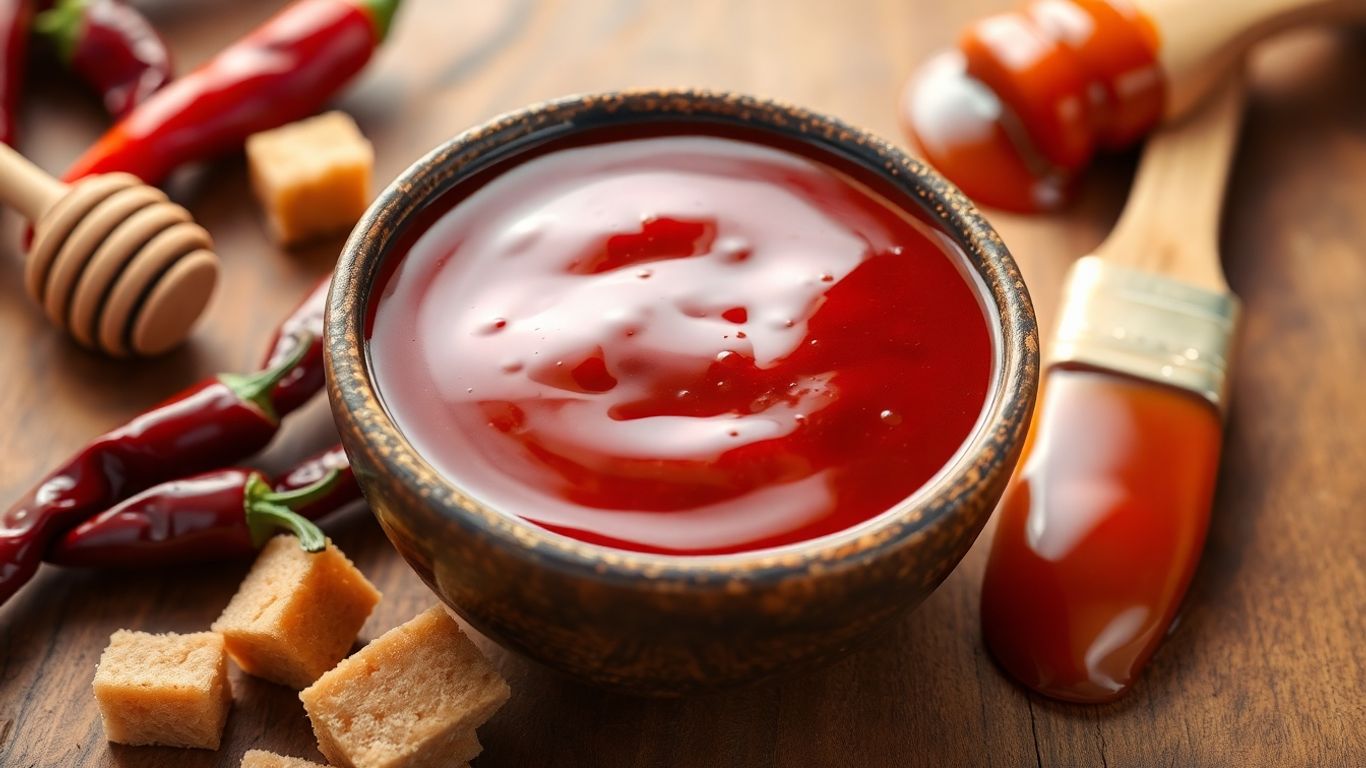
When you want your BBQ sauce to really pop, getting the sweetness just right makes all the difference. Sweeteners are more than just sugar for balance—they play a role in how the sauce caramelizes, thicken, and adds depth when grilled or smoked. Some ingredients bring a hearty richness, while others offer a lighter, more subtle note. There are so many options out there it can get a little overwhelming, but once you know what each sweetener does, you’ll never be stuck with a bland sauce again.
Brown Sugar, Honey, and Molasses
You can’t talk about sweet BBQ sauces without bringing up the heavy hitters:
- Brown Sugar: The go-to sweetener for most BBQ sauces. Its molasses content gives a rich, caramel-like background. It melts easily and blends quickly, making it practical for any sauce style. Used generously, it packs a deep sweetness—see more about that in brown sugar’s role.
- Honey: Adds a floral, slightly sticky sweetness and helps the sauce cling beautifully to meat. Local honey can also add subtle regional flavor variances.
- Molasses: A byproduct of sugar production, molasses is dense, earthy, and a little smoky. It’s especially good in Southern-style or robust, dark sauces.
Here’s a quick breakdown:
| Sweetener | Flavor Profile | Texture | Best Use |
|---|---|---|---|
| Brown Sugar | Rich, caramel | Fine crystals | Classic, sticky sauces |
| Honey | Floral, light | Syrupy | Glazes, fruity BBQ blends |
| Molasses | Deep, robust | Thick, dense | Southern, smokier blends |
Unexpected Sweet Ingredients
Some of the best sauces pull from pantry or fridge surprises:
- Fruit preserves or jams (like peach or apricot)
- Pineapple or orange juice for a tangy sweet twist
- Maple syrup, which brings a toasty, woodsy layer
- Agave nectar, which is neutral and less viscous than honey
These ingredients not only make your sauce more unique—they can also help balance extra spice or acidity if you go overboard.
How to Layer Sweetness
Getting the sweet note just right is less about dumping a ton of sugar and more about layering flavors. Here are some ways to build sweetness into your sauce:
- Start with a base sweetener, like brown sugar or honey.
- Add a hint of liquid sweet—molasses, syrup, or fruit juice—during simmering to deepen complexity.
- Taste as you go, adjusting after you blend in acids (like vinegar) or spicy elements.
When sweeteners blend into your base slowly, adjusting to taste lets you avoid sauces that end up too syrupy or cloying. Small changes early make a big difference in the finished flavor.
Balancing sweetness in BBQ sauce isn’t about overpowering—it’s about finding that point where sweet brings out the best in the rest of the ingredients. Once you’ve tasted the difference between layered and plain, you’ll see why folks get a little obsessed with the sweet side of barbecue.
Pairing Sweet and Spicy BBQ Sauce With Food
Sweet and spicy BBQ sauce can change up a meal in the best way. The kick from the heat and the mellow sweetness work together, not just for meat but for all sorts of dishes. If you get the pairing right, that sauce won’t just sit in your fridge—it’ll be front and center, meal after meal.
Best Meats for Sweet-Heat Sauces
Here’s the truth: certain meats really soak up the sweet heat. These choices bring out the unique flavors of the sauce without covering up the natural taste of the meat.
- Pork ribs—the fat and tender meat pair up perfectly with a thick glaze.
- Chicken thighs or wings—skin gets sticky and crisp, trapping all that flavor.
- Pulled pork—the sauce binds the shreds for bites that are sweet, smoky, and spicy.
- Brisket—a layer brushed on just before the final minutes of cooking helps the flavor cling.
- Beef burgers or meatloaf—use it like ketchup for a tangy, spicy twist.
Handy Table: Meats and Their Best Matchups
| Meat | Recommended Sauce Style | Why It Works |
|---|---|---|
| Pork Ribs | Molasses-rich, with touch of cayenne | Cuts through fat well |
| Chicken Wings | Honey-sweet, red pepper spicy | Glazes & crisps skin |
| Pulled Pork | Tomato, brown sugar, hot pepper | Moistens & melds |
| Brisket | Tomato, smoky with jalapeño | Balances beefiness |
| Meatloaf/Burgers | Thick, mild heat, tangy base | Stays put on slices |
If you’ve never tried sweet-heat sauce on grilled meatloaf, give it a shot—it might surprise you how much pop it brings to every bite.
Enhancing Grilled Vegetables and Seafood
This sauce isn’t just for carnivores. It edges up the flavor of veggies and seafood, adding a sticky kick that complements the natural sweetness.
- Brush over grilled zucchini, bell peppers, or mushrooms for a new take on BBQ sides.
- Toss shrimp or salmon in sweet and spicy sauce before grilling. The caramelization is next-level.
- Try sweet corn with a swipe of sauce just before pulling it off the grill.
Creative Uses Beyond the Grill
You don’t have to stop at the smoker or grill. Here are some less obvious, but super satisfying, ways to use your sweet-heat BBQ sauce.
- Pizza base – Instead of tomato sauce, spread BBQ sauce on dough, then top with chicken, red onions, and cheese.
- Baked beans booster – Stir in a spoonful to add punch.
- Sandwich spread – Mix with mayo for a quick kick.
- Eggs – Drizzle on scrambled eggs or omelets.
- Roasted potatoes – Toss with sauce before roasting for a crispy, caramelized finish.
Sweet and spicy BBQ sauce can turn simple foods into crave-worthy meals. Don’t be afraid to use it somewhere unexpected—you could end up with a new favorite dish.
Storing and Preserving Homemade BBQ Sauce
Homemade BBQ sauce doesn’t last forever, but with the right steps, you can keep it tasting fresh for weeks—or even months. Knowing how to store it the right way can make all the difference between a sauce that sings and one that flops. Here’s what I’ve learned after way too many sticky jars and mystery fridge odors.
Refrigeration and Shelf Life
BBQ sauce has a decently long shelf life, especially because of its acid content. To keep things safe, always:
- Pour cooled sauce into a clean, airtight container or glass jar.
- Refrigerate the sauce promptly after it’s fully cooled.
- Use within 1 to 2 months for peak flavor and safety.
Here’s a handy table for reference:
| Storage Method | Container Type | Shelf Life |
|---|---|---|
| Room Temperature | Airtight glass jar | 1–2 weeks |
| Refrigerated | Airtight container | 1–2 months |
| Frozen | Freezer-safe jar | Up to 3 months |
For best results, label containers with the date you made the sauce. That way, you’ll always know how long it’s been sitting around.
Freezing Tips for Longevity
Freezing BBQ sauce works, especially if you make big batches and know you won’t eat it all quickly. It’s not complicated, but it does take a couple of extra steps:
- Let your sauce cool completely before pouring into freezer-safe containers—glass jars or silicone cubes both work.
- Leave a bit of headspace (about ½ inch) at the top of the jar for expansion.
- If using plastic zip bags, squeeze out the air to prevent freezer burn.
To thaw, just move the container to the fridge overnight and give it a good stir before using.
Signs Your Sauce Has Gone Bad
No one wants a BBQ disaster. Check these signs before slathering your next rack of ribs:
- Off or sour smells
- Change in color (turning very dark or grayish)
- Any mold or fuzzy spots on the surface
If you spot any of these, it’s time to toss what’s left. Trust your nose and your gut—if it seems weird, play it safe and don’t taste it.
Homemade BBQ sauce might not last as long as store-bought, but you control the ingredients and the flavor. A little care goes a long way toward keeping every batch as bold as the day you made it.
Customer Tips and Favorite Ways to Use Sweet and Spicy BBQ Sauce
Ribs, Wings, and Pulled Pork Ideas
Sweet and spicy BBQ sauce is a crowd-pleaser on classic barbecue mainstays. Here’s how everyday fans like to slather it up:
- Brush it over ribs in the final 10 minutes of grilling—this caramelizes the sugars and builds a sticky crust.
- Toss freshly fried or baked chicken wings in warm sauce for homemade wings with zing.
- Mix sauce with pulled pork before setting it out for sandwiches, or serve it on the side so folks can sauce to taste.
| Dish | Sauce Timing | Key Tip |
|---|---|---|
| Pork Ribs | Last 10 min grill | Let sugars caramelize |
| Chicken Wings | After cooking | Toss wings while hot |
| Pulled Pork | After shredding | Mix well for full coverage |
When you glaze meat with BBQ sauce during its last moments on the grill, you get a perfect blend of smoky char and sweet heat.
Unexpected Serving Suggestions
Not every great use for sweet heat BBQ sauce happens over a flame. Fans report loving these creative approaches:
- Stir into baked beans or chili for unexpected depth.
- Drizzle on pizza instead of tomato sauce for a spicy twist.
- Mix with mayo for a tangy sandwich spread.
- Brush over grilled corn or roasted sweet potatoes.
Honestly, folks are always discovering wild new combos, especially when leftovers end up on everything from breakfast burritos to loaded fries.
Testimonials From BBQ Enthusiasts
Want to know how real people use their sweet and spicy BBQ like pros? Here are some quick stories straight from home cooks:
- "I put it on my turkey burgers last week, and suddenly my picky kids were clearing their plates."
- "Tried it as a dip for shrimp skewers—never thought I’d like it with seafood, but I’m hooked."
- "Every potluck, I bring slow-cooker meatballs in my homemade sweet heat. They’re always the first thing gone!"
If you’ve ever finished a bottle quicker than you expected, you’re not alone. People find new ways to splash it onto breakfast, lunch, and dinner until the jar is empty.
Troubleshooting and Refining Your Sweet and Spicy BBQ Sauce
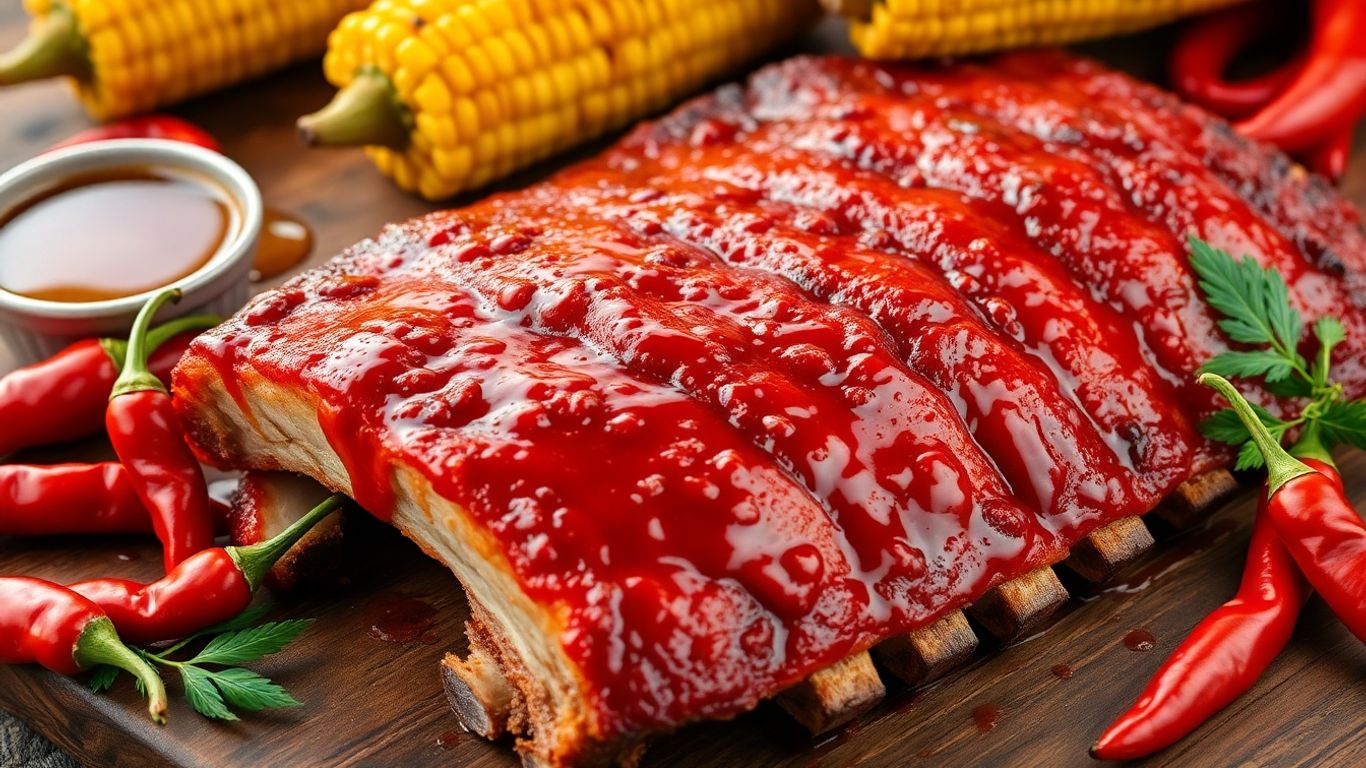
Getting your BBQ sauce just right sometimes feels like a never-ending tug-of-war between spicy and sweet. The good news? Small changes at the right time can totally save a sauce and turn it into your house favorite. You don’t have to settle for sauce that’s too sugary or blows your tastebuds off—there’s always a fix.
Fixing Too Much Heat or Sweetness
If the balance tips too far, don’t worry. Here’s how to recover:
If It’s Too Sweet:
- Add a splash of apple cider vinegar or lemon juice to introduce brightness and cut sugar.
- Increase the heat with red pepper flakes, cayenne, or a dash of hot sauce.
- Toss in more tomato paste or puree to level things out.
If It’s Too Spicy:
- Mix in extra honey, brown sugar, or even a dollop of fruit preserves.
- Try a little more tomato or a spoonful of mustard for mellowing.
- Stir in a bit of water or broth to dilute the kick.
| Problem | Quick Fix Suggestions |
|---|---|
| Too Sweet | Vinegar, Lemon Juice, More Tomato |
| Too Spicy | Sugar, Honey, Tomato, Water, Broth |
Getting the Right Consistency
Sauce that’s too runny or so thick you can barely spread it? Both happen more often than you’d think, especially when you’re eyeballing ingredients.
- To thicken: Simmer uncovered so some liquid steams off, or add a tiny bit of tomato paste.
- To thin out: Stir in a tablespoon of water, vinegar, or even unsalted broth until you reach a smooth pour.
- If it’s lumpy: Blend using a hand blender or regular blender to get that silky texture.
Consistency can change as your sauce cools, so always check after it’s rested for a few minutes off the heat.
Enhancing Smokiness and Umami
Sometimes your BBQ sauce just feels flat. If it needs a richer backbone or that hint of smoke, try these:
- A splash of liquid smoke adds depth without firing up a smoker—just go easy; it’s strong.
- Worcestershire sauce or a touch of soy sauce brings umami and complexity.
- For more smoky notes, add smoked paprika or a pinch of chipotle powder.
- Taste as you go so you don’t overpower everything—sometimes less is more.
- Write down what you change. Next time, start closer to your new version instead of the drawing board.
Fixing and improving homemade BBQ sauce is a process. Half the fun is tasting along the way, getting it just how you like it, and owning those tweaks. At the end of the day, it’s your sauce—make it fit your food and your mood.
Unique Flavors in Modern BBQ Sauce Trends
If you grew up on classic, tomato-heavy BBQ sauces, the new wave of sweet-heat combos might surprise you. Modern BBQ sauce makers aren’t afraid to experiment, and the results are bold — even unusual — flavor mixes that keep things interesting and delicious.
Fruity Combinations With Heat
Adding fruit to BBQ sauce isn’t new, but people are going beyond apple or peach with truly inventive blends. Chopped mango, pineapple puree, or even tart cherries show up in today’s sauces, each bringing a punch of natural sweetness and acidity. When paired with spicy peppers (think jalapeño, habanero, or datil), these fruity bases hit with layers of flavor.
- Pineapple jalapeño sauce: sweet, bright, and spicy
- Cherry-chipotle BBQ: a punch of smoke and fruit
- Peach-cayenne blend: classic southern inspiration, with more heat
Some of the most crowd-pleasing BBQ at backyard get-togethers has come from trying these oddball fruit-pepper combos. You never know until you put it on a grilled drumstick.
Incorporating Global Spices
Moving away from all-American spices, today’s BBQ trendsetters are spooning in curry powders, Gochujang, five-spice, and more for uniquely flavored sauces.
| Spice/Ingredient | Origin | Flavor Profile |
|---|---|---|
| Gochujang | Korea | Spicy, umami, faint molasses |
| Five-Spice Powder | China | Sweet, anise, savory |
| Madras Curry | India | Warm, spicy, slightly sweet |
| Harissa Paste | North Africa | Smoky, chili, garlic |
A touch of global spice can flip the familiar taste of BBQ completely on its head. It’s actually hard to go back to plain after you’ve tried a honey gochujang sauce on beef ribs.
Experimenting With Infused Hot Honeys
Hot honey has exploded in popularity — not just poured onto pizza but as a BBQ sauce mix-in or glaze. Adding hot honey offers a simple and natural way to get both heat and sweetness in one move.
- Swirl a few tablespoons of hot honey into a finished sauce for a subtle fire.
- Use it as a finishing drizzle for chicken, pork, or sweet potatoes.
- Try infusing your own honey with chili flakes or dried peppers — easier than it sounds, and you control the heat.
All these trends mean it’s actually fun to experiment with homemade BBQ sauce now, not just follow a handed-down recipe. As new flavor blends take off, shelf space at stores — and refrigerator doors — keeps getting more colorful, spicy, and a little unpredictable.
Conclusion
Finding that sweet spot between spicy and sweet in BBQ sauce is honestly a bit of a journey. Some days you want a little more heat, other days you’re craving that sticky, sugary finish. The good news is, there’s no single right answer—just what tastes best to you. Whether you’re slathering it on ribs, dunking your chicken, or even drizzling it over veggies, a good sweet heat sauce can totally change up your meal. Don’t be afraid to tweak recipes or try new combos until you hit your perfect balance. At the end of the day, BBQ is all about having fun and making food you love. So grab your favorite sauce (or make your own), fire up the grill, and enjoy the ride. That’s what it’s all about.
Frequently Asked Questions
What makes BBQ sauce both sweet and spicy?
BBQ sauce gets its sweet flavor from ingredients like brown sugar, honey, or molasses, while the spicy kick usually comes from peppers, hot sauce, or chili flakes. The best sauces balance both so you taste the sweetness first and feel the heat after.
What are some classic sweet ingredients used in BBQ sauce?
Brown sugar, honey, molasses, and sometimes fruit like peaches or pineapple are common sweeteners in BBQ sauces. They give the sauce a rich, caramel-like sweetness that works well with smoky and spicy flavors.
How do you add heat to BBQ sauce without making it too spicy?
Start with mild peppers like jalapeños or use just a pinch of red pepper flakes. You can always add more, but it’s hard to take heat away. Mixing in a little hot honey is also a great way to add gentle warmth.
What is the best base for a sweet and spicy BBQ sauce?
Most BBQ sauces start with a tomato base, using tomato paste or puree. Vinegar, especially apple cider vinegar, is added for a tangy kick. This combination helps balance out the sweet and spicy parts of the sauce.
Can I use BBQ sauce on foods other than meat?
Yes! Sweet and spicy BBQ sauce is delicious on grilled vegetables, seafood like shrimp or salmon, and even as a dip for fries or chicken tenders. Some people even drizzle it on pizza or sandwiches.
How long does homemade BBQ sauce last?
If you keep homemade BBQ sauce in a sealed container in the fridge, it can last up to 1 or 2 months. If you freeze it, it can last up to 3 months. If it gets darker, hardens, or smells funny, it’s time to toss it out.
What should I do if my BBQ sauce is too sweet or too spicy?
If your sauce is too sweet, add a splash of vinegar or a bit more tomato paste to even it out. If it’s too spicy, stir in more sweetener or a little extra tomato base to calm the heat.
Are there different types of sweet and spicy BBQ sauces?
Yes, there are many! Kansas City sauces are thick and sweet, Southern sauces might have peaches or cayenne, and some Asian-inspired sauces use honey and spicy chili paste. Each type has its own twist on the sweet and spicy combo.