
Texas style BBQ is more than just a meal; it’s a culinary institution with a rich history. From its immigrant roots to its regional variations and the art of the perfect brisket, this guide explores what makes Texas barbecue legendary. We’ll look at the techniques, the flavors, and the culture that define this iconic American cuisine, offering a true texas style bbq guide for enthusiasts and newcomers alike.
Key Takeaways
- Texas BBQ’s origins are a blend of immigrant traditions, particularly from German and Czech settlers, combined with Indigenous and Mexican influences.
- Regional diversity is a hallmark of Texas BBQ, with distinct styles like Central Texas’s meat-centric approach, East Texas’s saucier Southern influence, West Texas’s cowboy grilling, and South Texas’s barbacoa.
- Beef brisket is the undisputed king of Texas BBQ, prized for its rich flavor and the pitmaster’s skill in achieving perfect smoke, tenderness, and juiciness through low and slow cooking.
- Authentic Texas BBQ sauce is designed to complement, not overpower, the meat, often featuring a balance of tangy, sweet, and smoky notes, with regional variations.
- The Dallas-Fort Worth area is a unique BBQ hub, blending various Texas traditions with a spirit of innovation, leading to elevated cuts and creative fusion dishes.
The Legendary Roots Of Texas Style BBQ
Immigrant Influences Shape Early Traditions
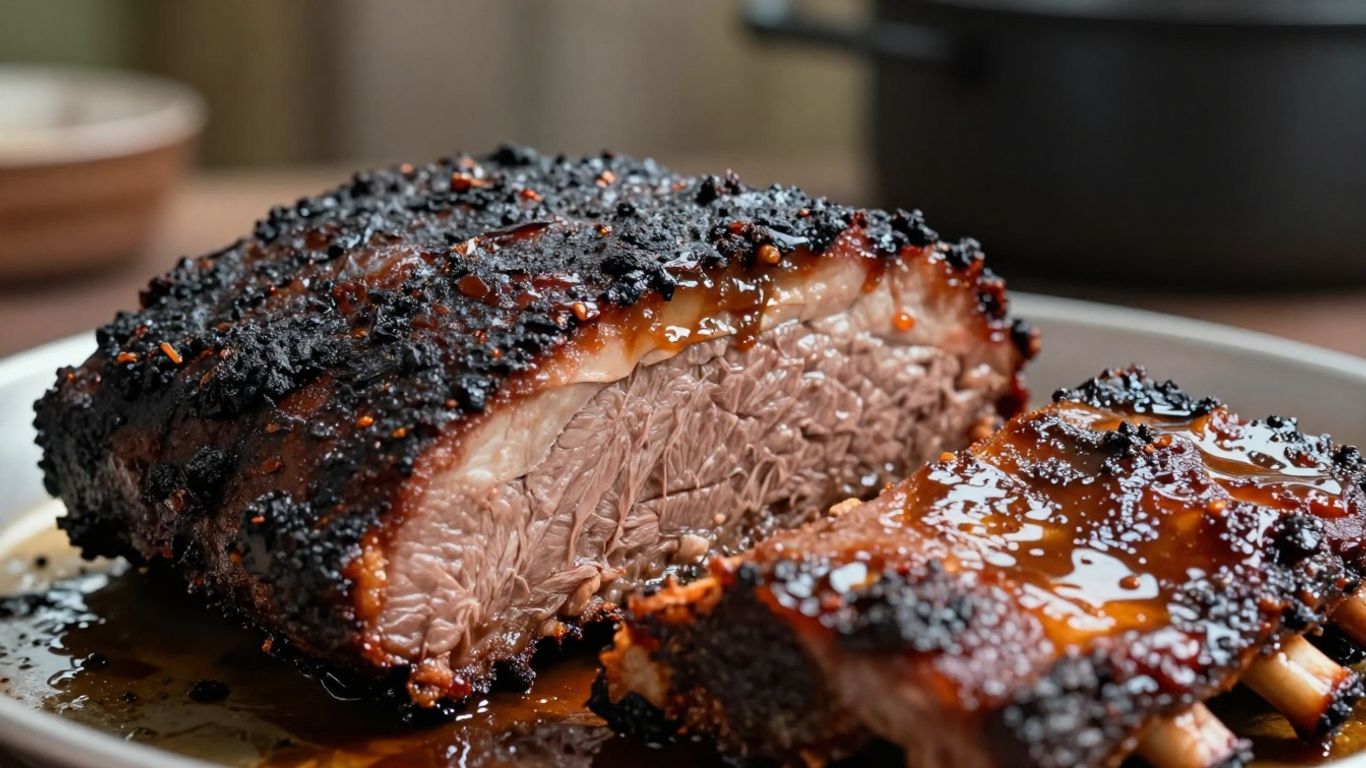
Texas barbecue didn’t just appear out of nowhere. Its story really starts with folks from other countries who came to Texas in the 1800s. German and Czech immigrants, for example, brought their knack for smoking and preserving meats. Back then, without good refrigeration, this was a smart way to keep food from spoiling. They found that the tougher cuts of beef, like brisket, were perfect for long, slow cooking over wood. This method, combined with their seasoning ideas, laid a big part of the groundwork for what we know as Texas BBQ today.
Indigenous Techniques Merge with European Flavors
As these European traditions took root, they also started mixing with other ways of cooking already present in Texas. Think about the local Indigenous peoples and their methods of cooking meat slowly, often in the ground. Then you have the Mexican vaqueros, who were masters of barbacoa, a slow-cooked meat dish that’s incredibly tender. These different approaches didn’t just sit side-by-side; they blended together. This fusion created a cooking style that was uniquely Texan, taking the best parts of each tradition to create something new and delicious.
The Role of Ranchers and Cowboys
It’s hard to talk about Texas history without mentioning ranchers and cowboys, and they played a big part in making barbecue a central part of life here. For them, barbecue was more than just a meal; it was a way to feed a crew out on the range or celebrate after a long cattle drive. They adopted and adapted the slow-cooking methods, often using whatever wood was available, like mesquite, to get that signature smoky flavor. Barbecue became the glue that held gatherings together, from small family meals to big community events. It was a practical, flavorful way to feed a lot of people and build connections.
A Deep Dive Into Texas BBQ’s Regional Diversity
Texas is a big place, and folks sure do barbecue differently depending on where you are. It’s not just one style; it’s a whole spectrum of smoky goodness. You’ve got these main areas, each with its own spin on how to cook meat low and slow, or sometimes, not so slow.
Central Texas: The Meat Market Approach
This is what many people picture when they think of Texas BBQ. It’s all about the meat, plain and simple. Think of it like a butcher shop that decided to cook its best cuts. The focus is on the quality of the beef, usually brisket, ribs, and sausage. They keep the seasonings really basic – often just salt and pepper – and let the smoke from post oak wood do most of the talking. The result is a beautiful, dark crust, or ‘bark,’ on the meat. Sauces? Not a big deal here. If you get one, it’s usually a thin, peppery tomato-based sauce served on the side, so you can add it if you really want to. It’s about letting the meat’s natural flavor shine through.
East Texas: Southern Influences and Sauces
Head east, and you’ll start seeing more influence from the Deep South. Here, barbecue is often chopped up and served in sandwiches, or you’ll find tender, fall-off-the-bone ribs. Sauces are a bigger part of the picture, usually sweeter and thicker, with a tomato base. They’re great for making those chopped meat sandwiches sticky and flavorful. Pork also plays a more prominent role in East Texas, alongside the beef. Sides like creamy coleslaw and potato salad are common.
West Texas: Cowboy-Style Grilling
Out west, things get a bit more rugged, reflecting the cowboy and ranching history. Instead of the super low-and-slow smoking you see elsewhere, West Texas often uses higher heat and direct grilling over mesquite coals. This gives the meat a really intense, smoky flavor. It’s a faster cooking method, more suited to the open range. While it’s still smoky, it’s a different kind of smoke than you get from post oak. They might cook ribs and chicken this way, aiming for a quick, flavorful meal.
South Texas: Barbacoa and Mexican Flavors
Down in South Texas, the proximity to Mexico really shapes the barbecue scene. You’ll find a lot of barbacoa, which is traditionally beef cheek or head slow-cooked until incredibly tender, often wrapped in agave leaves and cooked in an underground pit. The flavors here are bolder, with influences from Mexican spices and chiles. Tougher cuts of beef are common because they’re cooked for so long they become melt-in-your-mouth soft. You might also see barbecue incorporated into dishes like enchiladas or tamales, showing a real blend of cultures.
The diversity in Texas BBQ isn’t just about different cooking methods; it’s a reflection of the state’s rich history and the many cultures that have called it home. Each region offers a unique taste, a story told through smoke, spice, and slow-cooked meat.
What Defines Authentic Texas Style Barbecue
When you talk about Texas barbecue, there are a few things that really set it apart. It’s not just about throwing meat on a fire; it’s a whole philosophy. For starters, beef is king here. While other places might focus on pork, Texas barbecue almost always centers around beef, and specifically, brisket.
The Primacy of Beef Brisket
Brisket is the heart and soul of Texas BBQ. It’s a tough cut of meat, but when you cook it low and slow for hours, it becomes incredibly tender and flavorful. Pitmasters take a lot of pride in getting the brisket just right. It needs that perfect balance of smoke, a tender texture that practically melts in your mouth, and juices that make every bite a delight. It’s the ultimate test of a pitmaster’s skill.
The Art of the Dry Rub
Forget drowning your meat in heavy sauces before it even hits the smoker. Texas barbecue usually relies on a simple dry rub. Think salt, black pepper, maybe a little garlic powder or paprika. The idea is to let the natural flavor of the beef shine through, enhanced by the smoke and the rub. This minimal seasoning creates a beautiful, dark crust, often called the bark, which is packed with flavor.
Here’s a look at a typical Texas dry rub:
| Ingredient | Typical Ratio | Purpose |
|---|---|---|
| Coarse Salt | 2 parts | Flavor, Bark |
| Black Pepper | 1 part | Flavor, Spice |
| Garlic Powder | 1/2 part | Aroma, Flavor |
| Paprika | 1/2 part | Color, Mild Spice |
Low and Slow Smoking Techniques
This is where the magic really happens. Texas barbecue is all about patience. The meat is cooked for many hours at low temperatures, typically between 225°F and 275°F. This slow cooking process breaks down the tough connective tissues in the meat, making it incredibly tender and moist. Post oak is the wood of choice for many pitmasters, lending a clean, distinct smoky flavor that complements the beef without overpowering it.
The entire process is a labor of love, demanding attention to detail and a deep respect for the ingredients. It’s about coaxing the best possible flavor out of the meat through time and smoke, not masking it.
These three elements – the focus on brisket, the simple dry rub, and the low-and-slow smoking method – are what truly define authentic Texas-style barbecue.
The Dallas-Fort Worth BBQ Distinction
A Crossroads of BBQ Traditions
Dallas-Fort Worth, often just called DFW, sits in a unique spot in Texas. It’s a place where different BBQ styles don’t just meet, they really mix and mingle. You can taste influences from all over the state here, from the simple, meat-focused Central Texas style to the richer, saucier East Texas approach. It’s like a BBQ melting pot, and that’s part of what makes it so interesting.
Innovation and Elevated Cuts
While DFW respects the old ways of smoking meat, pitmasters in this area aren’t afraid to try new things. They’re known for taking classic BBQ and giving it a modern twist. This often means using fancier cuts of beef, like prime brisket or even Wagyu, and treating them with the same care as the traditional cuts. It’s about pushing the flavor boundaries while still honoring the slow-and-low cooking that Texas BBQ is all about.
Fusion Dishes and Unique Sides
DFW’s love for mixing things up really shows up in its side dishes and even some main dishes. You’ll find things that aren’t typical BBQ fare but work surprisingly well. Think brisket tacos, smoked queso that’s out of this world, or jalapeño cornbread that has just the right kick. These creative additions show how the region embraces its diverse population and culinary scene.
Here’s a look at some popular DFW BBQ spots and what they’re known for:
- Pecan Lodge (Dallas): Famous for its brisket and spicy jalapeño-cheddar sausage. Expect long lines, but many say it’s worth the wait.
- Heim BBQ (Fort Worth): Known for their "bacon burnt ends" and a solid lineup of smoked meats. They’ve got a loyal following.
- Hutchins BBQ (Frisco & McKinney): Generous portions are a hallmark here, especially their ribs. It’s a place that feels welcoming and serves up big flavors.
- Terry Black’s Barbecue (Dallas): Part of a well-known BBQ family, they stick to the Central Texas style with great attention to detail.
The Dallas-Fort Worth area has become a hub for BBQ innovation, blending traditional techniques with modern culinary ideas. This region celebrates the classics while also exploring new flavors and presentations, making it a dynamic part of the Texas BBQ landscape.
The Crucial Role Of Texas BBQ Sauce
Honoring the Meat, Not Hiding It
When you think about Texas barbecue, the first things that probably come to mind are smoky briskets and perfectly cooked ribs. But there’s another element that plays a big part, even if it’s sometimes in the background: the sauce. In Texas, barbecue sauce isn’t usually about masking the flavor of the meat. Instead, it’s meant to complement it, adding another layer of taste without taking over. The goal is to let that slow-smoked meat really shine through.
Key Ingredients for Balance
What goes into a classic Texas-style sauce? It’s often a mix that aims for balance. You’ll find ingredients like:
- Vinegar: Usually apple cider vinegar, for a bit of tang.
- Tomato base: Often tomato paste or a good ketchup, giving it body and a touch of sweetness.
- Sweetener: Things like molasses, honey, or brown sugar add a mellow sweetness.
- Spices: Black pepper is a must, and you might also find mustard powder, garlic, and a hint of chili for warmth.
It’s not about being overly sweet or vinegary. The idea is to create a sauce that works with the smoky, savory notes of the meat. It’s a careful dance of flavors.
Regional Sauce Variations Across Texas
Texas is a big place, and its barbecue sauces reflect that diversity. While the core idea of complementing the meat remains, you’ll find differences from one region to another:
- Central Texas: This area often keeps things simple. Sauces might be lighter, perhaps a bit peppery and tomato-forward, served on the side so you can add just what you like. Some places even focus so much on the meat that sauce is almost an afterthought.
- East Texas: Here, you might find sauces that are a bit thicker and sweeter, leaning into those Southern influences. They’re great for chopped meats or glazing ribs.
- West Texas: Influenced by its cowboy and Mexican heritage, sauces here can sometimes have a bit more kick, maybe with cumin or other earthy spices. The cooking methods themselves, often over open pits, also play a role in the flavor profile.
- South Texas: Close to the border, you’ll see more influence from Mexican cuisine. This can mean sauces with more spice, perhaps using chiles, and often served with barbacoa.
The beauty of Texas barbecue sauce lies in its adaptability. It’s a testament to how a simple condiment can tell a story about a region’s history, its ingredients, and its people. It’s about adding that perfect finishing touch, not covering up the main event.
So, while the meat is undoubtedly the star of the show in Texas BBQ, the sauce is the supporting actor that helps make the whole performance legendary.
Mastering The Texas Brisket
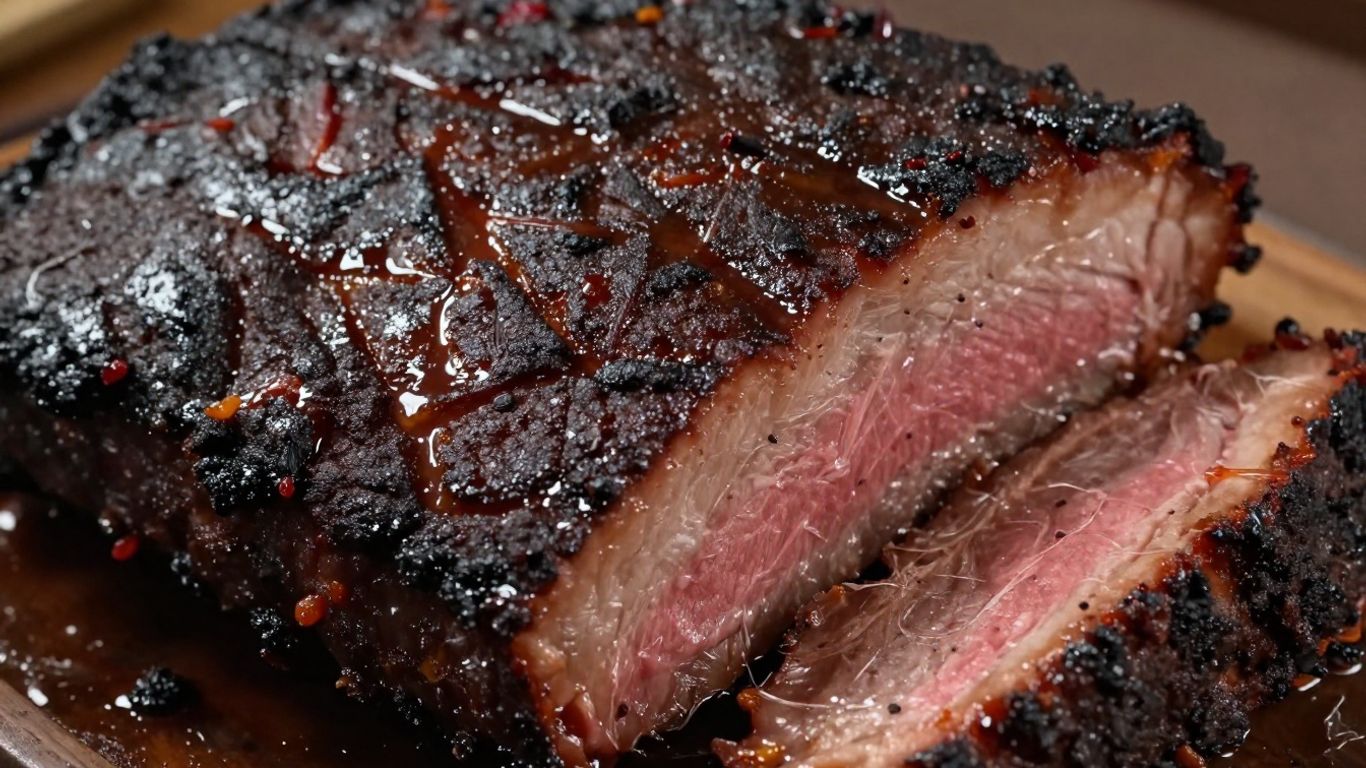
The Perfect Balance of Smoke, Tenderness, and Juiciness
When you talk about Texas BBQ, brisket is the undisputed king. It’s not just a cut of meat; it’s a culinary icon. Getting it right is a whole process, a real test of patience and skill for any pitmaster. The goal is that perfect bite: tender enough to pull apart with a fork, juicy enough that it doesn’t feel dry, and infused with just the right amount of smoke. It’s a delicate dance between heat, time, and the quality of the beef itself. Many pitmasters start with a packer cut, meaning the whole brisket with both the flat (leaner) and the point (fattier) still attached. This allows for a more complex flavor and texture profile once it’s all said and done.
Why Beef Brisket Reigns Supreme
So, why brisket? For starters, it’s a tough cut of beef that, when treated with respect and time, transforms into something incredibly special. Unlike pork, which is often the star in other BBQ regions, beef brisket has a richer, deeper flavor that really stands up to the smoke. It’s also a cut that’s very forgiving when it comes to seasoning. A simple rub of salt and coarse black pepper, often called a "Dalmatian rub," is all you really need to let the beef and smoke shine. This minimalist approach is a hallmark of true Texas style.
The Pitmaster’s Smoking Process
The magic really happens in the smoker. Texas pitmasters cook brisket low and slow, usually between 225°F and 275°F, for anywhere from 8 to 16 hours, depending on the size of the brisket. The type of wood used is also important; post oak is the classic choice in Central Texas, lending a clean, distinct smoke flavor. Mesquite and pecan are also popular in other parts of the state. The process involves several stages:
- Seasoning: A generous application of salt and coarse black pepper is the standard. Some pitmasters add a touch of garlic powder, but that’s about it.
- Smoking: The brisket is placed in the smoker, fat-side up or down depending on the pitmaster’s preference, and smoked for several hours until a dark, flavorful bark forms.
- The Wrap (The Texas Crutch): Many pitmasters wrap the brisket in butcher paper or foil partway through the cook. This helps push through the "stall" – a point where the meat’s temperature plateaus – and keeps the brisket moist.
- Resting: This is arguably as important as the smoking itself. Once cooked, the brisket needs to rest for at least an hour, often longer, wrapped in its butcher paper. This allows the juices to redistribute throughout the meat, making it incredibly tender and moist.
The true art of Texas brisket lies not just in the cooking, but in the understanding of the meat’s journey. It’s about patience, respecting the process, and knowing when to step in and when to let the smoke do its work. The result is a deeply satisfying, melt-in-your-mouth experience that’s hard to beat.
Beyond Brisket: Other Texas BBQ Staples
While beef brisket might get all the glory in Texas barbecue, it’s far from the only star of the show. The state’s barbecue scene is rich with other smoked meats that deserve just as much attention. These staples showcase the versatility of slow-cooking and the regional love for well-prepared beef and pork.
The Popularity of Beef Ribs
Beef ribs in Texas are often a sight to behold – massive, meaty affairs that are slow-smoked until they’re incredibly tender. Unlike pork ribs, these are typically larger, bone-in cuts that require a longer cooking time to break down the connective tissues. The result is a rich, beefy flavor with a smoky exterior that’s just fantastic. Pitmasters often season them simply with salt and pepper, letting the quality of the beef and the smoke do the talking. They’re a favorite for those who want a more intense beef experience than even brisket can offer.
Artisanal Sausage Creations
Sausage is another cornerstone of Texas BBQ, and it’s a category where you see a lot of creativity. Many pitmasters make their own sausages in-house, often using a blend of beef and pork. The seasonings can vary wildly, from classic coarse-ground pepper and garlic to more complex mixes incorporating jalapeños, cheese, or even unique spice blends. These sausages are typically smoked low and slow, developing a beautiful casing and a juicy, flavorful interior. They’re a perfect complement to brisket or ribs, offering a different texture and flavor profile. You can find these delicious sausages at many Texas BBQ joints.
Exploring Pulled Pork and Smoked Chicken
While beef is king, you’ll also find excellent pulled pork and smoked chicken throughout Texas. Pulled pork, often made from the pork shoulder, is slow-smoked until it’s easily shredded and mixed with a bit of its own juices or a light sauce. It offers a different kind of smoky sweetness compared to beef. Smoked chicken, usually a whole bird or halves, is cooked until the skin is crispy and the meat is moist and tender. It’s a lighter option that still carries that signature smoky flavor. These meats round out the Texas BBQ experience, proving that the pitmaster’s skill isn’t limited to just one cut.
The beauty of Texas barbecue lies in its variety. While brisket is the undisputed champion for many, the inclusion of hearty beef ribs, expertly crafted sausages, and well-executed pulled pork and chicken creates a diverse and satisfying culinary landscape. Each meat brings its own character to the table, all united by the common thread of slow-smoking and quality ingredients.
Modern Interpretations Of Texas BBQ
Chefs Reimagining Classic Flavors
Texas BBQ is always evolving, and that’s part of what makes it so exciting. Today’s pitmasters aren’t just sticking to the old ways; they’re getting creative. You’ll see chefs taking those classic Texas flavors – the smoke, the spice, the slow-cooked tenderness – and giving them a fresh spin. Think about brisket, but maybe it’s been infused with a different kind of wood smoke, or perhaps it’s served with a side that’s a nod to another culture. It’s about respecting the tradition while still pushing the envelope a bit.
Global Fusion with a Texas Twist
This is where things get really interesting. Texas BBQ’s bold flavors are a fantastic base for all sorts of international influences. We’re seeing pitmasters blend Texas barbecue with everything from Korean gochujang to Japanese teriyaki. It’s not just about throwing different ingredients together, though. It’s about finding that sweet spot where the smoky, rich taste of Texas barbecue meets the vibrant notes of another cuisine, creating something totally new and delicious. Imagine brisket tacos with a kimchi slaw, or smoked ribs glazed with a chipotle-honey sauce. It’s a culinary adventure.
The Future of Texas BBQ Sauce
Sauce in Texas BBQ has always been about complementing, not covering up, the meat. But even here, there’s room for innovation. Chefs are experimenting with sauces that have more complex flavor profiles, incorporating ingredients like fruit purees, different vinegars, or even a touch of international spice. The goal remains the same: a sauce that adds another layer of flavor without overpowering the star of the show – the perfectly smoked meat. We’re seeing sauces that are less about just sweetness and more about a balanced interplay of tangy, spicy, and smoky notes, ready to pair with both traditional and newly imagined BBQ dishes.
Crafting Your Own Texas Style BBQ Sauce
Making your own Texas-style BBQ sauce at home can be a really rewarding experience. It’s not about masking the flavor of the meat, but rather adding a layer that complements it. Think of it as a partner to your brisket or ribs, not a replacement.
Essential Components for a Balanced Sauce
Getting the balance right is key. You want a sauce that has a little bit of everything – a touch of sweet, a bit of tang, some spice, and a hint of smoke. Here’s a breakdown of what usually goes into a good Texas sauce:
- Base: Often starts with tomato paste or ketchup for body and color.
- Acidity: Apple cider vinegar is a common choice, bringing that necessary tang.
- Sweetener: Molasses, honey, or brown sugar add a touch of sweetness to round things out.
- Spices: Black pepper, garlic powder, mustard powder, and sometimes a pinch of chili powder or cumin are typical.
- Liquid/Depth: Water, broth, or even a bit of liquid smoke can be used to thin the sauce and add complexity.
Tips for Simmering and Flavor Development
Once you have your ingredients, the cooking process is pretty straightforward, but it does take a little patience. You don’t want to rush it.
- Combine Ingredients: Mix all your chosen ingredients in a saucepan.
- Simmer Gently: Bring the mixture to a low simmer over medium-low heat. Avoid boiling it hard.
- Cook Low and Slow: Let the sauce simmer for at least 30 minutes, stirring occasionally. This allows the flavors to meld together and the sauce to thicken slightly.
- Taste and Adjust: After simmering, taste your sauce. Does it need more tang? A little more sweetness? Adjust as needed.
The goal is a sauce that enhances the smoky, savory notes of the barbecue without overpowering them. It should be complex enough to be interesting but simple enough to let the meat shine. Think of it as a supporting actor, not the star of the show.
Capturing Authentic Texas Taste at Home
To really nail that authentic Texas flavor, focus on quality ingredients and the right ratios. While Central Texas might lean towards minimal sauce, other regions embrace it more. East Texas often has sweeter, thicker sauces, while West Texas might incorporate more spice and heat. You can play around with these variations.
For a classic, balanced sauce, try this general guideline:
| Component | Example Ingredient(s) | Approximate Ratio |
|---|---|---|
| Tomato Base | Ketchup/Paste | 2 parts |
| Acidity | Apple Cider Vinegar | 1 part |
| Sweetener | Honey/Molasses | 1/2 part |
| Spices | Pepper, Garlic, Chili | To taste |
More Than Just a Meal
So, there you have it. Texas BBQ is way more than just meat cooked over a fire. It’s a whole tradition, built on history and a whole lot of patience. Whether you’re into the simple, pure flavors of Central Texas or the bolder, spicier stuff from the south, there’s something for everyone. It’s about bringing people together, sharing good food, and keeping those old-school cooking methods alive. Next time you get a chance, grab a plate and taste a piece of Texas history for yourself. You won’t be disappointed.
Frequently Asked Questions
What makes Texas BBQ famous?
Texas BBQ is famous because it’s a big part of the state’s history and culture. It started with different groups of people, like German and Czech immigrants, and Mexican cowboys, sharing their cooking ideas. They all loved slow-cooking meat until it was super tender and tasty. This mix of old traditions and new ideas makes Texas BBQ special.
Is Texas BBQ only about brisket?
While beef brisket is definitely the king of Texas BBQ, it’s not the only thing! Texans also love big beef ribs and tasty homemade sausages. You’ll also find smoked chicken and pulled pork, showing that Texas BBQ has a variety of delicious meats to enjoy.
How is Texas BBQ different from other kinds?
Texas BBQ usually focuses on beef, especially brisket, cooked slowly over wood smoke. Unlike some other places that use a lot of sauce, Texas BBQ often uses a simple dry rub of salt and pepper, letting the meat’s natural flavor and the smoke shine through. Sauces are usually served on the side.
What’s the secret to great Texas brisket?
The secret is patience! Texas pitmasters cook brisket low and slow for many hours. This makes it incredibly tender and juicy. They also use a simple rub, often just salt and pepper, and smoke it just right to get a perfect smoky flavor and a beautiful pink color inside.
Are there different styles of BBQ in Texas?
Yes, Texas is a big state, so its BBQ is diverse! Central Texas is known for its simple brisket. East Texas has more southern-style sauces and uses pork. West Texas has a cowboy style with grilling over coals. South Texas shows Mexican influence with barbacoa and spices.
What’s special about Texas BBQ sauce?
Texas BBQ sauce is made to go well with the meat, not to cover it up. It’s usually a bit sweet, a bit tangy, and has a little spice. It’s not too thick or too thin, and it complements the smoky flavor of the meat perfectly. Many people like to put it on the side so they can add just the right amount.
What makes the Dallas-Fort Worth BBQ scene unique?
Dallas-Fort Worth is a mix of all the Texas BBQ styles. Pitmasters there respect tradition but also like to try new things, like using fancy cuts of meat or adding flavors from around the world. They’re famous for their amazing brisket and creative sides, making it a lively BBQ spot.
Can I make Texas-style BBQ at home?
Absolutely! You can start by choosing a good cut of beef, like brisket. Use a simple rub with salt and pepper. The key is to cook it low and slow, using wood smoke if possible. For sauce, try a tomato-based recipe with a little sweetness and tang. It takes practice, but it’s worth it!