
When you talk about barbecue in America, a few places immediately come to mind. We’re talking about Texas, the Carolinas, and Kansas City. Each spot has its own way of doing things, from the kind of meat they smoke to how they spice it up and what sauce they pour on top. It’s a whole world of flavor, and understanding the differences between Texas vs Carolina vs Kansas City BBQ is key to appreciating this amazing food.
Key Takeaways
- Texas BBQ is all about beef, especially brisket, with a simple approach to seasoning and often no sauce at all.
- Carolina BBQ focuses on pork, whether it’s whole hog or pork shoulder, and features a variety of distinct sauces like vinegar-based, ketchup-vinegar, or mustard.
- Kansas City BBQ is known for its wide range of smoked meats and its signature sweet, thick, ketchup-based sauce, with burnt ends being a special treat.
- The main differences lie in the primary meat (beef vs. pork), the sauce philosophy (minimalist vs. bold), and the cooking methods and wood used.
- Each region has unique regional variations, like Central Texas’s ‘naked’ brisket, Eastern North Carolina’s vinegar tang, and Kansas City’s beloved burnt ends.
Texas BBQ: A Beef-Centric Tradition
The Dominance of Brisket
When you think Texas BBQ, you’re probably picturing a big, smoky brisket. And you’d be right. Brisket is king here, no question about it. It’s the main event, the star of the show. Pitmasters spend hours, sometimes even a whole day, coaxing the best out of this tough cut of beef. The goal is a tender, juicy interior with a dark, flavorful crust, often called the ‘bark’. This bark is where a lot of the magic happens, formed by the rub and the smoke working together.
Regional Variations Across the Lone Star State
Texas is a huge state, and its BBQ scene reflects that. You won’t find just one way to do things. In Central Texas, it’s all about that ‘naked’ brisket, seasoned simply with salt and pepper, and served without sauce. Head east, and you’ll find chopped brisket sandwiches, often with a bit of sauce mixed in, and pork ribs are popular too. West Texas has its own thing going with high-heat, open-pit cooking. It’s a diverse landscape, but beef usually stays front and center.
Minimalist Approach to Sauce and Seasoning
Texas BBQ tends to let the meat shine. The seasoning is often just salt and pepper, maybe a little garlic or onion powder. The idea is to complement the beef, not overpower it. And the sauce? Well, if you see it, it’s usually on the side. It’s not meant to be slathered all over the meat. Think of it more as a dip or a little something extra to add if you feel like it. This simple approach lets the quality of the meat and the smoke flavor really come through.
Carolina BBQ: The Reign of Pork
When you talk about barbecue in the Carolinas, one thing is pretty much set in stone: it’s all about the pork. Forget beef for a minute; here, the pig reigns supreme. This isn’t just a preference; it’s a deep-rooted tradition that shapes everything from how the meat is cooked to what goes on it. You’ll find two main ways folks approach this pork paradise: the whole hog method, where the entire animal is slow-cooked, or focusing on the pork shoulder, which is perfect for pulling. The real magic, though, often comes down to the sauce, and that’s where things get really interesting and varied across the region.
Whole Hog vs. Pork Shoulder
Cooking a whole hog is a serious undertaking. It’s a commitment that can take anywhere from 12 to 24 hours, and it requires a pitmaster who really knows their stuff. The goal is to get every part of the hog, from the tender belly to the tougher shoulder, cooked just right. It’s a communal event, often done for big gatherings, and it’s considered by many to be the purest form of Carolina BBQ. On the other hand, smoking pork shoulders is more common for everyday BBQ joints. It’s a bit more manageable, and you still get that fantastic pulled pork that Carolina is famous for. Both methods result in incredibly tender, flavorful meat, but the whole hog approach is definitely a spectacle.
The Spectrum of Carolina Sauces
This is where Carolina BBQ really shows its personality. The sauces aren’t just an afterthought; they’re an integral part of the flavor profile, often used as a mop sauce during cooking or mixed right into the pulled pork. You’ve got a few distinct camps:
- Eastern North Carolina: This is the classic. Think simple, sharp, and tangy. It’s primarily a vinegar-based sauce, sometimes with a pinch of red pepper flakes and a touch of sugar. It cuts through the richness of the pork beautifully.
- Lexington (Western North Carolina): Moving west, the sauce gets a bit more complex. Here, you’ll find a blend of vinegar and ketchup, adding a touch of sweetness and a bit more body. It’s often called the "Piedmont" sauce.
- South Carolina: This is where things get really unique with "Carolina Gold." This sauce is mustard-based, giving it a bright, tangy, and slightly sweet flavor that’s unlike anything else. It’s rich and pairs wonderfully with pork.
Eastern, Western, and South Carolina Styles
So, how do these sauce differences play out in the actual BBQ? Well, it’s a bit of a friendly rivalry.
Eastern North Carolina is all about that whole hog, dressed in its simple vinegar sauce. It’s straightforward, bold, and lets the pork shine. Lexington, in the west, focuses on pork shoulder and uses that ketchup-vinegar blend. Then you have South Carolina, with its whole hog tradition and that distinctive mustard sauce. Each style has its loyal followers, and trying them all is part of the fun of exploring Carolina BBQ.
It’s fascinating how these regional variations came about, often tied to local ingredients and historical influences. Whether you prefer the sharp tang of vinegar, the sweet kick of ketchup, or the unique zest of mustard, there’s a Carolina BBQ sauce out there for you. And the pork? It’s always the star of the show.
Kansas City BBQ: A Saucy Showcase
Kansas City BBQ is all about going big and bold, and let’s be honest, it’s unapologetically saucy. This style really embraces a wide variety of smoked meats. You’ll find everything from pork ribs and brisket to chicken and sausage. But the real star of the show, the thing you absolutely have to try when you’re in KC, are the burnt ends. These are those deeply caramelized, smoky cubes that come from the fattier part of the brisket point. They’re just incredible.
The Signature Burnt Ends
Burnt ends are basically the brisket’s greatest hits. They’re cut from the fatty end of a smoked brisket point. When they’re cooked low and slow, they get this amazing tender texture and a rich, smoky flavor that’s hard to beat. They’re so good, they’re often cooked into other dishes, like the famous Kansas City baked beans, adding an extra layer of smoky goodness.
A Wide Array of Smoked Meats
While burnt ends get a lot of the spotlight, Kansas City pitmasters aren’t afraid to smoke just about anything. You’ll see pork ribs, of course, often coated in a sweet rub and finished with that signature sauce. Brisket is a staple, and chicken and sausage are common too. It’s a true smorgasbord of slow-smoked goodness, with a focus on getting that perfect bark and tender bite.
Sweet, Thick, and Ketchup-Based Sauce
And then there’s the sauce. Kansas City BBQ sauce is thick, sweet, and usually has a tomato or ketchup base, often with molasses adding a deep, rich sweetness. It’s the kind of sauce that’s perfect for slathering on ribs, brushing over chicken, or just serving on the side for dipping. It’s a crowd-pleaser, for sure, and it really complements the deep smokiness of the meats.
Here’s a quick look at what makes Kansas City BBQ stand out:
- Meats: Brisket (especially burnt ends), pork ribs, chicken, sausage.
- Rub: Often a sweet blend featuring brown sugar and paprika, with other spices.
- Wood: Hickory is a popular choice, offering a versatile smoky flavor.
- Sauce: Thick, sweet, tomato-based, often with molasses.
The cooking process in Kansas City is typically low and slow, using a mix of hardwoods. This technique helps build that desirable heavy bark and ensures the meat is incredibly tender.
When it comes to sides, expect classic comfort food. Creamy coleslaw, hearty baked beans loaded with meat, and sometimes mac and cheese or green beans are common. It’s all about complementing the rich, smoky flavors of the barbecue.
Key Differences in Texas vs Carolina vs Kansas City BBQ
Primary Meats: Beef vs. Pork
When you’re talking BBQ, the first thing that usually jumps out is what kind of meat is being smoked. Texas is pretty much all about the beef. We’re talking big, beautiful briskets and beef ribs. They really let the beef shine, and honestly, it’s hard to argue with that.
Carolina, though? It’s a pork party over there. They’re famous for their pulled pork, often made from the whole hog or pork shoulders. It’s a different kind of tender, a different kind of flavor.
Kansas City is kind of the best of both worlds, or maybe just a bit of everything. You’ll find brisket and pork ribs, but they also do chicken and sausage. And let’s not forget those famous burnt ends, which are usually from brisket.
Sauce Philosophy: Minimalist vs. Bold
This is where things get really interesting. Texas BBQ, especially in Central Texas, is famous for its "naked" approach. They’ll give you a little sauce on the side, but the idea is that the meat, the rub, and the smoke should be the main event. The sauce is more of an optional extra, not the star of the show.
Carolina BBQ is different. The sauce is often mixed right into the pulled pork or used as a mop during cooking. It’s an integral part of the flavor profile, not just something you add at the end. The types of sauces vary wildly, from a sharp vinegar base in the east to a mustard-based sauce in South Carolina.
Kansas City BBQ? They go all out with the sauce. It’s usually thick, sweet, and tomato-based, often with molasses. They slather it on ribs, chicken, and serve it generously on the side. It’s meant to complement the smoky meat, and it does so with gusto.
Cooking Techniques and Wood Usage
Texas often uses post oak or mesquite, which gives a distinct flavor. They’re known for that low-and-slow smoking, especially for brisket, to get that perfect bark and tender interior. Some parts of Texas, like West Texas, even use high-heat open pits, which is a bit more like grilling.
Carolina pitmasters frequently use hickory or oak. The cooking process is also low and slow, especially for whole hog cooking, which takes a serious amount of time and attention. They might use mop sauces during the cook to keep the meat moist and add flavor.
Kansas City also favors low and slow cooking, often with a mix of hardwoods like hickory. This helps build up that rich, smoky flavor and the signature bark on their meats. They’re masters at getting a lot of smoke flavor into everything they cook.
Exploring Texas BBQ’s Diverse Landscape
Central Texas: The ‘Naked’ Brisket
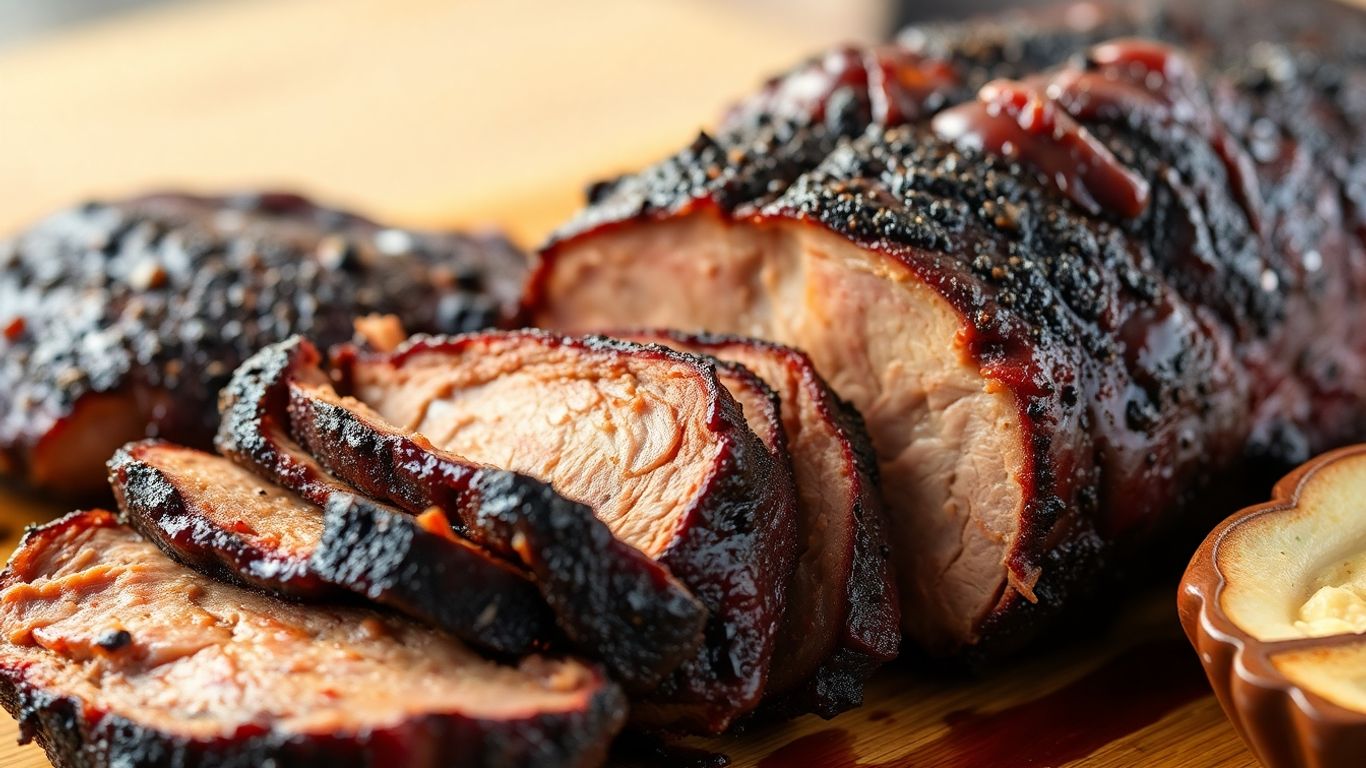
When folks talk about Texas BBQ, they’re often picturing the Central Texas style. This is where brisket reigns supreme, and the pitmasters here really let the meat shine. We’re talking about a simple rub, usually just salt and pepper, maybe a little garlic powder. The idea is to let the smoky flavor from the wood, typically post oak, do all the talking. You won’t find much sauce here; it’s more of an afterthought, if it shows up at all. The focus is on that perfect bark – that dark, flavorful crust – and meat so tender it practically melts. It’s a purist’s approach, and honestly, it’s hard to argue with the results.
East Texas: Chopped Brisket and Pork Ribs
Head east, and things get a little saucier. East Texas has a real love for chopped brisket, often mixed with a tangy, vinegar-based sauce. This style also gives a lot of love to pork ribs. The chopped brisket is usually served on a soft bun, making for a messy but delicious sandwich. It’s a bit more hands-on than the Central Texas style, with the sauce playing a more significant role in the overall flavor profile. You’ll often find pickles and onions alongside, adding a nice bit of crunch and sharpness.
West Texas: High-Heat Open-Pit Cooking
Out west, they do things a little differently, and it’s a bit more rustic. West Texas is known for its open-pit cooking. Instead of a smoker, they often cook directly over coals in a pit. This means a faster cook and a different kind of smoky flavor. It’s a more intense heat, and the pitmasters have to be really on their game to keep the meat from drying out. This style often features larger cuts of beef, and the focus is on getting a good char while keeping the inside juicy. It’s a more primal way of cooking, and you can taste the difference.
Texas BBQ isn’t a monolith; it’s a collection of distinct traditions that all celebrate the art of smoking meat. From the minimalist elegance of Central Texas brisket to the saucy chopped beef of the East and the fiery pits of the West, each region offers a unique taste of the Lone Star State’s barbecue heritage.
Unpacking Carolina BBQ’s Regional Flavors
Eastern North Carolina’s Vinegar Tang
Head to the eastern part of North Carolina, and you’re stepping into a world where pork reigns supreme, often cooked whole hog. The pitmasters here have a very specific way of doing things. The meat is slow-cooked, and then it’s typically chopped or pulled. What really sets this style apart is the sauce. It’s a thin, sharp concoction, mostly just vinegar with a good kick of red pepper flakes. Sometimes a little sugar is added, but the main idea is that bright, tangy flavor that cuts right through the richness of the pork. It’s a simple sauce, but it’s meant to be an integral part of the dish, not just an afterthought. You’ll often find this served on a bun with coleslaw, which itself might be a vinegar-based slaw, sometimes called red slaw.
Lexington’s Ketchup-Vinegar Blend
Now, if you travel west in North Carolina, things change a bit. This area, often called the Piedmont region, is famous for Lexington-style barbecue. They tend to focus on pork shoulders rather than the whole hog. The cooking method is still low and slow, but the sauce is where the real difference lies. Instead of just vinegar, Lexington sauce is a blend of vinegar and ketchup, with some added pepper. This gives it a bit more body and a touch of sweetness compared to the eastern style. It’s still got that vinegar tang, but it’s balanced out by the tomato base. This sauce is often mixed right into the pulled pork, making it a flavorful, cohesive dish.
South Carolina’s Mustard Gold
Down in South Carolina, get ready for a flavor explosion. This state is known as the "Mustard Belt," and for good reason. Their signature sauce, often called "Carolina Gold," is based on mustard. It’s a tangy, rich, and slightly sweet sauce that’s unlike anything you’ll find elsewhere. While they also do whole hog and pork shoulder, the mustard sauce is the star. It coats the pork beautifully, giving it a unique flavor profile. You might find variations, with some places using vinegar or even tomato-based sauces, but the mustard sauce is what truly defines South Carolina barbecue for many.
Here’s a quick look at the regional sauce differences:
| Region | Primary Sauce Base | Key Ingredients | Flavor Profile |
|---|---|---|---|
| Eastern North Carolina | Vinegar | Vinegar, Red Pepper Flakes, (Sugar) | Sharp, Tangy |
| Lexington (W. NC) | Ketchup & Vinegar | Vinegar, Ketchup, Pepper | Tangy with Sweetness |
| South Carolina | Mustard | Mustard, Vinegar, Spices, (Sugar/Honey) | Tangy, Rich, Slightly Sweet |
Each Carolina style offers a distinct experience, showcasing how a few key ingredients can create vastly different, yet equally delicious, barbecue traditions. The choice of sauce is deeply tied to the local history and the type of pork preparation.
Kansas City’s Approach to BBQ Variety
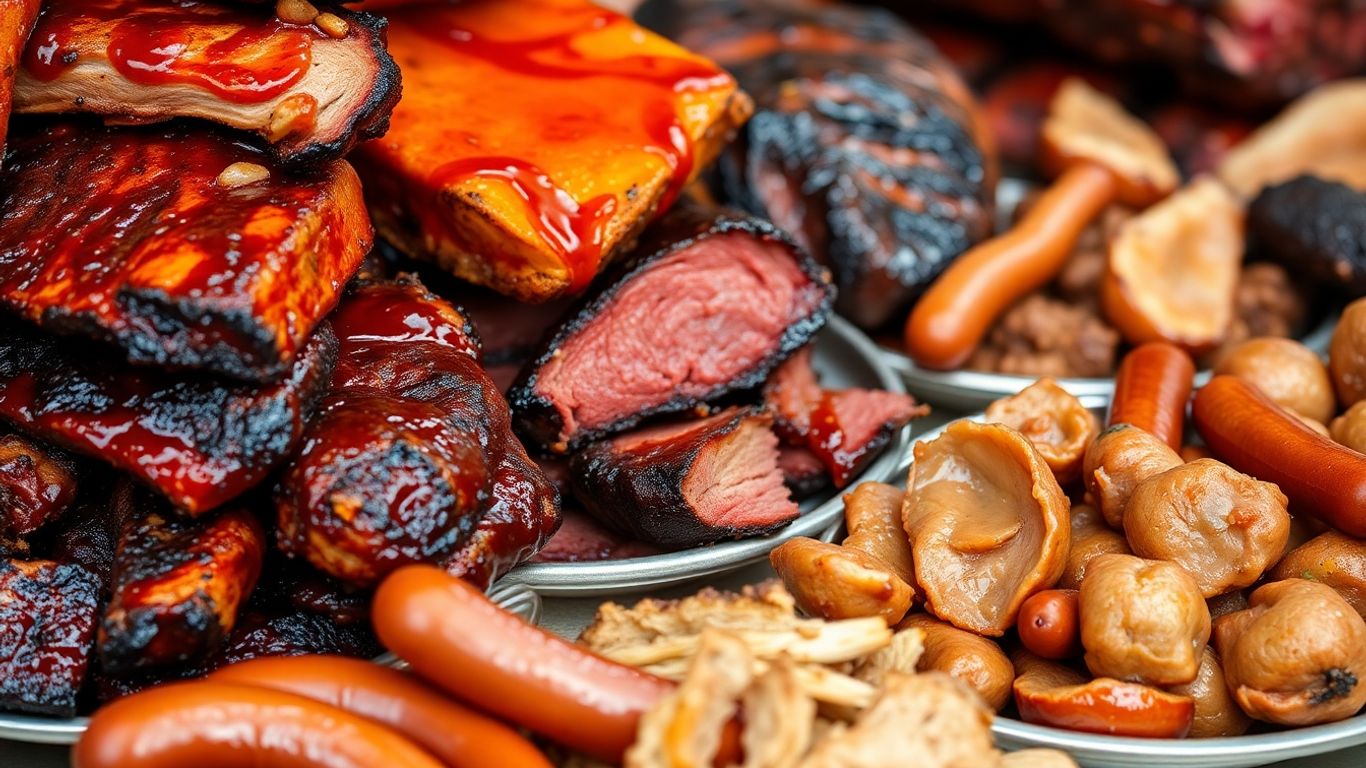
Kansas City really goes all out when it comes to BBQ. It’s a place where you can find a huge spread of smoked meats, and they’re not shy about their sauce. It’s a style that’s pretty much the opposite of the minimalist approach you find in some other places. Here, it’s all about bold flavors and a lot of variety.
The Signature Burnt Ends
If there’s one thing Kansas City is famous for, it’s burnt ends. These aren’t just any old pieces of meat; they’re the fatty, flavorful bits from the point of a smoked brisket. They get cooked twice, making them incredibly tender and packed with smoky goodness. They’re often considered the true test of a pitmaster’s skill. You’ll find them served on their own, or sometimes mixed into other dishes.
A Wide Array of Smoked Meats
While brisket gets a lot of attention for the burnt ends, Kansas City doesn’t stop there. They smoke all sorts of meats, and they do it well. You’ll see pork ribs, pulled pork, chicken, and sausages all on the menu. It’s a real smorgasbord, and each meat is usually treated with a flavorful rub and slow-cooked to perfection.
Sweet, Thick, and Ketchup-Based Sauce
The sauce in Kansas City is a big deal. It’s typically thick, sweet, and has a tomato or ketchup base, often with molasses added for extra depth. This sauce isn’t just for dipping; it’s often brushed onto the meats during the smoking process or served generously on the side. It’s a crowd-pleaser, for sure, and it complements the smoky flavors of the meat really well.
Here’s a quick look at what makes Kansas City BBQ stand out:
- Meats: Brisket (especially burnt ends), pork ribs, chicken, sausage.
- Rub: Often includes brown sugar and paprika, along with other spices.
- Wood: Hickory is a popular choice, offering a versatile smoky flavor.
- Sauce: Thick, sweet, tomato-based, often with molasses.
Kansas City BBQ is a celebration of flavor. It’s about taking good quality meats, smoking them low and slow, and then dressing them up with a signature sauce that’s both sweet and smoky. It’s a style that’s meant to be enjoyed with gusto, often accompanied by hearty sides that hold their own.
The Role of Sauce in Each BBQ Style
Sauce. It’s a big deal in barbecue, but how it’s used really changes from place to place. It’s not just about adding flavor; it’s about tradition and what makes each style unique.
Texas: Sauce as an Accompaniment
In Texas, the meat is the main event, especially that glorious brisket. The pitmasters there often believe that a good piece of brisket, cooked perfectly, doesn’t need much help. So, the sauce? It’s usually an afterthought, something you might get on the side. If there is a sauce, it’s often a thinner, more savory mop sauce used during the cooking process to keep the meat moist, or a simple, slightly sweet or spicy tomato-based sauce served alongside for dipping. The idea is that the sauce should complement the beef, not overpower it.
Carolina: Sauce as an Integral Part
Now, head over to the Carolinas, and things get saucy in a whole different way. Here, pork is king, and the sauce is woven right into the fabric of the dish. Whether it’s the sharp, vinegar-based sauce of Eastern North Carolina, the ketchup-vinegar blend found further west, or the unique mustard-based "Carolina Gold" of South Carolina, the sauce is mixed in, slathered on, or used as a marinade. It’s not just a topping; it’s part of the cooking process, deeply flavoring the pulled pork or whole hog. You’ll find these sauces are often thinner than what you might expect elsewhere, designed to soak into the meat.
Kansas City: Sauce as a Signature Finish
Kansas City takes a bit of a middle road, but with its own bold flair. They smoke a variety of meats low and slow, building up a great bark and smoky flavor. Then comes the sauce – and in KC, it’s a star. Their signature sauce is thick, sweet, and tomato-based, often featuring molasses for a rich, deep flavor. It’s used generously, brushed on ribs, chicken, and pork, and served in abundance for dipping. It’s meant to be a bold, crowd-pleasing finish that ties all the smoky goodness together. It’s a sauce that stands out and is a big part of what makes Kansas City BBQ so recognizable.
Here’s a quick look at the sauce philosophies:
| Style | Primary Role of Sauce |
|---|---|
| Texas | Accompaniment, often served on the side |
| Carolina | Integral part, mixed in or used during cooking |
| Kansas City | Signature finish, slathered on and served for dipping |
The way sauce is treated in each region tells you a lot about what they value most in their barbecue. Texas lets the meat shine, Carolina infuses flavor throughout, and Kansas City uses sauce to create a bold, memorable experience.
Signature Meats and Cuts
Texas: Brisket and Beef Ribs
When you think Texas BBQ, beef is king. The undisputed champion is the brisket, a tough cut of meat from the cow’s lower chest that, when smoked low and slow for hours, transforms into something incredibly tender. Pitmasters often season it simply with salt and pepper, letting the quality of the beef and the smoke shine through. Beyond brisket, beef ribs are another Texas favorite. These aren’t your average ribs; they’re massive, meaty affairs, often from the chuck or plate, requiring a long smoking time to become succulent. East Texas also has its own sausage tradition, with ‘hot links’ being a popular item, often made with a blend of beef and pork and a good kick of black pepper.
Carolina: Pork Shoulder and Whole Hog
In the Carolinas, pork reigns supreme. The most iconic preparation is the whole hog, where the entire animal is smoked, allowing different parts to cook perfectly. This method yields a variety of textures and flavors from the same hog. If whole hog isn’t on the menu, pork shoulder (also known as Boston butt) is the next best thing. It’s slow-smoked until it’s easily pulled apart, making for fantastic pulled pork sandwiches. The fat renders down, basting the meat and making it incredibly moist and flavorful.
Kansas City: Brisket, Ribs, and Burnt Ends
Kansas City offers a bit of everything, but they have their own specialties. Brisket is definitely a star here, often smoked until it’s tender and flavorful. Pork ribs, both spare ribs and baby backs, are also a huge deal, usually coated in a signature rub and smoked to perfection. But perhaps the most famous Kansas City contribution is the ‘burnt end.’ These are the fatty, caramelized, crispy nuggets from the point half of a smoked brisket. They’re often cut into cubes, re-smoked, and sauced, becoming intensely flavorful and a true delicacy. You’ll also find a wide variety of other smoked meats, like chicken, turkey, and sausage, often served in a platter with a mix of everything.
Wood and Smoking Techniques
Texas: Oak and Mesquite
In Texas, the choice of wood is pretty serious business, and it really shapes the flavor of the meat. Oak, especially post oak, is the go-to for a lot of pitmasters. It burns steady and gives off a nice, mild smoke that lets the beef shine. Then you’ve got mesquite. Mesquite is a whole different ballgame – it burns hot and fast, and the smoke is really strong, almost pungent. It’s perfect for those quick cooks or when you want a really intense smoky flavor, but you gotta be careful with it, or it can turn bitter.
- Post Oak: The classic choice, offering a clean, moderate smoke.
- Mesquite: Known for its intense, sometimes aggressive smoke.
- Hickory & Pecan: Also used, especially in East Texas, adding a sweeter, nuttier note.
Texas BBQ is all about that low and slow cooking, letting the smoke work its magic over many hours. It’s a patient process, really.
Carolina: Hickory and Oak
Carolina BBQ leans heavily on pork, and the woods used reflect that. Hickory is a big player here. It’s got a strong, smoky flavor that pairs really well with pork, giving it that classic barbecue taste folks expect. Oak is also common, providing a more mellow smoke that complements the pork without overpowering it. Sometimes you’ll see fruitwoods like apple or cherry thrown in for a touch of sweetness, especially when they’re smoking whole hogs.
- Hickory: The workhorse, providing a robust, classic BBQ smoke.
- Oak: Offers a milder, more balanced smoke.
- Fruitwoods (Apple, Cherry): Used less frequently, adding subtle sweet notes.
Carolina pitmasters often cook whole hogs or large pork shoulders, and the wood choice is key to developing that tender, flavorful meat.
Kansas City: Versatile Hickory
Kansas City BBQ is known for its variety of meats, and the wood choice is pretty flexible to match. Hickory is a favorite, offering a good balance of smoke that works well with beef, pork, and chicken. Many pitmasters in KC also use a mix of hardwoods, sometimes including oak, pecan, or even fruitwoods, to create a complex smoke profile. They’re not afraid to experiment to get that perfect flavor. The cooking is typically low and slow, allowing the smoke to really penetrate the meat, especially for larger cuts like brisket and pork shoulder.
- Hickory: A common choice for its balanced, smoky flavor.
- Oak & Pecan: Often used in blends for added depth.
- Fruitwoods: Sometimes incorporated for a hint of sweetness.
Kansas City pitmasters often use a combination of woods to achieve a layered smoke flavor that complements their wide range of meats and signature sauces. It’s about building complexity.
So, Which BBQ Reigns Supreme?
Alright, we’ve taken a tour through some of the best BBQ spots the country has to offer, from the beef-focused, no-frills approach of Texas to the pork-centric, saucy delights of the Carolinas and Kansas City. Each region has its own way of doing things, its own special touch that makes their barbecue stand out. Whether you’re all about that smoky brisket, that tangy pulled pork, or those sweet, sticky ribs, there’s a whole lot to love out there. Honestly, the ‘best’ is really up to your taste buds. So go ahead, try them all, and find your own favorite pitmaster. Happy eating!
Frequently Asked Questions
What’s the main difference between Texas and Carolina BBQ?
Texas BBQ is all about beef, especially brisket, and they like to keep the seasonings simple to let the meat’s flavor shine. Carolina BBQ, on the other hand, is all about pork, whether it’s a whole hog or just the shoulder, and they use different sauces like vinegar or mustard.
What makes Kansas City BBQ special?
Kansas City is known for having a wide variety of smoked meats, but their most famous dish is ‘burnt ends,’ which are super flavorful, smoky pieces of brisket. They also have a signature sauce that’s thick, sweet, and often ketchup-based.
Do Texas pitmasters use a lot of sauce?
Not usually! In Texas, the BBQ is often cooked with just a simple rub, and the sauce is served on the side. They believe the smoky flavor of the meat is the star, and sauce is just an extra if you want it.
Is all Carolina BBQ the same?
Nope! Carolina BBQ has its own mini-styles. Eastern North Carolina uses a simple vinegar sauce, while western parts mix in some ketchup. South Carolina is famous for its tangy mustard-based sauce.
What kind of wood do they use for smoking?
Texas often uses oak or mesquite wood. Carolina pitmasters tend to go with hickory or oak. Kansas City uses a mix, but hickory is a popular choice too.
What are ‘burnt ends’ exactly?
Burnt ends are the super tasty, fatty, and well-smoked bits from the end of a brisket. They get extra crispy and flavorful from the long cooking time and are a real treat in Kansas City BBQ.
Can I eat BBQ with a fork in Texas?
In Texas, it’s often said you should eat with your hands! They focus on tender, easily sliceable meat, and forks are sometimes seen as unnecessary.
What’s the deal with the sauces in these different BBQ styles?
Texas sauces are usually simple and served on the side. Carolina sauces are mixed right in or used during cooking, with flavors ranging from vinegar to mustard. Kansas City sauces are thick, sweet, and often used as a finishing glaze or for dipping.