
Barbecue in America is more than just food; it’s a whole vibe. From its deep roots to how it’s changing today, the history of American BBQ is a story about culture, community, and, of course, seriously good eats. We’re talking about how different groups of people brought their own flavors and techniques, shaping what we know as American BBQ today. It’s a journey through different regions, famous pitmasters, and even the science behind getting that perfect smoky taste. Let’s dig into the story of how this beloved cooking style came to be and where it’s headed.
Key Takeaways
- The history of American BBQ shows influences from Indigenous peoples, Spanish, and Caribbean cultures, shaping early pit cooking methods.
- Distinct regional styles like Carolina’s vinegar-based sauces, Texas’s brisket focus, Kansas City’s sweet and smoky approach, and Memphis’s dry rubs are cornerstones of American BBQ history.
- The post-war era saw a boom in backyard grilling and the rise of competitive BBQ, cementing its place in American culture.
- Barbecue has always been a cultural melting pot, reflecting immigrant contributions and serving as a central part of community gatherings.
- Modern BBQ continues to evolve with new regional trends, fusion flavors, and a growing interest in healthier and plant-based options.
The Roots of American Barbecue
Indigenous Influences on Early Barbecue
Before European settlers even set foot on North America, indigenous peoples were already mastering the art of cooking over open flames. They developed techniques for slow-roasting meats, often using pits dug into the ground. This method, which allowed for even cooking and tenderizing tougher cuts, laid the groundwork for what would become American barbecue. They understood how to harness smoke to add flavor and preserve food, a skill that would be passed down and adapted over centuries.
Spanish and Caribbean Contributions
The arrival of the Spanish in the Caribbean brought with them pigs, which quickly became a staple. The indigenous Taino people, who were already skilled in cooking over wood fires, adopted these new animals. They developed the "barbacoa" cooking method, which involved slow-roasting meat on a wooden framework over coals. This technique, which gave barbecue its name, involved wrapping the meat in leaves to keep it moist and infuse it with smoky flavor. This fusion of indigenous and Spanish practices was a key step in barbecue’s evolution.
The Evolution of Pit Cooking
Pit cooking, in its various forms, is central to barbecue’s history. Early pitmasters learned to control the heat of underground fires, using them to cook large quantities of meat for gatherings. This wasn’t just about cooking; it was a communal activity. The process required patience and a deep understanding of fire management. Different regions began to adapt these techniques based on available resources and local tastes, setting the stage for the diverse barbecue styles we see today.
- Pit Construction: Early pits were often simple holes in the ground, lined with stones to retain heat.
- Fuel Selection: Indigenous peoples used readily available hardwoods, understanding how different woods imparted distinct flavors.
- Meat Preparation: Meats were often marinated or seasoned with local herbs and spices before cooking.
The slow, smoky cooking process wasn’t just about preparing food; it was a social ritual, bringing people together around the fire.
Regional Styles That Defined the History of American BBQ
American barbecue isn’t just one thing; it’s a whole family of flavors, each with its own story. Think of it like different dialects of the same delicious language. These regional styles didn’t just pop up overnight; they grew out of local ingredients, traditions, and even historical events. Understanding these differences is key to appreciating the full scope of BBQ in the U.S.
Carolina’s Vinegar and Mustard Traditions
When you talk about Carolina BBQ, the first thing that comes to mind is the sauce, or rather, the lack of a thick, tomato-based one. In Eastern North Carolina, it’s all about a thin, tangy vinegar-based sauce that cuts right through the richness of slow-cooked pork. They often use the whole hog, chopped up fine. Head over to the western part of the state, around Lexington, and you’ll find a slightly different take. Here, they add a bit of tomato and sometimes mustard to that vinegar base, creating a sauce that’s still tangy but with a bit more body. It’s a subtle shift, but it makes a big difference.
- Eastern Carolina: Whole hog, chopped, with a thin, peppery vinegar sauce.
- Western Carolina (Lexington Style): Pork shoulder, chopped or sliced, with a vinegar-and-red-pepper-based sauce, often with a touch of tomato.
Texas: The Brisket Belt
Texas BBQ is practically synonymous with beef, and specifically, brisket. This is where the "low and slow" method really shines. The goal is to render the fat in the brisket, making it incredibly tender and flavorful. You’ll often find simple rubs made of salt and pepper, letting the quality of the meat and the smoke do most of the talking. Other popular cuts include beef ribs and sausage, but brisket is king. The cooking is usually done in large offset smokers, where the smoke from the firebox gently perfumes the meat for hours.
The sheer dedication to perfecting a single cut, like brisket, shows the deep respect Texans have for their barbecue. It’s not just food; it’s a craft honed over generations.
Kansas City’s Sweet and Smoky Sauces
Kansas City might be the sauce capital of BBQ. While they cook a variety of meats – pork ribs, burnt ends (those crispy, caramelized bits of brisket), chicken, and even turkey – it’s the sauce that often gets the spotlight. KC sauces are typically thick, sweet, and tomato-based, with a complex blend of spices. They’re often served on the side, allowing you to add as much or as little as you like, but they also make a fantastic glaze during the final stages of cooking. You’ll find a lot of variety in the spice profiles, from mild to quite spicy.
Memphis: Dry Rubs and Pork Shoulder
Memphis is all about pork, and they’ve got two main ways of doing it: dry or wet. The "dry" style involves a generous coating of a spice rub – think paprika, garlic powder, onion powder, chili powder, and a touch of sweetness – applied to ribs or pork shoulder. The meat is then smoked, and the rub forms a flavorful crust. The "wet" style involves slathering the meat with a sauce, often tomato-based and a bit tangy, during the cooking process. While ribs are famous, pork shoulder, slow-cooked until it’s fall-apart tender and often pulled, is another Memphis staple. The simplicity of a well-executed dry rub on pork is a testament to the power of quality ingredients and patient cooking.
The Golden Age of Barbecue
This era, roughly spanning the mid-20th century, saw barbecue move from a regional specialty to a national pastime. It was a time when backyard grills became more common, and the smoky aroma of cooking meat started wafting through neighborhoods across America. This period really cemented barbecue’s place in the American culinary landscape.
Post-War Backyard Grilling Boom
After World War II, a lot of families moved to the suburbs, and with that came a new appreciation for outdoor living. Suddenly, having a grill in your backyard wasn’t just for the wealthy; it became a symbol of the good life. Companies started making more affordable and user-friendly grills, making it easier for anyone to try their hand at cooking outdoors. This boom meant more people were experimenting with different cuts of meat and developing their own family recipes. It was all about bringing people together over good food and good company.
The Rise of Barbecue Competitions
As more people got into grilling and smoking, a competitive spirit started to emerge. Barbecue competitions began popping up, first locally and then on a larger scale. These events weren’t just about bragging rights; they became proving grounds for pitmasters to showcase their skills and refine their techniques. Judges would meticulously score everything from the tenderness of the meat to the flavor of the sauce. It was serious business, and it pushed the boundaries of what was possible with barbecue.
Here’s a look at some common competition categories:
- Chicken
- Pork Ribs
- Pork Shoulder
- Beef Brisket
Iconic Pitmasters and Their Legacies
This period also gave us some legendary figures in the barbecue world. These pitmasters weren’t just cooks; they were artists and innovators. They perfected their craft over decades, often passing down secrets from generation to generation. Their dedication and passion inspired countless others and helped shape the distinct regional styles we know today. Many of them became household names, their names synonymous with incredible barbecue.
The simple act of cooking meat over fire became a cultural touchstone, a way to connect with tradition and with each other. It wasn’t just about the food; it was about the experience, the shared effort, and the resulting joy.
Barbecue as a Cultural Melting Pot
Immigrant Influences on American BBQ
Barbecue, as we know it in America, didn’t just spring fully formed from the earth. It’s a dish that’s been seasoned by countless hands and traditions. Think about it: the very idea of slow-cooking meat over an open fire has roots that stretch back way before the United States was even a thing. Indigenous peoples were doing it, using techniques passed down through generations. Then, the Spanish and Caribbean folks brought their own flavors and methods to the table. It’s a real mix, and that’s what makes it so interesting.
Over time, as people from all over the world came to America, they brought their own food ideas with them. Many of these immigrants found themselves working in or around the same places where barbecue was happening, like farms and ranches. They started adding their own spices, their own cuts of meat, and their own ways of preparing things. You can see it in the different rubs and sauces that popped up in various regions. It’s not just one person’s idea; it’s a collective creation.
Barbecue’s Role in Community Gatherings
Barbecue has always been more than just food. It’s a reason to get together. Think about backyard cookouts, family reunions, church potlucks, or even just a casual get-together with friends. The smell of smoke and cooking meat seems to bring people together, breaking down barriers and creating a shared experience. It’s a time when folks can relax, chat, and enjoy good food without a lot of fuss. This communal aspect is a huge part of why barbecue is so beloved.
It’s a way to celebrate, to mourn, to welcome new neighbors, or just to mark a nice Saturday afternoon. The act of preparing and sharing a large meal like barbecue is inherently social. It requires cooperation, whether it’s someone tending the fire, someone chopping the sides, or everyone pitching in to set up tables.
The Democratization of Deliciousness
What’s cool about barbecue is that it’s pretty accessible. You don’t need fancy equipment or super-expensive ingredients to make something delicious. While there are certainly high-end barbecue joints and competition pitmasters, the heart of barbecue has always been about making great food for everyone. Whether it’s a simple pork shoulder cooked low and slow in a backyard smoker or a brisket that’s been hours in the making, the goal is usually the same: to feed people well.
This idea of making something amazing out of humble ingredients is a big part of barbecue’s charm. It’s a food that can be enjoyed by people from all walks of life, and that’s a pretty special thing. It’s a testament to how simple techniques and good ingredients can create something truly memorable. You can find great barbecue in small towns and big cities alike, proving that deliciousness isn’t limited by location or price point. It’s a food that truly belongs to the people, a testament to the diverse culinary traditions that have shaped American cuisine.
The Science and Art of Smoking Meat
Understanding Wood Smoke and Flavor
Smoking meat isn’t just about heat; it’s about infusing food with complex flavors derived from burning wood. Different types of wood create distinct smoke profiles. For instance, fruitwoods like apple and cherry tend to produce a milder, sweeter smoke, often great for poultry and pork. Hickory, a classic choice, offers a stronger, more savory flavor that pairs well with beef and pork. Mesquite burns hot and fast, imparting a bold, earthy taste that’s fantastic for quick cooks or when you want a really intense smoky character. Oak is a versatile option, providing a medium-bodied smoke that works with almost anything. The key is to match the wood to the meat and your desired outcome.
Mastering Temperature Control
Temperature is probably the most talked-about aspect of smoking, and for good reason. It dictates how quickly the meat cooks, how tender it becomes, and how well it absorbs smoke. A common mistake is piling all the coals on one side of the grill. Instead, a two-zone setup is way more effective. You have a hot zone for searing or finishing and a cooler zone for the bulk of the cooking. This setup gives you so much flexibility. If your cook is going longer than an hour, you’ll want to add some fresh coals to the hot side to keep the temperature steady. Keeping vents open generally helps maintain good airflow, which is vital for a consistent fire.
Controlling the heat is like conducting an orchestra; each element plays a part in the final symphony of flavor. Too much heat too soon, and you’ll end up with tough, dry meat. Too little, and the smoke won’t properly penetrate, leaving you with bland results. It’s a delicate balance that takes practice.
The Importance of Charcoal and Wood Selection
When you’re getting your fire going, avoid lighter fluid at all costs. It can leave a chemical taste on your food that’s really hard to get rid of. A chimney starter is a much better way to get your charcoal going. Just stuff some newspaper or paper towels underneath, light it, and in about 20 minutes, you’ll have glowing coals ready to go. For wood, you can use chunks or chips, depending on how long you plan to smoke. Chunks tend to smolder longer, providing a more sustained smoke, while chips burn faster and are good for shorter cooks or adding a quick burst of flavor. Experimenting with different wood combinations can lead to some really interesting flavor profiles, making your barbecue truly unique. You can even smoke things like nuts and olives to add a smoky twist to everyday ingredients using smoke as a seasoning.
Here’s a quick rundown of common wood types:
- Fruitwoods (Apple, Cherry): Mild, sweet, good for pork and poultry.
- Hickory: Strong, savory, classic for pork and beef.
- Mesquite: Bold, earthy, best for quick cooks or intense flavor.
- Oak: Medium-bodied, versatile, works with most meats.
Modern Innovations in Barbecue
The Influence of Celebrity Chefs
It feels like just yesterday that barbecue was this thing you only found at little roadside joints or at your uncle’s backyard cookout. But then, BAM! Suddenly, TV chefs and cookbook authors started showing up, making barbecue look fancy and, well, accessible to more people. These folks didn’t just cook meat; they turned it into an art form, sharing secrets that used to be passed down only in families or smoky kitchens. They showed us how to get that perfect bark, that tender pull, and how to make a sauce that sings. It’s amazing how a few passionate cooks can change how everyone thinks about a whole style of food.
New Regional Styles Emerge
Barbecue isn’t just sticking to the old guard anymore. While Texas brisket and Carolina pulled pork still have their fans, new places are popping up with their own takes. Think about the Pacific Northwest adding salmon to the smoker, or how places in the Midwest are playing with different woods and rubs. It’s like a culinary map is being redrawn, one smoky pit at a time. These new styles often blend tradition with local ingredients, creating something fresh and exciting.
Fusion Barbecue and Global Flavors
This is where things get really interesting. Barbecue is starting to borrow from everywhere. You’ll see Korean gochujang finding its way into marinades, or jerk spices giving pork a Caribbean kick. It’s not just about American flavors anymore. Pitmasters are experimenting, mixing techniques and ingredients from around the world. This fusion approach means you can find barbecue dishes that taste familiar yet totally new, pushing the boundaries of what we expect from smoked meats.
The beauty of barbecue’s evolution is that it’s still rooted in simple, honest cooking. It’s about fire, meat, and time. Even with all the new ideas, the core principles remain the same: patience and a respect for the ingredients. It’s this balance that keeps people coming back for more, whether it’s a classic pulled pork sandwich or a brisket taco with a hint of kimchi.
The Evolving Landscape of Barbecue
Healthier Approaches to Barbecue
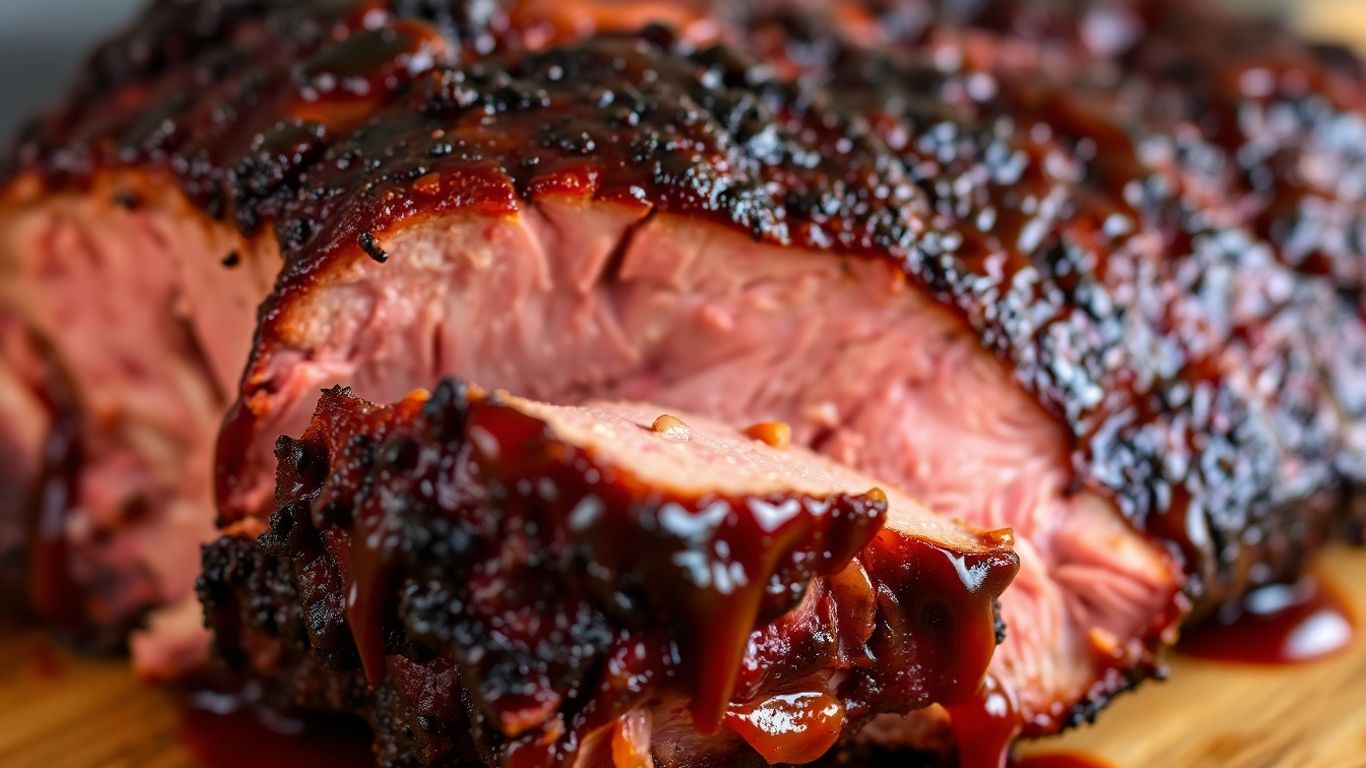
Barbecue is getting a makeover, and it’s not just about lighter sauces. People are thinking more about what goes into their bodies, and that includes their favorite smoked meats. We’re seeing a shift towards leaner cuts, and chefs are getting creative with how they trim fat without losing that signature smoky flavor. It’s about finding a balance, you know? Making BBQ something you can enjoy more often without feeling guilty.
Vegetarian and Vegan BBQ Options
This is a big one. For a long time, if you were vegetarian or vegan, BBQ joints weren’t exactly your go-to spot. But that’s changing fast. Chefs are experimenting with all sorts of plant-based alternatives that can stand up to the smoky treatment. Think grilled portobello mushrooms that soak up marinade like a sponge, jackfruit that mimics pulled pork texture, or even cauliflower steaks that get a nice char. It’s about making sure everyone can get in on the smoky goodness, no matter their diet.
The Digital Age of BBQ: Online Communities and Resources
Remember when you had to find a grizzled old pitmaster in a smoky shack to get the real secrets? Well, those days are fading. The internet has opened up a whole new world for BBQ lovers. There are forums where people share tips, YouTube channels breaking down complex techniques, and social media groups dedicated to everything from brisket perfection to the best way to clean your grill. It’s like having a whole community of BBQ enthusiasts at your fingertips, ready to help you out. This digital connection is making BBQ more accessible and learnable than ever before.
The way we learn and share BBQ knowledge has completely transformed. What used to be passed down through generations in person is now available with a few clicks. This accessibility means more people are trying their hand at smoking meats, leading to a wider variety of styles and a general improvement in home cooks’ skills across the board. It’s a really exciting time for anyone who loves barbecue.
Barbecue Equipment and Techniques
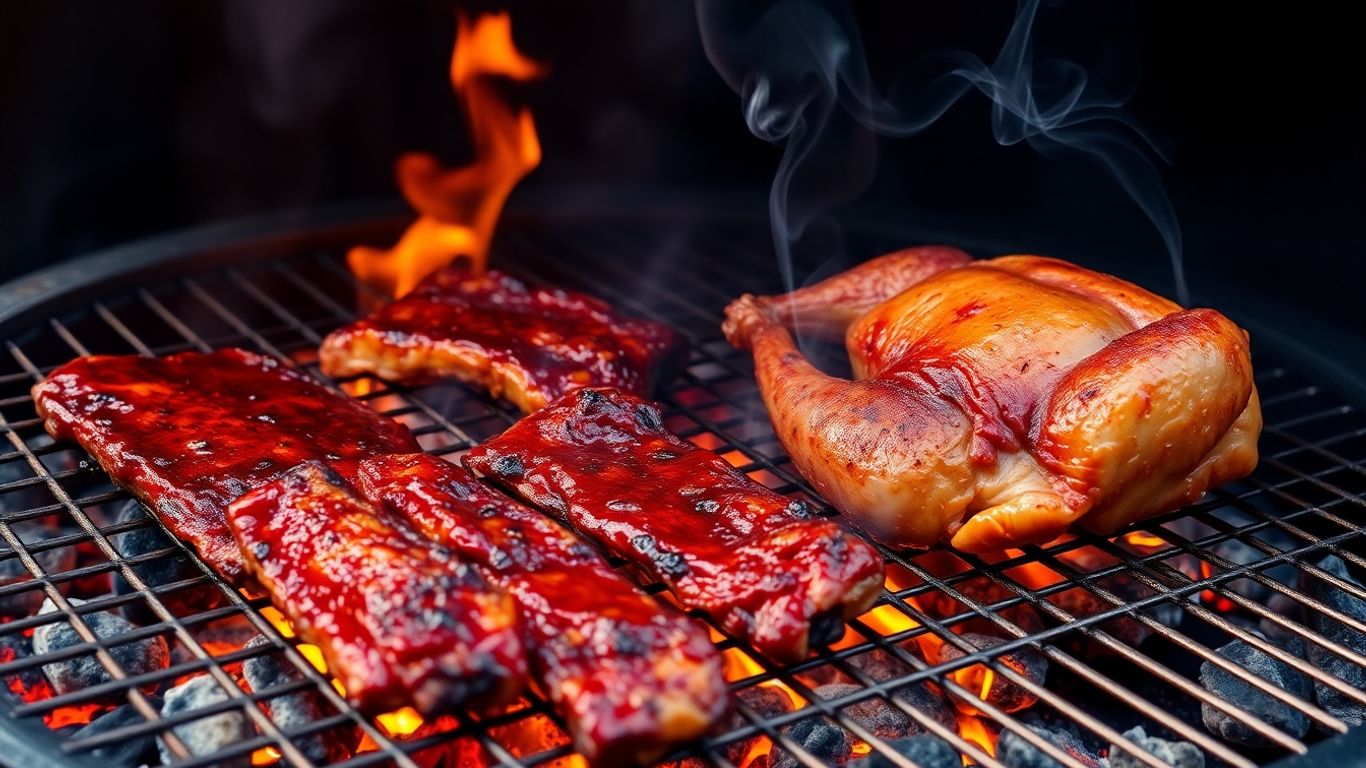
Getting your barbecue setup right is half the battle, and honestly, it’s not as complicated as some folks make it out to be. You don’t need a million fancy gadgets to make some seriously good food. It’s more about understanding the basics and using the tools you have effectively. The right equipment and a solid technique can make all the difference between a good meal and a great one.
Choosing the Right Smoker or Grill
When you’re looking to buy, think about what you’ll be cooking most often. Are you all about low-and-slow ribs, or do you prefer quick burgers and steaks? For serious smoking, offset smokers are the classic choice, giving you that authentic smoky flavor. Kettle grills are super versatile, great for both direct grilling and indirect smoking if you set them up right. Kamado-style ceramic cookers are fantastic for holding steady temperatures and can do just about anything. Pellet grills offer convenience with temperature control that’s almost like an oven, but some purists say they don’t quite capture the same wood-fired essence.
Essential Grilling and Smoking Tools
You’ll want a few key items to make your life easier. A good chimney starter is a must for getting your charcoal going without any weird chemical tastes. Tongs are your best friend for flipping and moving food. A reliable instant-read thermometer is non-negotiable for checking doneness – no more guessing! For smoking, consider a water pan to help keep things moist and a drip pan to catch the grease. And don’t forget a sturdy brush for cleaning your grates after each use.
Tips for Achieving Perfect Results
One of the biggest secrets to great barbecue is temperature control. Most folks get it wrong by piling all the coals in one spot. Instead, try a two-zone setup: pile your coals on one side of the grill, leaving the other side empty. This gives you a hot zone for searing and a cooler zone for slow cooking. This way, you can move your food around to manage the heat.
When it comes to wood, lump charcoal burns hotter and cleaner, offering a more pure wood flavor, but it can be a bit unpredictable in size. Briquettes are uniform, hold heat longer, and give that nostalgic backyard cookout taste that many people love. Both have their place, depending on what you’re going for.
Here’s a quick rundown on fuel:
- Lump Charcoal: Burns hotter, cleaner flavor, less ash. Good for high-heat searing.
- Briquettes: Uniform size, longer burn time, classic flavor. Great for consistent low-and-slow cooking.
- Wood Chunks/Logs: Add specific smoke flavors. Pecan, oak, and hickory are popular choices. Start with smaller pieces and build up.
Avoid lighter fluid at all costs; it can leave a chemical taste on your food. A chimney starter is the way to go for a clean, even burn. And remember, airflow is key – keep those vents open to feed the fire and develop good smoke.
The Future of American Barbecue
Sustainability in Barbecue
Barbecue is looking at its environmental footprint, and honestly, it’s about time. People are starting to think more about where their meat comes from and how it’s raised. This means more support for local farms that use better practices, and maybe even a shift towards cuts of meat that are more sustainable. We’re also seeing a rise in using wood from responsibly managed forests, or even reclaimed wood, for smoking. It’s not just about the taste anymore; it’s about doing right by the planet.
The Next Generation of Pitmasters
There’s a whole new crew of pitmasters stepping up, and they’re bringing fresh ideas to the table. These folks aren’t afraid to experiment, blending traditional techniques with modern twists. They’re learning from the old guard but also pushing boundaries, creating unique flavor profiles that keep things exciting. You’ll see them on social media, sharing their journeys and inspiring others to get in on the action. It’s a vibrant scene, and it’s awesome to watch.
Barbecue’s Enduring Appeal
No matter how much things change, the heart of barbecue stays the same: bringing people together. It’s still about that slow-cooked meat, the smoky aroma, and sharing a meal with friends and family. Whether it’s a backyard cookout or a big competition, barbecue has this way of creating connections. It’s more than just food; it’s an experience, a tradition, and a celebration. That fundamental appeal isn’t going anywhere. It’s a constant in our ever-changing world, a reliable source of comfort and good times.
The BBQ Journey Continues
So, American BBQ has come a long way, right? From its deep roots to the way folks are mixing things up today, it’s clear this isn’t just food, it’s a whole experience. Whether you’re a purist sticking to tradition or someone experimenting with new flavors and techniques, there’s always something new to learn and taste. It’s pretty cool how something as simple as cooking meat over fire can bring people together and keep evolving. Keep that grill hot and keep exploring what BBQ has to offer!
Frequently Asked Questions
What is American BBQ?
American BBQ is a way of cooking meat, usually pork or beef, low and slow over wood smoke. It’s not just about the food, but also a big part of American culture, with different regions having their own special ways of making it.
Where did BBQ start in America?
The roots of BBQ go way back to Native Americans and were influenced by Spanish and Caribbean cooking methods. Early Americans cooked meat over pits, which is where the idea of slow cooking came from.
What are the main regional BBQ styles?
There are several famous styles! The Carolinas are known for vinegar-based sauces, Texas for its amazing brisket, Kansas City for sweet and smoky flavors, and Memphis for dry-rubbed ribs and pulled pork.
How has BBQ changed over time?
BBQ has evolved a lot! After World War II, backyard grilling became popular. Later, cooking competitions and famous pitmasters helped spread its fame. Now, chefs are trying new things, and there’s even BBQ for vegetarians and vegans.
What makes BBQ taste so good?
The flavor comes from smoking the meat slowly with different kinds of wood, like hickory or oak. Getting the temperature just right and choosing the best wood are key to that delicious smoky taste.
Can I make good BBQ at home?
Absolutely! You need the right equipment, like a smoker or grill, and some basic tools. Learning how to control the heat and manage your fire is important, but it’s definitely something you can master with practice.
Is BBQ healthy?
Traditional BBQ can be heavy, but people are finding healthier ways to enjoy it. This includes using leaner meats, adding more vegetables, and offering plant-based options like grilled mushrooms or jackfruit.
What’s the future of BBQ?
The future looks exciting! We’re seeing more focus on sustainable cooking, new talented pitmasters stepping up, and BBQ continuing to be a beloved part of gatherings and celebrations across America.