
Getting the right wood smoke pairing with meats can really change your barbecue game. It’s not just about throwing any old log on the fire. The type of wood you choose affects the flavor, and knowing which wood goes with which meat is pretty important if you want good results. We’ll break down the science a bit and talk about what works best.
Key Takeaways
- Different woods bring different flavors, and some pair better with certain meats than others.
- Understanding the stages of wood burning helps you get the best smoke flavor.
- Aim for clean blue smoke; thick white or black smoke can make your food taste off.
- Certain woods should be avoided for smoking because they taste bad or are even toxic.
- Mixing woods can create more complex flavors, but it’s good to try single woods first to learn their individual tastes.
Understanding Wood Smoke for Optimal Flavor
Getting the smoke right is a big part of making barbecue taste amazing. It’s not just about throwing some wood on the fire; there’s actually some science to it. The kind of smoke you get really changes how your meat turns out, so knowing what to look for makes a huge difference. The goal is to produce clean, flavorful smoke that complements your food, not overpowers it.
The Science Behind Wood Combustion Stages
Wood doesn’t just burn; it goes through different phases as it heats up. Each stage releases different compounds, and some are way better for cooking than others. Understanding these stages helps you manage your fire to get the best flavor.
- Stage 1: Evaporation and Dehydration: This happens below 500°F. The wood releases its moisture as steam. No real flavor is added here, it’s just the wood drying out.
- Stage 2: Pyrolysis and Gasification: Between 500°F and 700°F, the wood starts to break down chemically. This is where you get a lot of gases, volatile compounds, and that thick, white smoke. This smoke often contains creosote and acids, which can make your food taste bitter or acrid. It’s a sign the fire isn’t burning cleanly.
- Stage 3: Combustion: This is the sweet spot, ideally happening between 700°F and 1000°F. Here, the wood is burning efficiently with plenty of oxygen. This stage produces the desirable blue smoke, which is full of aromatic compounds like phenols that give meat that classic smoky flavor. You want to keep your fire in this zone as much as possible.
- Stage 4: Ash: Eventually, the wood burns down to ash. This stage doesn’t contribute to flavor.
Managing your fire to stay in the combustion stage is key. It means having enough airflow and a hot enough fire to burn off the undesirable compounds before they reach your food.
Identifying Desirable Blue Smoke
When you see thin, wispy smoke that’s a light blue or almost clear color, that’s usually a good sign. This blue smoke means the wood is burning hot and clean, with lots of oxygen. It’s packed with those tasty aromatic compounds that we want on our meat. Think of it as the good stuff. It’s subtle, adds complexity, and doesn’t leave a harsh taste.
Avoiding Acrid White and Black Smoke
Now, thick white or black smoke? That’s generally what you want to avoid. This kind of smoke usually happens when the wood isn’t getting enough oxygen, or the fire isn’t hot enough. It’s a sign of incomplete combustion. This smoke is often loaded with creosote, which is a tar-like substance that can make your food taste bitter, sooty, and just plain unpleasant. If you see a lot of white smoke billowing out, it’s usually best to try and increase your airflow to get the fire burning hotter and cleaner.
Exploring Popular Wood Smoke Pairing with Meats
When you’re getting into smoking meats, figuring out which wood to use can feel like a big decision. It’s true, different woods bring different flavors to the table, and some just work better with certain types of meat. Think of it like picking the right spice for a dish; you wouldn’t use cinnamon on a steak, right? The same idea applies here.
There’s a whole lot of talk in the BBQ world about the ‘perfect’ wood for this meat or that. Honestly, a lot of it comes down to what you like. But there are some general ideas that most folks agree on, and it’s a good place to start. You’ll find that fruit woods like apple and cherry tend to be on the milder, sweeter side, which is great for things like pork or chicken. Then you have the stronger woods, like hickory and mesquite, which have a more robust flavor that can stand up to beef or pork ribs.
| Wood Type | Flavor Profile |
|---|---|
| Alder | Mild, delicate, slightly sweet |
| Apple | Light, sweet, fruity |
| Cherry | Subtle, sweet, fruity, can add a rosy hue |
| Hickory | Strong, sweet, bacony |
| Maple | Mild, subtly sweet, balanced |
| Mesquite | Very strong, earthy, spicy |
| Oak | Medium, traditional, bold but not overpowering |
| Pecan | Strong, sweet, nutty |
It’s interesting how much people debate these pairings. Some pitmasters are really particular, while others are more laid-back. My own experience, after years of playing around with smoke, is that while the wood does make a difference, the other flavors you add – like rubs, marinades, and sauces – can sometimes mask the subtler wood notes. Still, getting the wood right is a big part of the fun.
Here are some general guidelines that most people find work well:
- For Pork: Sweet fruitwoods like apple or cherry are classics. Hickory is also a go-to, giving that familiar smoky, bacony taste. Pecan offers a nice nutty sweetness.
- For Beef: Oak and mesquite are popular choices for their stronger flavors that complement beef well. Hickory is also a solid option.
- For Poultry and Fish: Milder woods are usually best here. Alder, apple, or cherry work nicely without overpowering the delicate meat. You can even try something like maple wood for a subtle sweetness.
Ultimately, the best way to find your favorite pairings is to experiment. Start with a couple of different woods and see what you enjoy most. Don’t be afraid to mix them either; that’s where some really interesting flavors can come from.
Flavor Profiles of Common Smoking Woods
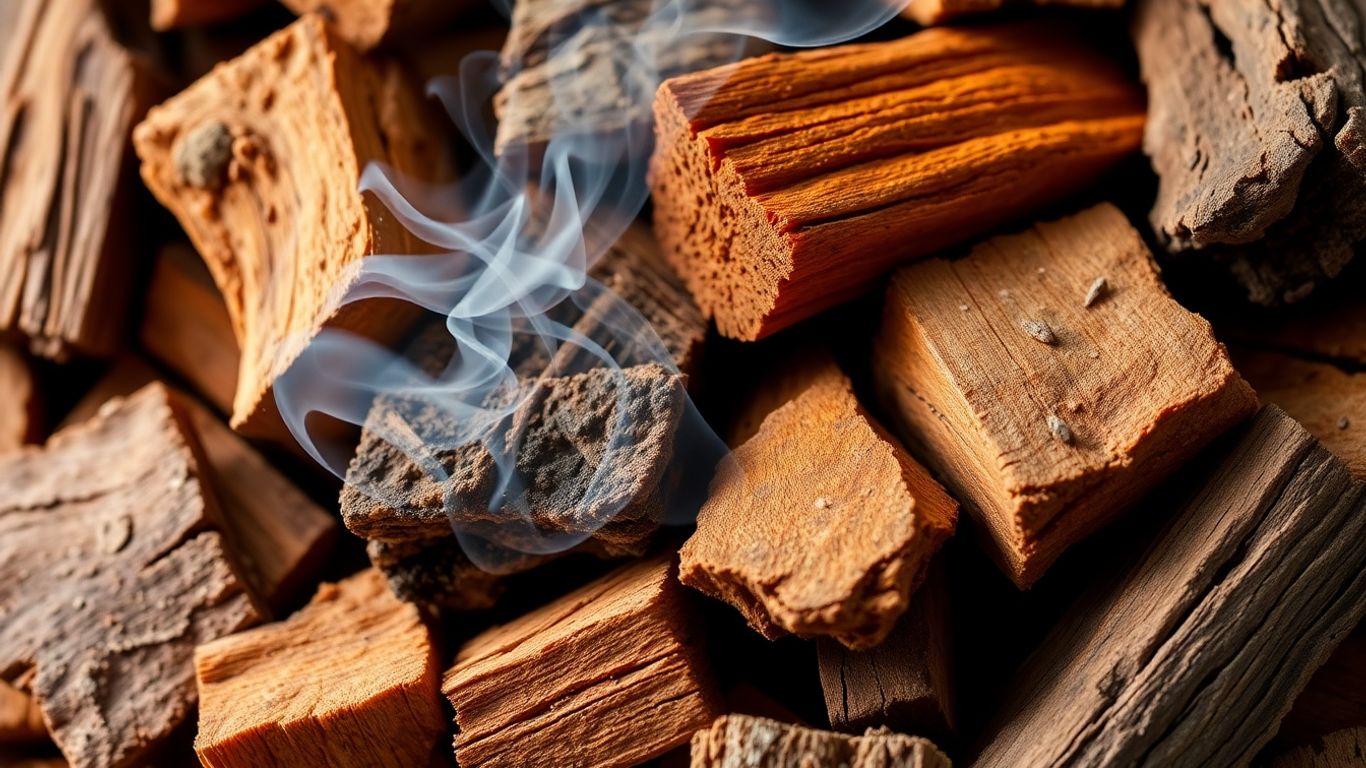
Choosing the right wood for smoking is like picking the perfect spice for a dish; it can totally change the outcome. Different woods burn at different rates and produce smoke with distinct flavor notes. Some are light and sweet, perfect for delicate fish, while others are bold and earthy, standing up well to hearty cuts of beef. It’s not just about adding smoke; it’s about adding a specific kind of flavor that complements your food.
Mild and Light Woods: Alder and Fruitwoods
These woods are your go-to for lighter fare. Alder, for instance, has a very subtle, slightly sweet taste that’s fantastic with fish, especially salmon, and also works well with poultry. Fruitwoods like apple and cherry are also in this category. Apple wood offers a mild sweetness that’s great for pork and poultry, and cherry wood brings a touch of fruitiness along with a beautiful rosy color to meats. They’re generally forgiving, meaning it’s harder to over-smoke your food with them.
- Alder: Delicate, slightly sweet, musky. Ideal for fish and poultry.
- Apple: Light, sweet, fruity. Pairs well with pork, poultry, and beef.
- Cherry: Subtle, sweet, fruity, can add a reddish hue. Good for poultry, pork, and beef.
- Peach/Pear: Similar to apple, offering a mild sweetness and fruitiness.
These lighter woods are great for beginners because their smoke is less likely to overpower the food. You can often use them more liberally without harsh results.
Medium Woods: Oak and Hickory
Oak is a classic for a reason. It provides a traditional, somewhat robust flavor that’s not too aggressive. It’s a versatile wood that works with almost anything, from beef brisket to pork ribs and even cheese. Hickory, on the other hand, is where things start to get a bit bolder. It’s known for its strong, bacon-like flavor that’s a favorite for pork and beef. However, hickory can be a bit much if you’re not careful, so it’s often recommended to mix it with milder woods like oak or fruitwoods to balance the intensity.
- Oak: Traditional, medium-strong, slightly earthy. A great all-rounder for beef, pork, and poultry.
- Hickory: Bold, strong, smoky, with a bacon-like quality. Excellent for pork, ribs, and beef.
| Wood | Flavor Profile | Best Pairings |
|---|---|---|
| Oak | Medium, traditional, slightly sweet, earthy | Beef, Pork, Lamb, Poultry, Fish, Cheese |
| Hickory | Strong, smoky, bacon-like, can be pungent | Pork, Ribs, Beef, Game |
Strong Woods: Mesquite and Pecan
Mesquite is the heavyweight champion of smoking woods. It has a very intense, earthy, and spicy flavor that can be quite potent. Because of its strength, it’s best used sparingly, especially with more delicate meats. It’s often favored for quick cooks or for adding a powerful punch to beef. Pecan is another strong contender, similar to hickory but generally a bit milder and sweeter with a nutty undertone. It’s a fantastic all-purpose wood that brings a rich flavor to pork, beef, and poultry without being overly aggressive like mesquite can be.
- Mesquite: Very strong, earthy, spicy. Best for beef and quick cooks, use with caution.
- Pecan: Strong, sweet, nutty. A good alternative to hickory, works well with pork, beef, and poultry.
Mesquite is powerful; use it like you would a strong spice – a little goes a long way.
Best Woods for Smoking Beef
Beef, with its robust flavor and dense texture, can handle a good amount of smoke. When you’re smoking a big cut like a brisket or a chuck roast, you want a wood that won’t get lost in the shuffle. Think of it like seasoning – you need enough to make a difference. Some woods are just too mild and will leave your beef tasting like it was just cooked in the oven, which is a real bummer after all that time.
Hickory, Oak, and Mesquite for Brisket
Hickory is a classic for a reason. It brings a strong, savory flavor that really complements beef. It’s not too sweet, not too bitter, just a solid smoky backbone. Oak is another fantastic choice, offering a more balanced, medium-strength smoke that’s a bit smoother than hickory. It’s a real all-rounder that works with pretty much anything, but it’s especially good with beef. Then there’s mesquite. This stuff is potent. It’s got a really intense, earthy flavor that’s perfect for beef if you like a bold smoke. You have to be careful with mesquite, though; too much and it can easily overpower the meat, making it taste acrid. It’s best used in moderation or mixed with milder woods, especially for longer cooks.
Cherry and Apple for a Rosy Hue
If you’re aiming for that beautiful pinkish-red smoke ring and a slightly sweeter profile, fruitwoods like cherry and apple are your friends. Cherry wood, in particular, is known for giving beef a lovely reddish tint, making it look as good as it tastes. The flavor from these woods is much milder and sweeter than hickory or oak, so they’re great if you want a more subtle smoky taste or if you’re mixing them with stronger woods. They add a nice fruity note that can cut through the richness of the beef.
Maple and Pecan as Versatile Choices
Maple and pecan woods are kind of in the middle ground, offering a nice balance. Maple has a mild to medium sweetness that’s not as pronounced as fruitwoods but still pleasant. It’s a good choice if you want a bit of sweetness without being overly fruity. Pecan is similar to hickory but a bit milder and sweeter, with a nutty undertone. It’s a great all-purpose wood that works well with beef, giving it a good smoky flavor that’s not too aggressive. Both maple and pecan are good options if you’re not sure where to start or if you want a wood that’s not going to dominate the beef’s natural flavor.
Ideal Wood Smoke Pairing with Meats: Pork and Ribs
Pork and ribs, they’re like the chameleons of the BBQ world, right? They just seem to get along with pretty much any kind of wood smoke you throw at them. It’s kind of why they’re so popular for smoking. You can go sweet, you can go bold, or you can find a nice middle ground. It really just depends on what you’re feeling that day.
Sweet Fruitwoods for Pork
When you think of pork, especially a nice pork shoulder or a tenderloin, fruitwoods often come to mind first. Woods like apple, cherry, and even peach give off this light, sweet smoke. It’s not aggressive at all. It just sort of kisses the meat with a subtle fruity note that’s really pleasant. This mild sweetness complements the natural richness of pork without overpowering it. It’s a great starting point if you’re new to smoking pork or if you just prefer a less intense smoke flavor. Cherry wood is particularly nice because it can also give the meat a really attractive rosy color, which is a nice visual bonus.
Bolder Smokes for Ribs
Now, ribs, especially pork ribs, can handle a bit more punch. While fruitwoods are still an option, many folks like to step it up a notch. Hickory is a classic for ribs. It’s got that strong, almost bacon-like flavor that just screams barbecue. Oak is another solid choice, offering a more balanced, medium-strength smoke that’s a bit more universal. Pecan is also a favorite for many, providing a flavor that’s a bit sweeter than hickory but still robust enough for ribs. These woods stand up well to the often more aggressive rubs and sauces you might use on ribs.
Pork’s Versatility with Various Woods
Honestly, the beauty of pork is its adaptability. You can use milder woods like alder or even some of the lighter fruitwoods for a delicate flavor. Then you can move up to medium woods like oak, maple, or pecan for a more traditional smoke. And yes, even mesquite can be used, though you have to be careful with it – too much mesquite can easily overwhelm pork, so it’s best used in small amounts or mixed with other woods. It really comes down to personal preference and what kind of flavor profile you’re aiming for. Don’t be afraid to experiment a little; that’s half the fun of smoking pork!
Smoking Chicken and Delicate Meats
When you’re smoking chicken or other lighter fare like fish, you’ve got to be a bit more careful with your wood choice. These foods are pretty easy to overpower, so you want to steer clear of the heavy hitters you might use for beef or pork. Think of it like seasoning; you add a little salt to bring out the flavor, not so much that it’s all you taste. The same goes for smoke.
Mild Woods for Poultry and Fish
For chicken, turkey, and fish, mild, sweet woods are your best bet. They add a pleasant smoky note without masking the natural taste of the meat or fish. Alder is often considered the top choice for fish because it’s so balanced and doesn’t overwhelm. Fruitwoods like apple and cherry are also fantastic for poultry, giving a subtle sweetness and a nice color, especially cherry which can give a rosy hue. Maple and pecan are good all-rounders too, offering a gentle smoke that works well across the board.
- Alder: A classic for fish, very mild.
- Apple: Sweet and light, great for chicken and pork.
- Cherry: Adds a touch of sweetness and a beautiful reddish tint.
- Maple: A versatile, medium-light smoke.
- Pecan: Similar to hickory but milder, with a nutty sweetness.
Avoiding Overpowering Smoke
It’s really easy to go too heavy with smoke on delicate items. You don’t want your chicken to taste like a campfire. The goal is a subtle aroma that complements the food. If you’re using a stronger wood like hickory, use it sparingly, maybe just a small chunk or a few chips mixed with a milder wood. Remember, you can always add more smoke flavor later if you feel it’s needed, but you can’t take it away once it’s there. It’s better to under-smoke than over-smoke when dealing with lighter meats.
Building enough smoke to create flavor takes time. On a thin piece of chicken breast, there will be much less smoke flavor than on a thicker cut because the chicken needs to be cooked longer. Meat continues to absorb smoke throughout the cooking process, though the rate slows down as it cooks.
Subtle Flavors for Delicate Foods
When smoking, especially for longer periods, you want to ensure the wood is producing that desirable thin blue smoke. Thick white or black smoke can impart bitter or acrid flavors that will ruin delicate foods. For items like fish or chicken breasts, you’ll want to smoke for the entire duration of the cook. This allows the subtle smoke flavor to build up gradually. For larger poultry like a whole turkey, you might start with a milder wood and perhaps introduce a slightly bolder one later in the cook if you desire a bit more smoke presence, but always keep an eye on that smoke color. Experimenting with different wood combinations can also help achieve a nuanced flavor profile that suits these lighter proteins perfectly. You can check out some great wood pairings for chicken at smoking chicken.
The Art of Mixing Smoking Woods
So, you’ve gotten the hang of single woods, and now you’re ready to get a little more adventurous with your smoke. That’s where mixing comes in. It’s like being a flavor DJ, blending different notes to create something totally new. The real magic happens when you combine woods with different flavor profiles. Think about it – you can take the sweet, fruity notes from apple or cherry and pair them with the more robust, earthy flavors of oak or hickory. This creates a more complex and layered smoke that can really make your meat sing.
It’s not just about throwing random woods together, though. There’s a bit of an art to it. You want to balance things out. Too much of a strong wood, like mesquite, can easily overpower everything else, leaving your food tasting bitter. On the other hand, a smoke that’s too mild might get lost once you’ve got all your rubs, marinades, and sauces on the meat. It’s a balancing act, really.
Here are a few ideas to get you started:
- Fruity & Earthy: Try mixing apple or cherry with oak. This gives you that pleasant fruitiness alongside a solid, medium smoke. It’s a great all-around blend for pork or chicken.
- Sweet & Nutty: Combine pecan with a touch of apple or cherry. Pecan has a nice nutty flavor that’s similar to hickory but a bit milder, and the fruitwood adds a touch of sweetness.
- Bold & Complex: For beef, you might want to try a mix of hickory and a smaller amount of mesquite. This gives you a strong, smoky base with a little extra kick.
Remember, smoke is an ingredient, just like salt or pepper. Don’t be afraid to experiment and find what you like best. Start with small amounts of one wood and add more of another until you get the flavor you’re aiming for. It’s all about playing around and discovering your own signature smoke blend.
When you’re mixing, keep in mind how the woods will interact. Some combinations are classics for a reason. For example, a 50/50 split of oak and cherry is fantastic for beef, giving it a great flavor and a really appealing color. Another popular choice is mixing fruitwoods like apple or cherry with stronger woods like oak, hickory, or pecan. This way, you get a bit of everything – sweet, fruity, earthy, and spicy notes all in one smoke. It’s a way to cover all your flavor bases and add a beautiful hue to your meats, especially with cherry wood.
Woods to Avoid for Smoking Meats
Softwoods and Their Nasty Smoke
When you’re getting ready to smoke some meat, the kind of wood you choose really matters. Some woods just don’t cut it and can actually ruin your food or even make you sick. First off, steer clear of softwoods. Think pine, fir, cedar, and spruce. These trees have a lot of sap and stuff called terpenes, which create a sooty, acrid smoke. It doesn’t taste good, and honestly, it’s not great for you either. It’s like trying to cook with a dirty chimney – just not the right flavor profile.
Toxic Woods and Irritating Vapors
Beyond the softwoods, there’s a whole list of other trees you should avoid. Some woods are outright poisonous, and others can release really irritating fumes when they burn. You definitely don’t want that getting into your food or your lungs. This includes woods like yew, oleander, and anything that might have come into contact with poison ivy. Even if a wood isn’t toxic, if it smells weird or off, it’s probably best to leave it alone. That strange smell will likely transfer to your meat, and nobody wants that.
Here’s a quick rundown of some woods to keep out of your smoker:
- Aspen
- Cypress
- Eastern Cedar
- Elm
- Eucalyptus
- Fir
- Hemlock
- Laburnum
- Liquidambar
- Locust
- Mangrove
- Oleander
- Pine
- Poisonous Walnut
- Redwood
- Sassafras
- Spruce
- Sycamore
- Tamarack
- Tambootie
- Yew
Chemically Treated or Contaminated Wood
This is a big one, and it’s all about safety. Never, ever use wood that has been treated with chemicals. This includes lumber scraps, pallet wood, or anything that might have preservatives, pesticides, herbicides, or fungicides on it. Painted, stained, or varnished wood is also a no-go. When these chemicals burn, they release toxic fumes that will contaminate your food and can be seriously harmful. Even wood that’s starting to rot or has mold on it should be avoided, as those can also produce harmful toxins when burned. If you don’t know where the wood came from or what it’s been exposed to, it’s just not worth the risk.
Always err on the side of caution when selecting your smoking wood. If there’s any doubt about its origin or treatment, it’s better to find a different source. Your health and the taste of your food depend on it.
Practical Advice for Wood Smoke Pairing with Meats
Alright, so you’ve got your smoker fired up and a beautiful cut of meat ready to go. Where do you even start with the wood? It can feel a bit overwhelming with all the choices out there, but let’s break it down into some simple steps to get you smoking like a pro.
Starting with Mild and Medium Woods
If you’re new to this whole smoking game, or even if you’ve been at it a while but want to play it safe, sticking with mild and medium woods is a solid plan. Think fruitwoods like apple or cherry, or even a good all-rounder like oak. These give you a nice, gentle smoke that’s not going to punch you in the face. It’s way easier to add more smoke flavor later if you feel like it, than it is to try and fix meat that tastes like you accidentally dropped a whole log in the smoker. Seriously, I learned that the hard way with some chicken once. It was… memorable, but not in a good way.
Experimenting with Single Species First
Before you start going wild with wood blends, do yourself a favor and get to know individual woods. Pick one type of wood, like hickory, and use it for a few cooks. See how it pairs with different meats. Does it work well with pork ribs? How about beef brisket? Once you’ve got a feel for what a single wood does, then you can start thinking about mixing things up. It’s like learning your ABCs before you write a novel. You need to understand the building blocks first.
Sourcing Local and Affordable Woods
Don’t stress too much about finding some super exotic wood from halfway across the world. Some of the best smoking wood is often right in your backyard, or at least available locally. Check out local sawmills, landscaping companies, or even just trees in your own yard (as long as they haven’t been treated with anything weird). Not only is this usually cheaper, but you’re also supporting local businesses and reducing your carbon footprint. Plus, local wood often means you know exactly what you’re getting.
The truth is, after all the marinades, rubs, and hours on the smoker, distinguishing between subtle wood smoke differences can be tough. Focus on getting a good, clean smoke from woods you can easily get your hands on. That’s where the real magic happens.
Here’s a quick rundown of some common pairings to get you started:
- Mild Woods (Great for Beginners & Delicate Meats):
- Alder: Fantastic for fish and poultry.
- Apple: Sweet and light, works with pork, poultry, and even beef.
- Cherry: Adds a nice color and a mild, fruity flavor, good for most meats.
- Medium to Strong Woods (For Robust Flavors):
- Oak: A classic, good for beef, pork, and ribs.
- Hickory: Bold and smoky, a go-to for ribs and pork.
- Pecan: Similar to hickory but a bit milder, great for pork and beef.
- Mesquite: Use sparingly! It’s very strong and best for beef or pork when you want a serious smoky punch.
Beyond Flavor: The Smoke Ring Phenomenon
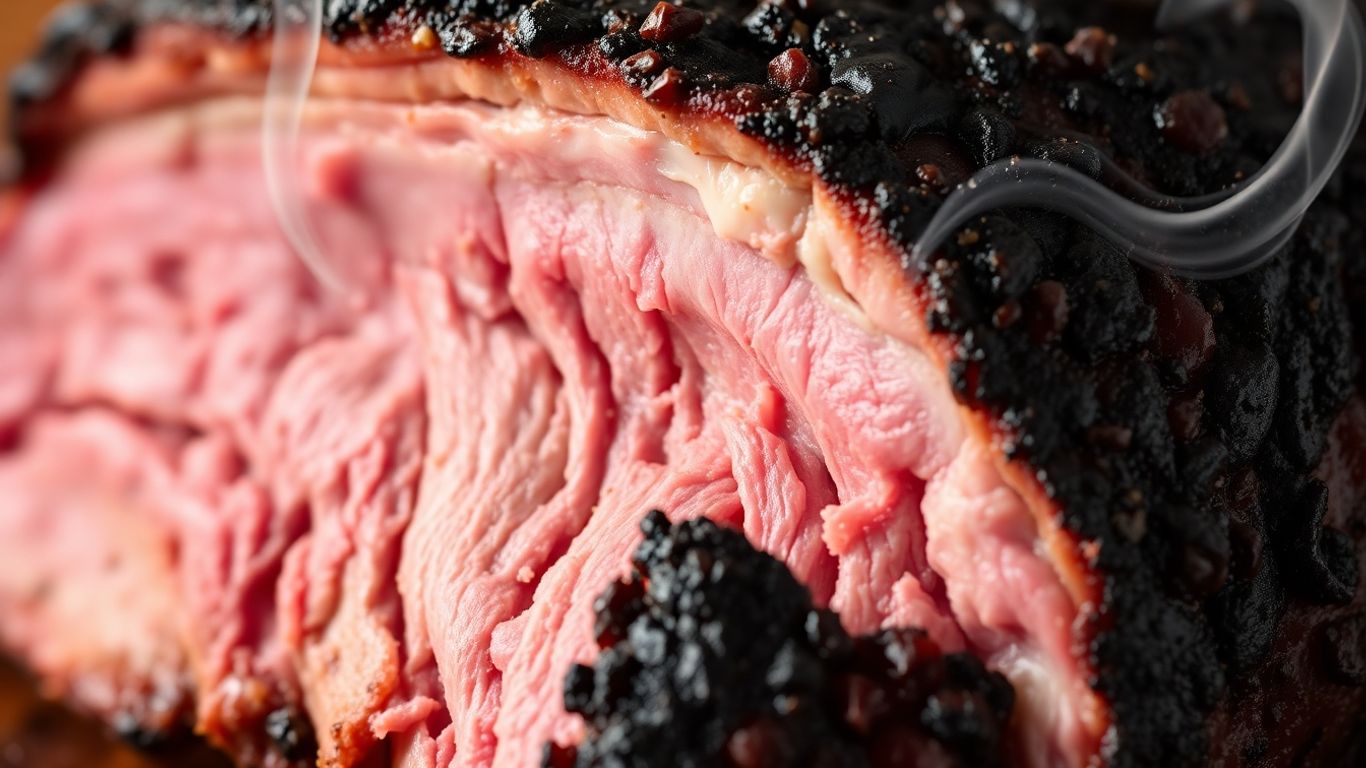
So, you’ve probably seen it – that cool pinkish ring just under the surface of a perfectly smoked brisket or pork shoulder. It’s called the smoke ring, and while some folks think it means the meat is undercooked, that’s totally not the case. It’s actually a sign that your barbecue has been done right.
Understanding Nitric Oxide’s Role
When wood burns, especially during the middle stages of combustion, it releases gases. One of these is nitric oxide. This gas then mixes with the moisture present in the meat. Inside the meat, there’s something called myoglobin. It’s what gives meat its red color, kind of like hemoglobin in our blood. Myoglobin holds onto oxygen in the muscle cells. When the nitric oxide from the smoke gets into the meat, it reacts with the myoglobin. This reaction creates a new compound that’s pink. This chemical interaction is what creates the visible smoke ring.
The Science Behind the Pink Band
Think of it like this: the smoke is essentially penetrating the outer layer of the meat. As it goes in, the nitric oxide latches onto the myoglobin. This locks in that pink color, even as the rest of the meat cooks and turns brown. The thickness of this ring can vary, usually from a few millimeters up to about a centimeter. It really depends on a few things, like how much smoke you’re using and how long the meat is exposed to it. It’s a neat little science experiment happening right in your smoker!
Smoke Ring’s Impact on Flavor
Now, does the smoke ring actually change the taste? Not directly, really. The flavor comes from all the other compounds in the smoke that are absorbed by the meat. However, the presence of a good smoke ring often means you’ve had a good amount of smoke interacting with the meat for a decent amount of time. So, while it’s not a flavor ingredient itself, it’s a pretty good indicator that the smoke has done its job. It’s a visual cue that you’re on the right track for that classic barbecue taste. Getting that perfect ring is a bit of an art, and it shows you’ve managed the smoke well. You can even check out some tips on how to get a better smoke ring if you’re curious.
Here’s a quick rundown of factors affecting the smoke ring:
- Wood Type: Different woods produce varying amounts of nitric oxide.
- Temperature: Lower temperatures generally allow for better smoke penetration.
- Meat Surface: A moist surface helps smoke adhere better than a dry one.
- Rub: A good rub can help break up the boundary layer of air around the meat, allowing smoke to reach the surface more easily.
- Time: Longer smoking times usually result in a more pronounced ring.
Wrapping It Up: Your Wood Smoking Journey
So, we’ve talked a lot about wood smoke and how it can really change your barbecue game. It turns out that not all smoke is created equal – you want that clean, blue stuff, not the thick, white, or black smoke that can make your food taste bitter. When it comes to picking your wood, think about the meat you’re cooking. Lighter woods like apple or cherry are great for chicken and fish, while stronger woods like oak or hickory can handle beef and pork. Don’t be afraid to mix them either to get just the right flavor. Ultimately, though, a lot of this comes down to what you like best. Start with a couple of common woods, see how you like them, and then branch out. The most important thing is to have fun experimenting and enjoying some seriously tasty smoked food.
Frequently Asked Questions
What’s the difference between good and bad smoke when smoking meat?
Good smoke, often called blue smoke, is thin and almost clear. It means the wood is burning cleanly and creating tasty flavor. Bad smoke is thick, white, or even black. This smoke has a bitter taste and can make your food taste unpleasant because it’s full of unburned stuff.
Which types of wood are best for smoking beef, like brisket?
Beef, especially tough cuts like brisket, can handle strong smoke flavors. Woods like hickory, oak, and mesquite are great choices. Cherry and apple wood can also be used, and they give the meat a nice reddish color.
What woods should I use for smoking pork and ribs?
Pork and ribs go well with a variety of woods. Sweeter fruit woods like apple, cherry, or peach give a nice flavor. For a bolder taste, hickory, pecan, or even a little mesquite work well. Pork is pretty forgiving, so you can experiment a lot!
Can I mix different kinds of wood when smoking?
Absolutely! Mixing woods is a popular way to create unique and complex flavors. You can blend sweet fruit woods with stronger woods like oak or hickory to get a balanced taste. It’s like creating your own special smoke recipe.
Are there any woods I should absolutely avoid for smoking meat?
Yes, definitely. You should never use softwoods like pine or cedar because they create a sooty, bad-tasting smoke. Also, avoid any wood that’s treated with chemicals, painted, or looks rotten, as these can be harmful or make your food taste terrible.
How do I know which wood is right for chicken or fish?
Chicken and fish have delicate flavors, so they need mild woods. Alder and fruit woods like apple or cherry are perfect. They add just a hint of smoke without overpowering the meat. Stronger woods would make them taste bitter.
What is the smoke ring, and does it affect the taste?
The smoke ring is that pretty pinkish-red band you sometimes see on the outside of smoked meat. It happens because of a chemical reaction in the smoke and the meat’s proteins. While it looks cool, it doesn’t really change the flavor of the food.
What’s the best way to start if I’m new to smoking wood?
If you’re just starting out, it’s best to begin with milder or medium woods like apple, cherry, or oak. Try using just one type of wood at first to get a feel for its flavor. Once you’re comfortable, you can start trying other woods or mixing them.