
Alright, so you’re in Texas and you want to smoke some meat. Awesome. But what wood should you even use? It’s not like you can just grab any old branch from the backyard. Different woods give you different flavors, and some are just better suited for the kind of slow cooking we do here. I’ve been digging around and talking to folks, and there are definitely some top smoking woods in Texas that stand out. Let’s break down what works best.
Key Takeaways
- Post oak is the go-to for Central Texas BBQ, offering a mild, sweet flavor that’s great for brisket and builds a good bark.
- Hickory brings a stronger, slightly sweet and nutty flavor, often associated with pork and ribs, and is common in East Texas.
- Mesquite is popular in West and South Texas for its potent, earthy flavor, but it burns fast and can turn bitter if used too much.
- Pecan wood provides a mild, sweet smoke that’s a favorite for many backyard cooks, though it can be pricier and burns quicker.
- Fruit woods and other nut woods offer subtle, mild flavors and are good for adding a little extra kick to poultry, pork, or fish.
Post Oak
When you talk about Texas barbecue, post oak is pretty much the king. It’s what most folks reach for, and for good reason. This wood gives you that classic, slightly sweet smoke flavor that doesn’t overpower the meat. Plus, it’s fantastic for building a good bark – that dark, flavorful crust on the outside of your brisket or ribs.
One of the best things about post oak is how it burns. It’s not too hot, not too cool, and it burns pretty evenly. This means you can keep a steady temperature in your smoker for a long time, which is super important for those low-and-slow cooks. It also tends to produce a nice, clean smoke, so you don’t get that acrid taste that can happen with some other woods.
Here’s a quick rundown of why post oak is so popular:
- Flavor: Mildly sweet and distinctive, often described as having vanilla notes.
- Bark Development: Excellent for creating that sought-after dark, crispy bark.
- Burn Characteristics: Steady, consistent burn that helps maintain smoker temperature.
- Smoke Quality: Produces clean, pleasant smoke.
Now, you might hear about other oaks like white oak, red oak, or live oak. They’re all in the same family, and they’ll work, but post oak is generally preferred for its specific flavor profile. Some suppliers might try to sell you other oaks as post oak, so it’s good to know what you’re looking for. Post oak bark is usually a bit thinner when it’s young, then gets thicker with deep cracks and rounded ridges as it ages.
If you’re just starting out with smoking in Texas, or even if you’re a seasoned pro, you really can’t go wrong with post oak. It’s reliable, it tastes great, and it’s readily available. It’s the workhorse of Texas barbecue wood for a reason.
Hickory
Hickory is a real workhorse when it comes to smoking meats, especially here in Texas. It’s most commonly found in the eastern part of the state, and a lot of pitmasters there rely on it. It’s got a flavor that’s a bit stronger than post oak, with a nice sweetness and a nutty undertone. Plus, the smell? It’s got this classic aroma that many folks associate with bacon and pork, which is a big win for a lot of barbecue styles.
Hickory burns well and leaves a clean ash, making it a solid choice for maintaining a consistent fire. It’s versatile too. While it’s great for pork ribs and pulled pork, it also works wonders on whole chickens, turkeys, and even wild game. If you’re looking to add a distinct, slightly spicy, and sweet flavor profile to your food, hickory is definitely one to consider. Some pitmasters even like to blend it with other woods, like post oak, to get a more complex smoke. It’s also a good option for smoking fish, especially oilier types like salmon.
Here’s a quick rundown of what hickory brings to the table:
- Flavor Profile: Sweet, nutty, with a hint of spice. Often compared to bacon.
- Burn Characteristics: Burns steadily, produces good coals, and leaves a clean ash.
- Best For: Pork (ribs, shoulder), chicken, turkey, wild game, and some fish.
While hickory is fantastic on its own, don’t be afraid to experiment. A little bit of hickory can go a long way in adding depth to your smoke, especially when paired with milder woods. It’s all about finding that perfect balance for your taste buds.
Mesquite
Alright, let’s talk mesquite. If you’re anywhere in West or South Texas, you’ve probably smelled this stuff cooking. It’s a real West Texas staple, and for good reason. Mesquite wood burns hot and fast, and it gives off a really strong, distinctive flavor that some folks absolutely love. It’s got this traditional barbecue taste that’s hard to beat, especially if you’re going for that classic Texas vibe.
Mesquite is known for producing a great smoke ring, that nice pinkish color you see on the outside of the meat. It’s also visually distinct – you can often see a thin, light band around the deeper red of the wood itself.
Now, mesquite can get a bad rap. Because it burns so hot and can produce a pretty acrid smoke if you’re not careful, some people find it too overpowering. The key, like with most things in barbecue, is to use it right. If you let the fire get stifled, you’ll get that harsh flavor. But when you burn it clean, it’s amazing. It’s definitely a wood that demands a bit of attention.
Here’s a quick rundown on when mesquite really shines:
- Best for: Darker meats like brisket and some game meats. It can handle the strong flavor.
- Use with caution: Pork shoulders, ribs, and poultry can easily get overwhelmed by mesquite’s intensity.
- Flavor profile: Strong, smoky, and can be a bit bitter if not managed well.
If you’re new to mesquite, or if you find the flavor a bit too much on its own, don’t be afraid to mix it up. Blending it with woods like post oak or pecan can really help to mellow out that intensity. You can even try preparing a mesquite-smoked Texas brisket to get a feel for it.
Mesquite is a wood that really defines a region. It’s what many pitmasters in drier parts of Texas have had to work with for generations, and they’ve perfected its use. It’s not the easiest wood to master, but when you get it right, the flavor is unforgettable.
Pecan
Pecan wood is a real favorite for a lot of folks smoking meat in their backyards. It’s got this mild, sweet smoke flavor that’s really pleasant and doesn’t overpower the meat. Plus, it smells fantastic while it’s burning, which is a nice bonus.
However, it’s not always the easiest wood to work with. Some pitmasters find that pecan burns up pretty fast and doesn’t create the long-lasting coals you might want for a long smoke. It can also be a bit more expensive and harder to find than, say, post oak. Another thing to watch out for is that pecan wood can be a little fibrous, with bits that catch fire easily. Some people like this because it helps get a fire started quickly, but others find it a bit tricky to manage.
Here’s a quick rundown of what to expect:
- Flavor Profile: Mild and sweet, with a pleasant aroma.
- Burn Characteristics: Tends to burn quickly and turn to ash without forming robust coals.
- Availability: Can be less common and more expensive than other Texas hardwoods.
- Preparation: Its fibrous nature means small pieces can ignite easily.
Despite some of these quirks, many Texans still love using pecan, especially for lighter meats or when they want a subtle smoky flavor. It’s a great wood to try if you’re looking for something a little different from the usual oak or hickory. You might find it works particularly well for smoking things like chicken or pork, or even for adding a touch of sweetness to a brisket, like in this tri-tip recipe.
While not always the top choice for commercial operations due to its burn rate and cost, pecan wood offers a unique sweetness that backyard cooks often seek out. It’s a wood that rewards a bit of attention and can produce some truly delicious results when used correctly.
Fruit Woods
When you want to add a little something extra to your smoke, fruit woods are a great way to go. Think of them as the supporting cast, not the main star, for most Texas barbecue. They give off a milder, often sweeter smoke compared to the heavy hitters like oak or mesquite.
These woods are fantastic for adding a subtle fruity note that can really complement lighter meats or poultry.
Here’s a quick rundown of what you might find:
- Apple: This is probably the most common fruit wood. It’s pretty mild and has a slightly sweet flavor. Great for pork, chicken, and even turkey. It doesn’t overpower things, which is nice.
- Peach: Similar to apple, but maybe a touch sweeter. It’s another good choice for poultry and pork. Some folks even use it for lighter cuts of beef.
- Cherry: Cherry wood offers a bit more color to the meat and a pleasant, mild fruitiness. It works well with a variety of meats, including pork, beef, and even game birds.
Using fruit woods is all about balance. You don’t need a lot to get a nice flavor. A small amount mixed in with your main wood, like post oak, can make a big difference without making your food taste like a fruit salad.
Don’t be afraid to experiment with these. They’re fun to play around with to see how they change the taste of your barbecue. Just remember, a little goes a long way with most fruit woods.
Nut Woods
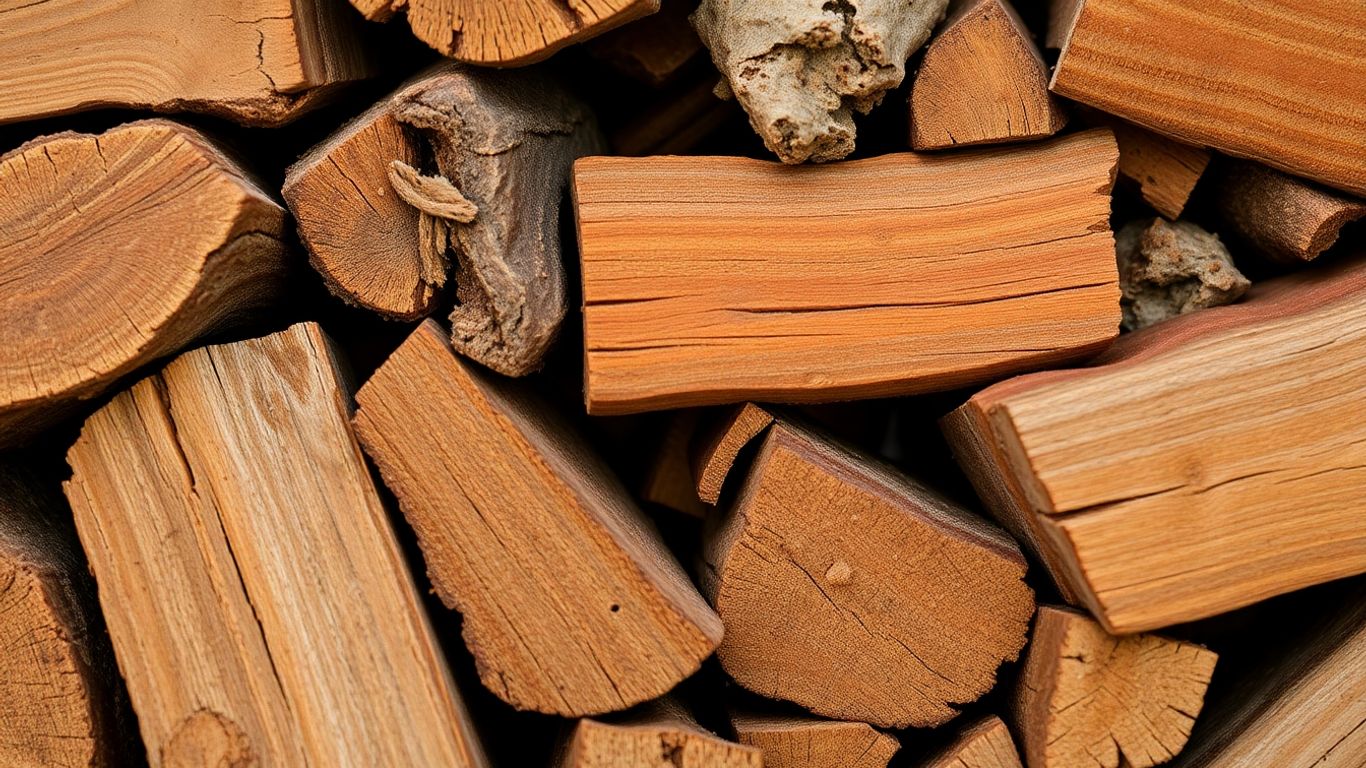
When you’re looking to add a little something extra to your Texas barbecue, nut woods are a great place to start. They’re not usually the main event like post oak or mesquite, but they can really make a difference when you blend them in. Think of them as the supporting cast that makes the whole dish shine.
These woods tend to give off a milder, often sweeter smoke compared to some of the heavier hitters. This makes them super versatile, especially if you’re smoking things like poultry, pork, or even fish. They won’t overpower the natural flavor of the meat, which is exactly what you want sometimes.
Here’s a quick rundown of what you might find:
- Pecan: This is probably the most popular nut wood in Texas. It’s got a nice, mild sweetness and a flavor that’s a bit like hickory but gentler. It’s fantastic with pork and poultry, and a lot of folks use it for brisket too, often blended with oak.
- Walnut: This one’s a bit more intense than pecan, with a richer, earthier smoke. You’ll want to use this one sparingly, maybe just a small amount, especially with red meats. It can get pretty strong if you’re not careful.
- Hickory: While often thought of as its own category, hickory nuts come from hickory trees, so it fits in here too. It’s got that classic, slightly sweet and nutty flavor that pairs wonderfully with pork, bacon, and ribs. It’s a bit stronger than pecan, so a little goes a long way.
Using nut woods is all about balance. You don’t want the smoke flavor to take over; you want it to complement the food. A good starting point is to use them as a secondary wood, maybe making up 10-25% of your total wood mix. This way, you get that subtle hint of sweetness or nuttiness without it being too much.
Experimenting with nut woods can be a lot of fun. You might find that a little bit of pecan wood really brightens up your chicken, or that a touch of walnut adds a surprising depth to your smoked ribs. It’s all about finding what tastes good to you and your crew.
Alder
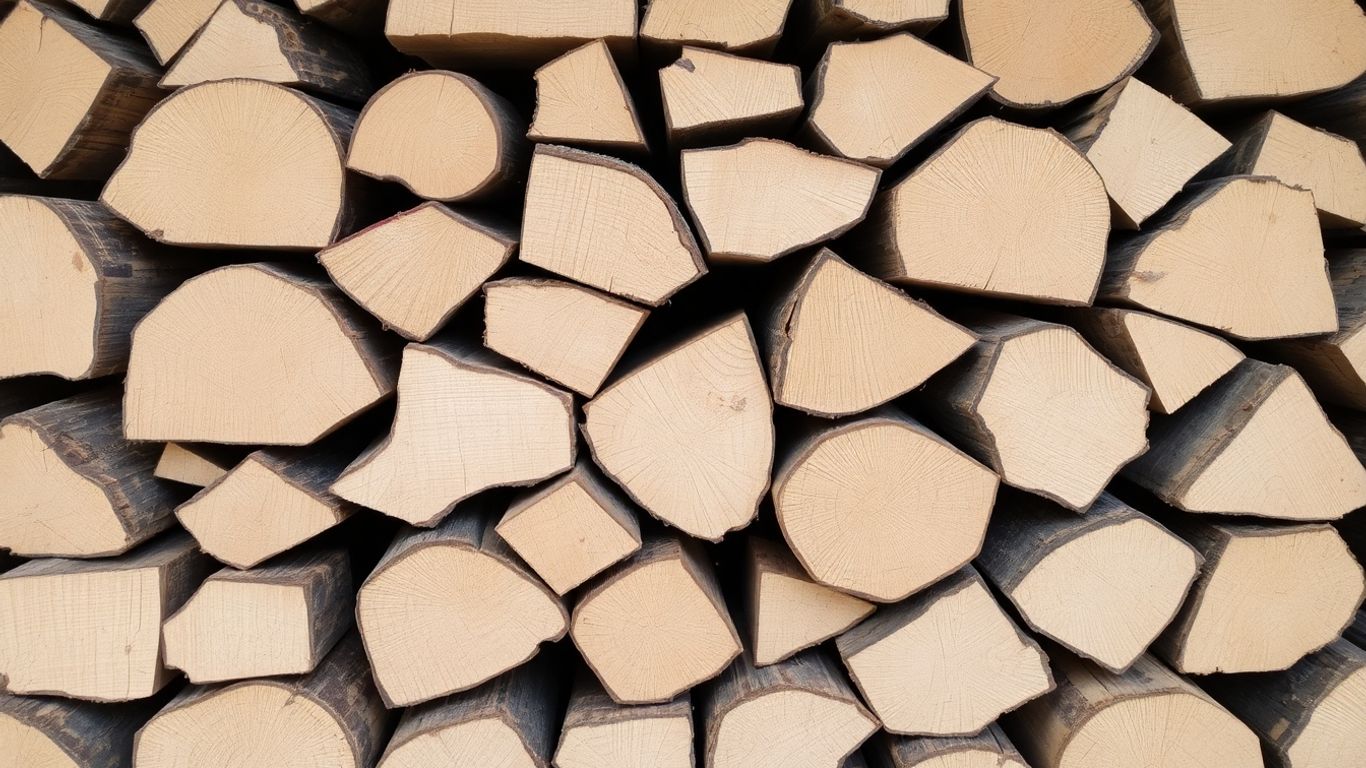
Alder wood isn’t exactly a Texas native, you’ll find it more commonly up in the Pacific Northwest. But hey, sometimes you gotta branch out, right? It’s known for putting off a really light, sweet smoke. Think of it as the gentle whisper of smoke, not a loud shout.
This makes it a good choice if you’re smoking something delicate, like fish or maybe some chicken. It won’t overpower the natural flavor of the food, which is pretty important if you’re going for a subtle taste.
Here’s a quick rundown of what it’s good for:
- Fish: Especially salmon, where you want that smoky hint without masking the fish itself.
- Poultry: Chicken and turkey can benefit from a mild smoke.
- Vegetables: If you’re smoking veggies, alder won’t make them taste like a campfire.
It burns pretty quickly and doesn’t produce a ton of heat, so it’s not your go-to for a long, slow brisket cook. You’ll probably use it more with wood chips or chunks for shorter smoking sessions.
While not a traditional Texas wood, alder offers a different flavor profile that can be really nice for certain dishes. It’s worth trying if you want to experiment beyond the usual suspects.
Maple
Maple wood is a bit of a wildcard in the Texas smoking scene, but it’s definitely worth getting to know. It gives off a smoke that’s pretty mild and has a subtle sweetness to it. This makes it a great choice if you’re worried about overpowering your food, especially with more delicate items. Think fish, chicken, or even cheese. It also imparts a really nice, dark color to whatever you’re smoking, kind of like a burnished mahogany. It’s not as common as oak or hickory around here, but it’s a solid option for adding a little something extra without being too aggressive.
When you’re thinking about using maple, consider what you’re cooking:
- Delicate Proteins: Chicken, turkey, and fish really benefit from maple’s gentle smoke. It adds flavor without making them taste too strong.
- Vegetables: If you’re smoking veggies, maple can give them a nice subtle sweetness that complements their natural flavors.
- Cheese: Smoked cheese is fantastic, and maple’s mild profile is perfect for it. It won’t mask the cheese’s own taste.
- Pork: While not as common as other woods for pork, it can work well for lighter pork dishes or smaller cuts.
Maple burns pretty cleanly, which is always a plus. It’s not the go-to for a long, slow brisket smoke where you need a really robust flavor, but for shorter cooks or when you want a lighter touch, it’s a good wood to have in your arsenal. You can often find it mixed with other woods to create a more complex smoke profile. It’s a wood that really lets the food itself shine through.
Maple wood offers a clean burn and a subtle sweetness that’s ideal for lighter fare. Its ability to impart a rich color makes dishes visually appealing, and its mildness ensures it complements rather than dominates the main ingredients. It’s a versatile wood for those seeking a nuanced smoky flavor.
If you’re looking to experiment beyond the usual suspects, give maple a try. It’s a nice change of pace and can really surprise you with how well it works, especially if you’re aiming for that beautiful mahogany color on your food.
Wrapping Up Your Wood Choice
So, there you have it. Picking the right wood for smoking in Texas really comes down to what you’re cooking and the flavor you’re going for. Post oak is your go-to for that classic Central Texas vibe, especially for brisket. Hickory brings a bit more punch, great for ribs and chicken, and you’ll find it more up north. Head west or south, and mesquite is king, but use it wisely because it’s strong. And don’t forget pecan and fruit woods for a milder, sweeter touch. It’s all about mixing and matching to find what tastes best to you. Don’t be afraid to experiment – that’s half the fun of Texas barbecue!
Frequently Asked Questions
What’s the best wood for smoking in Texas?
The best wood really depends on the flavor you’re going for! Post oak is super popular in Central Texas because it gives a mild, slightly sweet taste without overpowering the meat. Hickory is great for a bit more flavor, especially with pork. Mesquite is strong and earthy, perfect for quick cooks or if you like a bold taste, but use it carefully.
Why is Post Oak so popular for Texas BBQ?
Post oak is a favorite because its smoke is mild and a little sweet, which is perfect for brisket. It also helps create that awesome, dark crust (called bark) on the meat and gives it a nice reddish-brown color. Plus, it burns steady, making it easier to keep the smoker at the right temperature.
What’s the difference between Post Oak and other Oaks?
While they’re in the same family, post oak has a slightly sweeter flavor than other oaks. Some people might try to sell you other types of oak, so it’s good to know that true post oak has a specific look to its bark – it’s grayish-brown and gets thick with deep lines as the tree gets older.
Is Mesquite good for long smoking sessions?
Mesquite burns really hot and fast, and its flavor can become bitter if you smoke with it for too long, like for a whole brisket. It’s better for shorter cooks or when you want a really intense, earthy flavor. Many pitmasters use it in smaller amounts or for different kinds of meat.
What about Hickory wood?
Hickory is a traditional choice, especially in East Texas. It has a flavor that’s a bit stronger than post oak, with a nutty and slightly sweet taste. Many people say it smells like bacon, and it’s a great choice for pork ribs and pulled pork.
Are fruit woods and nut woods like Pecan good for smoking?
Yes, fruit woods (like apple or cherry) and nut woods (like pecan) are great for adding a subtle, sweet flavor. They tend to burn faster than oak or hickory, so they’re often used in smaller amounts to give the meat a little extra something, especially for poultry, fish, or pork.
Can I mix different types of wood?
Absolutely! Many pitmasters create their own signature flavor by blending different woods. For example, they might use mostly post oak for a steady base and then add a little hickory or pecan for complexity. It’s all about experimenting to find what you like best.
Should I avoid certain types of wood?
Definitely stay away from softwoods like pine or redwood. They have a lot of sap, which creates a harsh, unpleasant smoke that can ruin your meat. Always stick to hardwoods for the best flavor.