
So, you want to grill up some burgers and brats wherever you go? That’s awesome. Whether you’re hitting the beach, the campsite, or just your apartment balcony, a portable grill is the way to go. But with so many options out there, how do you pick the right one? We’ve looked into what makes a portable grill great, from how it cooks to how easy it is to haul around. Get ready to find the best portable bbq grills reviews to fit your next adventure.
Key Takeaways
- When picking a portable grill, think about what kind of fuel works best for you – propane is easy, while charcoal gives more flavor.
- Consider the size you need; smaller grills are great for solo trips, but larger ones are better for feeding a crowd.
- Look for features that make your life easier, like folding tables or legs, but don’t forget about how well it actually cooks.
- Portability matters – check the weight and how it folds up, because you’ll be the one carrying it.
- Don’t forget to look at how well the grill is built and what materials it’s made from; a good grill should last a while.
Understanding Portable Grill Fuel Types
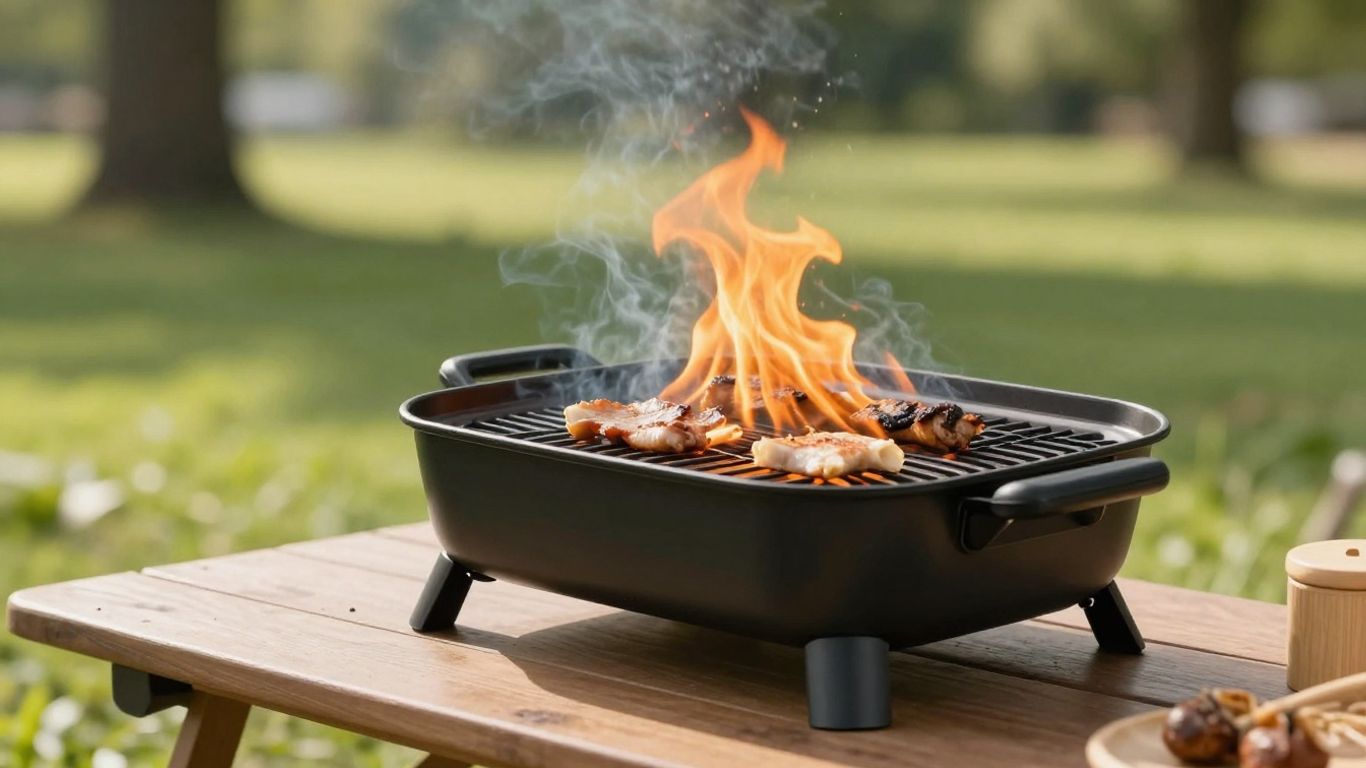
When you’re looking for a portable grill, the first big decision you’ll make is what kind of fuel it uses. This choice really shapes your whole grilling experience, from how easy it is to get started to the actual taste of your food. It’s not just about picking one; it’s about figuring out what fits your lifestyle and where you plan to grill.
The Convenience of Propane Gas Grills
Propane grills are super popular for a reason: they’re just plain easy. You hook up a small propane canister, usually a 16-ounce one, and with the push of a button, you’re usually good to go. No waiting around for coals to heat up. This makes them perfect for quick meals at the campsite or when you’re tailgating and don’t want to miss any of the action. Cleanup is generally a breeze too, which is always a plus when you’re away from home. For many people, the speed and simplicity of propane are hard to beat. They offer a consistent heat that’s easy to manage, letting you focus on cooking rather than fussing with the fire.
The Flavor of Charcoal Grills
Now, if you’re all about that smoky, classic BBQ flavor, charcoal is probably your jam. Lighting charcoal takes a bit more effort – you’ll need a chimney starter and about 15 minutes for the coals to get ready. Plus, you have to wait for everything to cool down completely before you can pack it up, which can be a bummer if you’re in a hurry. But, oh, that taste! Charcoal grills often get hotter than gas ones, giving you a fantastic sear on your burgers and steaks. It’s a bit more hands-on, for sure, but many grill masters swear it’s worth the extra steps for the flavor payoff. If you’re heading to places with fire restrictions, though, charcoal might be a no-go.
Exploring Niche Options: Pellet and Electric Grills
Beyond the usual suspects, there are a couple of other fuel types worth mentioning. Pellet grills use compressed wood pellets to create smoke and heat, giving you a really distinct, wood-fired flavor that’s great for smoking meats. Electric grills, on the other hand, are super simple if you have access to an electrical outlet. Just plug them in and go. They’re often the easiest to clean and control. The main drawback for both of these is that they rely on electricity, which isn’t always available when you’re out in the wild. They also tend to be on the pricier side compared to basic gas or charcoal models. If you’re looking for specific flavor profiles or ultimate convenience where power is available, these are definitely options to consider.
Choosing the right fuel type is the first step in finding a portable grill that fits your needs. Think about how much time you have, what kind of flavor you’re after, and where you’ll be doing most of your grilling. Each fuel type has its own set of pros and cons, so weigh them carefully.
Assessing Portable Grill Size and Capacity
When you’re looking for a portable grill, figuring out the right size and how much food it can hold is pretty important. It’s not just about how much space it takes up when you’re carrying it, but also about whether it can actually cook enough for who you’re feeding.
Ideal Sizes for Camping and Tailgating
If your main plan is to take the grill on camping trips or to football games, you’ll probably want something on the smaller side. These grills are designed to be easy to pack and carry. Think about grills with around 100 to 150 square inches of cooking space. That’s usually enough to cook a couple of burgers and maybe some corn on the cob at the same time. They’re light, often under 20 pounds, making them simple to load into a car or carry to your spot. Some even have clever designs, like a bottom that stores the propane tank when not in use, which is a nice touch for saving space.
Larger Options for Groups and Events
Now, if you’re planning on cooking for a bigger crowd, maybe a family reunion or a party with friends, you’ll need to step up in size. Grills with 300 square inches or more of cooking area are better suited for this. These larger portable models can handle more food at once, meaning less time spent grilling and more time enjoying the company. While they are heavier, often tipping the scales at 30-50 pounds, they sometimes come with features like built-in carts or wheels to make moving them a bit easier. It’s a trade-off between capacity and how easy it is to haul around, but for feeding more people, it’s often worth it.
Understanding Cooking Area Dimensions
Don’t just look at the overall size of the grill; pay attention to the actual cooking surface. This is usually measured in square inches. A grill might look big, but if the grates are small, you won’t be able to cook much. For example, a grill with 150 square inches might fit two burgers comfortably, while one with 300 square inches could easily fit six or more, plus other items. It’s helpful to visualize how much food you typically want to cook at once. Some grills even have multiple levels of grates, giving you more space to keep food warm or cook different items at different temperatures. When comparing models, check the specific dimensions of the grilling surface to make sure it matches your needs. It’s a key factor in choosing a portable camping grill that fits your lifestyle.
When you’re picking out a portable grill, think about who you’ll be cooking for most often. A grill that’s too small will leave you frustrated, while one that’s too big might be a pain to transport. Finding that sweet spot is what makes grilling on the go truly enjoyable.
Key Features for Enhanced Grilling
Beyond the basics of fuel and size, a portable grill can come with a bunch of extra bits and bobs that make your life easier and your BBQ taste even better. Think of these as the upgrades that take your grilling game from ‘just okay’ to ‘wow, that’s good!’
Convenience Features: Folding Tables and Legs
Lots of portable grills have these little fold-out side tables. They’re super handy for putting down your plate, your tools, or that bowl of potato salad while you’re busy flipping burgers. And the legs? Many models have legs that fold up, making them more compact for storage and transport. Some even have adjustable legs, which is great if you’re setting up on uneven ground. It’s all about making the setup and cooking process as smooth as possible, so you can focus on the food.
Precision Tools: Digital Thermometers
If you’re serious about getting your meat cooked just right, a built-in digital thermometer can be a game-changer. Forget guessing or constantly lifting the lid. These gadgets give you an accurate temperature reading right there on the grill, helping you nail that perfect medium-rare steak or slow-cooked brisket. Some advanced models even have presets for different types of meat, taking a lot of the guesswork out of it. For anyone looking to step up their grilling precision, a good thermometer is a must-have. It’s a small feature that makes a big difference in the final outcome of your food.
Specialty Features: Smoker Boxes
Want to add that smoky flavor without a full-blown smoker? Some portable grills come with a smoker box. You fill this little metal container with wood chips or pellets, place it on the grates, and it starts to produce smoke. It’s a neat way to get a hint of that authentic BBQ taste, especially if you’re using a gas grill and miss the smoky notes of charcoal. It’s a simple addition that can really make your grilled items stand out.
When you’re looking at portable grills, don’t just focus on the cooking surface. Think about the little things that make the whole experience better. Things like easy-to-clean grates, a reliable ignition system, and even a grease management system can save you a lot of hassle later on. These features might seem minor, but they add up to a much more enjoyable time spent grilling outdoors.
Here’s a quick rundown of some helpful features:
- Folding Side Tables: Extra space for prep and serving.
- Adjustable Legs: For stability on any surface.
- Built-in Thermometer: For precise temperature control.
- Smoker Box: Adds smoky flavor to your food.
- Easy-Clean Grates: Makes post-grill cleanup a breeze.
- One-Touch Ignition: Quick and reliable startups.
These features can really make a difference, especially when you’re out and about. For example, a grill with dual cooking zones can offer more flexibility for cooking different items at once, which is a great convenience feature to look for.
Evaluating Portability and Ease of Transport
When you’re looking at portable grills, how easy it is to move around is a big deal. Nobody wants to wrestle with a heavy, awkward grill when they’re trying to get to the park or the beach. The best portable grills strike a balance between being sturdy enough for cooking and light enough to carry.
Weight and Compactness for Travel
Think about where you’ll be taking your grill. If it’s just from your car to a picnic table, a few extra pounds might not matter. But if you’re hiking to a campsite or carrying it up a few flights of stairs, every pound counts. Some grills are designed to fold down really small, almost like a briefcase, making them easy to tuck into a car trunk or even a large backpack. Others might be a bit heavier but come with clever carrying solutions.
Here’s a quick look at how some grills stack up:
| Grill Model | Approximate Weight | Folded Dimensions (approx.) | Notes |
|---|---|---|---|
| nomadiQ | 12 lbs | 5" x 15" x 15" | Shoulder strap, ergonomic handle |
| GoBQ | 9 lbs | Knife roll size | Packs very small, fabric construction |
| Weber Traveler | 49 lbs | Folds flat | Wheels, one-hand operation, large handle |
| Snow Peak Takibi | 30+ lbs | Canvas bag | Heavy, but bag has shoulder straps |
Design Elements for Easy Carrying
Beyond just weight, the design makes a huge difference. Look for features like:
- Sturdy Handles: Are they comfortable to grip? Do they feel secure?
- Wheels: For heavier grills, wheels are a game-changer, especially for getting across parking lots or uneven ground. Some wheels are better suited for rough terrain than others.
- Folding Legs/Tables: Legs that fold neatly away or built-in tables that tuck in can make a grill much more compact and easier to manage.
- Locking Mechanisms: A good latch or lock keeps the grill shut during transport, preventing it from popping open unexpectedly.
Some grills are designed with transport in mind from the ground up. They might have integrated storage for fuel canisters, or legs that double as carrying handles when folded. These thoughtful touches can make a big difference in your overall experience.
Storage Solutions for Limited Spaces
Even if you have a small car or limited storage at home, there are options. Many portable grills fold down quite flat, allowing them to slide under a bed or into a narrow closet. Some come with dedicated carrying bags or cases, which not only protect the grill but also keep all the parts together and make it easier to grab and go. If you plan on taking your grill camping often, checking out portable grills for camping can give you a better idea of what to expect in terms of size and how they pack up.
Cooking Control and Performance Factors
When you’re out grilling, having a handle on the heat is pretty important, right? It’s not just about getting things hot; it’s about controlling how hot and where it’s hot. This is where control and performance really come into play for portable grills.
Burner Configuration and Temperature Adjustments
For gas grills, the number and type of burners make a big difference. More burners usually mean more control, letting you create different heat zones. Think about U-shaped burners; they’re designed to spread heat pretty evenly across the cooking surface. Some grills have simple knobs that go from low to high, while others offer more precise settings. It’s like having a dimmer switch for your grill instead of just an on/off button. Pellet grills, on the other hand, often use digital controls to maintain a set temperature automatically, which is super convenient.
- Single Burner: Good for basic grilling, but limited heat zone options.
- Dual Burners: Allows for two distinct temperature zones, great for cooking different foods at once.
- Multiple Burners: Offers the most flexibility for complex meals or cooking for a crowd.
Charcoal grills are a different beast. Control here comes from how you arrange the coals. You can pile them up for intense heat or spread them out for lower temperatures. It takes a bit more practice, but you can get some really fine-tuned heat zones. Some charcoal grills even have adjustable vents to help manage airflow and, therefore, heat.
Heat Retention and Conduction
How well a grill holds onto heat and spreads it around is key to consistent cooking. Materials play a big role here. Cast iron grates, for example, get hot and stay hot, giving you a great sear. Steel and aluminum grates heat up faster but might not retain heat as well. The lid also matters; a well-fitting lid helps trap heat and smoke, which is good for cooking thicker cuts or when you want that smoky flavor. Some portable grills are better at this than others, and you’ll notice it when you’re trying to keep a steady temperature.
The design of the grill body itself can also affect heat retention. A thicker, more robust construction will generally hold heat better than a thin, flimsy one. This is especially noticeable when cooking in cooler or windy conditions.
Achieving Desired Sear and Cooking Temperatures
Ultimately, you want a grill that can get hot enough to give you that perfect sear on your steak or burgers. For gas grills, this often comes down to the BTU output (British Thermal Units) and how efficiently that heat is delivered to the grates. A grill that can reach 500°F or more is generally considered good for searing. With charcoal, it’s about building a hot enough coal bed. For electric grills, check the wattage and the temperature range. Getting that nice crust on your food is a sign of a well-performing grill. If you’re looking for a grill that offers both gas and charcoal versatility, you might want to explore options that provide powerful heat output and precise temperature control for gourmet cooking in any location [b766]. Consistency is also important; you don’t want hot spots that burn your food while other parts remain undercooked. A good portable grill will give you predictable results, meal after meal.
Durability and Construction Materials
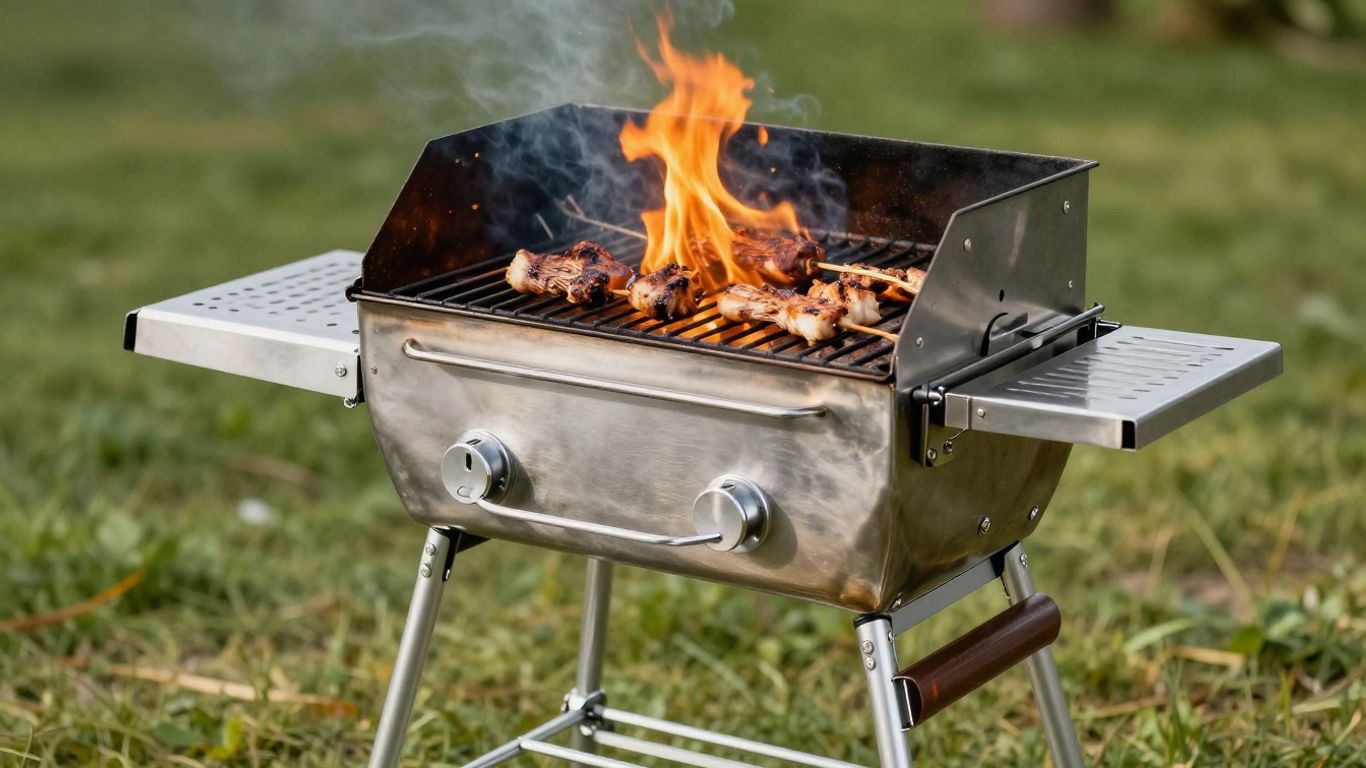
When you’re looking at portable grills, you want something that can handle being moved around and still cook well. The materials used make a big difference in how long it’ll last and how it performs. Think about what it’s made of – is it going to rust after a few uses or can it take a beating?
Assessing Build Quality for Longevity
It’s not just about the metal; it’s how it’s put together. Look for sturdy welds, well-fitted parts, and a general feeling of solidity. A grill that feels flimsy when you pick it up is probably not going to last very long, especially if you plan on taking it camping or to the beach regularly. A well-built grill will feel substantial, not wobbly. Check out the legs and handles – do they feel secure? Are the hinges on the lid smooth or do they stick?
Material Choices: Aluminum, Steel, and Cast Iron
Different materials offer different benefits. Aluminum is lightweight, which is great for portability, but it might not hold heat as well as other metals. Stainless steel is a popular choice because it’s strong, looks good, and resists rust pretty well. Cast iron is fantastic for heat retention and gives you those nice sear marks, but it’s heavy and needs careful maintenance to prevent rust.
Here’s a quick look at common materials:
- Aluminum: Very light, good for transport, but can be less durable and doesn’t hold heat as well.
- Stainless Steel: A good balance of durability, rust resistance, and weight. Often found in higher-end portable grills.
- Cast Iron: Excellent heat retention and searing capability, but heavy and requires seasoning to prevent rust.
- Porcelain-enameled Steel: Offers good heat distribution and is easier to clean than bare cast iron, but the coating can chip.
Resistance to Wear and Tear
Consider how the grill will hold up against the elements and frequent use. Things like weather-resistant finishes, sturdy latches, and robust wheels (if it has them) all contribute to a grill’s ability to withstand wear and tear. If you’re going to be using it in windy conditions, check how well the lid and body resist being buffeted around. Some grills are designed with better wind resistance in mind, which also speaks to their overall sturdy construction.
When you’re choosing a portable grill, don’t just think about how it cooks today. Think about how it will hold up after a year of picnics, camping trips, and backyard cookouts. The materials and build quality are the foundation of a grill that will serve you well for seasons to come.
Considering Value and Budget
When you’re looking at portable grills, the price tag can swing pretty wildly. It’s not just about the initial cost, though. You’ve got to think about what you’re actually getting for your money and how long you expect it to last. A cheap grill might seem like a good deal for a backyard party, but if you plan on taking it camping every weekend or using it for bigger get-togethers, you might want to spend a bit more upfront.
Balancing Cost with Features and Durability
It’s easy to get caught up in all the bells and whistles, but sometimes the simplest grills are the most reliable. Think about what you really need. Do you just want to grill some burgers and hot dogs, or do you want to be able to sear a steak perfectly and maybe even slow-cook some ribs? More advanced features, like precise temperature control or better heat retention, usually come with a higher price tag. The build quality is another big one. A grill made with sturdier materials will likely cost more, but it’ll also hold up better over time, especially if it’s going to be bounced around in the back of a car or truck.
Long-Term Investment vs. Occasional Use
This is where you really need to be honest with yourself about how often you’ll be using the grill. If it’s just for a couple of picnics a year, a more budget-friendly option might be perfectly fine. But if you see yourself grilling regularly, investing in a more robust model makes sense. It’s kind of like buying shoes – you can get a cheap pair that’ll fall apart after a few wears, or you can spend a bit more on a quality pair that’ll last for years.
Understanding Price Points for Different Models
Portable grills fall into a few general price categories:
- Budget-Friendly ($50 – $150): These are typically smaller, simpler grills. They’re great for basic grilling and occasional use. Think basic charcoal grills or smaller propane models. They might not have all the fancy features, but they get the job done.
- Mid-Range ($150 – $350): This is where you’ll find a lot of popular options. You’ll get better build quality, more consistent heat, and maybe some extra features like side tables or better temperature gauges. These are good all-around choices for regular use.
- Premium ($350+): These grills often boast superior construction, advanced features, and top-notch performance. They might be larger, have multiple burners, or use higher-end materials. If you’re a serious griller or plan on using your portable grill extensively, this category is worth exploring.
When you’re comparing prices, don’t forget to factor in the cost of fuel. Propane tanks need refilling, charcoal bags add up, and pellet grills use wood pellets that have their own price point. Some of the cheapest grills might end up costing you more in the long run if they’re fuel-guzzlers or require frequent replacement parts.
Top Portable BBQ Grills Reviews
Alright, let’s talk about some of the actual grills that stood out during our testing. Finding the perfect portable grill can feel like a treasure hunt, but a few models really hit the mark for performance, ease of use, and just plain good grilling. We looked at a bunch, and these are the ones that kept coming up as top contenders.
Best Overall Portable Gas Grill: Weber Traveler
The Weber Traveler is a pretty slick piece of kit. It’s designed to go wherever you go, and it actually makes grilling on the go feel… well, not like a chore. It sets up and folds down pretty easily, which is a big win when you’re trying to get things going quickly. The cooking area is decent, and it holds a steady temperature, which is what you want for good results. Plus, cleaning it up afterward wasn’t a huge hassle, thanks to the grate material.
- Pros: Easy to set up and take down, good temperature control, simple to clean.
- Cons: It’s on the pricier side, and when it’s folded up, it takes up a bit more space than you might expect.
This grill feels like a step up from your average portable. It’s built solid and performs reliably, making it a good choice if you plan on grilling often when you’re away from home.
Best Portable Charcoal Grill: The Nomad
If you’re all about that charcoal flavor, The Nomad is something special. It’s designed like a suitcase, which is pretty neat. You open it up, and inside, you’ve got your cooking box and grate ready to go. It’s made from tough stuff like aluminum and stainless steel, so it feels like it’ll last. It’s also designed to be carried easily, which is a big plus for a charcoal grill that can sometimes be a bit clunky.
- Pros: Unique suitcase design, durable materials, easy to carry when closed.
- Cons: Can be expensive, and it’s a charcoal grill, so you’ve got the whole process of lighting and ash cleanup.
Compact and Lightweight Champion: GoBQ
For those times when every ounce and inch counts, the GoBQ is worth a look. This grill is all about being super light and small. It’s the kind of grill you can practically forget you’re carrying until you need it. It’s not going to feed a huge crowd, but for a couple of people or a small gathering, it gets the job done without weighing you down. It’s a straightforward design that prioritizes getting you grilling with minimal fuss and maximum portability.
- Pros: Extremely lightweight and compact, simple to use.
- Cons: Very small cooking area, not ideal for larger groups.
Maintenance and Cleaning Tips
Keeping your portable grill in good shape means it’ll work better and last longer. It’s not a huge chore, but doing it regularly makes a big difference. Think of it like washing your car – a little effort keeps it looking good and running smoothly.
Routine Cleaning for Optimal Performance
After each use, it’s a good idea to give your grill grates a quick clean. While they’re still warm (but not scorching hot!), use a grill brush to scrape off any stuck-on food bits. This prevents them from hardening and becoming a real pain later. For gas grills, also check the flavorizer bars or heat tents. If they’re covered in gunk, it can affect how the heat distributes. A quick wipe-down of the exterior with a damp cloth will also keep it looking sharp.
Ash Management for Charcoal Grills
Charcoal grills need a bit more attention when it comes to ash. Completely cool the grill before attempting to clean out the ash. Trying to do it while it’s still hot is a recipe for disaster. Once cool, most portable charcoal grills have a way to dump the ash. This might be a removable ash catcher or just a simple vent you open to let the ash fall out. Get rid of the ash after every few uses, or whenever it starts to build up. Too much ash can block airflow, making it harder to get your coals going and maintain a good temperature.
Preparing Your Grill for Transport
Before you pack up your grill to head home or store it, a few quick steps will make your next outing much easier. Make sure all the grates and interior parts are clean and dry. If you used a drip pan, empty and clean it. For gas grills, turn off the gas supply and disconnect the propane tank. Secure any loose parts, like folding legs or side tables, so they don’t rattle around during transport. Some grills come with carrying bags or cases, which are great for keeping everything together and protected.
A little bit of cleaning after each use, especially on the grates, will save you a lot of scrubbing later. It also helps prevent rust and keeps your grill performing at its best. Don’t forget to check your manual for any specific cleaning recommendations for your model.
Ready to Grill Anywhere?
So, you’ve got the lowdown on what makes a portable grill a winner. Whether you’re aiming for smoky charcoal flavor or the quick convenience of gas, there’s a grill out there that fits your adventures. Think about where you’ll be grilling most – is it a small balcony, a campsite, or a tailgate party? That’ll help you narrow down the size and features. Don’t forget to consider how easy it is to carry and store. With the right portable grill, you’re all set to whip up some delicious BBQ wherever life takes you. Happy grilling!
Frequently Asked Questions
What kind of fuel is best for a portable grill?
It really depends on what you’re looking for! Propane grills are super easy to use and clean, making them very convenient. Charcoal grills, on the other hand, give your food a richer, smoky taste and can get really hot for a great sear. Pellet and electric grills are other options, but they usually need an outlet.
How big should a portable grill be?
Think about where you’ll use it most. If it’s for camping or tailgating with just a few people, a smaller grill is perfect. If you’re cooking for bigger groups or events, you’ll want a larger one. Always check the cooking area size to know how much food you can fit.
What are some must-have features for a portable grill?
Convenience features like folding tables and legs make grilling easier. If you want to cook things perfectly, a digital thermometer is a big help. Some grills even have smoker boxes for extra flavor. Choose features that match what you like to cook.
How do I know if a portable grill is easy to carry?
Look at how much it weighs and how small it folds up. Grills with good handles or wheels are much easier to move around. Also, think about where you’ll store it when it’s not in use.
Can portable grills cook food well?
Yes, they can! Good portable grills let you control the heat, either with different burners or by adjusting vents. This helps you cook different foods just right, whether you need a quick sear or a slow cook.
What materials are best for a durable portable grill?
Grills made from sturdy stuff like stainless steel or cast iron tend to last longer. It’s good to check how well it’s put together to make sure it can handle being moved around and used often without falling apart.
Is it worth spending more on a portable grill?
Often, yes! More expensive grills usually use better materials and have more features, meaning they’ll last longer and cook better. If you plan to grill a lot, investing a bit more can be a smart choice.
How do I keep my portable grill in good shape?
Regular cleaning is key! After each use, brush off the grates. For charcoal grills, remember to clean out the ashes. Keeping your grill clean makes it work better and last longer.